

Offensive Shirts: Bold Fashion Statements That Turn Heads
Offensive Shirts: Understanding The Controversy, Impact, And Social Debate
Wearing a shirt should be a simple choice. But sometimes, what is printed on a shirt can spark heated arguments, make people uncomfortable, or even cause someone to lose a job. Offensive shirts are everywhere, from online shops to busy city streets. These shirts use words, images, or jokes that some people find funny but others see as rude, disrespectful, or even hateful.
Why do people wear offensive shirts? What makes a shirt offensive in the first place? How do different countries or communities react to them? And what are the real-life consequences for those who wear or sell these shirts? This article explores the world of offensive shirts in detail.
You’ll learn what makes a shirt cross the line, see real examples, and discover how culture, law, and business respond to this tricky topic.
What Makes A Shirt Offensive?
Not every bold or funny shirt is offensive. The line between humor and harm is not always clear. A shirt becomes offensive when it uses language, pictures, or symbols that insult, discriminate, or hurt the feelings of a group or individual. Sometimes, shirts are designed to get attention, but they can cross social boundaries without warning.
Common Features Of Offensive Shirts
- Hate Speech: Shirts with racist, sexist, homophobic, or other hateful phrases are considered highly offensive.
- Vulgar Language: Words or phrases that use strong curse words or sexual content.
- Violent or Threatening Images: Pictures or graphics that show or suggest violence.
- Insensitive Jokes: Humor about tragedies, diseases, disabilities, or sensitive social issues.
- Cultural or Religious Insults: Mocking symbols, figures, or beliefs of a culture or religion.
A shirt does not need to have all these features to be offensive. Even one can be enough to create a strong reaction.
Why Perception Varies
The same shirt can be seen as a joke by one person and deeply hurtful by another. Culture, age, personal history, and even where someone lives all play a role. For example, a shirt mocking a sports team may be funny in one city but disrespectful in another.
This makes it hard to have one rule for what is or is not offensive.
Real-life Examples Of Offensive Shirts
Let’s look at some actual types of offensive shirts that have made news or caused public arguments. These examples show how different kinds of messages can lead to trouble.
Racist And Hate-filled Shirts
Some shirts use racial slurs or promote hate groups. For instance, shirts with slogans supporting white supremacy or mocking ethnic groups have been banned in many places. These shirts are not only offensive but sometimes illegal.
Sexist Or Misogynistic Shirts
Shirts with phrases that degrade women or promote negative stereotypes can be found in online stores. Examples include shirts with statements like “Make Me a Sandwich” or graphics that objectify women. These often receive backlash on social media and are quickly pulled from sale.
Anti-religious Or Anti-cultural Shirts
Some shirts use religious symbols in a mocking way. For example, shirts that mix sacred images with alcohol brands or cartoons may upset believers. A shirt with a religious leader in a disrespectful pose can lead to protests or even violence in some countries.
Jokes About Disabilities Or Illness
There are shirts with jokes about mental health, autism, or physical disabilities. These are often criticized for making fun of people’s struggles. For example, a shirt that says “I’m not crazy, I’m just special” can be deeply hurtful to families.
Political Or Nationalistic Shirts
Political slogans can be very divisive. A shirt supporting an extreme political view or mocking national symbols can upset large groups. During elections or protests, these shirts often appear and lead to arguments or fights.
Sexual Or Vulgar Shirts
Some shirts use sexual innuendo or explicit language to shock or amuse. For example, shirts with crude jokes about body parts or sex acts are common in tourist areas but may get someone removed from a family restaurant or public place.
Dark Humor And Tragedy Jokes
Jokes about events like disasters, deaths, or crimes sometimes appear on shirts. While some see this as “edgy humor,” it can cause pain to those affected by the events. For example, shirts joking about a plane crash or a public tragedy have led to public apologies and firings.
Why People Choose To Wear Offensive Shirts
If offensive shirts cause so many problems, why do people wear them at all? The answer is not simple. Some people do it for attention, some to make a statement, and others because they don’t see the harm.
Reasons Behind The Choice
- Rebellion or Shock Value: Some enjoy challenging social rules or making others uncomfortable.
- Identity and Belonging: Wearing a shirt with a strong message can show loyalty to a group or belief.
- Ignorance: Not everyone understands the meaning or history behind words or images.
- Humor: What is funny to one person may be offensive to another.
- Peer Pressure: In some groups, wearing “edgy” shirts is seen as cool or brave.
A common mistake is thinking that “it’s just a joke. ” This attitude ignores the real hurt these shirts can cause.
The Role Of Context: Where You Wear Matters
The impact of an offensive shirt changes based on location and company. A shirt that gets a laugh at a party may get someone fired at work or stopped in school.
Examples Of Context
- Schools: Most schools ban shirts with hate speech, vulgarity, or violence.
- Workplaces: Many companies have dress codes against offensive clothing.
- Public Events: Concerts, protests, or sports games sometimes see more relaxed rules, but not always.
- Travel: In airports, or other countries, a shirt can lead to being detained or denied entry.

Credit: www.amazon.com
The Business Side: Why Do Companies Sell Offensive Shirts?
Despite the risk, some companies sell offensive shirts because there is demand. Some online stores even specialize in “shocking” or “uncensored” designs.
How Businesses Respond
- Target Audience: Some brands aim for young people who want to stand out.
- Quick Profits: Offensive shirts sometimes go viral, selling out before backlash grows.
- Pullbacks and Apologies: When a shirt causes outrage, companies often remove it and apologize.
- Legal Risks: Some shirts lead to lawsuits or fines if they break hate speech or discrimination laws.
A non-obvious insight: Small businesses sometimes buy shirts from large suppliers without checking the designs, leading to accidental sales of offensive shirts.
Legal And Social Consequences
Wearing or selling offensive shirts can have serious consequences. These range from losing a job to being arrested, depending on the country and the message.
Legal Issues
- Hate Speech Laws: Some countries ban shirts with racist or hate-filled messages.
- Public Order Laws: Shirts that cause public unrest or violence can lead to charges.
- Defamation: Insulting specific people or groups may result in lawsuits.
Social Backlash
- Job Loss: Many people have lost their jobs after being seen in offensive shirts.
- Social Media Outrage: Pictures often go viral, leading to public shaming.
- Business Boycotts: Brands have lost customers after selling offensive designs.
Not everyone knows that even private posts of offensive shirts can be shared widely and cause trouble later.
The Role Of Social Media
Social media makes it easy for offensive shirts to be seen by millions. A single photo can spark a worldwide debate in hours.
How Social Media Amplifies Impact
- Viral Outrage: Hashtags and shares can force quick responses from brands.
- Cancel Culture: Public pressure can lead to firings or business closures.
- Meme Culture: Some offensive shirts become memes, spreading even further.
At the same time, social media can also defend free speech, with some users supporting the right to wear what they want.
How Different Cultures Handle Offensive Shirts
Attitudes toward offensive shirts change from country to country. What is banned in one place may be legal in another.
Examples Of Cultural Differences
- Strict Laws: Some Asian and Middle Eastern countries ban shirts that insult religion or leaders.
- Free Speech Traditions: Some Western countries protect offensive shirts as “free speech” unless they incite violence.
- Community Standards: In small towns, even mildly rude shirts may be seen as shocking, while big cities may ignore them.
Here’s a simple comparison of how three regions handle offensive shirts:
| Region | Legal Limits | Social Reaction |
|---|---|---|
| North America | Free speech but some hate speech restrictions | Social media backlash, job loss risk |
| Europe | Stronger hate speech laws, some bans | Quick removal from stores, public protests |
| Asia & Middle East | Strict bans on religion, leaders, culture insults | Possible arrest, heavy fines |
The Impact On Free Speech
Some argue that banning offensive shirts is a threat to free speech. Others say that protecting people from harm is more important. This debate is ongoing, with no easy answer.
Arguments For Free Speech
- Self-Expression: People have the right to share their opinions, even if others dislike them.
- Slippery Slope: Banning one type of message may lead to wider censorship.
- Humor and Satire: Comedy often pushes boundaries to make a point.
Arguments For Limits
- Preventing Harm: Hateful shirts can lead to real-world violence or suffering.
- Protecting Children: Some content is not suitable for public spaces.
- Community Values: Each group has the right to set its own standards.
A practical tip: If you’re not sure if a shirt is too much, imagine how you would feel if someone wore it about you or your family.
Offensive Shirts And The Fashion Industry
Fashion is about more than just clothes; it reflects society’s values. Offensive shirts have forced the industry to think carefully about what is acceptable.
How Fashion Brands React
- Pre-Release Checks: Many brands now review designs with legal and diversity teams.
- Diversity and Inclusion: Some brands work with community leaders to avoid mistakes.
- Greenwashing: Brands sometimes use “edgy” designs to seem modern but remove them if they offend.
Here’s a look at how fashion companies handle potential controversy:
| Brand Size | Review Process | Response to Outrage |
|---|---|---|
| Large Global Brands | Multiple review steps, legal team checks | Quick apology, pull product |
| Small Independent Brands | Often no formal process | Case-by-case, sometimes ignore backlash |
| Online Marketplaces | Automated filters, user reports | Remove if reported, sometimes slow |

Credit: www.amazon.com
The Role Of Schools And Workplaces
Schools and workplaces are often the first places to set rules about offensive shirts. They create dress codes to protect respect and focus.
School Policies
- Zero Tolerance: Most schools ban shirts with hate speech, violence, or sexual content.
- Education: Some schools use incidents as teaching moments about respect.
- Parent Involvement: Parents are often called if a student wears an offensive shirt.
Workplace Rules
- Dress Codes: Many offices, restaurants, and stores have written policies.
- Progressive Discipline: Offenders may first get a warning, then suspension, then firing.
- Uniforms: Some jobs require uniforms to avoid any message shirts.
One thing beginners often miss: Even remote workers can get in trouble if they wear offensive shirts on video calls.
How To Avoid Accidentally Wearing An Offensive Shirt
Sometimes people don’t realize a shirt is offensive until it’s too late. Here are some practical tips to avoid mistakes:
- Check the Meaning: If you’re not sure about a word or symbol, look it up.
- Avoid Stereotypes: Stay away from shirts that joke about race, gender, religion, or disability.
- Think About Context: What’s okay at a party may not be okay at work, school, or in public.
- Listen to Feedback: If someone says your shirt is offensive, consider their feelings.
- Stay Informed: Trends change. What was funny before can be offensive now.
A less obvious tip: Some shirts use coded language or old symbols that have a hidden meaning. Be careful when buying from unknown brands.
The Rise Of Custom And Print-on-demand Shirts
With new technology, anyone can design and sell shirts online. This has led to more offensive shirts, as small sellers don’t always check for problems.
Print-on-demand Platforms
- Easy Access: Anyone can upload a design and sell it worldwide.
- Less Oversight: Platforms often rely on users to report offensive content.
- Quick Removal: Once reported, offensive shirts are usually removed.
This has created a “whack-a-mole” problem: as soon as one shirt is banned, another appears under a different name.
When Offensive Shirts Lead To Change
Not all offensive shirts are just for shock. Some have started real conversations or even changed laws.
Examples Of Impact
- Public Protests: Offensive shirts at marches have brought attention to social issues.
- Legal Reform: Outrage over a shirt has sometimes led to stricter hate speech laws.
- Awareness: Jokes gone wrong have helped teach the public about history or minority struggles.
Can Offensive Shirts Be Used For Good?
Sometimes, a shirt that seems offensive at first glance is designed to make people think. Satire and protest art often use strong language or images to highlight injustice.
When It’s Not Just About Shock
- Political Protest: Some shirts use sarcasm to criticize unfair laws.
- Awareness Campaigns: Charities sometimes use bold shirts to get attention for a cause.
- Artistic Expression: Some artists use shock to start important conversations.
A key tip: Always check the intent and context before judging a shirt. Not all “offensive” shirts are meant to harm.
Offensive Shirts In Sports And Music
Sports fans and music lovers often wear shirts with strong messages. Sometimes these cross the line from team loyalty or fan pride into insults or hate.
Sports Rivalry Shirts
- Mocking Opponents: Shirts that insult rival teams or players.
- National Pride: International games sometimes see shirts that cross cultural lines.
Concert And Festival Shirts
- Band Humor: Some bands use offensive humor as part of their image.
- Fan-Made Shirts: Not all designs are approved by artists, leading to surprises.
One insight: Many venues now check shirts at the door and may refuse entry to those wearing something too offensive.
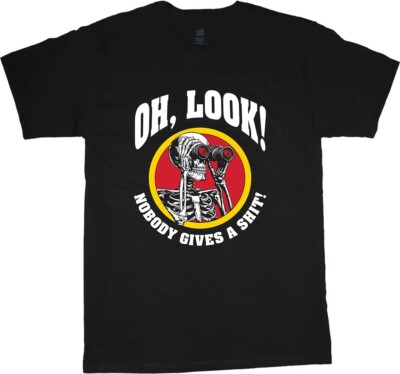
Credit: www.ebay.com
The Business Of Banning: How Stores And Platforms Respond
Stores and online platforms are under pressure to balance free speech with customer safety. Here’s how they handle offensive shirts:
- Pre-Approval: Some stores review all designs before selling.
- User Reports: Online marketplaces rely on customers to flag problems.
- Bans and Blacklists: Repeat offenders are often banned from selling.
- Legal Action: In extreme cases, stores may face lawsuits for selling hate speech.
A common mistake: Thinking that “if it’s for sale, it must be okay.” Many offensive shirts slip through the cracks.
How To Respond If Someone Wears An Offensive Shirt Near You
If you see someone wearing an offensive shirt, it can be hard to know what to do. Here are some options:
- Ignore: Sometimes the wearer wants a reaction.
- Speak Up: Politely share how the shirt makes you feel.
- Report: In schools or workplaces, report to a leader or manager.
- Set Boundaries: If it’s a friend, explain why you’re uncomfortable.
A tip: Avoid arguing in public, as it can escalate quickly. Choose a private moment if possible.
The Future Of Offensive Shirts
As societies change, what is considered offensive also changes. Technology, law, and culture will continue to shape this debate.
Possible Trends
- Stronger Regulations: More countries may pass laws against hate speech in fashion.
- Better Filters: Online platforms could use smarter tools to catch offensive designs.
- Greater Awareness: People may become more careful with their choices.
- Changing Humor: What is funny or edgy will shift as new generations set the tone.
For more on the legal and social issues surrounding offensive clothing, see this Wikipedia article on hate speech.
Frequently Asked Questions
What Is Considered An Offensive Shirt?
An offensive shirt is any shirt with words, images, or symbols that insult, hurt, or discriminate against a person or group. This includes hate speech, vulgar jokes, or making fun of sensitive issues.
Can I Get In Trouble For Wearing An Offensive Shirt?
Yes. You can be asked to leave schools, jobs, or public places. In some countries, you may even face legal action for hate speech or public order offenses.
Are All “edgy” Or Funny Shirts Offensive?
No. Not all bold or humorous shirts are offensive. It depends on the message, the context, and how it affects others. If a shirt targets someone’s race, gender, religion, or tragedy, it’s likely to be seen as offensive.
How Do I Know If A Shirt Is Offensive Before Buying Or Wearing It?
Research any words or symbols you don’t understand. Think about how different people might see the shirt. If you have doubts, it’s safer to choose something else.
Why Do Companies Still Sell Offensive Shirts?
Some companies chase quick profits or do not review all designs. Others rely on user reports to remove bad shirts. There is always a market for “shocking” items, but backlash can lead to bans or boycotts.
Final Thoughts
Offensive shirts are more than just clothing—they are a window into society’s struggles with free speech, respect, and changing values. What you wear says something about you, but it also affects those around you. As trends, laws, and cultures evolve, the debate over offensive shirts will continue. The best advice is to choose shirts that reflect your values without causing harm to others. Making thoughtful choices helps create a more respectful and welcoming world for everyone.
