

Is It Okay to Wear Sleeveless for Business Casual? Style Guide
Is It Okay To Wear Sleeveless For Business Casual
The world of business casual can feel confusing, especially when it comes to what’s considered “acceptable” attire. Many people wonder if sleeveless clothing fits within business casual dress codes. This question is even more important during warmer months or in hot climates, where comfort and style can sometimes clash with professional expectations.
Whether you’re new to the workforce, changing industries, or just want to make sure your work wardrobe is on point, the topic of sleeveless attire is worth exploring in depth.
Let’s dig into what business casual really means, where sleeveless pieces fit in, and how to make smart, confident choices for your workplace. Along the way, we’ll look at real-world examples, practical tips, and common mistakes to avoid. By the end, you’ll know how to wear sleeveless with confidence—or when to skip it.
What Does Business Casual Really Mean?
Business casual is one of the most misunderstood dress codes. It sits somewhere between formal business wear and casual street clothes, but the line is often blurry. The main idea is to look professional and polished, but with more comfort and flexibility than traditional suits.
Key Elements Of Business Casual
- Tops: Collared shirts, blouses, knit tops, and sweaters
- Bottoms: Dress pants, khakis, skirts, and sometimes dark jeans (if allowed)
- Shoes: Loafers, flats, dress boots, or conservative heels
- Accessories: Simple jewelry, belts, and neat bags
What’s “casual” for one workplace may be too relaxed for another. The business casual code depends on your industry, company culture, and sometimes even your job title. For example, business casual in a tech startup can look very different from a law firm.
Sleeveless In The Workplace: The Core Question
The question of wearing sleeveless clothes at work usually comes up for two main reasons. First, many people find sleeveless tops more comfortable, especially in warm weather. Second, style trends often favor sleeveless blouses, dresses, and shells as wardrobe basics.
But does that comfort and style fit the image of “business casual”?
The answer isn’t just yes or no. Instead, it depends on several factors, such as:
- Workplace environment
- Type of sleeveless garment
- Overall outfit look
- Cultural expectations
- Industry standards
Let’s break these down so you can make an informed choice.
How Different Industries View Sleeveless Attire
Not all industries treat sleeveless attire the same way. The rules can be stricter or more relaxed based on where you work.
| Industry | Typical Sleeveless Policy | Notes |
|---|---|---|
| Finance & Law | Usually Not Allowed | Conservative, prefers covered shoulders |
| Technology | Sometimes Allowed | Depends on company culture |
| Education | Allowed with Caution | Modesty often valued |
| Marketing & Creative Fields | Often Allowed | Trendy, creative expression supported |
| Healthcare (Non-Clinical) | Allowed | As long as professional in appearance |
| Retail & Hospitality | Allowed | Uniforms may apply |
In more conservative industries, sleeveless tops are usually discouraged or outright forbidden. This is especially true in client-facing roles, where traditional standards matter more. In creative fields or tech environments, dress codes are often relaxed, making sleeveless tops more common.
Types Of Sleeveless Garments: Not All Are Equal
Not every sleeveless top is the same. Some styles are more work-appropriate than others.
Common Sleeveless Options
- Sleeveless Blouses: Often made of woven fabric with structured collars and modest necklines. These are the safest sleeveless choice for business casual.
- Shell Tops: Simple, usually higher-necked tops. These can look polished under a blazer or cardigan.
- Knit Tanks: Fitted, made from sweater material. These can work if not too tight or revealing.
- Sleeveless Dresses: Professional when fitted well and not too short.
- Camisoles: Usually too casual or revealing unless worn as a layering piece under a jacket or blouse.
What Makes A Sleeveless Top Work-appropriate?
- Thicker straps (at least 2 inches)
- Not too tight or revealing
- Covers most of the shoulder
- Modest neckline
- High-quality fabric (no thin, see-through materials)
- Well-fitted but not body-hugging
A sleeveless top with thin “spaghetti straps” or a low neckline is almost always too casual for business settings.
Company Policies And Employee Handbooks
Most companies have written or unwritten rules about dress. If you’re unsure, check your employee handbook or ask your HR department. Some companies spell out details about sleeveless clothing, while others use general terms like “modest” or “professional.”
Real-world Example
A survey by the Society for Human Resource Management found that only about 33% of companies allow sleeveless tops as part of their business casual dress code. However, many companies do not provide a clear definition, leading to confusion.
If your workplace does not mention sleeveless clothing directly, consider the following:
- Do you see managers or senior staff wearing sleeveless tops?
- Are clients or customers often in the office?
- How do people dress for important meetings?
Observing what others wear—especially those in leadership—can give clues about what’s truly acceptable.
Geographic And Cultural Differences
Where you work in the world can shape what is considered professional. In countries with hot, humid climates, sleeveless tops may be more accepted, even in formal offices. In contrast, in regions with strong traditions of modesty, even short sleeves might not be allowed.
Cultural Insights
- Middle East, South Asia: Sleeveless attire is often discouraged for both men and women in professional settings due to modesty standards.
- North America, Australia: More workplaces allow sleeveless tops, especially in urban areas, but style and modesty still matter.
- Europe: Varies greatly; some Northern countries are more relaxed, while others prefer covered shoulders in formal settings.
Understanding the local culture is as important as knowing your company’s policy.
The Psychology Of Sleeveless Clothing At Work
What you wear can affect how others see you—and how you feel about yourself. Studies show that first impressions are formed within seconds, and clothing plays a big role.
Perceptions Of Professionalism
Wearing sleeveless can sometimes be seen as less formal or even too casual, depending on context. In a business environment, people often expect a certain level of coverage. However, if the rest of your outfit is professional—think tailored pants, closed-toe shoes, and neat hair—a sleeveless blouse can look polished and strong.
Some studies suggest that clothing with more coverage is linked with authority and competence. This doesn’t mean sleeveless is always unprofessional, but it does mean context and confidence matter.
Comfort And Confidence
Feeling comfortable in your clothes can help you focus and perform better. If you’re constantly tugging at your top or worrying about your appearance, it’s hard to do your best work. For many, wearing sleeveless is a way to stay cool and confident, especially in summer.
When Sleeveless Is (and Isn’t) Okay In Business Casual
There are times when sleeveless works perfectly and times when it doesn’t. Here are some practical guidelines to help you decide.
When Sleeveless Is Usually Okay
- Company dress code allows it
- You see managers or supervisors wearing sleeveless
- You’re not meeting with external clients
- It’s a hot day and comfort is important
- The sleeveless top is structured, modest, and high-quality
- You plan to layer with a jacket or cardigan
When Sleeveless Is Not Advisable
- Formal business meetings or presentations
- Job interviews
- Client-facing roles in conservative industries
- Your company culture is traditional
- The top has thin straps or is too tight/revealing
If you’re ever in doubt, err on the side of more coverage. You can always bring a lightweight cardigan or blazer to add if needed.
Styling Sleeveless For Business Casual
Wearing sleeveless doesn’t mean sacrificing professionalism. With the right styling, sleeveless pieces can look polished and appropriate.
How To Style Sleeveless Tops And Dresses
- Layer with a blazer or cardigan: Instantly adds a professional touch and coverage if needed.
- Choose structured fabrics: Cotton, linen, or crepe hold their shape and look more formal than jersey or thin knits.
- Pick neutral or classic colors: Black, navy, white, beige, and soft pastels are safe choices for most offices.
- Mind the fit: Avoid tops that are too tight or have armholes that gape.
- Accessorize smartly: Simple jewelry and a belt can pull the look together.
Examples Of Business Casual Sleeveless Looks
- A navy sleeveless blouse with tailored khaki trousers and a gray blazer
- A high-neck sleeveless shell tucked into a pencil skirt, with pumps
- A structured sleeveless dress in a solid color, paired with a cardigan and low heels
Common Mistakes When Wearing Sleeveless At Work
Even if sleeveless is allowed, there are mistakes that can make your outfit look unprofessional.
- Wearing thin-strapped tops: Spaghetti straps are rarely office-appropriate.
- Choosing low necklines or loose armholes: Modesty matters.
- Going too casual with fabrics: Avoid athletic tanks, thin cotton, or anything see-through.
- Skipping layers in formal situations: Always bring a cover-up for meetings or when unsure.
- Over-accessorizing: Too much jewelry or loud prints can make the look less professional.

Credit: www.reddit.com
Gender Differences And Sleeveless Attire
While this topic often focuses on women’s clothing, men sometimes wonder about sleeveless options too.
Sleeveless For Men
In most office settings, men’s sleeveless tops (like muscle shirts or tank tops) are not considered business casual. The exception is sometimes found in creative fields or very casual tech startups, but even then, it’s rare.
Professional men’s business casual almost always includes sleeves—either short or long. Polo shirts, button-downs, and sweaters are standard. If a man is considering a sleeveless look, it’s best to save it for after-hours or very casual, outdoor work events.
Dress Codes And The Law
Many people wonder if it’s legal for workplaces to ban sleeveless attire. In the US and many other countries, employers have the right to set dress codes, as long as they do not discriminate based on gender, religion, or other protected categories.
However, there have been controversies about policies that seem to target women more than men. Some organizations have updated their dress codes to be more gender-neutral and inclusive.
If you feel a policy is unfair or discriminatory, check your local laws or talk to HR. For more information about workplace rights, visit the Equal Employment Opportunity Commission.
Adapting Your Wardrobe: Transitioning To Sleeveless
If you’re used to always covering your arms, trying sleeveless at work can feel like a big step. Here are tips to make the transition easier:
- Start small: Try wearing a sleeveless blouse under a jacket, then remove the jacket at your desk.
- Choose classic styles: Solid colors and high necklines are less likely to stand out in a negative way.
- Observe and ask: Watch what your coworkers wear, and don’t be afraid to ask HR or your manager if you’re unsure.
- Keep a backup: Always have a cardigan or blazer at your desk in case you need to cover up quickly.
The Role Of Personal Branding
How you dress is part of your personal brand at work. If you want to be seen as modern and approachable, a well-chosen sleeveless top can help. If you want to project authority or fit into a very traditional environment, more coverage may be better.
Think about the message you want to send. Clothing is a powerful tool for communication—even before you say a word.
Data: What Do Workers And Employers Really Think?
Surveys and studies give us insight into real attitudes about sleeveless clothing at work.
| Survey Group | Allow Sleeveless? | Comments |
|---|---|---|
| HR Professionals | 33% | Many say “modesty” is key |
| Employees (General) | 48% | Prefer clear guidelines |
| Managers | 42% | More flexible in creative fields |
Interestingly, the data shows that there’s no single answer. What matters most is clarity and consistency in dress codes.
Practical Tips For Choosing Sleeveless Workwear
If you decide to try sleeveless clothing at your workplace, keep these practical tips in mind:
- Double-check your company policy.
- Opt for tops with wide straps and high necklines.
- Pick quality fabrics that hold their shape.
- Make sure your bra or undergarments don’t show.
- Stay away from flashy prints or logos.
- Keep your overall look neat—hair, nails, accessories.
- Bring a backup layer for unexpected meetings.
- Avoid sleeveless on big presentation days unless you’re sure it’s okay.
A good rule of thumb: if you have to ask yourself “Is this appropriate?”, it might be better to wear something else.

Credit: www.walmart.com
Two Non-obvious Insights Most Beginners Miss
- Armhole Fit Matters as Much as Strap Width: Many people focus on strap thickness but forget that large, gaping armholes can look sloppy and reveal undergarments. Always check armholes in the mirror from all angles.
- Lighting Can Change How Fabric Looks: Some sleeveless tops look fine in soft lighting but become see-through under office fluorescents. Always test your outfit in bright light before wearing it to work.
Real-world Experiences: Voices From The Workplace
Hearing from others can give you confidence in your choices. Here are some stories from professionals in different industries:
- Marketing Manager: “At our agency, sleeveless blouses are common, especially in summer. But for client meetings, everyone brings a blazer—just in case.”
- School Administrator: “We allow sleeveless tops, but require at least a two-inch strap. Anything less is considered too casual.”
- Tech Startup Employee: “We’re very relaxed—tank tops are fine. But I still choose structured sleeveless tops for days when I want to look a bit more formal.”
- Law Firm Associate: “Sleeveless is not allowed, even on the hottest days. We’re expected to look sharp at all times.”
These stories show how much the rules can change from one place to another.
Alternatives To Sleeveless For Business Casual
If you’re not comfortable with sleeveless or your workplace doesn’t allow it, there are plenty of stylish options:
- Short-sleeved blouses: Offer coverage and are cooler than long sleeves.
- Cap-sleeve tops: Slightly cover the shoulder but still look light and summery.
- Sheer-sleeved tops: Add coverage with a breathable fabric.
- Lightweight blazers or cardigans: Easy to put on and take off.
Experiment with different looks until you find what works for you.
How To Handle Awkward Situations
Sometimes you may wear a sleeveless top and realize you’re the only one. Or, someone may comment on your outfit. Here’s how to handle it:
- Stay calm: Don’t panic or get defensive.
- Layer up: Keep a cardigan or blazer nearby to add coverage quickly.
- Learn for next time: Note the reaction and adjust your wardrobe choices.
- If you’re criticized unfairly: Ask politely for clarification about the dress code.
Remember, everyone makes wardrobe mistakes sometimes. What matters is how you respond and learn.
The Future Of Business Casual: Is Sleeveless Here To Stay?
Workplaces are always changing. As more companies focus on flexibility and employee comfort, dress codes have become less strict in many industries. Remote work and hot climates also push companies to rethink old rules.
Many experts believe that sleeveless attire will become even more common—as long as it’s worn with professionalism and care. However, traditional industries and formal situations will likely keep some restrictions.
If you want to stay ahead, keep an eye on your industry trends and be ready to adapt. Flexibility is a key part of modern business casual.
Frequently Asked Questions
What Types Of Sleeveless Tops Are Acceptable For Business Casual?
Acceptable sleeveless tops for business casual include structured blouses, shell tops with wide straps, and sleeveless dresses with modest necklines. Avoid tops with thin straps, low necklines, or athletic styles. Always check that the fabric is high-quality and not see-through.
Can Men Wear Sleeveless Tops In A Business Casual Setting?
In most offices, men’s sleeveless tops (like tank tops) are not considered business casual. Men should stick to short-sleeved shirts, polos, or button-downs for a professional look. Exceptions are rare and usually only in very casual or creative environments.
Is It Unprofessional To Show Your Arms At Work?
Not always. In many workplaces, showing your arms with a well-chosen sleeveless top is acceptable. However, the top should be modest, structured, and paired with professional bottoms. Always consider your company’s dress code and culture before wearing sleeveless.
How Can I Make A Sleeveless Outfit Look More Professional?
To make a sleeveless outfit more professional, layer with a blazer or cardigan, choose structured fabrics, and make sure the fit is neat. Neutral colors and simple accessories help keep the look polished. Always check your outfit under bright light to avoid see-through surprises.
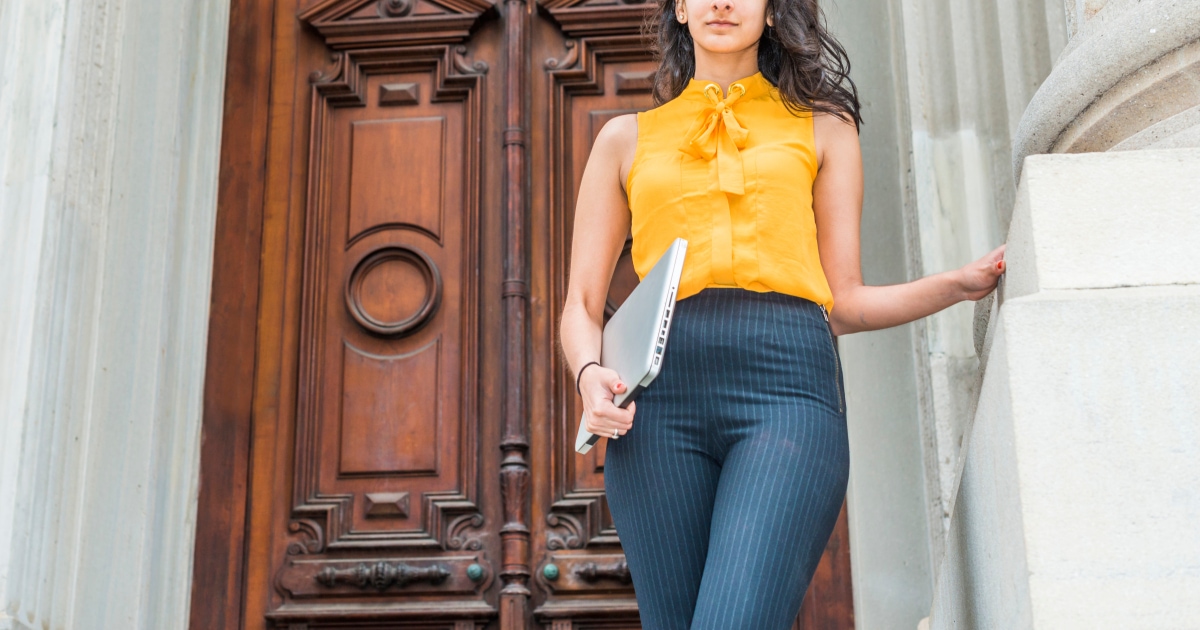
Credit: corporette.com
What Should I Do If My Workplace Doesn’t Allow Sleeveless Clothing?
If sleeveless clothing isn’t allowed, opt for short-sleeved or cap-sleeve tops, or wear lightweight layers. Keep a cardigan or blazer handy for extra coverage. If you feel the rule is unfair or unclear, talk to your HR department for guidance.
Choosing what to wear at work isn’t always easy, but with the right knowledge and a little planning, you can feel comfortable, confident, and professional—sleeveless or not.
