

Business Casual Tips for Men: Look Sharp and Stay Professional
Business Casual Tips For Men
Business casual is a popular dress code for offices, meetings, and networking events. For many men, it feels confusing. What is business casual, really? Is it about comfort, style, or just “not a suit”? Getting it right helps you look professional and approachable.
But mistakes can make you look sloppy or out of place. This guide will show you how to master business casual, avoid common errors, and build outfits that work anywhere.
What Is Business Casual?
Business casual means professional but relaxed. You don’t need a suit and tie, but you should look neat and polished. It’s a middle ground between formal business wear and casual street clothes. Think dress shirts, chinos, loafers—not jeans and sneakers.
Different companies have different rules. In some places, business casual is very close to formal. In others, it is much more relaxed. If you are unsure, start with classic pieces: dress slacks, a button-down shirt, and leather shoes. You can always adjust later.
Essential Business Casual Pieces
Every man should have a few key items for business casual. These are the building blocks of your wardrobe.
Dress Shirts
Choose solid colors or subtle patterns. White, light blue, or pale pink are always safe. Shirts should be clean, pressed, and fit well—not too tight or too loose. Avoid shirts with bold logos or flashy prints.
Chinos And Dress Pants
Chinos are a staple for business casual. They are comfortable, stylish, and work with almost anything. Dress pants (also called slacks) are more formal but still part of business casual. Choose colors like navy, beige, gray, or black. Avoid athletic pants or denim unless your office allows it.
Blazers And Sport Coats
A blazer adds instant polish. It’s less formal than a suit jacket but still sharp. Choose simple colors and avoid flashy buttons. A sport coat is similar but usually made from textured fabric. Both are great for meetings or when you want to look more professional.
Sweaters And Cardigans
Layering is key. A V-neck sweater or cardigan over a dress shirt looks smart and keeps you warm. Stick to classic colors and fabrics. Avoid hoodies, graphic sweaters, or anything too casual.
Shoes
Leather shoes are best. Loafers, derbies, or oxfords work well. Avoid sneakers or sandals. Shoes should be clean and polished. Dark brown or black are safe choices.
Belts And Accessories
A simple leather belt matches your shoes and finishes your look. Watches, cufflinks, or tie bars can add style, but keep them subtle. Avoid flashy jewelry or oversized watches.
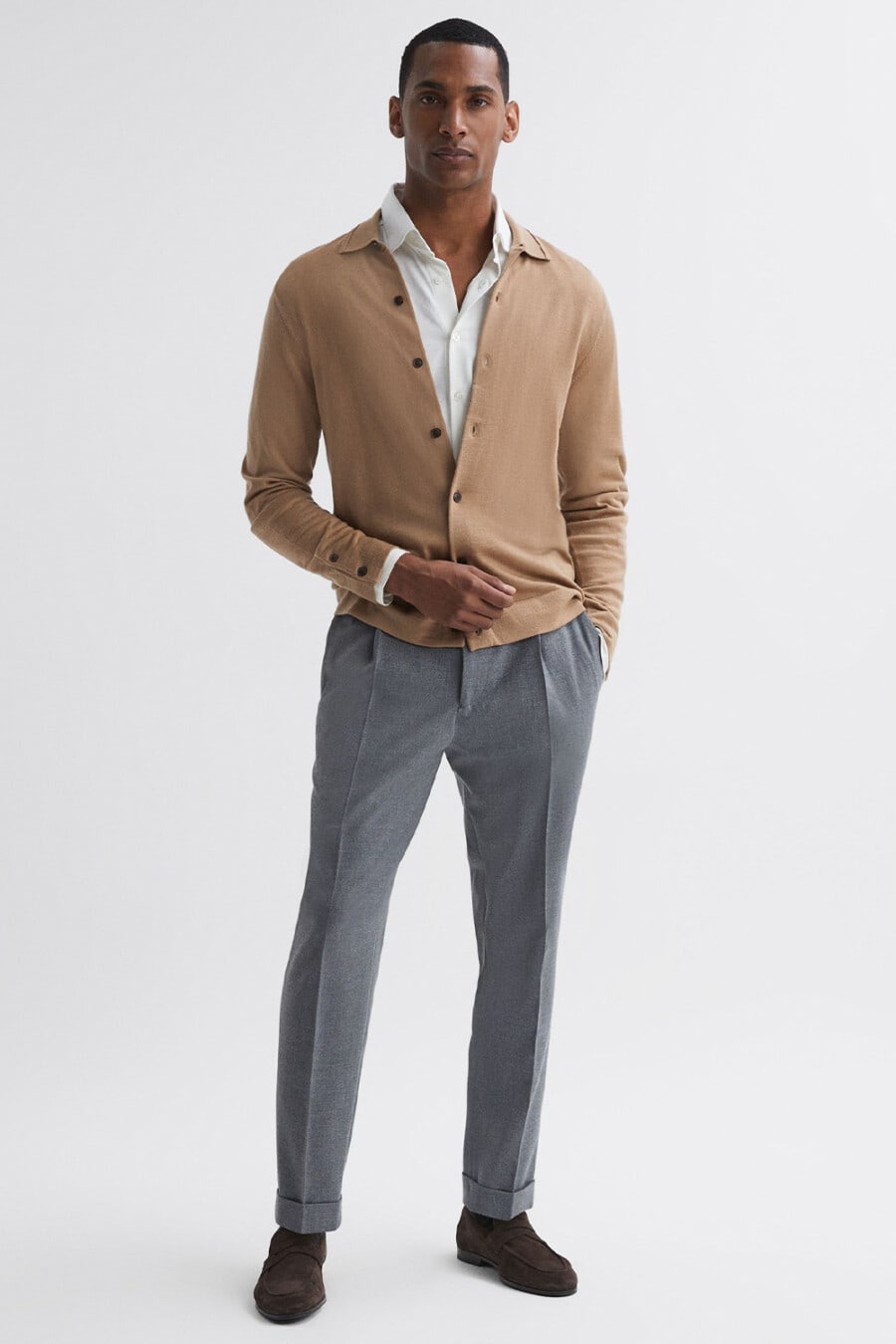
Credit: www.milosbreeze.gr
Business Casual Vs. Formal Vs. Casual
Understanding the differences helps you make good choices. Here’s a quick comparison:
| Dress Code | Typical Outfit | Occasions |
|---|---|---|
| Formal | Suit, tie, dress shirt, dress shoes | Interviews, board meetings, weddings |
| Business Casual | Dress shirt, chinos, blazer, loafers | Office, presentations, networking |
| Casual | T-shirt, jeans, sneakers | Weekend, informal gatherings |
Building A Business Casual Wardrobe
Starting from scratch? Focus on versatile pieces that mix and match.
1. Shirts
- White, light blue, pale pink, or gray dress shirts
- Subtle stripes or checks are okay
2. Pants
- Navy or beige chinos
- Gray or black dress pants
3. Jackets
- Navy or charcoal blazer
- Textured sport coat for variety
4. Sweaters
- V-neck or crew-neck in neutral colors
5. Shoes
- Brown or black leather loafers
- Clean, simple derbies
6. Accessories
- Leather belt matching shoe color
- Classic watch
You don’t need many items. With 3 shirts, 2 pants, 1 blazer, and 1 pair of shoes, you can create many combinations. This saves money and space.
How To Combine Outfits
Mixing pieces is key. You can look different every day without buying many clothes.
Sample Combinations
- Light blue shirt + navy chinos + brown loafers
- White shirt + gray dress pants + black belt + charcoal blazer
- Pale pink shirt + beige chinos + navy sport coat
Don’t match everything exactly. If your pants are navy, try a lighter jacket or shirt. Brown shoes go well with navy or beige pants.
Layering For Seasons
In cooler months, add a sweater over your shirt. In summer, skip the jacket and wear lighter fabrics. Make sure your clothes are clean and pressed.
Fit Matters Most
Good fit is the secret to looking sharp. No matter the price, clothes that fit well make a big difference.
How To Check Fit
- Shoulders: Seams should sit at the edge of your shoulders
- Sleeves: End at your wrist, not past your hand
- Pants: Waist should fit without a belt, length should touch your shoes
- Shirt: No bulging or pulling when buttoned
If possible, visit a tailor. Small changes, like adjusting sleeves or pants length, can make cheap clothes look expensive.
Choosing Colors And Patterns
Sticking to simple colors makes outfits easy. Navy, gray, beige, and white work well together. You can add color with a shirt or accessories, but avoid too many bright colors.
Patterns
Subtle stripes or checks are fine. Avoid loud prints or big logos. If your shirt has a pattern, keep your pants and jacket simple.
Color Pairing Table
Here’s how to mix common business casual colors:
| Shirt Color | Pants Color | Shoe Color | Jacket Color |
|---|---|---|---|
| White | Navy | Brown | Charcoal |
| Light Blue | Beige | Brown | Navy |
| Pale Pink | Gray | Black | Navy |
| Gray | Black | Black | Charcoal |
Common Business Casual Mistakes
Many men make small mistakes with business casual. Avoid these to look your best.
1. Wearing Jeans Or T-shirts
Unless your office allows it, jeans and T-shirts are too casual. Stick to chinos and dress shirts.
2. Untucked Shirts
A shirt hanging loose looks sloppy. Always tuck in your shirt for business casual.
3. Dirty Or Worn Shoes
Shoes matter. Scuffed or dirty shoes ruin your look. Clean and polish them often.
4. Over-accessorizing
Too many accessories distract from your outfit. Keep it simple: a belt, watch, and maybe a tie bar.
5. Wearing Athletic Wear
Sweatpants, hoodies, and sneakers are not business casual. Save them for the gym.
6. Ignoring Fit
Baggy or tight clothes look unprofessional. Get clothes tailored if needed.
7. Mixing Formal And Casual Wrong
Don’t wear a suit jacket with jeans. Don’t pair dress shoes with shorts. Keep your pieces balanced.
Dressing For Different Workplaces
Business casual changes with industry and company culture. Always check your company’s dress code.
Corporate Offices
Usually more formal. Stick to dress shirts, slacks, blazers, and leather shoes. Avoid denim and loud patterns.
Startups And Tech Companies
Often more relaxed. Chinos, polos, and sweaters are common. Sneakers may be allowed, but keep them clean.
Creative Agencies
You can add style with colors and patterns. Try a patterned shirt or bold socks, but don’t go overboard.
Client Meetings
Dress a bit more formally. Add a blazer or wear dress pants. First impressions matter.
Practical Tips For Everyday Business Casual
Here are some tips to make business casual easy and comfortable.
1. Plan Your Outfits
Lay out clothes the night before. This saves time and helps avoid mistakes.
2. Keep Clothes Clean
Wash and press shirts and pants regularly. Wrinkled clothes look careless.
3. Rotate Shoes
Don’t wear the same pair every day. Rotating shoes keeps them fresh and lasts longer.
4. Invest In Quality Basics
Spend more on pants and shoes. These last longer and look better. Cheap shirts can be replaced often.
5. Use Layers
Sweaters and jackets add style and warmth. Layering helps you adjust to changing temperatures.
6. Store Clothes Properly
Hang shirts and jackets. Fold pants neatly. This prevents wrinkles and damage.
7. Personal Grooming
Your clothes matter, but so does grooming. Keep hair neat, shave or trim beard, and use deodorant.
Business Casual In Hot Weather
Warm weather can make business casual difficult. Sweat and heat ruin comfort and style.
Fabrics
Choose cotton, linen, or light blends. These breathe better than wool or synthetic fabrics.
Colors
Light colors reflect heat. White, beige, or pale blue help you stay cool.
Accessories
Skip heavy ties or thick belts. Choose simple, lightweight pieces.
Shoes
Loafers or slip-on shoes are cooler than boots. Avoid heavy socks.
Business Casual For Travel
When traveling for work, you need outfits that pack well and look good.
Wrinkle-free Clothes
Choose shirts and pants made from wrinkle-resistant fabric. Hang clothes in the bathroom while showering; steam helps remove wrinkles.
Versatile Pieces
Pack items that work in many combinations. One blazer, two shirts, two pants, and one pair of shoes are enough for most trips.
Compact Accessories
Small, simple accessories save space. Avoid bulky watches or belts.
Business Casual For Special Events
Not every event is the same. Adjust your outfit for presentations, dinners, or conferences.
Presentations
Wear a blazer or sport coat. Choose a simple shirt and pants. Avoid distracting colors or patterns.
Company Dinners
Dress up a bit. A sharp blazer and nice shoes show respect. Avoid casual outfits.
Conferences
Comfort is key. Wear layers and comfortable shoes. You may walk or stand for hours.
Business Casual For Older And Younger Men
Age affects style, but business casual works for everyone.
Older Men
Choose classic colors and simple patterns. Focus on fit and quality. Avoid trendy items.
Younger Men
You can add modern touches. Try slim-fit pants or patterned shirts, but keep it professional.
Business Casual For Different Body Types
Every body type needs different fits.
Slim Men
Slim-fit shirts and pants work best. Avoid baggy clothes.
Athletic Men
Look for shirts with room in the shoulders and chest. Tapered pants balance your shape.
Bigger Men
Choose clothes with structure. Avoid tight fits. Dark colors and vertical stripes can slim your look.
Updating Your Wardrobe Over Time
Fashion changes, but business casual stays simple. Update your wardrobe by replacing worn items and adding new basics.
How Often To Update
- Shoes: Every 2-3 years
- Shirts: Every 1-2 years
- Pants: Every 2-3 years
- Blazers: Every 3-4 years
Signs You Need To Update
- Clothes are stained or damaged
- Clothes no longer fit
- Styles look outdated
Budget-friendly Business Casual
You don’t need to spend much to dress well.
Where To Shop
Discount stores, online retailers, and outlet malls offer deals. Look for sales and buy basics in bulk.
What To Spend More On
Invest in shoes and pants. Shirts and accessories can be cheaper.
Avoiding Mistakes
Don’t buy trendy items you won’t wear. Stick to classic pieces.
Business Casual For Remote Work
Working from home doesn’t mean pajamas. Business casual helps you feel professional and ready for video calls.
Tips For Remote Work
- Wear a dress shirt or polo during calls
- Keep pants comfortable but presentable
- Groom yourself as if going to the office
Non-obvious Insights For Beginners
Many guides miss these points:
- Fabric choice matters more than you think. Cotton blends wrinkle less and are easier to care for. Pure cotton can look great but needs ironing.
- Small tailoring tweaks (like shortening sleeves or tapering pants) make cheap clothes look custom-made. Many dry cleaners offer simple tailoring.
- Dress codes shift over time. Watch what managers wear, not just HR guidelines. The office culture often sets the real standard.
- Quality over quantity. A few well-fitted pieces beat a closet full of cheap, ill-fitting clothes.
Business Casual Myths
Some ideas about business casual are wrong.
Myth 1: Business Casual Means No Tie
You can wear a tie if you want. It’s not forbidden—just not required.
Myth 2: Sneakers Are Always Allowed
Some offices allow sneakers, but only clean, simple ones. Check the dress code before wearing them.
Myth 3: Any Polo Is Business Casual
Some polos are too casual. Choose ones in solid colors with no big logos.
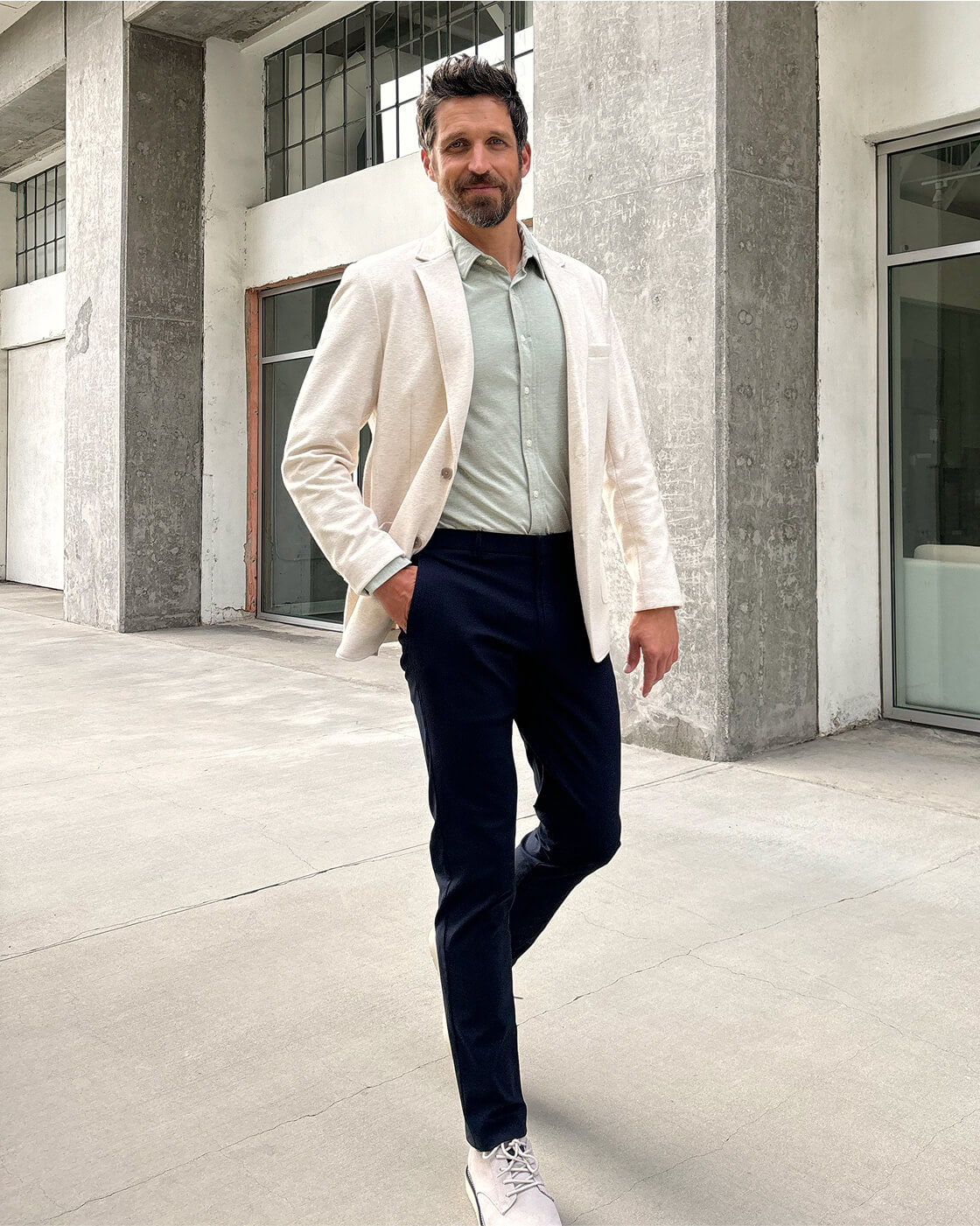
Credit: www.stitchfix.com
Data On Business Casual Trends
According to a survey by the Society for Human Resource Management, over 50% of US workplaces use business casual as their main dress code. Employees report feeling more comfortable and productive when allowed to dress business casual. Offices with business casual policies see higher retention rates, as workers feel more trusted and respected.
Business Casual Around The World
Business casual is not the same everywhere. In Europe, it’s often more formal. In Asia, some companies prefer conservative colors and simple styles. Always research local customs before traveling for work.
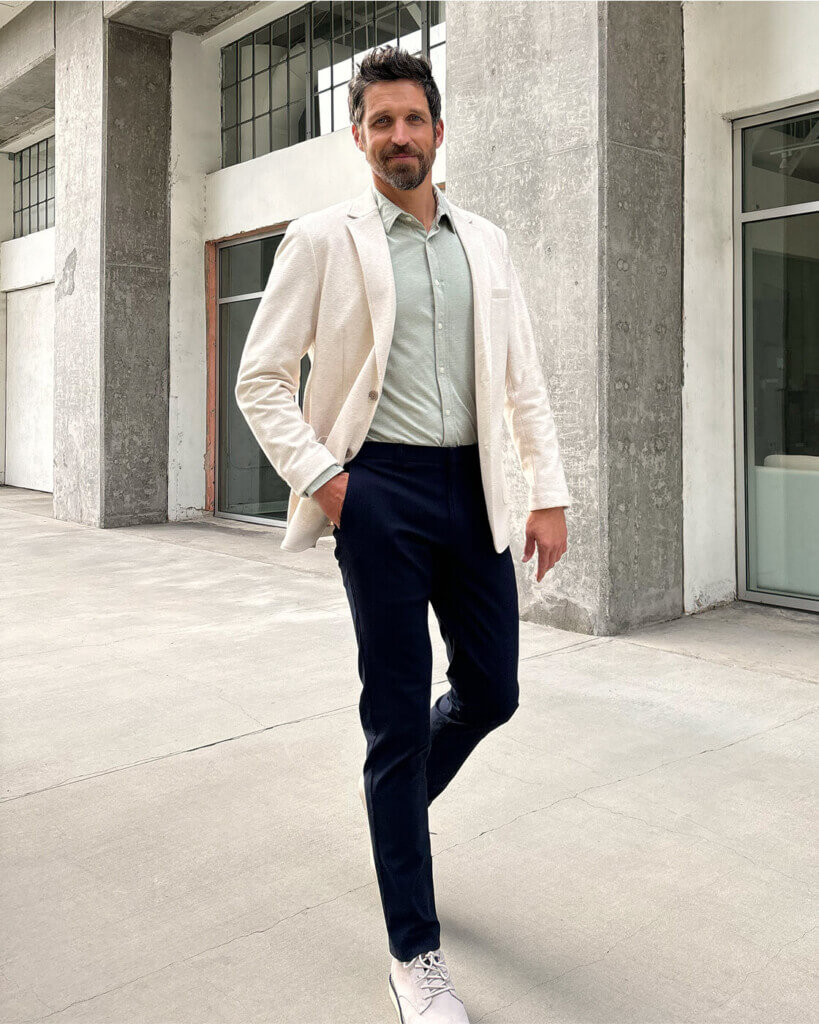
Credit: www.stitchfix.com
Quick Business Casual Checklist
- Dress shirt (pressed, clean)
- Chinos or dress pants (fit well)
- Blazer or sport coat (optional)
- Leather shoes (polished)
- Belt matching shoe color
- Simple accessories (watch, tie bar)
- Neat hair and grooming
Frequently Asked Questions
What Is The Difference Between Business Casual And Smart Casual?
Business casual is more formal than smart casual. Business casual includes dress shirts, slacks, and leather shoes. Smart casual may include jeans, polos, and clean sneakers. Business casual is expected in most offices, while smart casual is for after-work events.
Can I Wear Jeans For Business Casual?
Usually, jeans are not allowed for business casual. Some modern offices allow dark, clean jeans, but traditional business casual means chinos or dress pants. Always check your company’s policy before wearing jeans.
Are Sneakers Acceptable In Business Casual?
Most companies do not allow sneakers in business casual. If sneakers are allowed, they should be clean and simple. Leather shoes like loafers or derbies are safer choices.
How Do I Keep My Business Casual Clothes Looking New?
Wash and press your shirts and pants regularly. Hang clothes to avoid wrinkles. Clean shoes often. Rotate your outfits so nothing wears out quickly. Small tailoring fixes help clothes fit and last longer.
Where Can I Find More Information About Business Casual Dress Codes?
You can learn more about business casual dress codes from Wikipedia. This source explains the differences and history of business casual, with details for men and women.
Mastering business casual is simple once you know the basics. Start with clean, well-fitting clothes. Mix classic pieces, avoid common mistakes, and pay attention to your office culture. With these tips, you will always look sharp, professional, and ready for success.
