

Is It Ok to Wear Gym Gloves? Pros, Cons, and Expert Advice
Is It Ok To Wear Gym Gloves
Have you ever looked around your gym and noticed some people wearing gloves while lifting weights? Maybe you have wondered if you should use them too. Gym gloves, also known as workout gloves or lifting gloves, are a common sight in fitness centers. But there is often confusion about whether they are helpful or just a fashion accessory. Are they only for beginners, or do serious lifters use them as well? Do they protect your hands or limit your progress? This article will give you a complete, clear answer to the question: Is it ok to wear gym gloves? We will look at the benefits, drawbacks, science, opinions from experts, and practical tips. By the end, you will know if gym gloves are right for you, and how to use them correctly if you choose to try them.
What Are Gym Gloves?
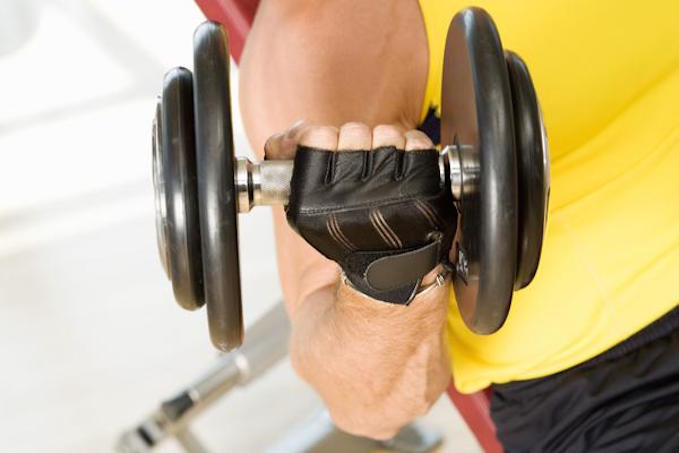
Gym gloves are special gloves designed for exercise, mainly weightlifting or strength training. They are usually made from materials like leather, synthetic leather, neoprene, or mesh. Most gym gloves cover the palm and fingers, but some only cover the palm and leave the fingers exposed (half-finger gloves).
They often have extra padding where your hand meets the barbell or dumbbell.
The main purpose of gym gloves is to create a barrier between your skin and the exercise equipment. This can help reduce friction, prevent blisters, and improve grip. Some gloves also have wrist wraps for extra support.
Types Of Gym Gloves
There are several types of gym gloves, each with its own features:
- Full-finger gloves: Cover the entire hand and all fingers. Good for extra protection.
- Half-finger gloves: Leave the tips of the fingers free for better movement and feel.
- Padded gloves: Have extra cushioning on the palm for more comfort.
- Wrist wrap gloves: Include straps that wrap around the wrist for support.
- Grip-enhancing gloves: Made from materials that improve traction and prevent slipping.
Each type has its place, depending on your needs and preferences.
Why Do People Wear Gym Gloves?
Wearing gym gloves is a personal choice. Here are some of the most common reasons people use them:
- Hand protection: Gloves prevent blisters, calluses, and skin tears caused by repeated friction against weights.
- Better grip: Sweaty or oily hands can make it hard to hold onto weights. Gloves help you keep a secure hold.
- Comfort: Some people find weights uncomfortable or painful to grip, especially during heavy lifts.
- Wrist support: Gloves with wrist wraps add extra stability, which is useful for exercises that stress the wrist.
- Confidence: Some beginners feel more confident with gloves, as they reduce the fear of dropping weights.
However, not everyone agrees that gloves are necessary, and some lifters avoid them completely.
Benefits Of Wearing Gym Gloves
Let’s look at the main benefits of using gym gloves in more detail.
1. Reduces Blisters And Calluses
When you grip a barbell or dumbbell, the skin on your palms faces a lot of pressure and friction. Over time, this can create blisters (painful fluid-filled bumps) or calluses (hard, thickened skin). These are common, especially for beginners or people who lift heavy weights often. Gym gloves add a layer between your skin and the metal, reducing direct contact and lowering the risk of skin damage.
2. Improves Grip Strength
Sweaty hands are a real problem, especially in hot gyms or during long workouts. Wet skin can slip on metal bars, making it hard to hold onto weights safely. Many gym gloves use materials that are less slippery, even when damp. This means you can focus on your form without worrying about dropping the weight.
3. Increases Comfort
Some exercises, like pull-ups or deadlifts, can feel uncomfortable if your hands are sensitive. The hard, rough surface of the bar can dig into your skin. Padded gloves spread out the pressure, making these exercises more comfortable, especially for people new to strength training.
4. Provides Wrist Support
Certain gloves come with built-in wrist wraps. These straps go around your wrist and offer extra support, reducing the risk of injury during lifts that put a lot of stress on the wrist joint (like bench press or overhead press).
This is especially useful for people with weak wrists or those recovering from injuries.
5. Boosts Confidence For Beginners
If you are new to the gym, using gloves can help you feel more secure. You may be less worried about dropping weights or tearing your skin. This can help you try new exercises and build good habits.
6. Protects Hands From Germs
Gym equipment is touched by many people, and not all of them clean their hands. Gloves create a barrier between your skin and shared equipment, lowering your risk of picking up germs or bacteria.
7. Can Help With Certain Medical Conditions
If you have skin problems like eczema, or if your skin is sensitive to nickel or other metals, gym gloves can help protect your hands from irritation.
Drawbacks Of Wearing Gym Gloves
While there are clear benefits, wearing gym gloves is not always the best choice for everyone. Here are some reasons why some people avoid them.
1. May Weaken Natural Grip
Your hands have small muscles that control grip strength. Some trainers believe that using gloves all the time can make these muscles weaker over time because the gloves do too much of the work. If you want to improve your grip strength, lifting with bare hands may be better.
2. Can Change Your Feel For The Bar
When you wear gloves, you lose some tactile feedback—the feeling of your skin against the bar. This can make it harder to feel exactly how the bar is moving or if your grip is slipping. Many advanced lifters prefer to feel the bar directly for better control.
3. May Make The Bar Thicker
Gloves add a layer of material between your hand and the bar, making the bar feel thicker. This can make some exercises harder, especially for people with small hands or during heavy lifts like deadlifts.
4. Not Always Hygienic
If you do not wash your gloves regularly, they can collect sweat, bacteria, and bad smells. Dirty gloves can actually be worse than no gloves for hygiene.
5. Some Gyms Do Not Allow Gloves
A few gyms, especially those focused on powerlifting or Olympic lifting, do not allow gloves. This is usually to keep the equipment in good shape and to encourage lifters to build natural grip strength.
6. May Cause Over-reliance
Some people become so used to wearing gloves that they struggle to lift without them. This can be a problem if you forget your gloves or want to lift in a different gym.
Gym Gloves Vs. Bare Hands: A Direct Comparison
To make things clearer, here is a direct comparison between wearing gym gloves and lifting with bare hands.
| Feature | Gym Gloves | Bare Hands |
|---|---|---|
| Hand Protection | High | Low |
| Grip Strength | Improved with sweaty hands | Stronger natural grip |
| Comfort | More comfortable | Depends on callus buildup |
| Tactile Feedback | Reduced | Full |
| Hygiene | Better if cleaned regularly | Risk from direct contact with equipment |
| Wrist Support | Available in some gloves | None unless using wrist wraps |
| Maintenance | Need to clean gloves | No extra maintenance |
As you can see, both options have strong points and weaknesses. The best choice depends on your goals and preferences.
What Does Science Say About Gym Gloves?
There is limited direct research on gym gloves, but some studies and expert opinions offer useful insights.
Grip Strength And Performance
Some sports scientists suggest that bare-hand lifting helps train your grip muscles more effectively. A strong grip is important for many sports and daily activities. If gloves are too padded or thick, they may actually reduce grip strength over time.
However, other research shows that gloves can help maintain grip in situations where sweat is a problem. For example, in studies on rock climbing (which also relies on grip), gloves or chalk helped climbers keep holding onto rocks longer when their hands were sweaty.
Injury And Hand Health
Blisters and calluses are common in people who lift heavy weights or do lots of pull-ups. Gloves can prevent these injuries, especially in beginners. There is also some evidence that wrist support gloves can reduce the risk of wrist injuries during certain exercises.
Hygiene And Infection Risk
A study of gym equipment found that shared weights can have high levels of bacteria. Wearing gloves can reduce skin contact and lower the chance of picking up germs. However, gloves that are not cleaned can also become a source of bacteria.
Psychological Effects
Some lifters feel more confident and less worried about injuries when they wear gloves. This can help them stick with their training and make faster progress, especially at the start.
Credit: caliberstrong.com
When Should You Use Gym Gloves?
Gym gloves are not for everyone, but there are times when they can be especially helpful:
- You are a beginner and want to avoid blisters and calluses.
- Your hands sweat a lot, making bars slippery.
- You have sensitive skin or medical conditions that affect your hands.
- You are recovering from a wrist injury and need extra support.
- You train in a busy gym and want to avoid direct contact with equipment.
- You do high-rep sets or long workouts where hand fatigue is a problem.
On the other hand, if you want to build maximum grip strength, or if you are training for competitive lifting, you may prefer to train without gloves.
How To Choose The Right Gym Gloves
If you decide to try gym gloves, picking the right pair is important. Here are factors to consider:
1. Fit And Comfort
Gloves should fit snugly but not be too tight. Look for adjustable straps or closures. Try them on if possible. A glove that is too loose will slide and cause blisters. Too tight, and it will cut off circulation.
2. Material
- Leather: Durable and offers a good grip, but can be hot and stiff.
- Synthetic leather: Lighter and more flexible.
- Neoprene or mesh: Good for breathability and less sweat build-up.
3. Padding
More padding means more comfort but can reduce your feel for the bar. Think about what exercises you do most. For heavy lifting, less padding is usually better. For high-rep workouts, extra padding can help.
4. Wrist Support
If you want wrist protection, look for gloves with built-in wraps. These can be tightened or loosened as needed.
5. Finger Coverage
Half-finger gloves give better movement and feedback. Full-finger gloves offer more protection but can be hotter and less flexible.
6. Durability And Maintenance
Check how easy the gloves are to wash. Some can go in the washing machine, others must be hand-washed. Consider how often you want to clean them.
7. Price
You do not need to buy the most expensive gloves. Look for good reviews and a fair price. Sometimes, simple designs work best.
Common Mistakes When Using Gym Gloves
Even if you choose the best gloves, mistakes can reduce their benefits.
- Not cleaning gloves regularly: Sweat and bacteria can build up fast. Wash gloves after every few uses.
- Wearing gloves that are too tight or too loose: Poor fit leads to blisters or poor grip.
- Using gloves for every exercise: Some exercises, like bench press or squats, may not need gloves.
- Ignoring calluses: Even with gloves, some callus can form. File them gently to avoid painful tears.
- Over-relying on gloves: Try training without gloves sometimes to build natural grip strength.
Alternatives To Gym Gloves
If you are not sure about gloves, there are other options to protect your hands or improve grip.
1. Chalk
Gym chalk (magnesium carbonate) absorbs sweat and improves grip. It is popular in powerlifting and gymnastics. However, not all gyms allow chalk because it can make a mess.
2. Lifting Straps
Straps wrap around your wrist and the bar, helping you hold heavy weights. They are useful for deadlifts and rows but should not be used all the time, as they do not train your grip.
3. Liquid Grip
A liquid version of chalk that dries quickly on your hands. It is less messy and allowed in more gyms.
4. Grips And Pads
Small pads or grip aids sit between your hand and the bar. They protect against blisters but do not cover the whole hand.
Here’s a quick comparison of these alternatives:
| Alternative | Main Use | Pros | Cons |
|---|---|---|---|
| Chalk | Grip enhancement | Improves grip, low cost | Messy, not allowed everywhere |
| Lifting Straps | Heavy lifts | Helps with very heavy weights | Does not train grip, takes time to set up |
| Liquid Grip | Sweaty hands | Easy to use, less messy | Needs reapplying, can dry skin |
| Grip Pads | Callus prevention | Portable, protects specific areas | Can slip, not as secure as gloves |

Credit: www.menshealth.com
Real-world Opinions: What Do Trainers And Lifters Say?
Opinions about gym gloves are divided, even among experts.
- Some trainers recommend gloves for beginners or those with sensitive skin, but suggest phasing them out as you get stronger.
- Many experienced lifters avoid gloves because they want to build their natural grip and prefer the feel of the bar.
- CrossFit and Olympic lifting coaches often discourage gloves, as these sports require a strong, natural grip and fast hand movements.
- Personal trainers at commercial gyms may suggest gloves for clients who complain about hand pain or blisters.
One non-obvious insight is that some lifters use gloves only for certain exercises, like pull-ups or kettlebell swings, but not for barbell lifts. This hybrid approach lets you protect your hands where needed, but still train your grip on key exercises.
Non-obvious Insights Most Beginners Miss
- Glove Thickness Matters: Many people buy thick, heavily padded gloves thinking they are better. In reality, too much padding can weaken your grip and make the bar feel unstable. Often, thinner gloves give better performance.
- You Can Mix and Match: You do not need to use gloves for every set or every exercise. For example, use gloves for high-rep pull-ups but go bare-handed for deadlifts to train your grip. This flexible approach helps you get the best of both worlds.

Credit: www.gympaws.com
How To Care For Your Gym Gloves
Taking care of your gloves extends their life and keeps them hygienic.
- Wash gloves regularly (at least once a week) to remove sweat and bacteria.
- Dry gloves completely before storing to prevent bad smells and mold.
- Check for wear and tear: Replace gloves if they develop holes or lose their grip.
- Store in a cool, dry place: Avoid leaving gloves in your gym bag for days.
Following these steps helps your gloves stay fresh and effective.
Who Should Avoid Gym Gloves?
Some people are better off not using gym gloves:
- Competitive lifters who must follow strict rules about equipment.
- People with very small hands, as gloves can make the bar too thick to grip safely.
- Anyone allergic to glove materials.
- Lifters who want to maximize grip strength and hand conditioning.
The Bottom Line: Is It Ok To Wear Gym Gloves?
The answer is clear: Yes, it is ok to wear gym gloves—if they help you train better, protect your hands, or give you more confidence. There is no rule against them, and many people find them useful, especially when starting out or dealing with specific hand issues. However, gloves are not a must-have for everyone. If you care about building maximum grip strength or enjoy the feel of the bar in your hands, you may prefer to train without them.
The most important thing is to make a choice based on your needs, not what others do. If you choose gloves, pick a pair that fits well, is easy to clean, and suits your style of training. And remember, you can always switch between gloves and bare hands as your fitness journey continues.
If you want to read more about the science of hand grip and exercise equipment, the Weight Training Wikipedia page offers a good overview.
Frequently Asked Questions
Should I Use Gym Gloves As A Beginner?
Yes, many beginners benefit from gym gloves. They help prevent blisters and calluses, making it easier to focus on learning proper form. Gloves can also boost your confidence when you are new to lifting. As you become more experienced, you can decide if you want to keep using them or try lifting with bare hands.
How Often Should I Wash My Gym Gloves?
You should wash your gym gloves after every few uses, or at least once a week. This helps remove sweat, bacteria, and prevent bad smells. Always dry your gloves completely before using them again to avoid mold or mildew.
Do Gym Gloves Really Improve My Grip?
Gym gloves can improve your grip if your hands get sweaty or if you struggle to hold onto bars. However, they may not build your grip strength as much as lifting with bare hands. If grip is your main weakness, you may want to mix glove use with bare-hand training.
Can I Use Gym Gloves For All Exercises?
You can use gym gloves for most strength training exercises, especially those that stress the hands, like pull-ups or deadlifts. However, some exercises, like bench press or squats, may not need gloves. You can also mix glove use based on comfort and training goals.
Are There Any Good Alternatives To Gym Gloves?
Yes, there are alternatives like chalk, lifting straps, liquid grip, and grip pads. Each has its own advantages and drawbacks. Chalk is popular for improving grip, while straps help with heavy lifts. Try different options to see what works best for you.
