

How to Wear Gym Straps: Master Proper Technique for Better Lifts
Wrist pain, sweaty hands, and grip fatigue often make weightlifting harder than it needs to be. Many people see gym straps at the gym but don’t know how to use them correctly. Some even buy them, try them once, and give up because they slip or feel awkward. But when used right, gym straps can help you lift heavier, target your muscles better, and protect your wrists.
This guide covers everything you need to know about how to wear gym straps. Whether you’re a beginner or have been lifting for a while, you’ll find practical advice, step-by-step instructions, and tips to get the most from your straps. You’ll learn how to choose the right type, wear them for different exercises, avoid common mistakes, and care for your straps so they last longer.
What Are Gym Straps And Why Use Them?
Gym straps are long, strong pieces of fabric or leather that you wrap around your wrists and the barbell or dumbbell. Their main job is to help you grip weights more securely. This can make a huge difference, especially for pulling exercises like deadlifts, rows, and pull-ups.
Benefits Of Using Gym Straps
- Improve grip strength: If your hands get tired before your back or legs, straps help you keep going.
- Lift heavier weights: They let you focus on the target muscle instead of worrying about your grip.
- Reduce calluses and blisters: Less direct friction on your hands.
- Protect wrists: They add a layer of support, lowering your injury risk.
- Train through sweaty hands: No more slipping from sweat or chalk.
It’s important to know that gym straps are a tool. They should not replace grip training. But for heavy lifting days, high reps, or when your grip is a limiting factor, they’re extremely helpful.
Different Types Of Gym Straps
Not all gym straps are the same. Choosing the right one depends on your goals, comfort, and the exercises you do most. Here’s a look at the main types:
| Type | Key Features | Best For |
|---|---|---|
| Lifting Straps | Simple loop, flat strip, cotton or nylon | Deadlifts, rows, shrugs |
| Figure-8 Straps | Fixed double loop, secure hold | Very heavy deadlifts, powerlifting |
| Hook Straps | Metal hooks, padded wrist support | Beginners, those with weak grip |
| Olympic Straps | Shorter, easy to release, often leather | Olympic lifts, quick releases |
Non-obvious Insight
Some people feel all straps are the same, but the material and length can make a big difference. Cotton straps are softer but may stretch. Nylon is stronger but less comfortable. Figure-8 straps lock you in but can be hard to remove quickly, which is important for some lifts.
When Should You Use Gym Straps?
It’s not necessary to use gym straps for every exercise. In fact, overusing them can stop your grip from getting stronger. Here’s when straps are most helpful:
- Heavy pulling movements: Deadlifts, bent-over rows, rack pulls, shrugs.
- High-rep sets: When your grip fails before your muscles do.
- Grip-limited exercises: Romanian deadlifts, weighted pull-ups, farmer’s walks.
- Injury recovery: If you have a hand or wrist injury (after consulting a doctor).
Avoid using straps for pushing movements like bench press, overhead press, or triceps exercises. For these, straps offer no real benefit.
How To Wear Regular Lifting Straps: Step-by-step
Most people use regular lifting straps, so let’s start here. These are long strips with one end looped.
- Thread the strap: Slide the loose end through the loop to make a circle. The flat side should face your hand.
- Place your hand through: Slide your hand through the circle. The end of the strap should hang down from your palm, not the back of your hand.
- Tighten the strap: Pull the end to tighten around your wrist. It should be snug but not cut off blood flow.
- Wrap the strap around the bar: With the bar in your palm, wrap the loose end under and around the bar. Go at least one full turn.
- Twist to tighten: Turn the bar slightly with your hand to wind up the strap. This locks it in place.
- Repeat for the other hand: Do the same steps for your other hand.
Visualizing The Wrapping Motion
Imagine you’re winding a tape around a pipe. The goal is for the strap to create friction so your hand won’t slip.
Extra Tip
Make sure the strap tail always points in the same direction as your thumb. This avoids awkward twisting and gives better support.
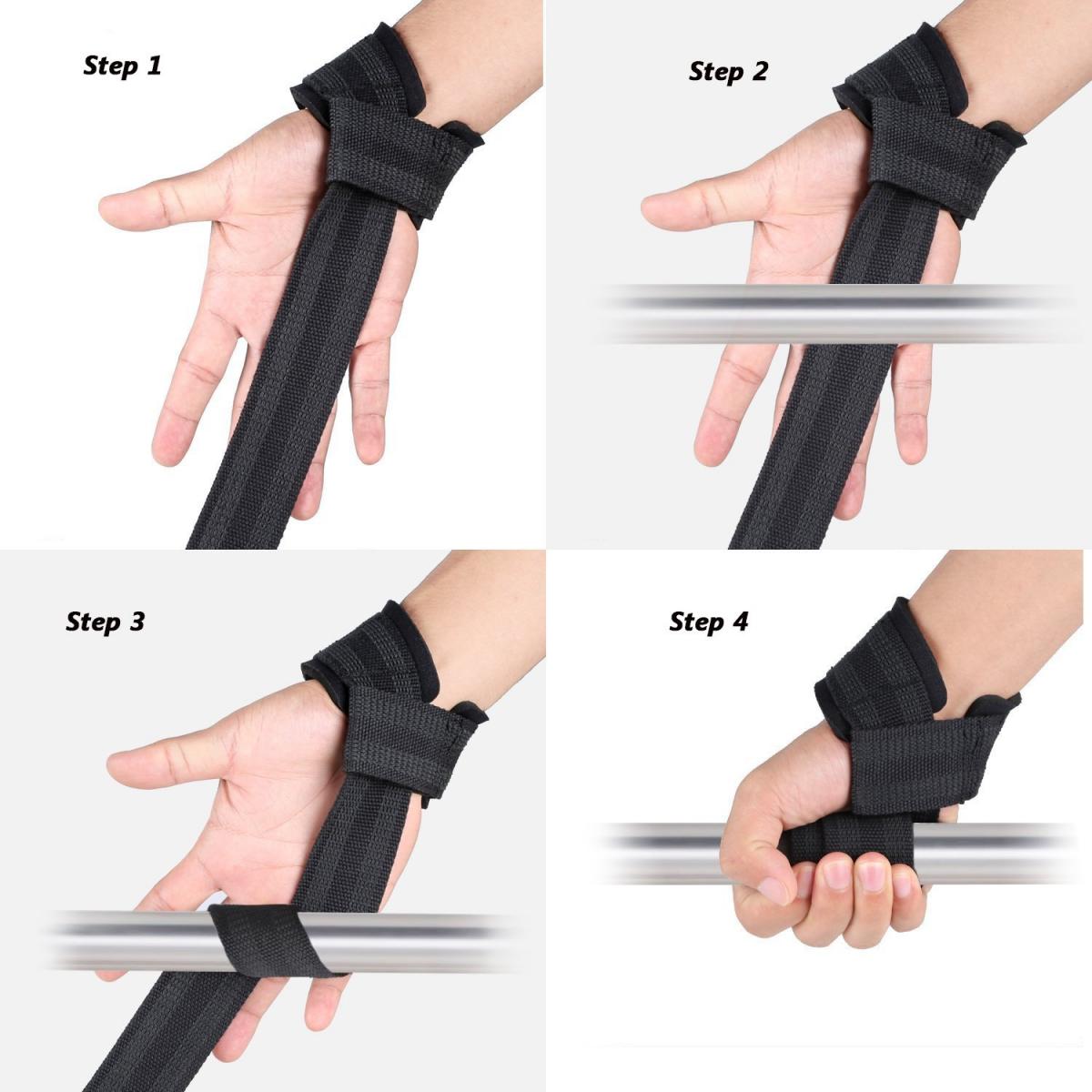
Credit: www.treballsdigitals.cat
How To Wear Figure-8 Straps
Figure-8 straps offer a stronger lock but need a different method.
- Hold both loops: Put your hand through one loop.
- Go under the bar: Pass the strap under the bar.
- Hand through the second loop: Slide your hand back through the other loop.
- Set your grip: The bar should now rest between the two loops, with your wrist locked in.
This type is great for heavy deadlifts but not for quick-release lifts.
How To Wear Hook Straps
Hook straps are the easiest to use, especially for beginners or those with hand injuries.
- Put on the wrist support: Fasten the Velcro or buckle around your wrist.
- Place the hook: The metal hook should point down and rest in your palm.
- Grab the bar: The hook will hold the weight, taking pressure off your fingers.
One downside is that hooks may not fit all bar sizes, and some lifters feel less “connected” to the bar.
How To Wear Olympic (speed) Straps
These are shorter and made for Olympic lifts that require fast release.
- Thread your hand: Like regular straps, but the strap is shorter.
- Wrap quickly: Make just one wrap around the bar.
- Keep grip light: These straps are for a little extra grip, not full support.
Common Mistakes When Wearing Gym Straps
Beginners often make small errors that reduce the benefit of gym straps or even cause accidents.
Wrapping The Strap Wrong Way
If the strap tail points away from your thumb, it can unwrap when you pull. Always check this before lifting.
Making The Strap Too Tight Or Too Loose
Too tight can cut off blood flow and cause pain. Too loose, and the strap slips, making your grip unstable.
Not Wrapping Enough Times
One wrap is usually enough for a standard bar. For thick bars, two wraps may help, but too many wraps make it hard to release quickly.
Using Straps For The Wrong Exercises
Using straps for bench press or squats is unnecessary and can even be dangerous.
Ignoring Strap Wear And Tear
Old, frayed straps can break under heavy loads. Check your straps often and replace them if needed.
How To Use Straps For Different Exercises
Each exercise has its own setup. Here’s how to adjust your strap use for the most common lifts.
Deadlifts
- Set the straps as above.
- Use a double-overhand grip. This is more comfortable with straps.
- Make sure the strap is tight before you pull.
- For heavy singles, use figure-8 straps if allowed.
Barbell Rows
- Wrap the straps but keep your grip relaxed.
- Let your back do the work, not your arms or grip.
- Re-tighten straps if they slip during sets.
Pull-ups And Chin-ups
- Wrap the strap around the pull-up bar once.
- Keep your wrists straight.
- Don’t over-rely on straps; mix in sets without them to build grip.
Dumbbell Shrugs
- Use regular or hook straps.
- Wrap tightly but leave some movement for wrist rotation.
- Great for high reps where grip usually fails first.
Romanian Deadlifts
- Straps help keep the bar close to your legs.
- Use a secure wrap, as the bar can roll in your hands.
Farmer’s Walk
- Straps can help you hold heavier weights longer.
- Make sure the straps are even on both hands for balance.
Choosing The Right Gym Straps For Your Needs
With so many options, picking the right strap can be confusing. Here’s what to consider:
| Factor | Why It Matters | Best Choice If... |
|---|---|---|
| Material | Cotton for comfort, nylon for durability, leather for both | You lift heavy often (nylon), need comfort (cotton) |
| Length | Longer for thick bars, shorter for speed | Olympic lifts (short), strongman (long) |
| Padding | Reduces wrist pressure | Sensitive wrists or injury history |
| Closure Type | Loop, hook, or figure-8 | Quick release needed (loop), max security (figure-8) |
Common Buyer Mistake
Many beginners buy the thickest, most padded straps, thinking they’re always better. But thick straps can be bulky, slow to wrap, and hard to fit on some bars. Sometimes, simple cotton straps are the most versatile.
How To Care For Your Gym Straps
Taking care of your straps means they’ll last longer and stay safe.
- Wash regularly: Hand wash in cold water and let air dry. Sweat and chalk can weaken fabric.
- Check for damage: Look for fraying, loose threads, or tears. Replace at the first sign of wear.
- Store dry: Keep in a dry bag; moisture can cause mold or bad smells.
- Avoid sharing: Using your own straps reduces risk of germs and skin infections.
When To Avoid Using Gym Straps
While straps are helpful, there are times you should avoid them:
- Grip training days: If you want to improve grip strength, do some sets without straps.
- Competitions: Most powerlifting or Olympic events don’t allow straps.
- Warming up: Use your warm-up sets to build grip endurance naturally.
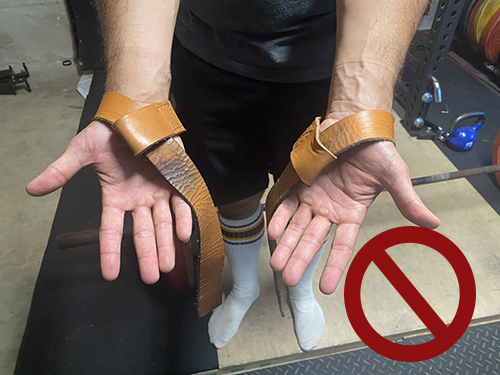
Credit: www.artofmanliness.com
Real-world Examples: How Lifters Use Gym Straps
- Competitive lifters: Use figure-8 straps for max deadlifts in training. This lets them focus on leg and back strength, not grip.
- Bodybuilders: Use cotton straps for high-rep rows and shrugs, so their grip doesn’t limit back or trap development.
- CrossFit athletes: Use shorter Olympic straps for quick-release moves like snatches and cleans.
- Beginners: Use basic loop straps for learning deadlifts, then gradually reduce use as grip improves.
Safety Tips And Injury Prevention
- Don’t wrap too tightly: You should feel support, not pain. Numbness is a sign of poor circulation.
- Release quickly if needed: Practice unwrapping before you try heavy weights.
- Never use damaged straps: A broken strap can cause dropped weights or injury.
- Listen to your body: If you feel wrist pain, stop and adjust your setup.
How To Progress Without Always Relying On Straps
Straps are a tool, not a crutch. Here’s how to balance their use:
- Use straps on your heaviest sets only. Do warm-ups without them.
- Train grip separately: Use exercises like farmer’s carries, plate pinches, or fat grips.
- Gradually reduce use: As your grip improves, save straps for only your hardest sets.
- Switch grip styles: Mix double-overhand, mixed grip, and hook grip to keep things fresh.
Cleaning And Maintenance: Step-by-step
- Hand wash: Use mild soap and cold water. Scrub gently.
- Rinse well: Remove all soap to avoid skin irritation.
- Air dry: Lay flat in a well-ventilated area.
- Avoid heat: Don’t put in the dryer; heat can damage the material.
This routine keeps straps clean and strong. Dirty straps not only smell but can also break down faster.

Credit: www.workoutforless.co.uk
Frequently Asked Questions
How Tight Should Gym Straps Be?
Straps should be snug but not painful. You want them secure enough so they don’t slip during a lift, but loose enough to allow some movement and blood flow. If your hands go numb, loosen them slightly.
Can Gym Straps Replace Grip Strength Training?
No, straps should not replace grip training. Use them as a tool to help you lift more, but include grip exercises in your routine. Overusing straps may lead to weaker hands in the long run.
Are Gym Straps Allowed In Competitions?
Most powerlifting and Olympic competitions do not allow gym straps for official lifts. Always check your event’s rules. In training, they’re fine, but practice without them if you plan to compete.
How Often Should I Replace My Gym Straps?
Check your straps every few months. If you see fraying, tears, or the strap feels weak, replace them. Heavy lifters or those training often should check more frequently.
Where Can I Learn More About Proper Lifting Gear?
For more in-depth information, visit the Weight Training Wikipedia page for details about lifting gear, safety, and technique.
Using gym straps the right way can boost your progress and keep you safe. Practice wrapping them correctly, use them only when needed, and don’t forget to take care of your grip strength too. That way, you’ll get the most from your training—and your straps.
