

Are Workout Clothes Necessary? Benefits You Should Know
Are Workout Clothes Necessary
Some people walk into the gym in old t-shirts and shorts, while others wear the latest sportswear. This leads to a common question: Are workout clothes necessary for exercise, or is it just a trend? The answer is more complex than a simple yes or no. The right clothing can impact your performance, comfort, and even motivation. But you don’t always need expensive branded gear to get results.
This article explores the real reasons behind choosing workout clothes, their benefits, and when you can skip them. You’ll also learn about the science of fabrics, common mistakes, and what factors matter most when picking gym wear. Whether you’re new to exercise or already active, this guide will help you make smarter choices for your workouts.
What Are Workout Clothes?
Workout clothes are specially designed garments for physical activity. These include tops, bottoms, sports bras, socks, underwear, and shoes. The main aim is to support movement, provide comfort, control sweat, and protect the body during exercise.
Common types of workout clothes are:
- Moisture-wicking shirts and shorts
- Stretchy leggings or pants
- Compression gear
- Supportive sports bras
- Breathable socks
- Athletic shoes
These are usually made from synthetic fibers like polyester or nylon, or natural fibers like cotton, sometimes blended to combine the best features of each.
Why Do People Wear Workout Clothes?
People choose workout clothes for several reasons. Some want better performance, while others look for comfort or confidence. The main reasons include:
- Moisture control: Many workout clothes pull sweat away from the skin.
- Movement support: They stretch and move with your body.
- Protection: Good workout gear can help prevent injuries, blisters, or chafing.
- Motivation: Wearing purpose-made clothes can make people feel more ready and focused.
- Hygiene: Athletic fabrics can reduce the buildup of bacteria and odors.
- Social/Style reasons: Some people like to look good or fit in at the gym.
While not all reasons are equally important, most people find at least one that matters to them.
The Science Behind Workout Fabrics
When you exercise, your body produces sweat to cool down. Regular cotton t-shirts absorb this sweat but stay wet, leading to discomfort and even chills. Workout clothes use special fabrics that:
- Wick moisture: Pull sweat from your skin to the surface, where it dries faster.
- Regulate temperature: Keep you cool or warm, depending on the weather and your needs.
- Reduce friction: Prevent skin irritation, especially in areas that rub together.
| Fabric Type | Main Benefit | Common Use |
|---|---|---|
| Polyester | Moisture-wicking | Shirts, shorts, leggings |
| Spandex/Lycra | Stretch and support | Compression gear, leggings |
| Merino Wool | Odor control, warmth | Socks, base layers |
| Cotton | Soft, breathable | Casual wear, light workouts |
Moisture-wicking fabrics are a game changer for high-intensity sports. They help keep your skin dry, reducing the risk of rashes and keeping you comfortable for longer. On the other hand, compression gear (made with spandex or elastane) can provide muscle support and may help reduce soreness after exercise.
Performance Benefits: Do Clothes Really Matter?
Many wonder if workout clothes can actually improve results. The answer depends on the activity and the individual. Here’s what research and real-world experience show:
Comfort And Focus
When your clothes fit well and manage sweat, you’re less likely to get distracted. Discomfort from wet fabric, itchiness, or tight waistbands can break concentration and reduce the quality of your workout.
Range Of Motion
Clothes with the right stretch allow for full movement. For yoga, running, or weightlifting, this is essential. Jeans or stiff shorts can limit mobility and even cause injury.
Injury Prevention
- Supportive shoes can reduce the risk of ankle or knee injuries.
- Compression sleeves may help with circulation and muscle support during intense activities.
- Proper sports bras protect breast tissue from strain during high-impact exercise.
Recovery
Some studies suggest that compression gear can reduce muscle soreness after workouts. While not a miracle, it may help for longer training sessions or recovery days.
Psychological Boost
Wearing specific clothes for exercise can put you in the right mindset. This is sometimes called “enclothed cognition. ” Just changing into workout gear can make you feel more motivated and serious about your session.
Key Insight: The biggest performance boost often comes from comfort and freedom of movement, not from expensive brands or the latest styles.
The Hygiene Factor: Reducing Odors And Bacteria
Sweat itself is not smelly, but when it stays on the body, bacteria break it down and create odor. Certain workout clothes are designed to fight this problem:
- Anti-microbial fabrics stop the growth of bacteria.
- Quick-drying materials make it harder for bacteria to multiply.
- Breathable construction lets air flow and keeps skin cooler.
This is especially important if you exercise in groups, share mats or equipment, or work out for long periods. Old cotton clothes, when used again and again, can become a home for germs and cause skin problems.
Is It Ever Okay To Wear Regular Clothes For Exercise?
The short answer is yes, but it depends on the situation.
When Regular Clothes Are Fine
- Light activities: Walking, stretching, or gentle yoga can be done in comfortable, loose clothes.
- Low sweat levels: If you don’t sweat much or only exercise for a few minutes, cotton shirts or regular shorts may work.
- Budget reasons: If you’re just starting out, it’s better to move in anything than to wait for the “right” outfit.
When Regular Clothes Can Be A Problem
- Intense workouts: Heavy sweat leads to wet, sticky clothes that can cause chafing and overheating.
- Outdoor exercise: Weather can be unpredictable. Regular clothes might not protect against sun, wind, or cold.
- High-movement sports: Jeans, dress shirts, or stiff pants can limit movement and raise the risk of injury.
Expert Tip: Always check for seams, tags, and fit. Even non-sports clothes can work if they don’t rub or restrict movement.
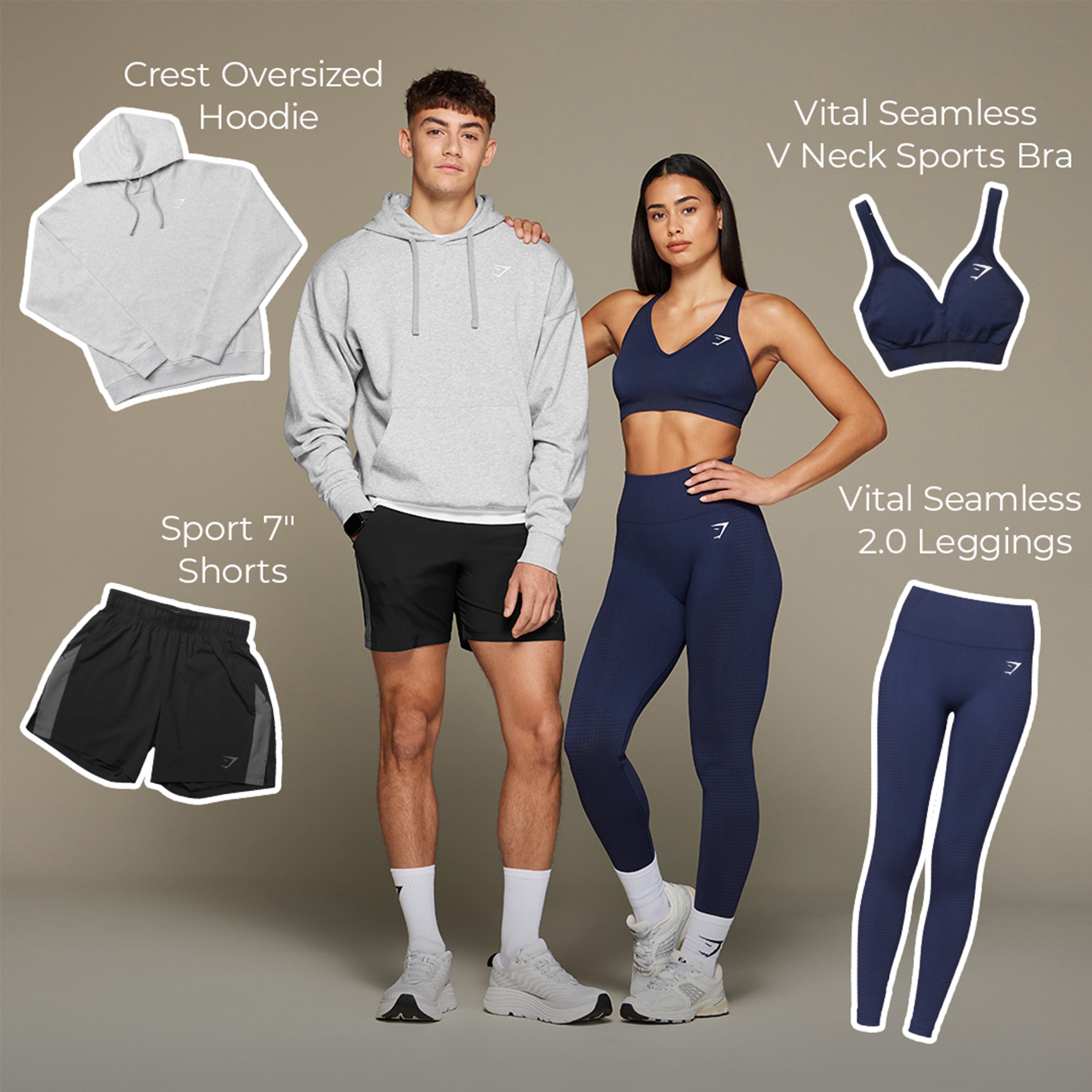
Credit: www.gymshark.com
Psychological Impact: How Clothes Affect Motivation
Many people find that changing into workout clothes helps them “switch gears” mentally. This effect is backed by psychology. When you put on certain clothes, your brain shifts into the role needed for the activity.
The “uniform” Effect
Athletes often say their uniform makes them feel part of a team, even before competition starts. The same is true for regular gym-goers. Wearing gym clothes can:
- Signal to your brain that it’s time to focus
- Reduce the chance of backing out (“I’m already dressed, I might as well go”)
- Help create a ritual, which makes habits stronger
Some people report that new or favorite workout gear makes them feel excited about exercise. This is a real effect, not just marketing.
Common Mistakes People Make With Workout Clothes
Choosing workout clothes seems simple, but beginners often get things wrong. Here are the most common mistakes:
- Wearing cotton for intense workouts: Cotton holds sweat and becomes heavy.
- Ignoring fit: Clothes that are too loose can get caught in equipment; too tight can restrict breathing.
- Choosing style over function: Bright colors and trends are nice, but comfort and performance should come first.
- Forgetting about shoes: The wrong shoes can cause pain or injury, even if your clothes are perfect.
- Not changing out wet clothes quickly: Staying in sweaty gear can lead to skin irritation or infections.
- Underestimating the importance of underwear: Non-sport underwear can bunch up, cause chafing, or show sweat stains.
- Wearing the same gear for every activity: Running, cycling, yoga, and weightlifting may need different types of clothing for best results.
- Not washing gear properly: Many athletic fabrics need special washing to keep their properties.
Non-obvious Insight: Even socks can make a big difference. Thick, moisture-wicking socks prevent blisters far better than regular cotton socks.
How To Choose The Right Workout Clothes
Picking the best workout clothes doesn’t mean choosing the most expensive or trendy options. Focus on these factors:
1. Fit
Clothes should allow full movement without being baggy. Try squatting, stretching, or jumping in the changing room to test.
2. Fabric
Look for moisture-wicking materials like polyester blends or special sports fibers. Avoid 100% cotton for heavy workouts.
3. Activity Type
- Running: Lightweight, breathable, and with reflective strips if outside.
- Yoga/Pilates: Stretchy leggings and fitted tops to avoid distractions during poses.
- Weightlifting: Supportive shoes and clothes that don’t get caught on equipment.
- Cycling: Padded shorts and close-fitting tops to reduce wind resistance.
4. Weather
- Hot weather: Light, breathable, UV-protective clothing.
- Cold weather: Layers that trap heat but let sweat escape.
- Rain: Water-resistant jackets and quick-drying clothes.
5. Support
- Women: Invest in a good sports bra. The right one reduces bounce and prevents pain.
- All: Supportive shoes for your activity and foot shape.
6. Durability
Check reviews and feel the fabric. Cheaper options may lose stretch or develop odors faster.
7. Budget
You don’t need to buy everything at once. Start with a few essentials, then add more as you learn what you like.
8. Personal Style
If you feel good in your gear, you’re more likely to use it. But never sacrifice comfort or safety for style.
| Factor | Why It Matters | What to Check |
|---|---|---|
| Fit | Prevents injury, improves movement | No pinching, full range of motion |
| Fabric | Manages sweat, skin comfort | Moisture-wicking, quick dry |
| Support | Reduces strain and injury | Good shoes, sports bra |
| Durability | Saves money over time | Stitching, reviews |
Special Considerations For Different Activities
Not all exercises need the same clothing. Here’s a closer look:
Running
- Breathable tops, shorts or leggings
- Good running shoes (replace every few hundred miles)
- Reflective details for night runs
Yoga/pilates
- Stretchy, fitted clothing (so you don’t trip or get caught)
- Bare feet or grippy socks
- Avoid loose shirts that fall over your head in inverted poses
Weightlifting
- Supportive shoes for stability
- Shorts or pants that don’t ride up or slip
- Clothes that allow you to check form (like fitted shirts)
Cycling
- Padded shorts for comfort on the saddle
- Fitted tops to reduce wind resistance
- Gloves for grip and hand protection
Team Sports
- Uniforms with the right fit (not too loose or tight)
- Cleats or sport-specific shoes
- Shin guards, pads if needed
Swimming
- Swimsuit designed for sports, not fashion (these resist chlorine better)
- Swim cap and goggles
Hiking/outdoor Sports
- Layers for changing weather
- Sun protection (hats, UPF clothing)
- Moisture-wicking socks
Non-obvious Insight: For activities with lots of repetitive motion (like running or cycling), even small seams in the wrong place can cause blisters or raw skin. Always try on and move around before buying.
Are Expensive Brands Worth It?
Many people believe only pricey brands offer quality. This is not always true. Here’s what really matters:
- Fabric technology: Some brands do have better sweat management or durability, but many mid-priced options are just as good.
- Fit: Cheaper gear can fit just as well if you try it on first.
- Durability: Expensive doesn’t always mean longer-lasting; check reviews and stitching.
- Style: If a brand makes you feel confident, it may be worth a little more—but never buy just for the logo.
It’s smart to invest in one or two high-quality items (like shoes or a sports bra), but save money on basics like t-shirts or socks.
Environmental And Ethical Concerns
Workout clothes are often made from synthetic materials, which can impact the environment. Some brands now offer:
- Recycled polyester or other eco-friendly fabrics
- Fair labor practices in factories
- Durable designs that last longer and reduce waste
If this matters to you, check the brand’s website for information. It’s possible to find good gear that’s also kind to the planet.
For more on the environmental impact of athletic wear, see this Wikipedia article.
Credit: urgasa.com
Do You Really Need Workout Clothes? A Balanced View
So, are workout clothes necessary? The answer depends on your needs, goals, and activities.
- For short, light, or low-sweat exercise, regular clothes may be fine.
- For anything longer, sweatier, or higher impact, workout clothes are a smart investment.
- The most critical items are supportive shoes and, for women, a good sports bra.
- Everything else is about comfort, motivation, and personal style.
| Situation | Recommended Clothing | Why |
|---|---|---|
| Gentle yoga at home | Loose t-shirt, stretchy pants | Comfort and movement, low sweat |
| Outdoor running | Moisture-wicking top, running shorts, proper shoes | Sweat control, injury prevention |
| Gym weightlifting | Fitted shirt, shorts/pants, gym shoes | Form check, safety |
| HIIT class | Supportive bra, moisture-wicking gear | High sweat, fast movement |
Tips For Getting The Most From Workout Clothes
- Rotate gear: Don’t wear the same piece every day. Let clothes dry and recover.
- Follow washing instructions: Many athletic fabrics need cold water and air drying.
- Replace worn-out items: When elasticity, support, or odor control is gone, it’s time for new gear.
- Keep a basic set: A few key pieces are enough for most workouts.
- Listen to your body: If you’re uncomfortable, adjust or change your outfit.
Pro Tip: If you’re new to working out, start with one or two pieces and see how you feel. Upgrade as you become more active.
Credit: www.whowhatwear.com
Frequently Asked Questions
Do I Need Workout Clothes If I Only Exercise At Home?
You don’t always need special clothes for home workouts, especially for gentle activities. But even at home, moisture-wicking shirts and supportive shoes or bras can improve comfort and prevent injury. Clothes that move with you help you stay focused and avoid distraction.
Can I Wear Regular Cotton T-shirts To The Gym?
You can, but cotton holds sweat and can become heavy, sticky, and uncomfortable during long or intense workouts. This can lead to chafing and even cooling down too quickly. For best results, choose a blend with moisture-wicking fabric for heavy exercise.
How Often Should I Replace My Workout Clothes?
Replace workout clothes when they lose their stretch, develop permanent odors, or stop wicking sweat effectively. Shoes should be replaced after a few hundred miles of use, and sports bras after they lose support. For most people, this means new gear every few months to a year, depending on usage.
Are Expensive Workout Clothes Better Than Cheaper Ones?
Not always. The best workout clothes are those that fit well, manage sweat, and support your activity. Many affordable brands offer these features. Sometimes, higher prices reflect brand name or style, not function. Try different options and read reviews before buying.
What Should I Look For In Workout Clothes If I Have Sensitive Skin?
Choose soft, seamless, and tagless options. Look for natural fibers like merino wool or specialized athletic fabrics made for sensitive skin. Wash new clothes before wearing to remove any chemicals from manufacturing, and avoid tight bands or exposed elastic.
Feeling comfortable and confident is the most important part of any workout outfit. The right clothes can help you perform better, protect your body, and enjoy exercise more—whether you’re at the gym, outside, or at home. Remember, movement matters more than what you wear, but the right gear can make your fitness journey easier and more enjoyable.
