

How to Wear Gym Clothes: Stylish Tips for
How To Wear Gym Clothes
The way you wear gym clothes can change your workout experience. Comfortable, well-chosen gym outfits help you move easily, stay cool, and feel confident. But wearing gym clothes is not only about putting on a T-shirt and shorts. There are many choices, styles, and details to think about. If you want to look good, perform better, and avoid common mistakes, you need some practical advice. This guide will help you understand how to wear gym clothes for all situations—whether you’re a beginner or someone who has been working out for years.
Why Gym Clothes Matter
Most people think gym clothes are just for style or comfort. But the right gym clothes can actually improve your workout. Moisture-wicking fabrics keep sweat away, stretchy materials allow better movement, and proper fit prevents distractions. Wearing gym clothes well helps you focus, protects your skin, and even boosts your motivation. If you wear the wrong clothes, you might feel uncomfortable, overheat, or even get injured.
Examples Of Benefits
- Breathable tops make running easier because you don’t get too hot.
- Supportive sports bras help women stay comfortable during intense workouts.
- Flexible leggings allow deep squats without tearing or pinching.
Many beginners miss the importance of choosing the right gym clothes. They pick what looks good or what is cheap, but ignore fit, fabric, and safety. Let’s look at how you can wear gym clothes for maximum comfort and style.
Choosing The Right Gym Clothes
Selecting gym clothes is not only about picking a trendy brand. You need to think about your workout type, body shape, and personal needs. Here are some key factors to consider:
Fabric Types
The material of your gym clothes makes a big difference.
- Cotton: Feels soft and comfortable, but absorbs sweat. Not best for intense workouts.
- Polyester: Dries fast, is lightweight, and lasts long. Good for most workouts.
- Nylon: Very stretchy, smooth, and moisture-wicking. Ideal for yoga and running.
- Spandex (Lycra): Extremely flexible, perfect for activities needing high movement.
- Bamboo: Naturally breathable and antimicrobial. Good for sensitive skin.
Many beginners think cotton is always the best. But for heavy workouts, cotton can get heavy and sticky. Try polyester or nylon blends for gym sessions.
Fit And Comfort
Gym clothes should fit your body, but not be too tight or too loose.
- Tight clothes can restrict movement and cause discomfort.
- Loose clothes may slip or get caught on equipment.
- Snug fit allows freedom but keeps everything in place.
Check your clothes by moving your arms and legs before buying. If they stretch and stay comfortable, you have a good fit.
Gym Clothes For Different Activities
Different workouts need different clothes.
- Cardio (running, cycling): Lightweight tops, shorts or leggings, moisture-wicking socks.
- Strength training: Supportive tops, flexible pants, shoes with grip.
- Yoga/Pilates: Stretchy leggings, fitted tank tops, bare feet or yoga socks.
- Team sports: Breathable shirts, athletic shorts, supportive shoes.
If you do several types of workouts, invest in versatile clothes that work for many activities.
Layering Gym Clothes
Layering is important, especially if you work out in changing temperatures or outdoors. Knowing how to layer gym clothes helps you stay comfortable and adjust to your environment.
The Basics Of Layering
- Base layer: Wicks moisture away. Usually a fitted T-shirt or tank top.
- Mid layer: Adds warmth. Hoodie or long-sleeve shirt.
- Outer layer: Protects from wind or rain. Lightweight jacket.
You can remove or add layers depending on your workout and weather.
Practical Example
If you jog outside early in the morning, start with a base layer and mid layer. As you warm up, remove the mid layer. Always keep your outer layer handy in case it rains.
Non-obvious Tip
Choose layers with zippers or easy-open buttons. They allow quick adjustments without stopping your workout. Many beginners forget this and struggle to change clothes mid-workout.
How To Wear Gym Tops
Gym tops come in many styles: tank tops, T-shirts, long sleeves, and crop tops. Choosing the right top depends on your activity and body shape.
Tank Tops
- Good for hot weather and intense workouts.
- Show off arms and allow maximum movement.
- Look for wide straps for support.
T-shirts
- Best for beginners and casual workouts.
- Choose moisture-wicking fabric.
- Avoid heavy cotton.
Long Sleeves
- Useful for outdoor workouts or cool gyms.
- Pick lightweight materials to prevent overheating.
- Some have thumb holes for better grip.
Crop Tops
- Stylish and breathable.
- Pair with high-waisted leggings for coverage.
- Not suitable for all body types—choose what feels comfortable.
Color And Style
Bright colors boost mood and motivation. Dark colors hide sweat marks. Some people choose neutral colors to match more outfits.
How To Wear Gym Bottoms
Gym bottoms include shorts, leggings, joggers, and capris. The right choice depends on your activity, comfort, and personal style.
Shorts
- Great for running and summer workouts.
- Look for built-in liners to prevent chafing.
- Make sure shorts are not too loose.
Leggings
- Very popular for yoga, pilates, and gym sessions.
- Choose high-waisted leggings for support.
- Make sure the fabric is not see-through.
Joggers
- Good for warm-ups or cool-downs.
- Choose stretchy materials.
- Can be worn outside the gym for casual style.
Capris
- Shorter than leggings, good for spring or fall.
- Look for flat seams to avoid skin irritation.
Practical Data
Here’s a comparison of gym bottoms for different activities:
| Type | Best For | Comfort | Support | Style |
|---|---|---|---|---|
| Shorts | Running, HIIT | High | Medium | Sporty |
| Leggings | Yoga, Strength | High | High | Trendy |
| Joggers | Warm-up, Casual | Medium | Medium | Relaxed |
| Capris | Pilates, Spring | Medium | Medium | Classic |
How To Wear Gym Shoes
The right gym shoes are essential. Shoes protect your feet, support your body, and improve performance. Wearing the wrong shoes can lead to injury.
Types Of Gym Shoes
- Running shoes: Cushioned, lightweight, flexible.
- Training shoes: Flat soles, good for weightlifting and gym machines.
- Cross-trainers: Versatile, support many activities.
- Basketball shoes: High ankle support for court sports.
Choosing Shoes For Your Workout
- For running: Pick shoes with shock absorption and breathable uppers.
- For weightlifting: Choose shoes with flat soles for stability.
- For aerobic classes: Use shoes with good grip and flexibility.
Non-obvious Insight
Always try gym shoes with socks you wear for workouts. The thickness of your socks changes the fit. Many people forget this and buy shoes that feel tight or loose during workouts.
Shoe Size And Fit
Your feet swell during workouts. Buy shoes that are half a size bigger for comfort. Make sure there is a thumb-width space in front of your toes.
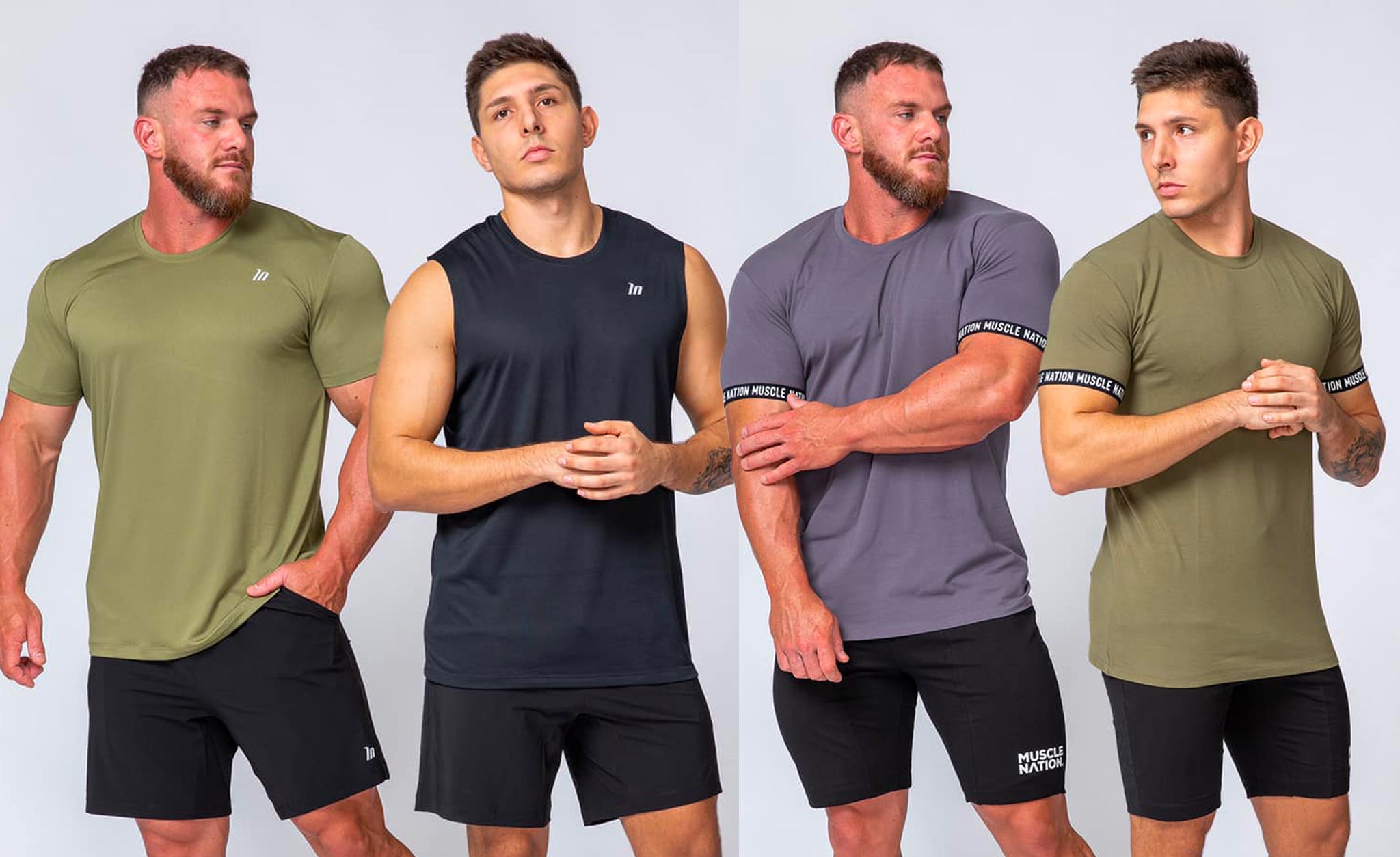
Data Table: Shoe Types And Features
| Shoe Type | Main Feature | Best For | Support Level |
|---|---|---|---|
| Running Shoes | Cushioning | Running, Cardio | High |
| Training Shoes | Flat Sole | Weightlifting | Medium |
| Cross-Trainers | Versatility | HIIT, Mixed Workouts | Medium |
| Basketball Shoes | Ankle Support | Court Sports | High |
Credit: mvmntlmtd.com
How To Wear Gym Accessories
Accessories can make workouts safer and more enjoyable. They help with sweat control, injury prevention, and comfort.
Common Gym Accessories
- Headbands: Keep sweat and hair off your face.
- Wristbands: Absorb sweat and protect wrists.
- Gloves: Prevent blisters during lifting.
- Socks: Moisture-wicking, padded for comfort.
- Arm sleeves: Support muscles and improve circulation.
How To Choose Accessories
- Pick headbands made from stretchy, absorbent materials.
- Use weightlifting gloves with grip pads.
- Choose socks with arch support to avoid foot pain.
- Arm sleeves should fit snug but not tight.
Example
If you sweat a lot, wear a wide headband and wristbands. For heavy lifting, gloves with wrist support help prevent injury.
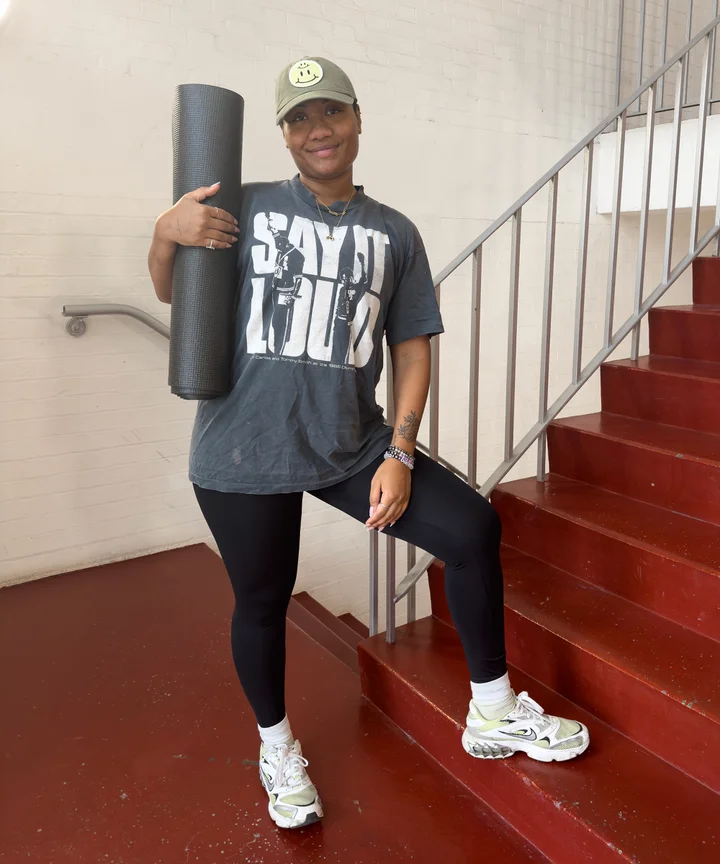
How To Wear Gym Clothes For Different Body Types
Everyone’s body is unique. Gym clothes should help you feel confident, no matter your shape.
Tips For Different Body Types
- Athletic build: Try fitted tops and shorts that highlight your shape.
- Curvy body: High-waisted leggings and supportive bras give comfort and coverage.
- Tall and slim: Long sleeve tops and joggers add balance.
- Petite body: Crop tops and capris make legs look longer.
Non-obvious Insight
Many beginners buy gym clothes that hide their bodies. But well-chosen clothes can boost confidence and help you enjoy your workout.
Credit: www.refinery29.com
How To Wear Gym Clothes For Different Weather
Weather changes can affect your gym outfit. You need to adjust your clothes for heat, cold, rain, or humidity.
Hot Weather
- Wear light-colored, loose clothes.
- Choose breathable fabrics like polyester or bamboo.
- Avoid heavy cotton.
Cold Weather
- Layer your clothes: Base, mid, and outer.
- Pick thermal leggings and long sleeves.
- Use gloves and headbands for warmth.
Rainy Weather
- Wear a water-resistant jacket.
- Use quick-dry pants and tops.
- Avoid cotton socks—they stay wet.
Humid Weather
- Moisture-wicking clothes are essential.
- Avoid thick fabrics.
- Use sweat-absorbing accessories.
How To Wear Gym Clothes For Group Classes
Group classes like Zumba, spinning, or HIIT need specific outfits.
Zumba/dance
- Bright, flexible clothes.
- Supportive sports bras and leggings.
- Lightweight shoes with good grip.
Spinning
- Padded shorts for comfort.
- Moisture-wicking tops.
- Shoes with stiff soles.
Hiit
- Tight-fitting tops to avoid distractions.
- Flexible shorts or leggings.
- Shoes with strong grip.
Practical Example
If you join a dance class, wear clothes that move with you. For spinning, padded shorts prevent soreness. For HIIT, tight clothes stop you from adjusting your outfit mid-workout.
How To Wear Gym Clothes For Home Workouts
Home workouts are popular. You still need proper gym clothes for safety and motivation.
Tips For Home Workouts
- Wear comfortable but supportive clothes.
- Avoid pajamas or loose home wear.
- Use shoes for jumping or cardio.
- Choose clothes that help you transition from workout to daily tasks.
Example
If you do yoga at home, leggings and a tank top are best. For HIIT, wear shoes to protect your feet from hard floors.
How To Care For Gym Clothes
Proper care extends the life of your gym clothes and keeps them fresh.
Washing Gym Clothes
- Wash after every workout.
- Use cold water to protect fabric.
- Avoid fabric softeners—they block moisture-wicking ability.
- Dry clothes naturally if possible.
Storage Tips
- Keep gym clothes separate from regular clothes.
- Use breathable bags for transport.
- Avoid leaving sweaty clothes in bags for long periods.
Non-obvious Insight
Always turn gym clothes inside out before washing. This protects colors and removes sweat better. Many people skip this step and notice fading and odor.
Common Mistakes When Wearing Gym Clothes
Many people make mistakes when choosing and wearing gym clothes. Here are the most common:
- Wearing cotton for intense workouts: Cotton absorbs sweat and gets heavy.
- Ignoring fit: Tight or loose clothes cause discomfort and distraction.
- Not layering: Leads to overheating or feeling cold.
- Choosing style over function: Trendy clothes may not support your workout.
- Skipping accessories: Sweat and injuries are more likely.
- Wearing old shoes: Old shoes cause injury.
- Ignoring body type: Clothes should fit and flatter your shape.
- Not washing gym clothes properly: Leads to odor and damage.
- Using regular socks: Athletic socks prevent blisters.
- Buying without testing: Try clothes before buying.
Avoid these mistakes for a better workout experience.
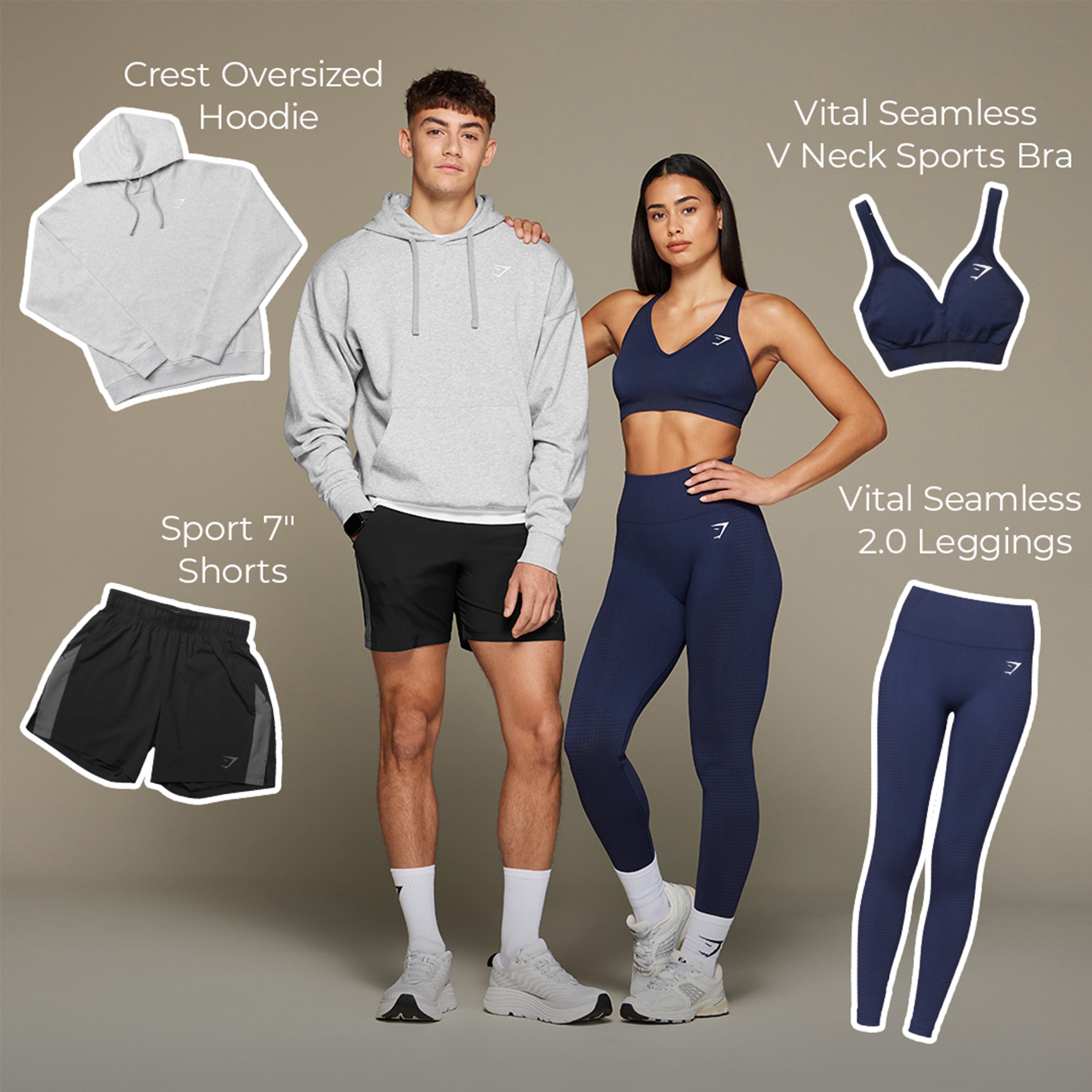
Gym Clothes For Men Vs. Women
Men and women have different needs for gym clothes. Understanding these differences helps you make better choices.
Men’s Gym Clothes
- Loose tops, shorts, joggers.
- Supportive underwear.
- Shoes with wider fit.
Women’s Gym Clothes
- Fitted tops, leggings, sports bras.
- High-waisted bottoms.
- Shoes with narrow fit.
Data Table: Men Vs. Women’s Gym Clothes
| Feature | Men | Women |
|---|---|---|
| Top Style | Loose, breathable | Fitted, supportive |
| Bottoms | Shorts, joggers | Leggings, capris |
| Accessories | Headbands, gloves | Sports bras, headbands |
| Shoe Fit | Wide | Narrow |
Credit: www.gymshark.com
Sustainable Gym Clothes
Many people now care about sustainability. Wearing eco-friendly gym clothes helps the planet and your skin.
Features Of Sustainable Gym Clothes
- Made from recycled materials.
- Use natural fibers like bamboo or organic cotton.
- Avoid harmful dyes and chemicals.
Brands And Options
Look for brands that focus on sustainability. Check labels for recycled content and eco-certification. For more information, visit Source Name.
Extra Tips For Wearing Gym Clothes
Here are some final tips to help you wear gym clothes with confidence and comfort.
- Change gym clothes often to avoid odor.
- Mix and match colors for motivation.
- Use gym clothes only for workouts—this keeps them clean and functional.
- Invest in a few good pieces instead of many cheap ones.
- Always check the weather and activity before choosing your outfit.
- Don’t be afraid to try new styles or brands.
Frequently Asked Questions
How Do I Choose The Best Fabric For Gym Clothes?
Pick fabrics that are moisture-wicking, like polyester or nylon, for most workouts. These keep sweat away and dry fast. Avoid cotton for heavy workouts because it absorbs sweat and gets heavy.
Can I Wear Gym Clothes Outside The Gym?
Yes, you can wear gym clothes for casual outings. Joggers and stylish tops work well outside the gym. Make sure your clothes are clean and look good for public use.
How Often Should I Wash My Gym Clothes?
Wash gym clothes after every workout. Sweat and bacteria build up quickly. Use cold water and avoid fabric softeners to keep them fresh and effective.
What Accessories Should I Use With Gym Clothes?
Use headbands, wristbands, gloves, and moisture-wicking socks. These accessories help control sweat, protect your skin, and prevent injuries.
Are Expensive Gym Clothes Better Than Cheap Ones?
Not always. Expensive gym clothes may offer better materials and fit, but some affordable brands are also good. Check fabric, fit, and comfort before buying. Don’t buy only for the brand name.
Wearing gym clothes the right way helps you perform better, feel comfortable, and stay motivated. Think about your workout, body type, and weather when choosing your outfit. Avoid common mistakes, care for your clothes, and pick accessories wisely. With these tips, you’ll look good and feel great every time you step into the gym—or start your workout at home.
