

How to Choose Gym Clothes: Expert Tips for the Perfect Fit
Choosing the right gym clothes may seem simple, but it can make a huge difference in your workout experience. The clothes you wear to the gym affect how you move, how comfortable you feel, and even how motivated you are to exercise.
Many people focus only on style or color, but there’s much more to consider. Picking the best gym clothes involves thinking about fabric, fit, functionality, and even safety. If you’re new to fitness or just want to improve your gym wardrobe, this guide will help you make smart choices.
You’ll learn what matters most, find out common mistakes, and discover tips to help you feel your best while exercising.
Why The Right Gym Clothes Matter
Wearing the right gym clothes is not just about looking good. The best gym attire helps you perform better and stay safe. Comfort is key—if your clothes are too tight or too loose, you might get distracted or even hurt yourself. Good gym clothes also help manage sweat, keep your temperature steady, and prevent skin irritation. Quality athletic wear can even boost your confidence, making you more likely to stick with your fitness routine. Many beginners underestimate how much gym clothes can affect their results. It’s not just marketing—there’s real science behind performance fabrics and ergonomic designs.
Understanding Different Fabrics
One of the first things to consider is the fabric of your gym clothes. Not all materials are created equal when it comes to exercise.
| Fabric | Key Features | Best For | Potential Drawbacks |
|---|---|---|---|
| Polyester | Durable, lightweight, dries fast | Cardio, weight training | Can retain odor |
| Nylon | Soft, stretchy, moisture-wicking | Yoga, running | May pill over time |
| Spandex (Lycra/Elastane) | High stretch, flexible | Compression wear, tight fits | Less breathable |
| Cotton | Soft, natural, affordable | Light workouts, casual wear | Retains moisture |
| Merino Wool | Odor-resistant, temperature control | Outdoor exercise, cold weather | Expensive, delicate |
| Bamboo | Antibacterial, eco-friendly | Yoga, low-intensity training | Less durable |
Moisture-wicking materials like polyester and nylon pull sweat away from your skin, keeping you dry. Cotton, on the other hand, absorbs moisture and can become heavy and uncomfortable. Spandex is great for stretchy fits but can get warm during intense activity. For those who care about the environment, bamboo or recycled polyester are good choices, but check for durability. Merino wool is excellent for temperature regulation and odor control, but it costs more and requires special care.
Finding The Right Fit
Fit is just as important as fabric. The wrong fit can distract you or even cause injury. Here’s how to find a fit that works for you:
- Tops: Choose a fit that is snug but not too tight. You should be able to move your arms freely. For high-intensity workouts, a tighter fit may prevent fabric from getting in the way. Loose tops are fine for yoga or stretching.
- Bottoms: Leggings, shorts, or sweatpants should allow full range of motion. For running or cycling, opt for a closer fit to reduce chafing. For weightlifting, a slightly looser fit is okay.
- Sports bras: Support is essential. Look for adjustable straps, breathable fabric, and a band that stays in place during movement.
- Compression wear: These tight garments can help with muscle recovery and reduce soreness. Just make sure they’re not too tight to restrict blood flow.
It’s easy to think that looser clothes are always more comfortable, but sometimes they can cause problems. For example, loose pants might get caught in gym equipment. On the other hand, clothes that are too tight can restrict your movement and even affect your breathing.
Choosing Clothes For Specific Activities
Every workout is different, and your gym clothes should match the activity. Here’s how to choose based on what you’re doing:
Cardio (running, Cycling, Hiit)
- Lightweight tops and bottoms: Choose moisture-wicking shirts and shorts or leggings.
- Reflective details: If you run outside, reflective strips keep you visible.
- Compression socks: These help with blood flow and reduce fatigue.
Weightlifting
- Fitted tops: Prevent fabric from getting caught on weights.
- Flexible bottoms: Look for materials that stretch during squats or deadlifts.
- Gloves: Protect your hands from calluses and improve grip.
Yoga And Pilates
- Stretchy, soft fabrics: Nylon or bamboo blends are great.
- High-waisted leggings: These stay in place during poses.
- Layering: A light, fitted jacket or shrug keeps you warm before and after class.
Team Sports
- Breathable jerseys: Mesh or polyester keeps you cool.
- Padded socks: Extra cushioning for jumping or running.
- Supportive shoes: Each sport may require a different type of shoe.
Don’t assume one outfit works for all workouts. Small changes can make a big difference in how you feel and perform.
Layering For Weather And Gym Conditions
Your gym might be cold, or maybe you prefer outdoor workouts. Layering helps you adjust to changing temperatures.
- Base layer: This is the layer closest to your skin. It should wick away sweat and keep you dry.
- Middle layer: Adds warmth. Look for lightweight fleece or thermal materials.
- Outer layer: Protects from wind and rain. Jackets with ventilation are best for outdoor exercise.
Some people skip layers because they’re worried about overheating. But if you choose breathable, removable layers, you can adjust as you warm up.
Paying Attention To Seams And Construction
Seams might seem like a small detail, but they can make or break your comfort. Flatlock seams are sewn so they don’t stick out, reducing the risk of chafing. Double-stitched seams add durability, especially in high-stress areas like underarms or inseams.
Avoid clothes with bulky or raised seams, especially if you have sensitive skin or plan to do high-repetition movements. Sometimes, the difference between a comfortable workout and a painful one is just the type of stitching.
Color And Style: More Than Looks
While performance matters most, style can help you feel confident and motivated. Bright colors can boost energy, while darker shades may hide sweat stains better.
Some gyms have dress codes. For example, you may need to avoid certain colors or styles. Always check the rules before buying new gym clothes.
Visibility is an important, often-overlooked point for outdoor workouts. Bright colors and reflective details keep you safe in low light.
Footwear: The Foundation Of Your Gym Outfit
Shoes are the most important part of your gym wardrobe. The wrong shoes can lead to blisters, injuries, or poor performance.
| Shoe Type | Best For | Key Features | Considerations |
|---|---|---|---|
| Running Shoes | Cardio, treadmill, outdoor running | Cushioning, arch support, lightweight | Replace after 500 miles |
| Cross-Trainers | General gym, aerobics, HIIT | Multi-directional support | Less cushioning for running |
| Weightlifting Shoes | Powerlifting, squats | Flat sole, solid base, raised heel | Not for running |
| Minimalist Shoes | Functional fitness, barefoot training | Thin sole, flexible | Requires adaptation |
When trying on shoes, wear the same socks you’ll use for exercise. Make sure there’s room for your toes to move. Walk and jump a little in the store to check support and comfort.
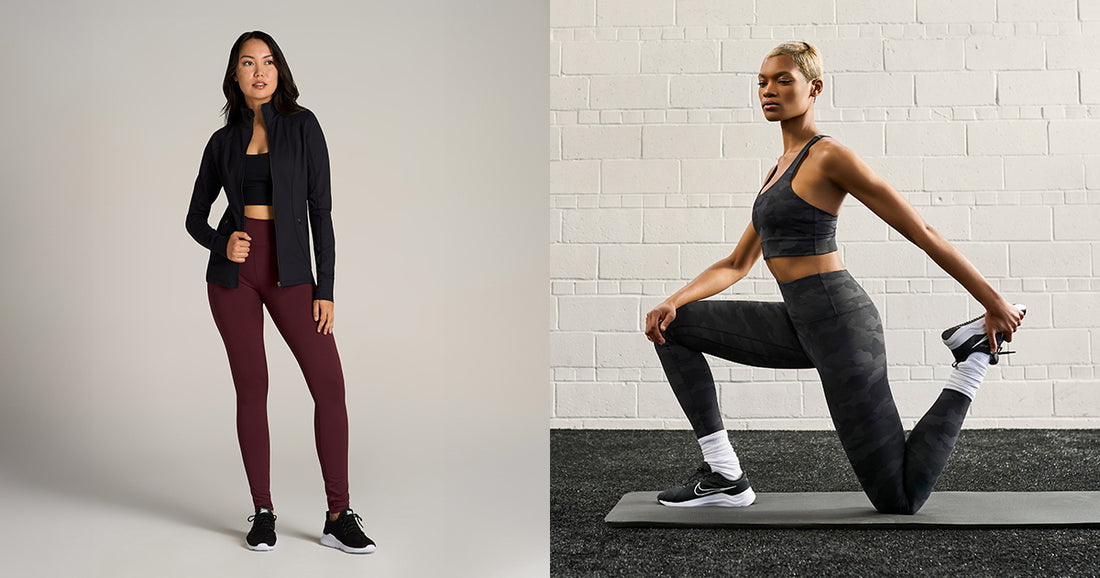
Credit: campgreenwood.org
Accessories: Small Details, Big Impact
Accessories can make your workout safer and more enjoyable.
- Socks: Choose moisture-wicking, padded socks to prevent blisters.
- Headbands and wristbands: Keep sweat out of your eyes and off your hands.
- Gloves: Essential for heavy lifting or cycling to improve grip and protect your skin.
- Hats or visors: Protect from sun during outdoor exercise.
Never overlook accessories. Even a simple headband can keep you focused and comfortable.
Gym Clothes For Different Body Types
Everyone’s body is different, and the best gym clothes are the ones that make you feel confident and comfortable.
- Petite: Look for cropped leggings and fitted tops to avoid extra fabric.
- Tall: Full-length leggings and longline tops prevent awkward gaps.
- Curvy: High-waisted bottoms and supportive sports bras provide comfort and coverage.
- Muscular: Stretchy fabrics and raglan sleeves offer more room for broad shoulders or larger thighs.
Many brands now offer inclusive sizing and different fits. Don’t settle for clothes that don’t fit right just because you think you have to. Try different brands and styles until you find what works for you.
Credit: campgreenwood.org
Durability And Cost
It’s tempting to buy the cheapest gym clothes, but low-quality items often wear out quickly. Look for reinforced stitching in high-stress areas and check reviews for real-world durability.
That said, expensive does not always mean better. Some mid-range brands offer excellent value. If possible, invest in a few high-quality basics (like a great pair of leggings or a supportive sports bra) and fill in with less expensive items.
A little-known tip: washing your gym clothes in cold water and air-drying them can help them last much longer.
Sustainability: Eco-friendly Choices
The fitness industry is seeing more sustainable options. Recycled polyester, organic cotton, and bamboo are increasingly popular. Brands are also using less water and fewer chemicals in production.
If sustainability matters to you, check for certifications like OEKO-TEX or Bluesign. These show that the clothes meet certain environmental and safety standards.
Eco-friendly gym clothes are not just better for the planet—they’re often softer and less likely to cause skin irritation. However, they may cost more and sometimes wear out faster, so balance your values with your budget.
Odor Control: Staying Fresh
Sweat itself doesn’t smell, but bacteria that grow in sweaty clothes do. Some athletic wear uses antimicrobial treatments to prevent odor. Merino wool is naturally odor-resistant, while synthetic fabrics can sometimes hold on to smells.
To keep your gym clothes fresh:
- Wash them as soon as possible after wearing.
- Avoid fabric softeners, which can damage moisture-wicking fibers.
- Turn clothes inside out before washing.
If you struggle with persistent odors, try soaking clothes in a mixture of water and white vinegar before washing.
Common Mistakes Beginners Make
Choosing gym clothes can be confusing. Here are some mistakes to avoid:
- Wearing cotton for intense workouts: Cotton soaks up sweat and gets heavy.
- Ignoring fit: Clothes that are too loose or too tight can distract you or even cause injury.
- Skipping proper shoes: Old or unsupportive shoes can lead to pain and injuries.
- Focusing only on style: Looks matter, but performance and comfort should come first.
- Neglecting care instructions: Washing gym clothes incorrectly can make them wear out faster.
- Not replacing old gear: Over time, even the best gym clothes lose their stretch and support.
One non-obvious tip: Try your gym clothes out at home before wearing them to the gym. Do a few squats or stretches to make sure nothing rides up or pinches.
How To Test Gym Clothes Before Buying
It’s not enough to just try gym clothes on in the store. Here’s how to make sure they’ll perform:
- Move around: Do some lunges, squats, or arm circles.
- Check for transparency: With leggings, do a squat to see if the fabric becomes see-through.
- Test seams: Rub your hand inside to see if there are rough or bulky seams.
- Stretch test: Gently pull at the fabric. Good gym clothes should return to their original shape.
If you shop online, check the return policy before buying. Look for customer reviews that mention fit and performance, not just style.
Caring For Your Gym Clothes
Proper care keeps your gym clothes looking and working their best.
- Wash in cold water to protect fabric and colors.
- Air dry whenever possible to prevent shrinking and damage.
- Don’t use fabric softener—it can block moisture-wicking properties.
- Wash inside out to reduce pilling and fading.
If you work out daily, consider buying enough gym clothes for a week to avoid constant washing.
The Role Of Technology In Gym Clothes
Modern gym clothes often use advanced technologies. Moisture-wicking, anti-odor, and UV protection are now common. Some brands even offer smart clothing with built-in sensors to track your heart rate or movement.
While these features can be helpful, focus on basics first: comfort, fit, and durability. Advanced features are a bonus, but not a necessity for most people.
Brands And Sizing: Why Labels Matter
Sizing can be confusing. A medium in one brand may fit like a large in another. Always check the brand’s size chart, and don’t be afraid to try a different size than you normally wear.
Some brands specialize in certain types of athletic wear. For example, some focus on yoga clothes with extra stretch, while others make durable gear for weightlifting. Try a few brands to see which ones fit your body and activity best.
Investing In A Gym Wardrobe: What You Really Need
You don’t need a huge wardrobe to start. Here’s a basic checklist for most gym-goers:
- 2-3 moisture-wicking tops
- 2-3 pairs of leggings or shorts
- 1-2 supportive sports bras (for women)
- 1 pair of quality shoes
- Several pairs of moisture-wicking socks
- 1 lightweight jacket or hoodie
- Accessories like headbands or gloves as needed
Start simple, then add more as you find what you like.
When To Replace Gym Clothes
Even the best gym clothes wear out. Here’s how to know it’s time to replace them:
- Loss of stretch: If leggings or bras don’t snap back, they won’t support you.
- Thinning fabric: Especially in high-friction areas.
- Persistent odor: If washing doesn’t help, it’s time to move on.
- Worn out shoes: If the tread is gone or support feels flat, replace them.
Don’t wait too long. Old gear can cause injuries or just make you feel less motivated.
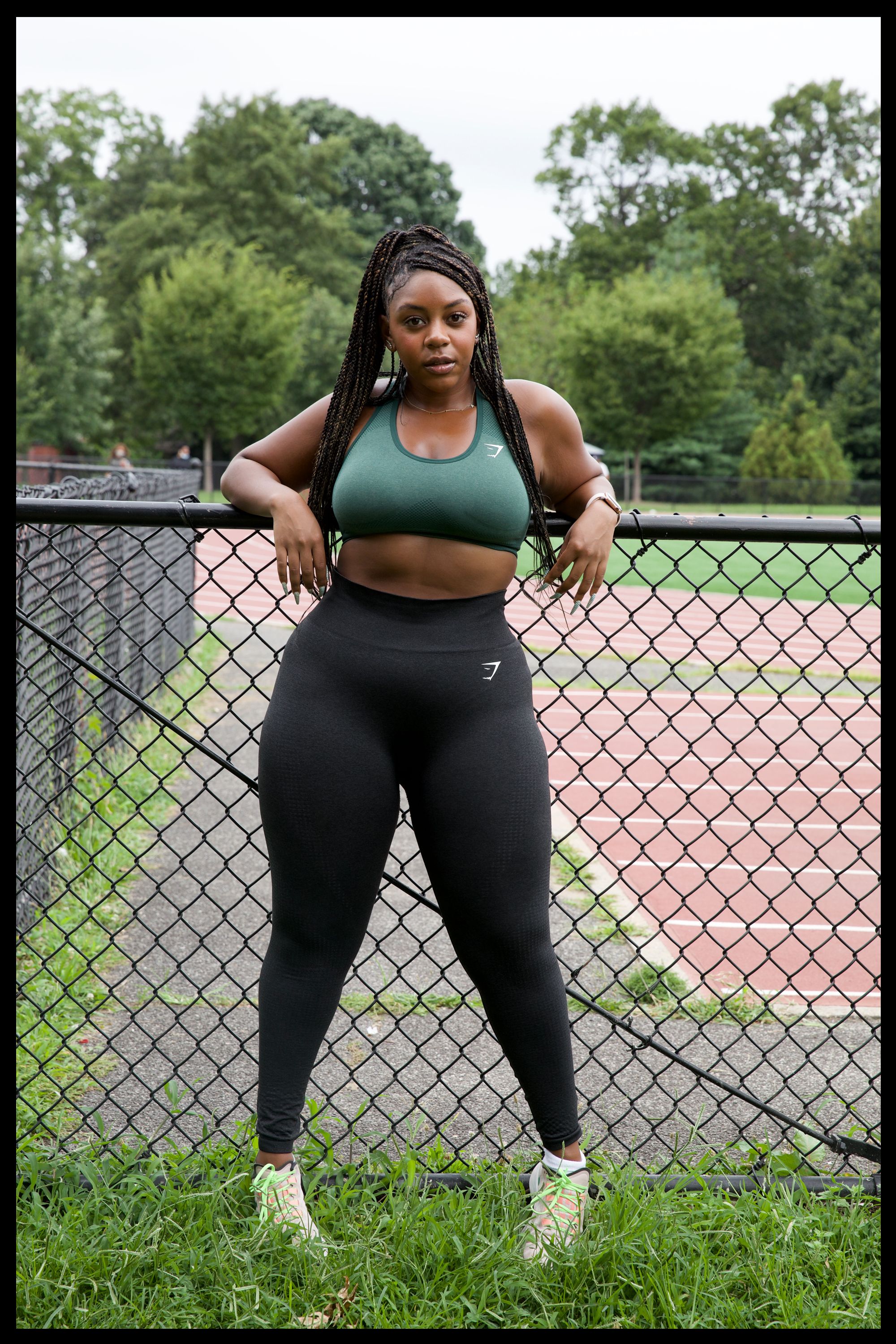
Credit: campgreenwood.org
How Fashion Trends Influence Gym Clothes
Athleisure—wearing gym clothes as everyday fashion—is more popular than ever. This has led to more stylish, functional options. However, not all trendy pieces are good for exercise. Crop tops, mesh panels, or ultra-tight fits may look great but might not be suitable for all activities.
It’s fine to enjoy fashion trends, but always check that the clothes support your workout needs. Some brands now combine style and performance, so you don’t have to choose one over the other.
Gym Clothes For Different Climates
Where you live can affect what gym clothes you need.
- Hot climates: Light, breathable, and UV-protective fabrics are best. Avoid dark colors that absorb heat.
- Cold climates: Layer up with thermal tops, leggings, and insulated jackets. Look for wind- and water-resistant materials.
- Humid climates: Choose quick-drying, antimicrobial fabrics to prevent odor and discomfort.
If you travel often, pack versatile gym clothes that work in different conditions.
Shopping Tips: How To Save Money
Gym clothes can get expensive, but there are ways to save:
- Shop end-of-season sales: Last season’s styles are often discounted.
- Buy in bundles: Some brands offer discounts for sets.
- Sign up for brand newsletters: Get alerts for sales and exclusive offers.
- Check outlet stores: You can find high-quality gear for less.
Remember, more expensive does not always mean better. Focus on quality and fit over brand name.
How Gym Clothes Affect Motivation
Wearing the right gym clothes can actually make you more motivated to work out. Studies show that people who wear specific athletic gear feel more prepared and confident. This is called “enclothed cognition”—the idea that what you wear influences your mindset and performance.
If you struggle to get to the gym, try investing in a new outfit. You might be surprised at how much it helps.
Real-world Example: A Beginner’s Story
Consider Sara, a beginner who wore old cotton T-shirts and loose shorts to the gym. She often felt uncomfortable, got rashes from sweat, and sometimes had to stop her workout early. After switching to moisture-wicking tops and fitted leggings, she noticed she could exercise longer and felt less self-conscious.
Small changes in her gym wardrobe made a big impact on her confidence and results.
This is a common experience—choosing the right gym clothes is about more than just looks.
Resources For Finding The Best Gym Clothes
If you want more information, many fitness websites and sports brands offer detailed guides. For scientific data on exercise clothing, check out the resources provided by Verywell Fit.
Frequently Asked Questions
What Fabric Is Best For Sweaty Workouts?
Polyester and nylon are the best fabrics for sweaty workouts because they wick moisture away from your skin and dry quickly. Avoid cotton for intense exercise, as it absorbs sweat and can feel heavy.
How Do I Know If My Gym Clothes Fit Properly?
Your gym clothes should let you move freely without being too tight or too loose. Try doing a few squats or stretches when you try them on. If nothing rides up, pinches, or restricts movement, the fit is good.
Can I Wear The Same Gym Clothes For All Activities?
Some clothes work for many activities, but specialized workouts may need specific gear. For example, running requires different shoes than weightlifting. Yoga often needs more flexible, stretchy clothes. Match your outfit to your activity for best results.
How Often Should I Replace My Gym Clothes?
Replace gym clothes when they lose their stretch, become see-through, or develop permanent odors. Shoes should be replaced if the tread is worn down or the support feels flat. For most people, this means every few months to a year, depending on usage.
Are Expensive Gym Clothes Worth It?
Not always. Some expensive brands use high-quality materials, but many mid-range options perform just as well. Focus on fit, comfort, and durability rather than price. Check customer reviews before buying.
Choosing the right gym clothes takes a little time and research, but the rewards are worth it. You’ll feel better, move easier, and enjoy your workouts more. Whether you’re a beginner or an experienced athlete, investing in the right gym attire can change your fitness journey for the better.
