

How to Wear Business Casual in Summer: Stay Cool and Stylish
How To Wear Business Casual In Summer
Staying sharp at work during the summer months can feel like a balancing act. The heat rises, but professional standards don’t drop. For many, the term business casual can be confusing, especially when the weather demands lighter, cooler clothing. How do you look polished, stay comfortable, and avoid crossing the line into too-casual territory? This guide will show you how to master business casual style for summer, whether you’re new to the office world or looking to refresh your wardrobe. You’ll learn what to wear, what to avoid, and how to keep your cool—literally and figuratively—when temperatures soar.
Understanding Summer Business Casual
Business casual isn’t just a dress code—it’s a language. In summer, the rules can feel even less clear. Simply put, business casual means smart, neat, and professional, but not as formal as a suit and tie. However, it’s not as relaxed as weekend wear.
In warmer weather, the challenge is to adapt these standards without sacrificing comfort.
What Defines Business Casual?
- Collared shirts are a staple, but you can swap heavy materials for lighter fabrics.
- Trousers or chinos replace jeans or shorts.
- Dresses and skirts should be modest in length and style.
- Closed-toe shoes are the norm, but summer-appropriate options exist.
The goal is to project professionalism while adapting to the heat. Always consider your company culture—some industries are more relaxed, while others expect a traditional look, even in summer.
Essential Summer Fabrics
Choosing the right materials makes a huge difference. The best summer business casual clothes are made from breathable, lightweight fabrics. These help you stay cool and prevent embarrassing sweat marks.
| Fabric | Benefits | Drawbacks |
|---|---|---|
| Cotton | Breathable, soft, affordable | Wrinkles easily |
| Linen | Excellent airflow, lightweight | Wrinkles quickly, can look too casual if not styled well |
| Chambray | Looks like denim, but lighter | Less formal, may show sweat |
| Lightweight Wool | Good for trousers and suits, wicks moisture | Can still feel warm on very hot days |
| Performance Blends | Moisture-wicking, wrinkle-resistant | Less natural feel, can trap odors |
Choosing the right fabric not only helps with comfort, but also with odor control and appearance throughout the day.
Key Clothing Items For Men
The basics of summer business casual for men start with cool, professional pieces. Here’s what to focus on:
Shirts
- Short-sleeve button-downs: A classic summer option, especially in cotton or linen.
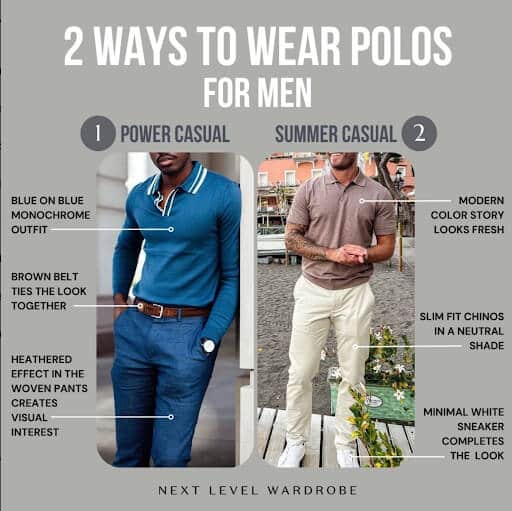
- Polo shirts: Polished, but never too sporty or tight.
- Long-sleeve shirts: Roll up the sleeves for a relaxed, yet professional look.
Avoid t-shirts, even plain ones, unless your workplace is extremely casual.
Trousers
- Chinos: Lightweight, versatile, and come in many colors.
- Linen trousers: Great for airflow, but require careful ironing.
- Lightweight wool pants: Ideal for those who prefer a more structured look.
Shorts are rarely acceptable in business casual settings. If unsure, ask HR before wearing them.
Blazers And Outerwear
- Unlined or half-lined blazers: Much cooler than traditional suit jackets.
- Lightweight cardigans: Perfect for air-conditioned offices.
Pick neutral shades—navy, beige, or light gray—for easy pairing.
Shoes
- Loafers: Leather or suede, breathable and stylish.
- Derby shoes: Smart but less formal than oxfords.
- Dress sneakers: Only if your workplace allows and they are clean, minimalist styles.
No open-toed shoes or sandals—these rarely fit the business casual standard.
Accessories
- Belts: Match your shoes for a polished look.
- Socks: Lightweight cotton or bamboo blends to keep feet dry.
- Watches: Simple, classic designs are best.
Key Clothing Items For Women
Women’s summer business casual can be stylish and comfortable without sacrificing professionalism. Here’s how to build a strong wardrobe:
Tops
- Blouses: Cotton, silk, or linen—avoid sheer materials.
- Sleeveless tops: Acceptable if shoulders are covered by a blazer or cardigan.
- Knit tops: Breathable and easy to wear.
Tank tops and spaghetti straps are too casual unless hidden under a jacket.
Bottoms
- Ankle-length trousers: Cropped pants look smart and keep you cool.
- Skirts: Knee-length or midi styles are ideal.
- Dresses: Choose structured, lined options—avoid clingy fabrics.
Avoid mini skirts, shorts, or anything too tight.
Layering Pieces
- Lightweight blazers: Instantly elevate any outfit.
- Cardigans: Easy to slip on in chilly offices.
Shoes
- Ballet flats: Comfortable and professional.
- Block heels: Provide support and style.
- Loafers: Classic and office-friendly.
- Peep-toe shoes: Sometimes acceptable, but full sandals are not.
Flip-flops and casual sandals should stay at home.
Accessories
- Scarves: Light, decorative options add interest without warmth.
- Simple jewelry: Understated pieces work best.
- Leather or canvas handbags: Structured bags look most professional.
Color And Pattern Choices For Summer
Summer is the perfect time to introduce lighter colors and subtle patterns. Dark shades absorb heat, while pale tones reflect it, keeping you cooler.
- Light blue, white, beige, pastel shades: These colors look fresh and feel cooler.
- Subtle stripes, checks, and prints: Add personality without being distracting.
Avoid loud prints or neon colors—these can look unprofessional.
Dressing For Different Office Environments
Every workplace has its own take on business casual. Here’s how to adjust your wardrobe for various settings.
Traditional Corporate Offices
Stick to classic pieces: collared shirts, blouses, tailored pants, and blazers. Even in summer, avoid pushing boundaries too far.
Creative Or Tech Workplaces
These environments often allow more freedom. Patterned shirts, colored chinos, and even clean dress sneakers can be appropriate. However, avoid anything that looks like gym wear or beachwear.
Fieldwork Or Client-facing Roles
Prioritize neatness and approachability. Opt for breathable, wrinkle-resistant fabrics that travel well. A lightweight blazer is a must for meetings.
The Role Of Fit And Tailoring
Even the most expensive summer fabrics look sloppy if clothes don’t fit. Summer business casual works best when garments skim the body—not too tight or too loose.
- Shirts: Should fit at the shoulders and chest, not billow out.
- Trousers and skirts: Aim for a clean line with comfortable movement.
- Blazers: Should button easily without pulling.
If you’re between sizes, it’s better to go slightly larger and have items tailored. A good fit instantly upgrades your look.
Layering For Air Conditioning And Weather Fluctuations
Many summer offices are cold due to air conditioning. Smart layering keeps you comfortable inside and outside.
- Lightweight cardigans: Easy to drape over shoulders or store in a bag.
- Unlined blazers: Polished, but not overly warm.
- Scarves or shawls: Useful for women who want quick coverage.
If you commute by public transport, keep a jacket handy for chilly mornings or evenings.
Grooming And Presentation In Summer
Good grooming is even more important in hot weather. Sweat, humidity, and sun can affect how you look and feel. Here’s how to stay fresh:
- Shower daily and use deodorant.
- Choose anti-odor and moisture-wicking fabrics.
- Keep hair neat: Updos for women or short styles for men help with heat.
- Minimal makeup: Lighter formulas prevent melting and shine.
- Stay hydrated: Drink water to keep skin healthy.
Carrying blotting papers or a small hand towel can help manage shine or sweat during the day.
Mistakes To Avoid With Summer Business Casual
Even experienced professionals can get summer business casual wrong. Watch out for these common errors:
- Wearing shorts or athletic wear: Even on hot days, these look unprofessional.
- Open-toed sandals or flip-flops: Too casual for most offices.
- Sheer or revealing fabrics: Always test tops and dresses in good light.
- Neglecting fit: Loose, baggy clothes can look as sloppy as too-tight ones.
- Ignoring company guidelines: Always check the dress code before trying new styles.
Many beginners think lighter = more casual, but the key is light in fabric, not in professionalism.
Building A Versatile Summer Business Casual Wardrobe
A small, well-chosen wardrobe can carry you through the season. Aim for mix-and-match pieces that work together. Here’s a sample starter wardrobe for each gender:
For Men
- 3–4 lightweight shirts (mix of short and long sleeves)
- 2 pairs of chinos
- 1 pair of linen trousers
- 1 unlined blazer
- 2 pairs of loafers (different colors)
- 1 lightweight cardigan
For Women
- 3 blouses or tops in different colors
- 2 pairs of ankle-length trousers
- 1 knee-length skirt
- 1 structured dress
- 1 lightweight blazer
- 1 pair of ballet flats, 1 pair of block heels
With these basics, you can create many combinations without repeating outfits too often.
Summer Business Casual For Remote And Hybrid Work
Work-from-home and hybrid arrangements have changed the business casual game. When on video calls, you still want to look presentable, but comfort matters more than ever.
- Polished tops: Collared shirts, blouses, or simple dresses.
- Neat hair and minimal jewelry: Keep distractions to a minimum.
- Soft, structured pants: Comfortable but not sloppy.
It’s easy to relax standards at home, but keeping up appearances helps maintain a professional mindset.
Packing And Care Tips For Summer Clothing
Summer fabrics can wrinkle and stain easily. Take care of your business casual items to make them last:
- Hang up clothes immediately after wearing to reduce creases.
- Use garment bags for transport to and from the office.
- Hand-wash delicate items like linen or silk.
- Spot clean sweat stains quickly to prevent odors.
If you travel for work, roll clothes instead of folding to minimize wrinkles. A small steamer can refresh outfits on the go.
Sustainability And Ethical Choices
Business casual doesn’t have to mean fast fashion. Many brands now offer sustainable summer workwear made from organic cotton, recycled materials, or ethical labor practices.
- Choose quality over quantity: Fewer, better-made items last longer.
- Look for certifications: Like Fair Trade or OEKO-TEX labels.
- Support local or small brands: Often, these offer unique styles and higher standards.
Buying less, but better, reduces your environmental footprint and often means better comfort in the long run. For more on sustainable fabrics, see Good On You.
Weather-specific Tips
Summer weather isn’t just about heat. Humidity, sudden rain, or even cool mornings can catch you off guard. Here’s how to prepare:
- Humidity: Choose moisture-wicking fabrics and avoid anything too clingy.
- Rain: Keep a compact, professional-looking umbrella in your bag.
- Cool mornings/evenings: Layer with a cardigan or light jacket you can remove easily.
Sudden weather changes can ruin your look—or your day—if you’re not prepared. Anticipate the forecast when planning outfits.
Gender-neutral And Inclusive Summer Business Casual
Modern workplaces are increasingly inclusive. Gender-neutral business casual options are growing in popularity.
- Simple collared shirts: In soft colors or subtle patterns.
- Straight-leg trousers or chinos: Flattering for all body types.
- Blazers: Unstructured styles suit everyone.
- Loafers or lace-up shoes: Comfortable, stylish, and professional.
The key is fit and fabric, not gendered styling. Many brands now offer unisex collections designed for summer comfort and professionalism.
Credit: www.youtube.com
Data And Trends: What Employees And Employers Say
Recent surveys show that about 60% of employees prefer more relaxed dress codes in summer, but 80% of managers say first impressions still matter. Offices that clarify their business casual policy see fewer dress code violations and higher employee satisfaction.
A study by the Society for Human Resource Management found:
| Policy | % of Offices Adopting | Employee Satisfaction |
|---|---|---|
| Strict Business Casual | 45% | 68% |
| Flexible Summer Policy | 35% | 82% |
| No Dress Code | 20% | 70% |
This shows that employees enjoy flexibility, but clear guidance helps everyone feel more comfortable.
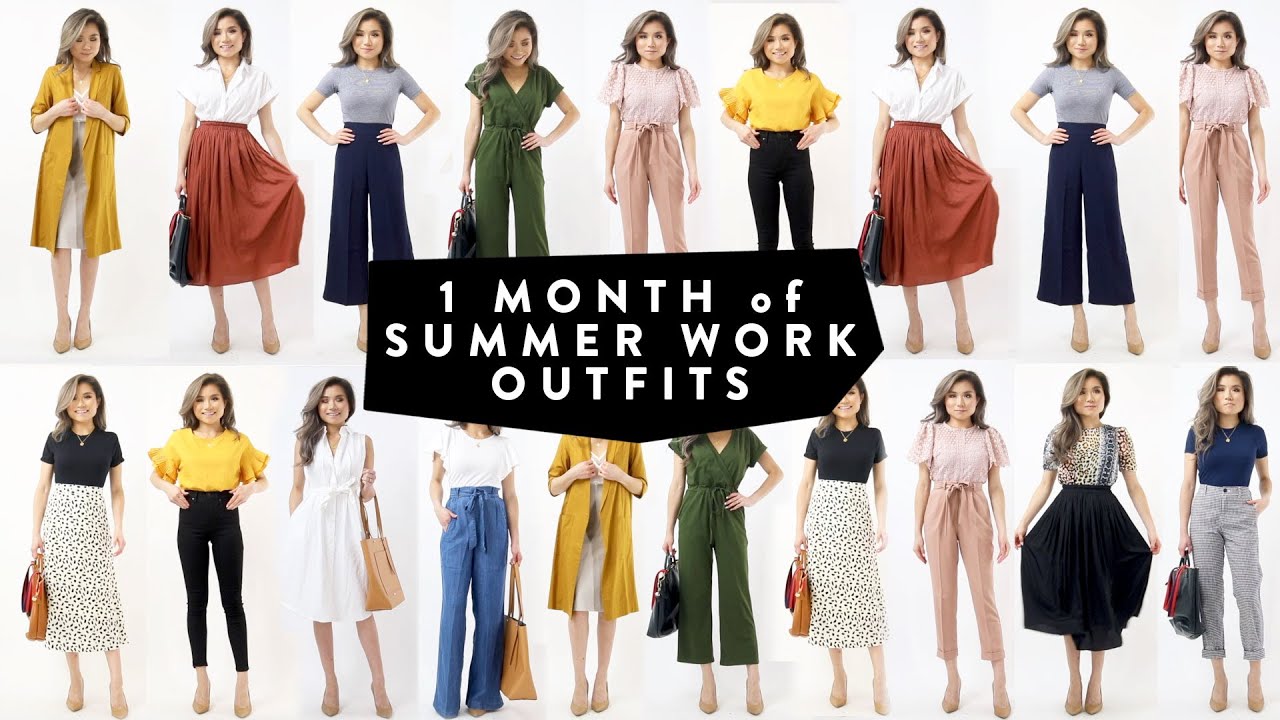
Real-world Examples: Summer Business Casual Outfits
Seeing real outfit ideas can help you plan your summer wardrobe.
Men
- Outfit 1: Pale blue short-sleeve button-down, light gray chinos, brown loafers, navy belt.
- Outfit 2: White linen long-sleeve shirt (sleeves rolled), beige chinos, navy unlined blazer, suede loafers.
- Outfit 3: Light chambray shirt, olive trousers, tan dress sneakers.
Women
- Outfit 1: Sleeveless cream blouse (under blazer), navy ankle trousers, nude ballet flats.
- Outfit 2: Structured sky blue dress, thin belt, white cardigan, beige block heels.
- Outfit 3: Soft cotton blouse with subtle print, light gray midi skirt, black loafers.
Mix and match these ideas based on your own wardrobe, office culture, and climate.
Non-obvious Tips For Staying Comfortable
- Undershirts can help: A thin cotton undershirt absorbs sweat and prevents marks on outer clothing. Choose “cool” or moisture-wicking varieties.
- Carry stain-removing wipes: Coffee or lunch stains are common. Quick-cleaning wipes save you from embarrassment.
- Choose lighter linings: Many blazers and dresses have polyester linings that trap heat. Look for unlined or cotton-lined options.
- Pick the right bag: Breathable canvas or lightweight leather bags won’t add extra heat to your commute.
Most beginners overlook the value of good undergarments and accessory choices for comfort in summer.
How To Ask About The Summer Dress Code
If you’re unsure about what’s allowed, don’t be afraid to ask. A simple, polite question to HR or your manager can prevent awkward situations.
- “Can you clarify what’s considered business casual for summer here?”
- “Are short-sleeve shirts or dresses without jackets acceptable?”
- “Does the office have a policy on sandals or open-toed shoes?”
Most companies appreciate staff who care about representing themselves well.
Credit: nextlevelwardrobe.com
Frequently Asked Questions
How Do I Avoid Sweat Marks In Summer Business Casual?
Choose breathable fabrics like cotton or linen, and wear an undershirt or camisole to absorb moisture. Stick to lighter colors, which show less sweat, and keep a spare shirt at work if possible.

Credit: www.youtube.com
Can I Wear Jeans As Business Casual In Summer?
It depends on your company’s dress code. In many offices, dark, well-fitted jeans are acceptable, but avoid ripped or overly casual styles. Pair with a collared shirt or blouse to keep the look professional.
Are Sandals Ever Ok For Business Casual?
Most workplaces do not allow sandals, especially open-toed or flip-flop styles. Some offices permit dressy peep-toes or closed-toe mules for women. Always check your company policy first.
What’s The Best Way To Keep Cool In A Suit Or Blazer?
Opt for unlined or half-lined blazers made from linen or lightweight wool. Take off your jacket when not in meetings. Wearing moisture-wicking undershirts also helps manage heat.
How Many Outfits Do I Really Need For A Summer Business Casual Wardrobe?
A basic wardrobe of 7–10 mix-and-match pieces (tops, bottoms, layers) can create enough combinations for two weeks without repeating. Focus on versatile items in neutral colors for maximum flexibility.
Looking professional in summer doesn’t have to mean suffering through the heat. With the right fabrics, smart layering, and a little planning, you can stay both comfortable and stylish all season long. Mastering business casual in summer is about understanding your office culture, investing in a few quality pieces, and knowing how to adapt as temperatures and trends change. Whether you’re new to the workforce or just want a wardrobe refresh, these tips will help you look and feel your best—no matter how high the mercury rises.
