

How to Stop Gym Clothes from Smelling: Proven Freshness Hacks
Sweaty gym sessions feel great for your body but not for your nose—especially when you pull yesterday’s workout shirt from the laundry basket. Many people wonder why their gym clothes smell even after washing. The truth is, technical fabrics trap sweat, oils, and bacteria in ways regular clothes don’t. If you’re tired of that lingering odor, you’re not alone. But the good news is, with the right steps, you can keep your workout gear fresh and odor-free.
This guide will show you how to stop gym clothes from smelling, not just mask the odor. You’ll learn why smells stick, what to do before and after workouts, smart washing habits, and even tricks for long-term freshness. Whether you’re a fitness newbie or a seasoned athlete, these methods will change the way you care for your workout wear.
Why Gym Clothes Smell Bad
To fight odor, it helps to know what causes it. Unlike cotton, most gym clothes use synthetic fabrics like polyester or nylon. These materials wick away sweat but also trap body oils and bacteria deep in the fibers.
Bacteria love warm, damp places. When sweat mixes with skin oils, it creates a perfect environment for bacteria to grow. As bacteria break down these oils, they release volatile compounds—the real reason for that sour or musty smell.
Washing alone often doesn’t fix the issue. Standard detergents may not fully penetrate tight synthetic fibers. Sometimes, drying gym clothes too slowly or leaving them wet in a bag makes things worse by giving bacteria more time to multiply.
Stop Smells Before They Start: Pre-wash Habits
Your fight against smelly gym clothes starts even before you get home from the gym. Small habits right after exercise can make a big difference.
1. Change Clothes Quickly
Don’t sit in sweaty gym clothes. As soon as you finish your workout, change into dry clothing. The longer sweat stays on fabric, the more time bacteria have to grow.
2. Air Out Used Clothes
Instead of tossing sweaty clothes into a closed bag or laundry hamper, spread them out or hang them up. This lets moisture evaporate, slowing bacterial growth. If you must use a gym bag, choose one with mesh panels or ventilation holes.
3. Don’t Delay Washing
Try to wash gym clothes as soon as possible. Leaving them damp for hours or days gives odors time to set in. If you can’t wash right away, at least let them dry completely before putting them in the laundry basket.
4. Use A Mesh Laundry Bag
Placing your gym clothes in a mesh laundry bag can help air flow and keep the clothes separated, reducing the risk of a musty smell.
5. Avoid Fabric Softeners
Fabric softeners may feel nice, but they coat synthetic fibers with a layer that traps odors and reduces moisture-wicking.
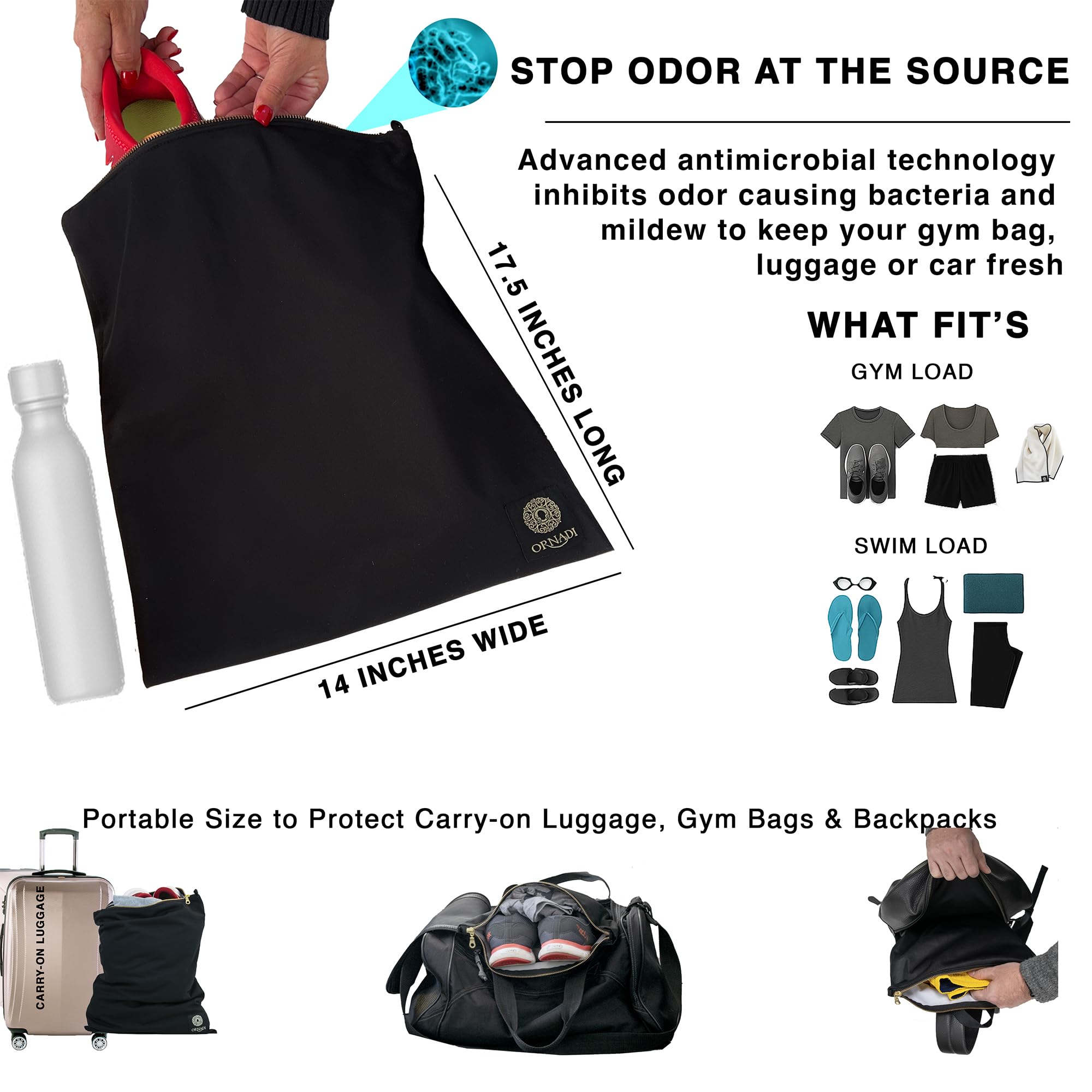
Credit: www.amazon.com
Washing Gym Clothes: The Right Way
Regular washing isn’t always enough for workout wear. You need a few special steps to get rid of odors for good.
1. Turn Clothes Inside Out
Most sweat, oils, and bacteria collect on the inside of your clothes. Turning them inside out exposes the dirtiest part to the detergent and water.
2. Use Cold Water
Hot water can set smells in synthetic fabrics. Cold water is better for removing odors without damaging the material.
3. Use Less Detergent
It’s tempting to add extra soap, but too much detergent can build up in fabric and trap smells. Use the recommended amount or even a little less.
4. Choose The Right Detergent
Some detergents are made for sportswear or synthetics. These break down body oils and bacteria better than regular detergents. Look for products labeled as sports detergent or enzyme-based.
5. Add A Booster
Sometimes, detergent alone isn’t enough. You can add natural boosters to your wash:
- White vinegar: Add ½ to 1 cup to the rinse cycle to kill bacteria and remove smells.
- Baking soda: Sprinkle ½ cup in with your detergent to neutralize odors.
- Borax: Add ¼ cup to boost cleaning power.
6. Avoid Bleach
Bleach can damage elastic fibers in workout gear and make them less effective at fighting smells.
7. Rinse Thoroughly
A second rinse cycle can help remove leftover soap and bacteria.
8. Wash Similar Items Together
Wash gym clothes with other synthetics, not towels or jeans. Heavy fabrics trap lint and bacteria that can transfer to your workout wear.
Drying: The Hidden Key To Odor Control
Many people focus on washing but forget drying is just as important for stopping gym clothes from smelling.
1. Air Dry When Possible
Heat from dryers can break down synthetic fibers and trap odors. Hanging clothes to air dry preserves the material and lets any leftover moisture evaporate.
2. Dry Clothes Completely
Never put away damp workout gear. Even a little moisture encourages bacterial growth. Make sure clothes are fully dry before folding or storing.
3. Use Sunlight
Sunlight is a natural disinfectant. Hanging clothes outside not only dries them but also kills bacteria with ultraviolet (UV) rays.
4. Don’t Overcrowd The Dryer
If you use a dryer, avoid stuffing it full. Clothes need room to tumble so air can circulate and dry them evenly.
Storage Tips For Fresh Gym Clothes
How you store workout wear between sessions affects how long they stay fresh.
1. Let Clothes Breathe
Store gym clothes in a well-ventilated area. Avoid plastic bags or airtight containers, which trap sweat and odors.
2. Use Odor Absorbers
Place a small sachet of baking soda, activated charcoal, or cedar chips in your gym bag or drawer. These absorb moisture and smells.
3. Wash Your Gym Bag
Odor often hides in your gym bag, too. Wash it regularly—especially if you carry sweaty gear home in it.
4. Rotate Your Clothes
Don’t wear the same workout outfit every session. Give each piece time to dry and air out between uses.
Advanced Odor-fighting Methods
If you still struggle with stubborn smells, try these advanced strategies.
1. Soak In Vinegar Or Baking Soda
For deep-set odors, soak your gym clothes for 30 minutes in a mix of 1 part white vinegar to 4 parts cold water, or ½ cup baking soda dissolved in water. Rinse and wash as usual.
2. Use Enzyme Cleaners
Enzyme-based products break down sweat and oils at a molecular level. They work especially well for synthetic fabrics. Follow instructions and don’t mix with bleach.
3. Try Oxygen-based Cleaners
Products like OxiClean use oxygen to lift out tough odors. Mix with water and soak clothes before washing.
4. Freeze Your Clothes
It sounds odd, but freezing kills odor-causing bacteria. Place dry gym clothes in a plastic bag and freeze overnight. This is a last resort, but it can work for lingering smells.
5. Invest In Antimicrobial Sportswear
Some brands offer workout clothes treated with antimicrobial agents that resist odor. While more expensive, they can stay fresher for longer.

Credit: www.goodhousekeeping.com
Mistakes That Make Gym Clothes Smell Worse
Some common habits can actually make odors harder to remove. Watch out for these:
- Overloading the washer: Clothes need room to move so detergent can reach every fiber.
- Using fabric softener: As mentioned, this coats fibers and traps bacteria.
- Leaving clothes wet: Even a few hours in a hamper can let smells set in.
- Ignoring the washing machine: If your machine smells, it can transfer odors to clean clothes. Run an empty hot wash with vinegar once a month.
- Wearing clothes twice: Even if they don’t seem dirty, gym clothes collect bacteria fast. Avoid re-wearing without washing.
Natural Remedies For Odor Removal
Many people prefer natural solutions over chemicals. Here are some effective options:
1. Lemon Juice
The acidity of lemon juice helps break down bacteria. Mix with water and spray on clothes before washing.
2. Tea Tree Oil
A few drops in your wash can kill bacteria and add a fresh scent.
3. Lavender Oil
Lavender not only smells good but also has mild antibacterial properties. Add a few drops to your final rinse cycle.
4. Hydrogen Peroxide
Mix with water and soak gym clothes for 30 minutes before washing. This kills tough bacteria and removes stains.
How To Deal With Stubborn Odors
Sometimes, despite your best efforts, gym clothes just won’t come clean. Here’s what to do:
1. Strip The Fabric
“Stripping” means soaking clothes in a strong cleaning solution to remove built-up oils and detergent residue. Use a mix of hot water, washing soda, borax, and a sports detergent. Soak for several hours, then rinse and wash as normal.
2. Replace Old Clothes
Workout gear has a lifespan. If your clothes still smell after all these steps, it may be time to invest in new pieces. Over time, fabric fibers break down and trap odors permanently.
Product Comparison: Regular Detergent Vs. Sports Detergent
Here’s how standard laundry detergents compare to those made for activewear.
| Feature | Regular Detergent | Sports Detergent |
|---|---|---|
| Enzyme Content | Low | High |
| Removes Body Oils | Moderate | Excellent |
| Odor Removal | Basic | Advanced |
| Fabric Safety | May Damage Synthetics | Safe for Synthetics |
| Price | Lower | Higher |
Insight: Sports detergents are specially designed to break down sweat and odor in technical fabrics. They cost more but can extend the life of your gym clothes.
Home Remedies Vs. Commercial Odor Removers
Which approach is better for tackling gym clothes odor? Here’s a quick side-by-side look.
| Method | Pros | Cons |
|---|---|---|
| Home Remedies (e.g., vinegar, baking soda) | Cheap, natural, easy to find | May require multiple treatments, not always effective for strong odors |
| Commercial Odor Removers | Powerful, fast, targeted for sportswear | More expensive, chemicals may irritate sensitive skin |
Practical Tip: If you’re sensitive to chemicals, start with natural remedies. For persistent smells, try a commercial product designed for activewear.
Long-term Habits For Fresh Gym Clothes
Odor control isn’t just about how you wash. Building these habits into your routine helps keep smells away:
1. Shower Before Working Out
Clean skin means less oil and bacteria transferred to your clothes.
2. Use Antiperspirant
Applying antiperspirant before exercise reduces sweat and odor-causing bacteria.
3. Bring Extra Clothing
If you sweat a lot, bring a second shirt or towel to change during your workout.
4. Wipe Down Equipment
Shared gym equipment can transfer bacteria to your clothes. Use gym wipes before and after use.
5. Keep Laundry Appliances Clean
A dirty washer or dryer can spread odors. Run a cleaning cycle with vinegar or a washing machine cleaner regularly.
How Often Should You Wash Gym Clothes?
The answer depends on your workout and sweat level, but here are some general guidelines:
- Shirts, sports bras, underwear: After every wear
- Shorts, leggings: After every wear if heavily sweated; otherwise, every 1-2 wears
- Jackets, outer layers: Every 3-5 wears, unless soaked with sweat
Note: Even if you don’t notice a smell, bacteria can still be present.
Common Myths About Gym Clothes Odor
Many people believe myths about laundry and workout wear. Let’s clear up some confusion.
Myth 1: More Detergent Means Cleaner Clothes
Actually, extra detergent can build up in fibers and make smells worse.
Myth 2: Only Sweat Causes Odor
Bacteria and skin oils are the main culprits. That’s why gym clothes can smell even if you don’t sweat a lot.
Myth 3: Fabric Softeners Help
Softener makes clothes feel nice but can lock in odor.
Myth 4: All Synthetic Fabrics Are The Same
Different blends have different odor retention. Polyester holds more smell than nylon or spandex.
Myth 5: Freezing Kills All Bacteria
Freezing stops bacteria but doesn’t kill all types. Use as a temporary fix, not a long-term solution.
Real-world Example: Solving Persistent Odor
Consider “Sam,” a regular at the local gym. No matter how often he washed his workout shirts, a sour smell returned. After reading up on the science, he switched to a sports detergent, started washing with cold water, and added vinegar to every rinse. He also began hanging his clothes outside to dry. Within a week, the odor was gone. The lesson: A few targeted changes can make a big difference.
When To Replace Your Gym Clothes
Even the best care can’t make gym clothes last forever. Over time, fabric stretches, breaks down, and holds onto smells. If you notice:
- Persistent odor after multiple washes
- Stains that won’t come out
- Fabric feels rough or thin
…it’s time to invest in new gear. High-quality workout wear may cost more but can last longer and resist odor better.

Credit: www.youtube.com
Environmental Impact: Washing Gym Clothes
Synthetic fabrics can shed microplastics during washing. To reduce your environmental footprint:
- Use a microfiber-catching bag like Guppyfriend in the wash
- Wash full loads to reduce friction
- Choose eco-friendly detergents
- Air dry when possible to save energy
Caring for your gym clothes properly is good for you and the planet.
The Role Of Diet In Body Odor
What you eat can affect how you and your clothes smell. Foods like garlic, onions, and spicy dishes can make sweat more pungent. Stay hydrated and eat a balanced diet for less noticeable body odor.
For more on the science of sweat and odor, the Wikipedia page on body odor offers helpful background.
Frequently Asked Questions
How Do I Remove Sweat Smell From Gym Clothes Without Washing?
Hang clothes to air out in sunlight, spray with a mix of water and vinegar, or use a fabric refresher spray. For a quick fix, put dry clothes in a sealed bag and freeze them overnight to kill some bacteria.
Can I Use Bleach On Workout Clothes?
It’s not recommended for synthetic fabrics. Bleach can damage elastic fibers and make odors worse over time. Use vinegar or enzyme cleaners instead.
Why Do My Gym Clothes Still Smell After Washing?
Odors linger because synthetic fabrics trap oils and bacteria deep in the fibers. Use a sports detergent, wash inside out, and add vinegar or baking soda to the wash. Make sure clothes dry completely.
How Often Should I Replace My Gym Clothes?
When they stay smelly after several washes, lose elasticity, or show visible wear, it’s time to buy new pieces. Quality sportswear can last longer with proper care.
Are Natural Remedies Like Vinegar Safe For All Gym Clothes?
Most gym clothes handle diluted vinegar or baking soda well, but always check care labels first. Test on a small area if you’re unsure, and avoid soaking items with metal parts.
Keeping gym clothes fresh doesn’t have to be a struggle. With the right habits and a few smart tricks, you can enjoy your workouts without worrying about odor. Your nose—and everyone around you—will thank you.
