

What Not to Wear to the Gym: Essential Style and Safety Tips
What Not To Wear To The Gym
People go to the gym for many reasons—building muscle, improving health, or simply feeling more confident. But one thing that is often overlooked is what you wear during your workout. The wrong clothes can make your session uncomfortable, less effective, or even dangerous.
Some outfits can hurt your skin, affect your movement, or attract unwanted attention. If you want to get the best from your workouts, it helps to know what not to wear to the gym.
It’s not just about looking good. The gym has its own set of rules, both written and unwritten. Wearing the wrong things can make you stand out for the wrong reasons. It can also affect other people’s experience. For example, strong perfumes or loud jewelry can bother those around you.
By choosing your gym clothes wisely, you show respect for yourself and others.
This guide explains what you should avoid wearing to the gym and why. It covers shoes, clothing materials, accessories, and more. You’ll also find practical tips, real examples, and answers to common questions. Whether you’re new to the gym or a regular, this advice will help you stay safe, comfortable, and focused on your fitness goals.
Unsuitable Footwear
Many people underestimate the importance of proper shoes. But your feet support your whole body during exercise. The wrong shoes can cause injuries, pain, and even accidents.
Flip-flops And Sandals
Flip-flops and sandals are very risky for the gym. They offer little grip and no support. This increases your chance of slipping or dropping something on your foot. Gyms often have weights and heavy equipment—protecting your feet is essential. Open-toed shoes also expose your feet to germs and fungus from the floor.
Dress Shoes And Boots
Some people come straight from work and forget to change. Dress shoes and boots are not for exercise. They are hard, slippery, and heavy. These shoes can damage gym floors and make running or jumping difficult. They also restrict foot movement, making your workout less effective.
Worn-out Or Old Sneakers
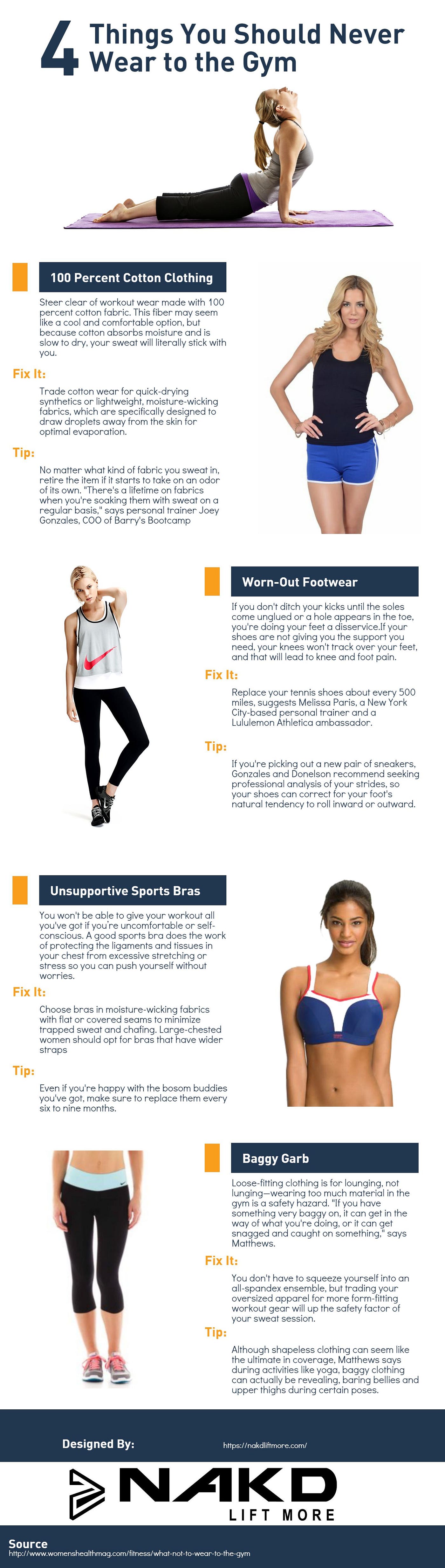
Wearing old sneakers with no grip or support is a common mistake. As shoes get older, their soles wear down, and their structure weakens. This can lead to foot pain, knee injuries, or even back problems. If the tread is flat or the shoes are loose, it’s time to replace them.
Shoes Without Socks
Some people skip socks to save time or stay cool. But socks help absorb sweat and prevent blisters. They also protect your feet from bacteria and fungus. Without socks, your shoes will also start to smell bad quickly.
Non-obvious insight: Many people believe running shoes are good for every workout. However, running shoes are built for forward movement, not side-to-side action. If you do weightlifting or classes like Zumba, you may need cross-trainers or specific gym shoes.
Inappropriate Clothing Materials
The material of your clothes affects your comfort, hygiene, and performance. Some fabrics are not suitable for sweating, moving, or stretching.
100% Cotton
Cotton is soft and comfortable, but it absorbs sweat and dries slowly. This can leave you feeling heavy and damp during your workout. Wet cotton can cause chafing and even skin rashes. It also holds on to bad smells.
Denim
Wearing jeans or denim shorts to the gym is a big mistake. Denim is stiff, heavy, and not stretchy. It restricts movement and can tear during exercise. Sweat also makes denim uncomfortable and sticky.
Wool Or Heavy Fabrics
Wool and thick fabrics are too warm for the gym. They trap heat and moisture, which can cause overheating or dehydration. These materials also take a long time to dry.
Non-breathable Synthetics
Some cheap gym clothes are made from plastic-like materials that do not breathe. These fabrics trap sweat next to your skin, making you feel hot and sticky. They can also cause skin irritation or rashes.
Non-obvious insight: High-performance synthetic fabrics like polyester blends are designed to wick away sweat. But not all synthetics are equal—some feel plasticky and make you sweat even more. Always check the label for “moisture-wicking” or “breathable.”
Wrong Clothing Fit
How your clothes fit can change your entire workout. Both too-tight and too-loose clothes can cause problems.
Clothes That Are Too Tight
Many people like to show off their muscles or figure, but overly tight clothes can cut off circulation and limit movement. Tight leggings or tops can cause skin irritation, especially if seams rub during repetitive motions. They also make it hard to breathe deeply during cardio.
Clothes That Are Too Loose
Baggy shirts or shorts may feel comfortable, but they can get caught in equipment. Loose clothes can ride up during exercises like squats or yoga, exposing more than you want. In extreme cases, baggy pants or sleeves can get pulled into machines, causing injury.
Ill-fitting Sports Bras
For women, a good sports bra is as important as shoes. A sports bra that is too loose will not support you, causing discomfort or even long-term breast tissue damage. Too-tight bras restrict breathing and movement. You should be able to fit two fingers under the band, but it should not move around.
Unhygienic Or Dirty Clothing
Wearing clean clothes is not just for looks—it's about hygiene and health. Sweat and bacteria can quickly build up in gym clothes.
Reusing Yesterday’s Clothes
It’s tempting to wear the same outfit two days in a row, especially if you did not sweat much. But even a little sweat can attract bacteria. This can cause body odor and skin infections. Always wear clean clothes for each session.
Not Washing Gym Towels
Some people bring a towel but forget to wash it. Towels collect sweat, bacteria, and even fungus. Using a dirty towel spreads germs to your skin and the gym equipment.
Wearing Clothes With Stains Or Holes
Old gym clothes with sweat stains, holes, or fraying edges look unprofessional. They can also get caught on equipment or tear during use. Stained clothes often have bacteria that can irritate your skin.
Excessive Or Distracting Accessories
Many people like to express themselves with accessories. However, too many or the wrong type can be a problem at the gym.
Jewelry
Rings, bracelets, necklaces, and large earrings can get caught on machines or weights. This can cause painful injuries. Long necklaces can swing during exercise, hitting you or others. Even small rings can pinch your fingers during weightlifting.
Watches And Fitness Trackers
A simple fitness tracker is usually fine, but bulky or expensive watches can get damaged or cause discomfort. Smartwatches can be helpful, but avoid anything with sharp edges that might scratch equipment or your skin.
Belts And Chains
Fashion belts, wallets on chains, or decorative sashes are not suitable for the gym. They can dig into your skin, restrict movement, or get caught in machines.
Headphones With Long Cords
Music can boost your workout, but long headphone cords are a tripping hazard. They can get caught on equipment or weights. Consider wireless earbuds instead.
Practical tip: If you have piercings, use small, flat studs and avoid hoops. Remove anything that could be pulled or twisted during your session.
Strong Fragrances And Lotions
Personal hygiene is important, but strong scents can bother others.
Heavy Perfume Or Cologne
Some people try to cover up sweat with perfume or cologne. But in a closed gym space, strong smells can trigger allergies or headaches in others. Sweat can also make perfume smell stronger.
Oily Or Greasy Lotions
Lotions keep your skin soft, but greasy products make it hard to grip weights. They can also leave marks on gym equipment, making it slippery for the next person.
Self-tanning Creams
Self-tanners can rub off on clothes and machines, leaving stains. They can also mix with sweat and cause streaks on your skin.
Real example: Many gyms have had to clean benches or mats stained by oils or tanners. This is not just unsightly—it’s unhygienic.
Revealing Or Inappropriate Outfits
The gym is a public place. While comfort is important, very revealing or inappropriate clothing can make others uncomfortable.
See-through Leggings Or Shorts
Thin or light-colored leggings can become see-through when stretched. Always check your outfit in good light before heading to the gym. Bending, squatting, or sweating can make this worse.
Very Short Shorts
Short shorts can ride up, exposing too much skin during exercises. They can also chafe your thighs and are not suitable for sitting on shared gym equipment.
Crop Tops Or Sports Bras Only
Some gyms allow crop tops or just sports bras, but others have dress codes. Even if allowed, consider if you feel comfortable and if it matches the gym environment. It’s also easier to pick up germs from benches or mats with more skin exposed.
Loose Tank Tops With Large Armholes
Men’s tank tops with giant armholes can reveal too much and are often not allowed in gyms. They can also let sweat drip onto equipment.
Non-obvious insight: Even if you are comfortable showing more skin, remember that gyms often have cameras for security. Dressing modestly protects your privacy.
Inappropriate Outerwear
Some people forget to remove their street clothes before working out.
Jackets And Coats
Wearing a jacket or coat in the gym makes you overheat quickly. These items are not designed for movement and limit your range of motion.
Scarves And Hats
Scarves can get caught in machines, and hats make you sweat more. In some cultures, head coverings are worn for religious reasons. In that case, choose a tight, moisture-wicking material that will not slip or overheat you.
Rain Gear
Rain jackets and ponchos trap sweat, making you lose water quickly but not fat. This can be dangerous, leading to dehydration or heat exhaustion.
Inappropriate Underwear
Underwear is an important but often ignored part of gym attire.
No Underwear
Some people skip underwear for comfort or because their leggings have built-in liners. But without underwear, you risk chafing, visible sweat, and hygiene problems.
Regular Bras Or Underwear
Regular bras do not offer enough support for exercise and can be painful. Cotton underwear absorbs sweat and can cause irritation.
Shapewear Or Compression Garments
Shapewear is not the same as athletic compression. Shapewear restricts breathing and movement and can cause overheating during workouts.
Practical tip: Choose seamless, moisture-wicking underwear to avoid lines and stay comfortable.
Inappropriate Logos Or Offensive Prints
What you wear also sends a message to others.
Clothing With Offensive Words Or Images
Shirts or hats with rude language, offensive jokes, or inappropriate images are never suitable for the gym. They can create a hostile environment and may break gym rules.
Political Or Controversial Statements
Clothing with strong political messages can lead to uncomfortable situations or arguments. The gym should be a neutral, positive space for everyone.
Large Team Logos
Wearing sports team logos is fine, but avoid wearing rival team gear in a gym where people feel strongly about sports. It can lead to teasing or even conflict in some places.

Credit: testifysc.com
Outdated Or Dangerous Gear
Some people use old or unsafe accessories because they do not know better.
Old Weightlifting Gloves
Gloves with worn-out grip can cause you to drop weights. Old gloves also harbor bacteria and smell bad.
Broken Or Torn Equipment
Wearing a torn lifting belt or a broken knee brace is unsafe. These items may not support you properly and can cause more harm than good.
Outdated Support Straps
Wrist wraps, knee sleeves, and ankle braces must be in good shape. Old, stretched-out supports are not effective.
Non-obvious insight: Equipment like belts and gloves should be washed or wiped down regularly. Sweat and bacteria build up over time, even if they look clean.
Gym Clothes Comparison
Here is a simple comparison of good vs. bad gym clothing choices:
| Clothing Type | Good Choice | Bad Choice | Why |
|---|---|---|---|
| Shoes | Cross-trainers, gym shoes | Sandals, worn-out sneakers | Support and safety |
| Shirt | Moisture-wicking tee | Cotton t-shirt | Stay dry and comfortable |
| Pants | Stretchy leggings | Denim jeans | Freedom of movement |
| Accessories | Small fitness tracker | Big earrings, chains | Safety and focus |
How The Wrong Clothes Affect Performance
Wearing the wrong clothes does more than just look bad. It can lower your workout quality and even lead to injury.
| Wrong Clothing | Possible Effect | Example |
|---|---|---|
| Loose shorts | Movement restriction | Shorts riding up during squats |
| Tight sports bra | Breathing difficulty | Cannot breathe deeply during cardio |
| Dirty shirt | Skin irritation | Itching and redness after workout |
| Sandals | Foot injury risk | Dropped weight on bare foot |
Common Mistakes And How To Avoid Them
It’s easy to make mistakes when choosing gym clothes, especially if you are new to working out. Here are some common errors and how to avoid them:
- Forgetting a Test Run: Before you wear new gym clothes, try moving, squatting, and stretching in them at home. This helps you spot see-through areas or loose parts.
- Not Reading the Label: Always check if your clothes are moisture-wicking or breathable. If the label does not mention it, the fabric may not be suitable.
- Ignoring the Dress Code: Some gyms have strict rules about what you can wear. Always read the posted guidelines or ask staff if you are unsure.
- Wearing Fashion Over Function: Stylish gym clothes are popular, but always choose comfort and safety first. Avoid items just because they look good on social media.
- Skipping the Laundry: Even if you don’t sweat much, bacteria and odors build up. Wash your gym gear after every use.

Credit: www.youtube.com
The Social Side Of Gym Clothing
What you wear in the gym affects not just your workout, but also how people see you. If you wear clean, comfortable, and suitable clothes, you will feel more confident. Others will also see you as respectful and serious about fitness.
Gyms are shared spaces. Strong smells, loud prints, or revealing outfits can distract others. Choosing the right gym wear shows you care about the community. It can even help you make friends or get advice from trainers.
Practical advice: If you are unsure about an outfit, ask yourself: Can I move in every direction? Will this bother others? Is it clean and in good shape?
Real-world Stories
Many people learn about gym clothing the hard way. Here are two true examples:
- A man wore baggy sweatpants to the gym. During a treadmill run, his pants got caught and he fell, hurting his ankle. Since then, he wears fitted joggers.
- A woman wore a regular bra to a HIIT class. After a few jumps, she felt pain and had to leave the class early. She now uses a high-support sports bra and feels much better.
These stories show that the right gym clothes are important for safety, comfort, and confidence.
Frequently Asked Questions
What Type Of Shoes Should I Wear To The Gym?
Choose closed-toe athletic shoes with good grip and support. Running shoes are best for cardio, while cross-trainers work for classes and weights. Avoid sandals, dress shoes, and old, worn-out sneakers.
Credit: medium.com
Can I Wear Leggings To The Gym?
Yes, leggings are great if they are made from stretchy, moisture-wicking material and are not see-through. Test them at home by bending and squatting in bright light.
Is It Okay To Wear Jewelry While Exercising?
It’s best to avoid jewelry at the gym. Rings, necklaces, and bracelets can get caught in machines or weights and cause injury. If you must wear something, choose small, flat studs.
How Often Should I Wash My Gym Clothes?
Wash your gym clothes after every use, even if you did not sweat much. Bacteria and odor build up quickly in workout fabrics.
What Should I Do If My Gym Has A Dress Code?
Always follow your gym’s dress code. If you are unsure, ask the staff or check the gym’s website. Dress codes are there for safety, comfort, and hygiene.
Final Thoughts
Wearing the right clothes to the gym is about more than style. It helps you stay safe, comfortable, and focused on your workout. Avoid shoes without support, clothes that are too tight or loose, and items that distract or endanger you or others.
Always choose clean, breathable, and functional gym wear.
Remember, every gym is different. Pay attention to your own comfort and the rules of your gym. By making smart clothing choices, you’ll not only improve your performance but also respect those around you. For more tips on gym etiquette and best practices, visit the Centers for Disease Control and Prevention.
With the right attire, you can focus on what really matters—becoming healthier, stronger, and more confident every time you step into the gym.
