

How to Describe Business Casual: A Simple Guide for Professionals
How To Describe Business Casual
Business casual is a dress code that many people hear about, but few can describe with confidence. You might see it in a job offer, an office memo, or an event invitation. Yet, when you open your closet, you may still wonder: What exactly is business casual? Is it just about wearing khakis instead of a suit? Or is there more to it?
Business casual is popular in workplaces around the world because it offers flexibility, comfort, and a modern professional look. But its meaning can change from one office to another, and even from one country to the next. Knowing how to describe business casual, and how to dress for it, helps you feel confident, make a strong impression, and avoid embarrassing mistakes.
This guide will explain business casual in detail, show you what it looks like for men and women, and help you understand the common expectations. We’ll also cover what to avoid, how to adapt your outfit for different situations, and tips for anyone new to the workplace.
By the end, you’ll know how to describe business casual clearly and dress for it with ease.
What Is Business Casual?
Business casual is a dress code that blends elements of professional and casual attire. It allows for more comfort and personal style than traditional business wear, but it still looks neat and polished. In short, it is a step down from formal business attire, yet a step up from everyday casual clothes.
A good way to describe business casual: Professional but relaxed. You look ready for work, but not overly formal.
Key Elements Of Business Casual
- Collared shirts or blouses (not T-shirts)
- Dress pants, chinos, or slacks (not jeans)
- Closed-toe shoes (not sneakers or sandals)
- Optional layers like sweaters or blazers
- Minimal accessories
- Neat, clean appearance
Business casual is not about a specific set of clothes. It’s about looking put-together and respectful in a work setting, without wearing a full suit.
Why Companies Choose Business Casual
Many companies adopt business casual because it:
- Makes employees more comfortable
- Supports a modern, flexible work culture
- Encourages self-expression within limits
- Attracts younger talent
Some industries, like finance or law, may stick to formal business wear. But many offices, especially in tech, marketing, and education, prefer business casual.
Business Casual For Men
Understanding business casual for men can be tricky, especially with so many choices today. Here is a clear breakdown of what is typically expected.
Shirts
The safest choice is a collared shirt. This can be:
- Button-down dress shirts (solid colors or subtle patterns)
- Polo shirts (in good condition)
- Sweaters layered over a shirt
T-shirts, especially those with logos or graphics, are rarely appropriate.
Pants
Business casual pants for men include:
- Dress pants or slacks
- Chinos or khakis
Jeans are sometimes allowed, but only if they are dark, clean, and without rips.
Shoes
Appropriate shoes for business casual:
- Loafers
- Dress shoes (Oxfords, Derbies)
- Brogues
- Clean leather sneakers (if office allows)
Avoid flip-flops, sandals, or athletic shoes.
Jackets And Layers
A blazer or sport coat can add polish, but is often optional. Sweaters or cardigans are also suitable, especially in colder months.
Accessories
Keep accessories simple:
- A classic watch
- Belt that matches your shoes
- Simple tie (if desired, but not required)
Quick Reference Table: Business Casual For Men
| Item | Acceptable | Not Acceptable |
|---|---|---|
| Shirts | Button-downs, polos, sweaters | T-shirts, tank tops |
| Pants | Slacks, chinos, khakis | Shorts, ripped jeans |
| Shoes | Loafers, dress shoes | Sandals, flip-flops |
| Jackets | Blazer (optional) | Hoodies |
Business Casual For Women
For women, business casual offers many choices, but this can also make it confusing. The main idea is to balance professionalism with comfort and style.
Tops
Suitable tops include:
- Blouses
- Button-down shirts
- Sweaters or cardigans
- Modest tops with sleeves
Tank tops, spaghetti straps, and low-cut tops should be avoided.
Bottoms
Business casual bottoms for women include:
- Dress pants or slacks
- Pencil skirts or A-line skirts (knee-length or longer)
- Chinos or tailored trousers
Jeans may be allowed in some offices, but should be dark and free of tears.
Dresses
Dresses are a great business casual choice if they are:
- Knee-length or longer
- Not too tight or revealing
- Paired with a cardigan or blazer, if sleeveless
Shoes
Appropriate footwear for business casual:
- Flats
- Loafers
- Low to medium heels
- Clean leather sneakers (if office allows)
Avoid flip-flops, high stilettos, or beach sandals.
Accessories And Jewelry
Keep accessories simple and neat:
- Small earrings
- Subtle necklaces or bracelets
- Professional bag or tote
Quick Reference Table: Business Casual For Women
| Item | Acceptable | Not Acceptable |
|---|---|---|
| Tops | Blouses, sweaters | Tank tops, graphic tees |
| Bottoms | Slacks, skirts, dresses | Shorts, mini skirts |
| Shoes | Flats, low heels | Flip-flops, high stilettos |
| Accessories | Simple jewelry | Large, flashy pieces |
Business Casual Vs. Other Dress Codes
It’s easy to get confused between business casual and other dress codes, such as business formal or smart casual. Here’s how they compare.
Business Casual Vs. Business Formal
- Business formal: Full suit and tie for men, tailored suit or skirt suit for women, dress shoes, limited color options.
- Business casual: Relaxed version, no tie required, separates allowed, more color and pattern options.
Business Casual Vs. Smart Casual
- Smart casual: More relaxed than business casual, allows jeans and more creative outfits, but still neat.
- Business casual: Slightly more structured, often requires collared shirts and dress pants.
Business Casual Vs. Casual
- Casual: No rules, anything goes (jeans, shorts, T-shirts).
- Business casual: Rules about neatness, types of clothing, and overall look.
Visual Comparison Table
| Dress Code | Formality | Typical Outfits |
|---|---|---|
| Business Formal | High | Suit & tie, formal dresses |
| Business Casual | Medium | Collared shirt, slacks, skirts |
| Smart Casual | Medium-Low | Blazer & jeans, neat separates |
| Casual | Low | T-shirts, jeans, sneakers |
What To Avoid In Business Casual
Describing business casual is not just about what to wear—it’s also about what not to wear. Many mistakes happen because people think "casual" means anything goes. Here are some things to avoid:
- Graphic T-shirts or tops with slogans
- Ripped or faded jeans
- Shorts or mini skirts
- Flip-flops or slides
- Athletic wear like sweatpants or hoodies
- Overly bright colors or loud patterns
- Heavy or flashy jewelry
- Clothes that are too tight or too loose
- Wrinkled or unclean clothes
- Unkempt hair or poor grooming
Some workplaces may allow certain items, but it’s safer to avoid them unless you know the office culture well.
How To Describe Business Casual To Others
If you need to explain business casual to a friend, coworker, or new employee, use clear examples and comparisons.
- Start with: “Think of business casual as dressing for a meeting with a client, but not wearing a full suit.”
- Explain that it is about looking professional, but not formal.
- Give examples: “For men, that might be slacks and a button-down shirt. For women, a blouse with dress pants or a knee-length skirt.”
- Mention what to avoid: “No jeans, shorts, or sneakers unless your office allows them.”
- Suggest checking with HR or a manager when in doubt.
This approach helps others understand that business casual is a balance—not too formal, not too relaxed.
Adapting Business Casual To Different Workplaces
Every company may interpret business casual differently. Tech startups, creative agencies, banks, and schools often have their own ideas about what fits.
Office Culture Differences
- Tech companies: Often allow jeans and T-shirts, as long as they are neat.
- Finance or law firms: Stick closer to traditional dress—slacks, collared shirts, blouses.
- Creative industries: More room for color, patterns, or trendy items.
- Education: Comfortable, practical, but still polished.
International Variations
Business casual in one country can look different in another. For example:
- United States: Chinos and polos are common.
- United Kingdom: May expect a blazer or jacket.
- Japan: More conservative—avoid bright colors, keep it classic.
Always consider local culture and norms.
Remote And Hybrid Work
With more people working from home, business casual has shifted. Many companies expect employees to look professional on video calls, but may allow more relaxed outfits below the waist. Some tips:
- Focus on tops: Button-down shirts, blouses, or sweaters
- Keep hair and grooming neat
- Avoid pajamas or overly casual clothes, even if not visible on camera
The Psychology Behind Business Casual
Wearing business casual is not just about following rules. It also affects how you feel and how others see you.
Confidence And Productivity
- When you dress professionally, you often feel more confident and focused.
- Studies suggest that dressing up, even a little, can improve work performance and help set boundaries between work and personal life.
First Impressions
- Your outfit is one of the first things people notice.
- A neat business casual look shows you respect the company, your coworkers, and yourself.
Non-obvious Insight
One thing beginners often miss: Fit and grooming matter as much as the clothes themselves. Even the best business casual outfit can look sloppy if it doesn’t fit well or is wrinkled.
Another tip: Subtle details, like clean shoes and tidy hair, make a big difference. People may not remember your shirt, but they will notice if your shoes are scuffed or your hair is messy.
Tips For Building A Business Casual Wardrobe
If you’re new to business casual, building your wardrobe can be overwhelming. Here are some practical steps:
- Start with basics: A few pairs of slacks, neutral button-down shirts, and simple shoes.
- Add layers: Sweaters or a blazer can make outfits more versatile.
- Choose neutral colors: Navy, gray, black, and white mix easily.
- Invest in fit: Tailor pants or shirts if they don’t fit perfectly.
- Buy quality over quantity: Well-made clothes last longer and look better.
- Pay attention to care: Iron shirts, polish shoes, and keep everything clean.
- Update as needed: Replace worn items and add new pieces over time.
Sample Capsule Wardrobe For Business Casual
For those who want a simple starting point, a capsule wardrobe is a small collection of versatile pieces that can be mixed and matched.
For Men:
- 3-4 button-down shirts (white, blue, light gray, subtle pattern)
- 2 pairs of dress pants (navy, charcoal)
- 1 pair of chinos
- 1 blazer (navy or gray)
- 2 sweaters (neutral colors)
- 2 pairs of shoes (brown and black loafers)
For Women:
- 3-4 blouses (white, pastel, simple print)
- 2 pairs of dress pants
- 1 pencil skirt (navy or black)
- 1 knee-length dress
- 1 cardigan and 1 blazer
- 2 pairs of shoes (flats and low heels)
This small wardrobe can create many outfits and help you dress business casual without stress.
Business Casual For Different Body Types
Many people struggle with business casual because they don’t know what flatters their body. Here are some helpful tips:
For Men
- Tall and slim: Choose fitted but not tight clothing; layering with sweaters or a blazer adds bulk.
- Shorter build: Avoid oversized clothes; pants with little break elongate the legs.
- Broad build: Avoid horizontal stripes; try darker colors and structured jackets.
For Women
- Petite: Knee-length skirts or dresses, tailored pants, avoid overly long tops.
- Curvy: Structured blouses, A-line skirts, and wrap dresses flatter the waist.
- Tall: Midi skirts, statement belts, and layers add interest.
Don’t be afraid to try different styles until you find what suits you best.

Credit: www.walmart.com
Business Casual Mistakes Beginners Make
Even with good intentions, mistakes are common. Here are a few to watch out for:
- Wearing clothes that are too casual: Jeans, T-shirts, or sneakers without checking if they’re allowed.
- Ignoring fit: Baggy pants or shirts look unprofessional.
- Choosing flashy colors or patterns: Stick to subtle styles unless you know the office culture allows it.
- Over-accessorizing: Big jewelry or bright bags can distract from your professional image.
- Not caring for clothes: Wrinkled shirts or scuffed shoes send the wrong message.
A non-obvious mistake: Copying others without checking the dress code. Sometimes, what you see on casual Fridays is not the norm for every day.
Business Casual And Gender Expression
Today, many people want to express their identity at work while still fitting the dress code. Business casual is flexible enough to allow this, as long as the look remains polished.
- Mix and match: Blazers, pants, and shirts can be combined in ways that suit your style.
- Choose fit and color: There is no rule that says women must wear skirts or men must wear ties.
- Ask HR: If you’re unsure, a quick check with human resources can help you feel comfortable and confident.
A respectful, neat appearance is always more important than following old-fashioned gender rules.

Credit: www.gq.com
How To Ask About Business Casual At A New Job
If you’re starting a new job and not sure about the dress code, here’s how to ask politely:
- “Could you tell me more about the dress code?”
- “Is there anything I should avoid wearing?”
- “What do most people wear to work here?”
- “Do you allow jeans or sneakers?”
Most managers appreciate when new employees want to get it right.
Business Casual For Special Occasions
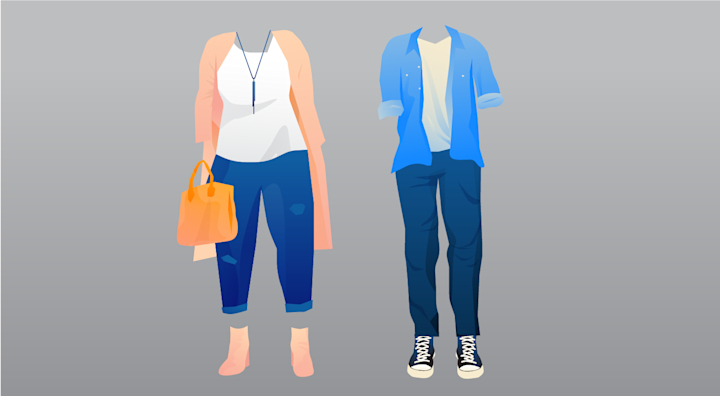
Sometimes, you’ll see "business casual" on invitations for work events, conferences, or meetings. Here’s how to adapt:
- Networking events: Dress one step above your usual business casual—add a blazer, wear your best shoes.
- Company parties: Keep it relaxed, but avoid anything too revealing or flashy.
- Presentations: Look sharp with a tailored shirt or blouse and polished shoes.
When in doubt, it’s better to be a little overdressed than underdressed.
Credit: www.indeed.com
The Future Of Business Casual
Workplaces continue to change, and so do dress codes. More companies are focusing on comfort, diversity, and personal style. This means business casual is likely to stay, but the rules may become even more relaxed and flexible.
Some trends to watch:
- More acceptance of jeans and clean sneakers
- Mixing classic pieces with modern, comfortable items
- Gender-neutral clothing options
- Focus on sustainability and ethical fashion
You can keep your wardrobe current by paying attention to your company’s culture and changes in the wider business world.
For more background on the evolution of dress codes, see this Wikipedia article on dress codes.
Frequently Asked Questions
What Is The Main Difference Between Business Casual And Business Formal?
Business formal requires a suit and tie for men, and a tailored suit or dress for women, with dress shoes and a very polished look. Business casual allows more flexibility—no suit or tie required, and separates like slacks and blouses are common. The goal with business casual is to look professional but relaxed.
Can I Wear Jeans For Business Casual?
In some offices, dark, clean jeans are allowed as part of business casual, especially on Fridays. However, ripped, faded, or distressed jeans are usually not acceptable. It’s best to check your company’s policy before wearing jeans.
Are Sneakers Okay In Business Casual?
Most traditional business casual dress codes do not allow sneakers. However, some modern workplaces, especially in tech or creative fields, accept clean, minimalist leather sneakers. Athletic or colorful sneakers are still not appropriate.
Is Business Casual The Same For Every Company?
No, the meaning of business casual changes between companies and industries. What is acceptable in a tech startup may not be in a law firm. Always observe what others wear, ask about the dress code, or review the employee handbook.
How Can I Build A Business Casual Wardrobe On A Budget?
Start with a few neutral basics that can be mixed and matched, like slacks, simple shirts, and classic shoes. Shop sales, consider secondhand stores, and focus on quality rather than quantity. Tailoring inexpensive items can also make them look more professional.
Business casual is all about balance—professional, comfortable, and appropriate for your specific workplace. By following these guidelines, you can describe business casual clearly and feel confident in any professional setting.
