

Business Casual Not Tucked In: Effortless Style Tips for Professionals
Business Casual Not Tucked In
Finding the right balance between comfort and professionalism is not always easy. One trend that’s become more popular is business casual not tucked in—shirts worn loose, not tucked into pants or skirts. This style is growing in offices and meetings around the world, but many people still wonder: Is it appropriate? How do you make it look sharp, not sloppy? What should you avoid? In this article, we’ll explore the details of business casual not tucked in, including who can wear it, how to style it, and mistakes to avoid. You’ll learn how to look professional without feeling stiff or uncomfortable.
What Is Business Casual Not Tucked In?
Business casual is a dress code that mixes formal and relaxed clothing. It’s less strict than full business attire (like suits), but still neat and professional. Wearing shirts untucked is a variation that’s less formal than traditional business casual, but it’s not just about comfort. It’s a style choice.
When you wear a shirt untucked, it hangs over your waistband. Usually, this look is used with button-down shirts, polos, or blouses that are designed to be worn untucked (often called “casual fit” or “short hem”). The goal is a clean, tailored look—not sloppy or oversized.
Some companies accept this style, while others expect shirts tucked in. It’s important to know your workplace culture before you try it.
Why Untucked Shirts Are Becoming Popular
There are several reasons why untucked shirts are gaining ground in business casual settings:
- Comfort: Tucked shirts can feel restrictive, especially if you move around a lot. Untucked shirts allow more freedom.
- Modern style: Many people prefer a relaxed yet polished look. Untucked shirts fit this trend.
- Flexible workplaces: As companies move away from strict dress codes, employees have more room to express their personal style.
- Easy maintenance: Untucked shirts often wrinkle less and don’t need constant adjusting.
Recent surveys show that over 40% of US offices now allow untucked shirts as part of business casual. This number is higher in creative and tech workplaces, where dress codes are looser.
Key Elements Of Business Casual Not Tucked In
To make this style work, you need to pay attention to several details. It’s not just about leaving your shirt untucked. Here are the main factors:
Shirt Fit And Hem
Not every shirt looks good untucked. Choose shirts designed for this purpose. Features to look for:
- Shorter hem length: The shirt should end around mid-zipper on your pants—not too long.
- Tailored fit: The shirt should be slim but not tight. Avoid baggy shirts; they look sloppy.
- Rounded or straight hem: Shirts with a straight hem are made to be worn untucked. Rounded hems can work, but only if they’re not too long.
A good rule: If your shirt covers your entire backside or more than half your front pockets, it’s probably too long to wear untucked.
Fabric Choices
The fabric affects how the shirt drapes. For business casual, stick to:
- Cotton: Lightweight, easy to iron, and classic.
- Linen: Good for warmer climates, but wrinkles easily.
- Oxford cloth: Slightly heavier, holds its shape well.
- Polyester blends: Wrinkle-resistant, but sometimes less breathable.
Avoid heavy flannel or shirts meant for layering. These are too casual for most offices.
Colors And Patterns
Business casual works best with neutral colors and simple patterns:
- White, blue, gray, light pink: Safe choices.
- Subtle stripes or checks: Acceptable if not too bold.
- Solid colors: Always professional.
Bright colors or loud prints can look unprofessional. If your workplace is creative, you may have more flexibility.
Pants And Skirts
Pair untucked shirts with well-fitted pants or skirts:
- Chinos or slacks: Clean lines, no holes or fraying.
- Dark jeans: Acceptable in some offices, but never distressed.
- Pencil skirts or A-line skirts: For women, these look sharp with untucked blouses.
Baggy, sagging, or ripped pants will ruin the business casual look.
Shoes And Accessories
Footwear and accessories complete your outfit:
- Loafers, brogues, flats, or low heels: Classic choices.
- Belts: Even with untucked shirts, a nice belt adds polish.
- Minimal jewelry: Simple watches, stud earrings, or slim bracelets.
Avoid sneakers, flip-flops, or flashy accessories.
When Is Untucked Business Casual Acceptable?
Not every workplace allows untucked shirts. Here’s how to know if it fits your office culture:
- Company dress code: If your employer has written guidelines, check them first.
- Industry standards: Creative, tech, and startup companies are usually more relaxed. Law, finance, or government tend to be stricter.
- Office events: Untucked shirts can work for casual Fridays, team outings, or informal meetings. For client meetings or big presentations, stick to tucked-in.
A non-obvious insight: Some offices have “hidden rules” about dress. Watch what senior staff wear. If managers regularly leave shirts untucked, it’s probably safe for you too.
How To Style Untucked Business Casual
Looking polished with an untucked shirt takes some effort. Use these tips:
For Men
- Choose shirts with a straight hem and a slim fit.
- Pair with chinos, slacks, or dark jeans.
- Add a belt, even if the shirt covers it—this keeps pants fitted.
- Layer with a smart blazer or cardigan if needed.
- Wear clean, classic shoes (loafers, brogues).
For Women
- Select blouses or button-downs with shorter hems.
- Pair with tailored trousers or a pencil skirt.
- Layer with a fitted blazer, but avoid oversized jackets.
- Add simple accessories (stud earrings, slim watch).
- Choose flats, loafers, or low heels.
A practical tip: If your shirt is slightly too long, try a half-tuck—tuck in the front, leave the sides and back loose. This modern look is accepted in many offices.
Common Mistakes With Untucked Business Casual
Even though untucked shirts are trendy, there are common mistakes to avoid:
- Wearing shirts that are too long—looks messy and unprofessional.
- Choosing oversized or baggy shirts—loses the tailored look.
- Mixing untucked shirts with distressed jeans or sneakers—too casual.
- Ignoring company culture—some offices simply don’t accept untucked shirts.
- Forgetting to iron or steam shirts—wrinkles stand out more when untucked.
- Wearing untucked shirts with formal suits—confusing style signals.
- Using bold colors or loud patterns—can be distracting.
A subtle mistake: Some people wear untucked shirts with low-rise pants, which can make the shirt look even longer and less polished.
Credit: www.reddit.com
Comparing Tucked Vs. Untucked Business Casual
To understand the differences, let’s look at a comparison:
| Aspect | Tucked Business Casual | Untucked Business Casual |
|---|---|---|
| Formality Level | Higher | Moderate |
| Comfort | Less comfortable | More comfortable |
| Fit Requirement | Flexible | Tailored fit needed |
| Wrinkle Visibility | Lower | Higher |
| Acceptability | Most offices | Depends on workplace |
As shown, untucked business casual is less formal but more comfortable. It requires careful shirt selection and attention to fit.
Data: Workplace Acceptance Of Untucked Business Casual
Let’s look at some data on how common untucked shirts are in offices:
| Industry | Untucked Allowed (%) | Typical Dress Code |
|---|---|---|
| Technology | 65 | Casual/Business Casual |
| Marketing | 52 | Business Casual |
| Finance | 18 | Business Formal |
| Education | 41 | Business Casual |
| Healthcare | 32 | Business Casual |
This shows that untucked business casual is most common in tech and marketing, less so in finance.
How To Choose The Right Shirt For Untucked Business Casual
Selecting the right shirt is key. Here’s what to look for:
Hem Length
- Aim for shirts that end between the middle and bottom of your zipper.
- Avoid shirts that cover your entire backside.
Shirt Type
- Look for shirts labeled “casual fit” or “untucked fit.”
- Avoid dress shirts designed to be tucked.
Brand Examples
Some brands offer shirts made for untucked wear, such as UNTUCKit, Bonobos, and Uniqlo. These shirts have shorter hems and tailored fits.
Comparison: Shirt Types
| Shirt Type | Best For | Untucked Wear? |
|---|---|---|
| Dress Shirt | Formal events | No |
| Casual Button-Down | Business casual, creative offices | Yes |
| Polo Shirt | Casual Fridays | Yes |
| Flannel Shirt | Weekend wear | No |
| Blouse | Business casual for women | Yes |
Practical Tips For Looking Sharp With Untucked Business Casual
A few expert tricks can help you look polished:
- Check your proportions: Make sure your shirt and pants/skirts are balanced. If your shirt is loose, pair it with slimmer pants or skirts.
- Layer smartly: A fitted blazer or cardigan adds structure.
- Keep shirts crisp: Iron or steam shirts before wearing. Wrinkles are more visible when untucked.
- Mind your posture: Standing straight helps untucked shirts look tidy.
- Use accessories wisely: Belts, watches, and simple jewelry add a business touch.
One thing beginners miss: Even untucked shirts need careful attention to fit. A shirt that fits your shoulders and chest will look much better than one that’s too big.
Untucked Business Casual For Different Body Types
Untucked shirts can work for many body types, but the fit is key.
Slim Or Athletic Build
- Choose shirts with a tailored or slim fit.
- Avoid baggy shirts; they hide your shape.
Larger Build
- Pick shirts with a straight hem and a relaxed fit, but not oversized.
- Avoid shirts that cling to your midsection.
Petite
- Select shirts with shorter hems and slim sleeves.
- Avoid long shirts; they can overwhelm your frame.
A non-obvious insight: Women with curves can use a half-tuck to define the waist, keeping the look relaxed but still tailored.
Untucked Business Casual For Warm And Cool Climates
The climate affects your choices:
Warm Climate
- Choose lightweight fabrics (cotton, linen).
- Avoid layering with heavy jackets.
- Use lighter colors to reflect sunlight.
Cool Climate
- Layer with a fitted sweater or blazer.
- Pick shirts made from Oxford cloth or cotton blends.
- Use darker colors for a classic look.
A practical tip: In air-conditioned offices, layering with a cardigan keeps you comfortable without looking bulky.
Examples Of Business Casual Not Tucked In
Let’s look at some real-life examples:
- Male employee in tech: Light blue casual button-down, untucked, with charcoal chinos and brown loafers.
- Female manager in marketing: White untucked blouse, black pencil skirt, slim belt, and simple flats.
- Creative director: Navy untucked shirt with subtle checks, dark jeans, fitted blazer, and minimal jewelry.
These outfits show how untucked shirts can look professional and modern.
How To Transition From Tucked To Untucked
If your office allows untucked shirts, but you’re used to tucking in, here’s how to make the switch:
- Start with casual Fridays or less formal days.
- Choose shirts made for untucked wear—avoid dress shirts.
- Pair with tailored pants, not jeans or shorts.
- Keep the rest of your outfit neat (belt, shoes, accessories).
- Ask for feedback from colleagues or managers.
A subtle tip: If you’re unsure, try the half-tuck first. It’s a safe way to test the look.
Untucked Business Casual For Remote Work
Remote work has changed office fashion. Untucked shirts are common in video calls, but here’s how to look sharp:
- Pick shirts with a crisp collar and tailored fit.
- Avoid patterns that distract on camera.
- Pair with dark pants or skirts, even if only the top is visible.
- Keep the background simple to focus on your outfit.
A practical insight: For video calls, shirts with a visible collar and good fit make you look more professional—even if you’re sitting at home.
Untucked Business Casual For Meetings And Events
When attending meetings or events, untucked shirts can be appropriate—if styled well.
- For internal meetings, a clean untucked shirt with chinos works.
- For client meetings, add a blazer or sweater for extra polish.
- For team outings, untucked shirts with dark jeans and classic shoes are fine.
Always check the tone of the event. If in doubt, go for a tucked-in shirt.
Untucked Business Casual For Women: Special Considerations
Women’s business casual is more flexible, but some extra tips:
- Blouses with a straight hem look best untucked.
- Avoid sheer fabrics unless layered.
- Use a slim belt with trousers or skirts to add polish.
- Layer with a fitted blazer or cardigan for structure.
A non-obvious insight: Untucked shirts can be used to balance proportions. For example, a loose blouse with slim pants creates a modern silhouette.
Untucked Business Casual For Men: Key Points
Men should focus on fit and hem length:
- Shirts designed for untucked wear have shorter hems.
- Pair with tailored pants and classic shoes.
- Avoid oversized shirts or cargo pants.
A subtle tip: Shirts with a slightly rounded hem are okay, but avoid dress shirts meant for tucking.
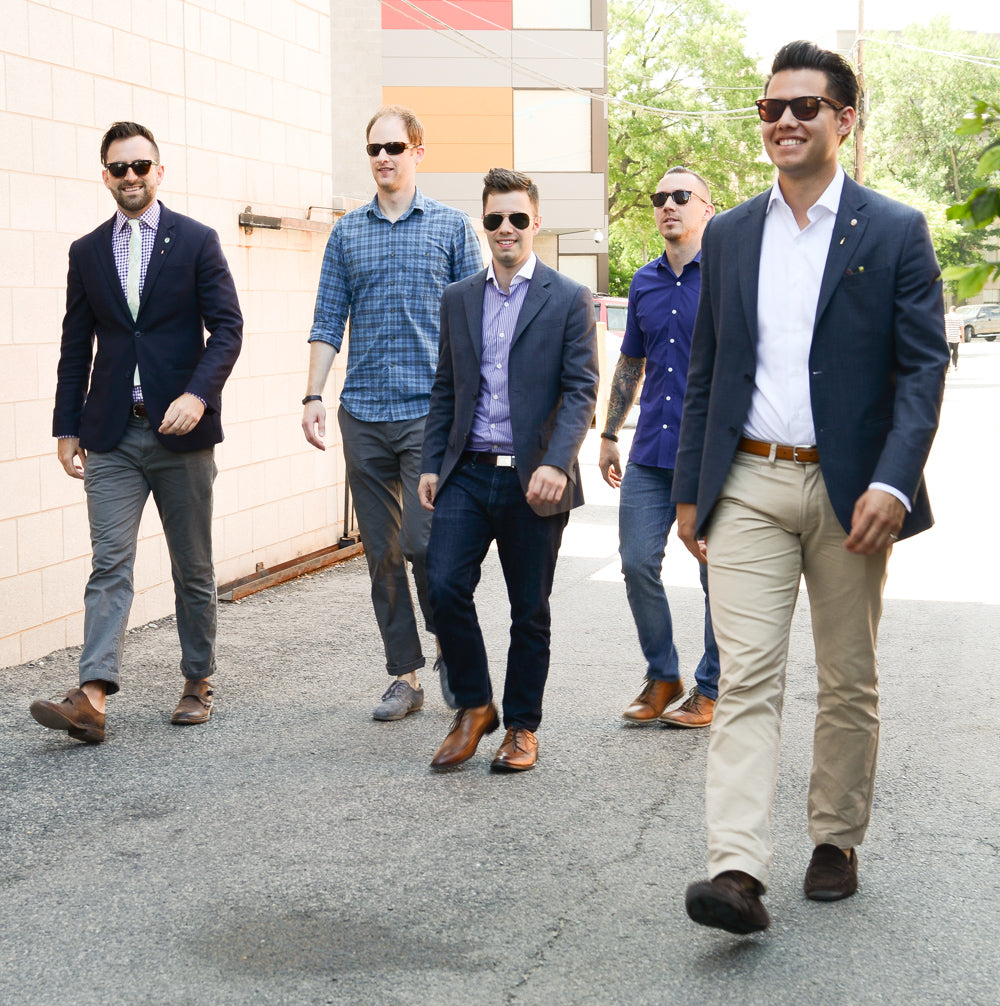
Credit: www.hughandcrye.com
Maintaining Untucked Business Casual Shirts
Keeping untucked shirts looking fresh is important:
- Wash shirts regularly and follow care instructions.
- Iron or steam shirts to remove wrinkles.
- Store shirts on hangers to maintain shape.
- Avoid folding shirts in drawers—creases can make them look messy.
One thing beginners miss: Untucked shirts show wrinkles more easily, so regular ironing is a must.
Cost And Accessibility
Untucked business casual doesn’t have to be expensive. Shirts made for untucked wear are available at many price points:
- Budget brands: Uniqlo, Gap, H&M
- Mid-range: UNTUCKit, Bonobos
- High-end: Brooks Brothers, Ralph Lauren
Most brands offer casual fit shirts in stores and online. Prices range from $25 to $120, depending on quality.
A practical tip: Check reviews for sizing, since untucked shirts need precise fits.

Credit: www.reddit.com
Sustainability And Untucked Business Casual
Eco-friendly options are available:
- Choose shirts made from organic cotton or recycled materials.
- Wash shirts in cold water to save energy.
- Donate or recycle old shirts instead of throwing them away.
Some brands, like Patagonia and Everlane, offer sustainable business casual options. This is a good way to look sharp and support the environment.
The Future Of Business Casual Not Tucked In
Workplaces are changing. Remote work, flexible hours, and creative industries are making dress codes more relaxed. Untucked shirts are likely to become even more common.
A non-obvious insight: As companies focus on employee comfort and individuality, untucked business casual could become the new normal in many offices.
For further reading, see this Source Name on modern workplace dress codes.
Frequently Asked Questions
What Type Of Shirt Is Best For Untucked Business Casual?
The best shirts for untucked business casual are casual fit button-downs or blouses with shorter hems and straight edges. Avoid traditional dress shirts, which are usually too long and meant to be tucked in.
Can I Wear Untucked Shirts In Formal Business Settings?
Generally, untucked shirts are not accepted in formal business settings. Stick to tucked-in shirts for important meetings, client presentations, or formal events. Use untucked shirts for casual Fridays, team outings, or creative workplaces.
How Do I Know If My Shirt Is Too Long To Wear Untucked?
A shirt is too long if it covers your entire backside or more than half your front pockets. The ideal length is mid-zipper. Shirts designed for untucked wear have shorter hems and a tailored fit.
Are Untucked Shirts Professional For Women?
Yes, untucked shirts and blouses can be professional for women, especially when paired with tailored pants, skirts, and classic accessories. Choose shirts with a straight hem and avoid oversized or sheer fabrics unless layered.
What Shoes Work Best With Untucked Business Casual?
Loafers, brogues, flats, and low heels are best for untucked business casual. Avoid sneakers or flip-flops, as they are too casual. Clean, classic shoes help keep the outfit polished.
Business casual not tucked in is a modern, comfortable style that’s becoming more popular. With the right shirt, fit, and accessories, you can look professional while feeling relaxed. Pay attention to your workplace culture, choose shirts made for untucked wear, and avoid common mistakes.
This approach makes business casual easier and more enjoyable.
