

How to Build Business Casual Wardrobe: Essential Tips for Success
Building a business casual wardrobe can feel overwhelming if you’re new to office dress codes. You might wonder what clothes you need, how much to spend, or how to look professional without sacrificing comfort. This guide will help you create a business casual wardrobe that fits your job, budget, and style.
You’ll learn what business casual means, which items are essential, how to mix and match, and how to avoid common mistakes. Whether you’re starting your first job, changing industries, or updating your look, you’ll find practical advice to help you build a wardrobe you’ll actually use.
Understanding Business Casual
Before you buy anything, it’s important to know what business casual really means. The term can be confusing because it varies by company, industry, and even country. In general, business casual is a dress code that blends professional and informal clothes. It’s less formal than a suit, but more polished than jeans and a t-shirt.
Business Casual For Men
For men, business casual usually includes:
- Collared shirts (button-down or polo)
- Dress pants or chinos
- Sweaters, cardigans, or blazers (optional)
- Leather shoes (loafers, oxfords, or dress boots)
- Minimal accessories
Jeans, shorts, athletic shoes, and t-shirts are usually not business casual.
Business Casual For Women
Women’s business casual options are more varied:
- Blouses, dress shirts, or nice tops
- Dress pants, skirts, or tailored dresses
- Cardigans, blazers, or structured sweaters
- Closed-toe shoes (flats, loafers, low heels)
- Simple jewelry and accessories
Avoid clothing that is too casual, revealing, or trendy for the office.
How Business Casual Differs By Industry
Business casual looks different in banking, tech, education, or creative fields. For example, a tech company may allow dark jeans, while a law firm expects dress pants. Always check your company’s dress code policy and observe what others wear. If you’re unsure, dress slightly more formal at first.
Common Misconceptions
Many people think business casual is just “wearing what you want. ” But it requires a balance. You need to look professional, comfortable, and ready for work. Avoid clothes with logos, loud prints, or sportswear.
Essential Pieces For A Business Casual Wardrobe
A strong business casual wardrobe starts with core items that can be mixed and matched. You don’t need a huge closet—just a few well-chosen pieces.
For Men
- Button-Down Shirts: Choose neutral colors like white, light blue, gray, and pastels. Patterns like stripes or checks are fine if subtle.
- Polo Shirts: Good for warmer days or casual Fridays.
- Dress Pants/Chinos: Navy, gray, black, and khaki are versatile. Chinos are comfortable and work well with button-downs or polos.
- Sweaters/Cardigans: Crewneck or V-neck styles in solid colors.
- Blazer: Optional, but useful for meetings or presentations. Choose navy or gray.
- Leather Shoes: Brown or black loafers, oxfords, or dress boots.
- Belts: Match belt color to your shoes.
- Socks: Plain or with subtle patterns.
For Women
- Blouses/Shirts: Choose fitted styles in neutral or soft colors. Avoid overly bright or busy patterns.
- Dress Pants: Black, navy, gray, or beige. Tailored fit works best.
- Pencil Skirts/A-Line Skirts: Knee-length or longer, in classic colors.
- Dresses: Simple, tailored dresses. Solid colors or subtle prints.
- Cardigans/Blazers: Adds structure and polish.
- Closed-Toe Shoes: Flats, loafers, or low heels.
- Accessories: Simple jewelry, scarves, and a structured handbag.
How Many Items Do You Need?
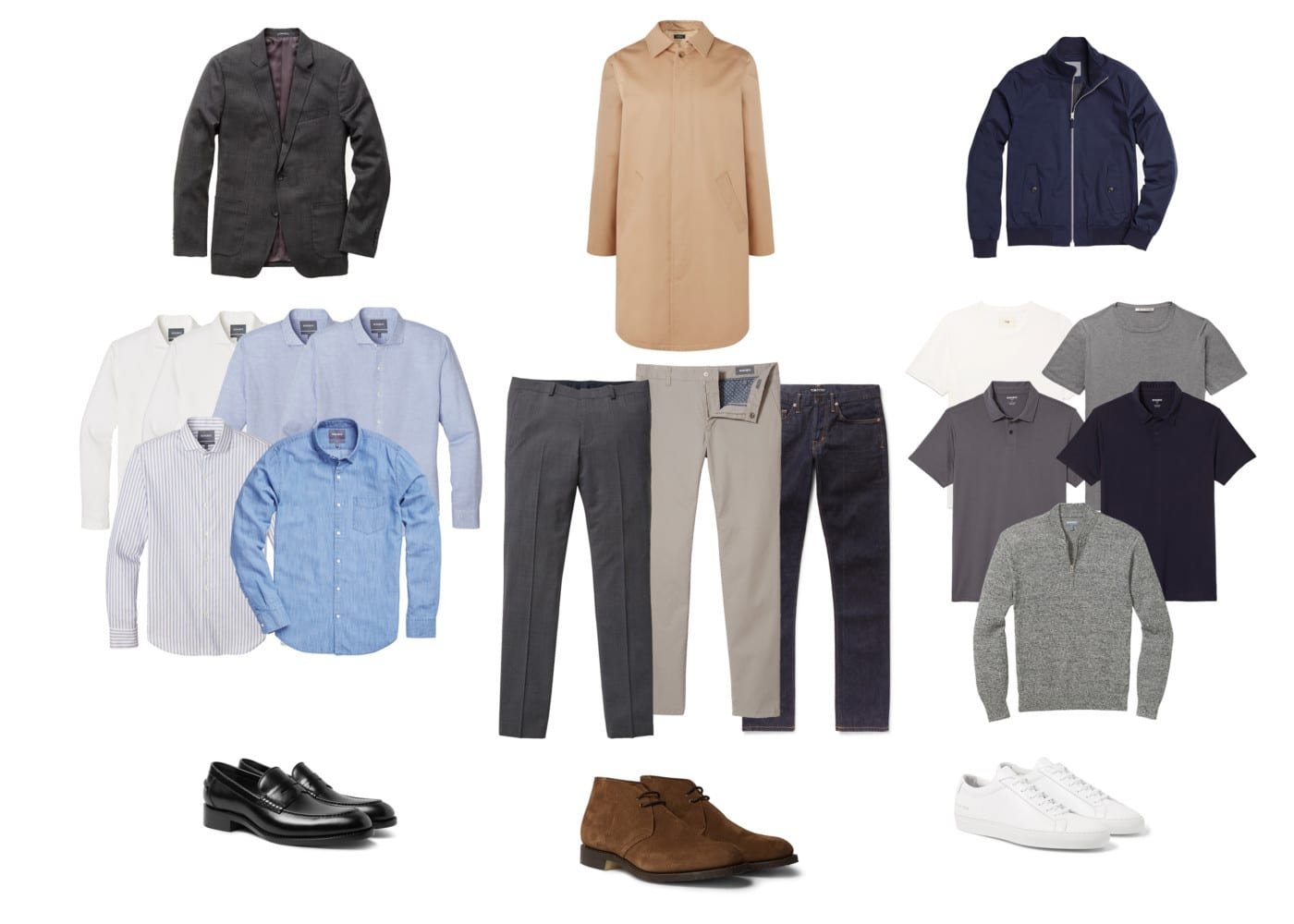
For a starter wardrobe, aim for:
- 5-7 tops
- 3-4 bottoms
- 2-3 layering pieces (blazers, sweaters)
- 2 pairs of shoes
This will give you enough options for a full week without repeating outfits.
Credit: www.theessentialman.com
Building Your Wardrobe On A Budget
Many people worry about the cost of business casual clothes. You don’t need to spend a fortune or buy everything at once. Start with the basics, buy quality over quantity, and add pieces over time.
Tips For Saving Money
- Shop Sales and Outlets: Stores like Nordstrom Rack, TJ Maxx, and outlet malls offer good deals.
- Buy Off-Season: Shop for winter clothes in spring and vice versa.
- Secondhand Stores: Thrift shops and online platforms like Poshmark offer gently used business clothes.
- Invest in Quality: Spend more on items you’ll wear often—like pants and shoes.
- Mix High and Low: Pair affordable tops with higher-end pants or shoes.
Price Comparison Table
Here’s a look at average prices for basic business casual pieces:
| Item | Low Price | Mid Price | High Price |
|---|---|---|---|
| Button-Down Shirt | $20 | $40 | $80+ |
| Dress Pants | $25 | $50 | $120+ |
| Blazer | $60 | $120 | $250+ |
| Shoes | $30 | $60 | $150+ |
You can build a basic wardrobe for under $300 if you shop smart.
Avoiding Common Budget Mistakes
- Don’t buy everything at once. Start with essentials.
- Avoid trendy items that may look dated soon.
- Don’t ignore fit—ill-fitting clothes never look professional.
- Don’t sacrifice quality on items you’ll wear often (pants, shoes).
Choosing The Right Fabrics And Colors
The fabric and color of your clothes matter more than you might think. They affect comfort, durability, and how professional you look.
Best Fabrics For Business Casual
Cotton is the most common, but blends like cotton-polyester or wool can be more durable. For shirts, look for breathable and wrinkle-resistant fabrics. For pants, wool blends and cotton twill are comfortable and hold their shape.
Avoid shiny synthetic fabrics, thin materials, or anything see-through.
Colors That Work
Stick to neutral colors (black, navy, gray, beige, white) for main items. You can add color with shirts, blouses, or accessories. Avoid overly bright colors, neon, or loud prints. Subtle patterns (stripes, checks, polka dots) are fine.
Comparison Table: Fabrics And Their Benefits
| Fabric | Comfort | Durability | Wrinkle Resistance |
|---|---|---|---|
| Cotton | High | Medium | Low |
| Wool Blend | Medium | High | Medium |
| Polyester Blend | Medium | High | High |
If you want clothes that stay neat all day, choose blends with polyester or wool.
How To Mix And Match
One of the best ways to maximize your wardrobe is to mix and match. This means combining different tops, bottoms, and layers to create new looks.
Practical Examples
- Pair a white button-down shirt with navy pants and a gray sweater.
- Wear a pastel blouse with black dress pants and a beige blazer.
- Combine a striped shirt with khaki chinos and brown loafers.
Tips For Mixing And Matching
- Stick to a Color Palette: Choose 3-4 main colors. This makes it easier to combine pieces.
- Layering: Use sweaters, cardigans, or blazers to change your look.
- Accessories: Scarves, belts, and jewelry add variety.
- Shoes: Different shoes can make the same outfit feel new.
- Patterns: If you wear a patterned top, keep the bottom solid and vice versa.
Sample Outfit Combinations Table
| Top | Bottom | Layer | Shoes |
|---|---|---|---|
| Light Blue Shirt | Gray Pants | Navy Blazer | Black Loafers |
| White Blouse | Black Skirt | Beige Cardigan | Brown Flats |
| Striped Polo | Khaki Chinos | None | Tan Loafers |
With just a few items, you can create many different looks.
Fit And Tailoring: The Secret To Looking Sharp
Many people overlook the importance of fit. Even the nicest clothes look sloppy if they don’t fit well. Tailoring makes a huge difference.
Why Fit Matters
- Well-fitted clothes make you look more professional.
- You feel more comfortable and confident.
- Poor fit distracts from your skills and personality.
Tips For Finding The Right Fit
- Try clothes on before buying, or check size charts carefully.
- Shoulders should fit snugly on shirts and blazers.
- Pants should not bunch up or drag on the floor.
- Skirts and dresses should not be too tight or too loose.
When To Tailor
- If you buy off-the-rack, consider tailoring pants, blazers, or shirts.
- Simple alterations (hemming pants, adjusting sleeves) can be affordable and make a big difference.
Non-obvious Insight
Many people think tailoring is expensive, but basic alterations often cost less than $20. Tailoring one item can make your whole wardrobe look more polished.
Accessorizing Your Business Casual Look
Accessories add personality, but in business casual, less is more. Choose simple, classic accessories.
For Men
- Leather belt (matches shoes)
- Watch with a metal or leather band
- Subtle tie (optional for meetings)
- Simple cufflinks (if wearing a dress shirt)
For Women
- Stud or small hoop earrings
- Simple necklace or bracelet
- Structured handbag or tote
- Scarf (adds color or pattern)
Avoid oversized jewelry, bright colors, or anything too flashy.
Practical Tip
If you’re not sure about an accessory, leave it out. It’s better to be slightly under-accessorized than overdone.
Grooming And Personal Care
Clothes are just part of your business casual look. Grooming matters, too. Clean hair, trimmed nails, and minimal makeup (for women) show professionalism.
Basic Grooming Tips
- Keep hair neat and styled.
- Shave or trim facial hair (men).
- Use minimal cologne or perfume.
- Keep nails clean and short.
- Avoid heavy makeup or strong fragrances.
Why Grooming Matters
Even the best outfit can’t make up for poor grooming. It’s a non-verbal signal that you care about your work and respect others.

Credit: lifewithjazz.com
Mistakes To Avoid When Building Your Wardrobe
Many beginners make the same mistakes. Avoid these to save money and look your best.
- Buying Too Many Trendy Items: Trends fade quickly. Stick to classics.
- Ignoring Fit: Clothes that don’t fit look sloppy.
- Over-accessorizing: Too many accessories can distract.
- Choosing the Wrong Fabrics: Avoid fabrics that wrinkle easily or feel uncomfortable.
- Neglecting Shoes: Cheap or worn shoes ruin the whole look.
- Not Checking Dress Code: Every company is different. Always double-check.
- Forgetting Layering Pieces: Sweaters and blazers are essential for changing weather and formal events.
Sustainable And Ethical Choices
If you care about the environment or working conditions, consider sustainable or ethical brands. Many companies now offer business casual clothes made from organic cotton, recycled materials, or produced with fair labor.
How To Choose Sustainable Options
- Look for brands with clear sustainability policies.
- Choose natural fabrics (cotton, wool) over synthetics.
- Buy less, but buy better—quality lasts longer.
- Consider secondhand or vintage stores.
Non-obvious Insight
Sustainable clothes often last longer and feel more comfortable. You can find affordable options if you shop carefully.
Seasonal Adjustments
Business casual doesn’t mean the same thing year-round. You’ll need to adjust for weather.
Summer
- Choose lightweight fabrics (cotton, linen).
- Short-sleeve shirts or blouses are fine.
- Loafers or flats instead of boots.
Winter
- Layer with sweaters, cardigans, or blazers.
- Wool pants or skirts keep you warm.
- Closed-toe shoes or boots.
Rainy Weather
- Keep an umbrella at your desk.
- Waterproof shoes or a stylish raincoat.
Planning Your Wardrobe: Step-by-step
Here’s a simple plan to build your business casual wardrobe efficiently.
- Check Your Dress Code: Read your company policy and observe colleagues.
- Make a List: Write down essential items you need.
- Set a Budget: Decide how much to spend.
- Shop Smart: Buy basics first, then add layers and accessories.
- Try Everything On: Make sure items fit well.
- Mix and Match: Choose pieces that combine easily.
- Tailor If Needed: Get simple alterations for a perfect fit.
- Upgrade Over Time: Add new items as your budget allows.
Real-life Examples
Let’s look at two sample wardrobes for a beginner.
Example: Men’s Starter Wardrobe
- 3 button-down shirts (white, blue, gray)
- 2 polo shirts (navy, black)
- 2 pairs of dress pants (gray, navy)
- 1 pair of chinos (khaki)
- 1 blazer (navy)
- 2 sweaters (black, beige)
- 2 pairs of shoes (brown loafers, black oxfords)
- 2 belts (brown, black)
This covers a full week with room to mix and match.
Example: Women’s Starter Wardrobe
- 3 blouses (white, pink, light blue)
- 2 dress shirts (striped, solid color)
- 2 pairs of dress pants (black, navy)
- 1 pencil skirt (gray)
- 2 dresses (navy, black)
- 2 cardigans (beige, gray)
- 2 pairs of shoes (black flats, brown loafers)
- 1 structured handbag
With these items, you can create many different outfits.
Shopping Tips For Beginners
If you’re new to shopping for business casual clothes, keep these tips in mind:
- Avoid shopping when rushed—take your time.
- Try clothes in person if possible.
- Check return policies for online shopping.
- Bring a friend for a second opinion.
- Don’t buy just because something is on sale.
- Focus on essentials first.
How To Maintain Your Wardrobe
A good wardrobe lasts longer if you take care of it.
Clothing Care Tips
- Wash clothes according to instructions.
- Hang shirts and pants—avoid folding if possible.
- Polish leather shoes regularly.
- Store sweaters and blazers properly (use hangers).
- Repair small damages quickly (buttons, hems).
Non-obvious Insight
Regular care saves money. Well-maintained clothes look better and need fewer replacements.
Upgrading And Expanding Your Wardrobe
As your career grows, you can expand your wardrobe:
- Add new colors or patterns for variety.
- Invest in higher-quality shoes or blazers.
- Try more accessories (ties, scarves).
- Buy seasonal items (coats, boots).
Don’t rush—upgrade slowly and thoughtfully.
Business Casual Vs. Other Dress Codes
Understanding how business casual compares to other dress codes can help avoid mistakes.
Comparison Table: Dress Codes
| Dress Code | Typical Items | Formality Level |
|---|---|---|
| Formal/Business Professional | Suits, ties, dress shoes | High |
| Business Casual | Button-downs, dress pants, blazers | Medium |
| Smart Casual | Polos, dark jeans, casual blazers | Low-Medium |
| Casual | T-shirts, jeans, sneakers | Low |
Business casual is the middle ground—professional, but not as strict as full business attire.
Why Building A Business Casual Wardrobe Matters
A well-chosen business casual wardrobe helps you:
- Feel confident at work
- Make a good impression
- Save money by avoiding unnecessary purchases
- Adapt to different situations (meetings, presentations, casual Fridays)
- Build a foundation for future upgrades

Credit: therecruitermom.com
Frequently Asked Questions
What’s The Difference Between Business Casual And Smart Casual?
Business casual is more formal, with dress pants, button-down shirts, and blazers. Smart casual allows for dark jeans, polos, and more relaxed items. Always check your workplace guidelines.
Can I Wear Jeans In A Business Casual Office?
Usually, jeans are not considered business casual, unless your company allows dark, tailored jeans. Always check the dress code or observe what your colleagues wear.
How Do I Know If My Outfit Is Business Casual?
Ask yourself: Does it look professional and neat? Are you wearing dress pants, a collared shirt or blouse, and closed-toe shoes? If yes, you’re likely business casual. Avoid clothes that are too casual or revealing.
How Often Should I Upgrade My Business Casual Wardrobe?
Upgrade as needed—when items wear out, your job changes, or you want to add variety. Quality pieces can last for years if cared for properly.
Where Can I Find Business Casual Inspiration?
Look at fashion blogs, Pinterest, or company websites. You can also find examples on Business Insider, which offers helpful tips and visuals.
Building a business casual wardrobe is not just about clothes—it’s about finding a style that works for you, fits your job, and makes you feel comfortable and confident. Start with the basics, focus on fit, and build up over time.
With these tips, you’ll be ready for any office situation and look your best every day.
