

How Often Should You Replace Workout Clothes for Peak Performance?
Every time you hit the gym, go for a run, or do yoga at home, your workout clothes are working hard too. They stretch, wick sweat, and protect your skin. But how often should you replace them? This question matters if you want to stay comfortable, healthy, and perform your best.
Many people think their activewear will last forever, but the truth is, fitness clothes need regular updating. Wearing old, worn-out gear can lead to discomfort, less support, and even hygiene issues. Let’s dive deep into how often you should replace workout clothes, the signs to look for, and tips to make your gear last longer.
Why Changing Workout Clothes Matters
Workout clothes are not just fashion. They are functional tools. Good activewear supports your muscles, absorbs sweat, lets your skin breathe, and keeps you comfortable. Over time, though, these benefits fade. Sweat, friction, and washing break down the fibers, making the clothes less effective.
Ignoring the need to replace workout clothes can cause:
- Skin irritation from trapped sweat and bacteria
- Bad odors that won’t wash out
- Reduced support, especially in leggings and sports bras
- Poor performance due to uncomfortable, stretched fabrics
Many beginners believe their workout clothes are fine until they literally fall apart. But waiting that long can be risky. Let’s see how to spot the right time for a change.
How Long Do Workout Clothes Usually Last?
There’s no fixed rule for every piece of clothing. The lifespan depends on the type of garment, how often you wear it, and how you care for it. Here’s an average estimate:
- Sports bras: 6–12 months
- Leggings: 8–18 months
- T-shirts and tanks: 6–15 months
- Shorts: 10–20 months
- Socks: 3–12 months
This is just a rough guide. Some people might need to replace their clothes sooner, especially if they train often. Let’s break it down by garment type.
Sports Bras
Sports bras are essential for support. Their elastic wears out quickly. Most experts suggest replacing them every 6 to 12 months, depending on use. If you feel less support or notice stretched straps, it’s time for a new one.
Leggings
Leggings face heavy stretching and friction. High-quality leggings can last up to 18 months, but cheaper ones may lose shape in 8 months. If you see thinning fabric, sagging, or holes, replace them.
T-shirts And Tanks
These tops absorb sweat and get washed often. Most last about 12 months, but if you notice fading, stretching, or stubborn smells, swap them out.
Shorts
Shorts tend to last longer because they face less stress. Still, the elastic and fabric break down after 20 months. Watch for loose waistbands or thin spots.
Socks
Athletic socks wear out fast. If you see holes or lose cushioning, get new ones within 3 to 12 months.
Factors That Affect Lifespan
Workout clothes don’t all age the same. Here are some factors that change how long they last:
- Frequency of use: Daily workouts mean faster wear.
- Type of exercise: High-impact workouts (like running) stress clothes more than yoga or walking.
- Fabric quality: Premium materials last longer.
- Washing habits: Hot water, harsh detergents, and dryers speed up damage.
- Sweat levels: Heavy sweating can break down fibers faster.
- Storage: Storing damp clothes or leaving them unwashed encourages bacteria and odors.
For example, a runner who uses the same pair of leggings five times a week will need replacements sooner than someone who walks twice a week.
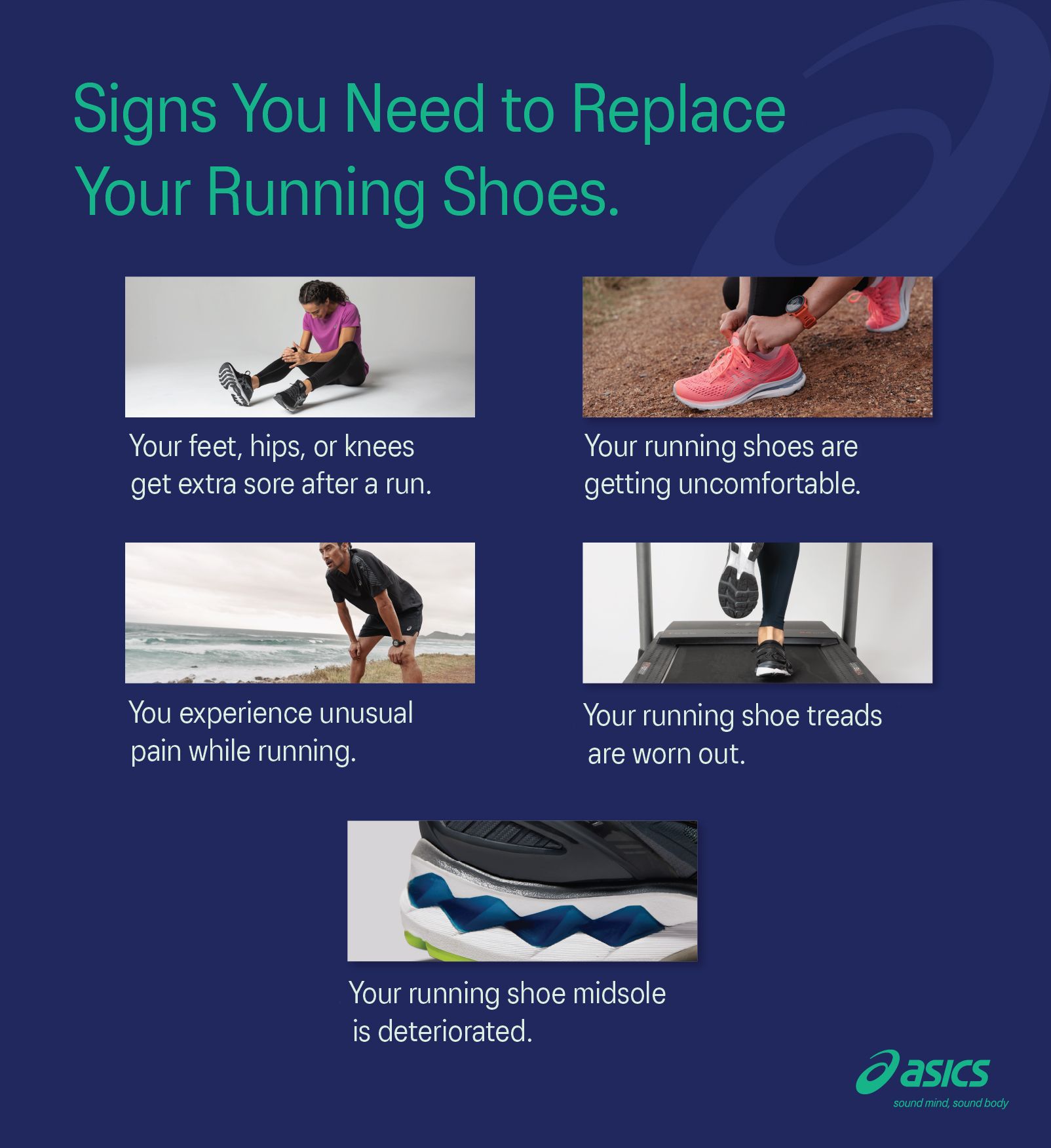
Signs You Need To Replace Workout Clothes
You don’t need to guess when it’s time for new gear. Here are clear signs:
- Loss of elasticity: If leggings or bras feel loose, the elastic is gone.
- Persistent odor: If smells stay after washing, bacteria is trapped in the fabric.
- Visible wear and tear: Holes, tears, and thinning are signs of breakdown.
- Faded colors: Fading shows fabric has weakened.
- Chafing or irritation: Old fabrics can cause skin problems.
- Poor support: Sports bras and compression gear lose their effectiveness.
- Stretched seams: If seams don’t snap back, the garment is worn out.
- Loose waistbands: Shorts or leggings slipping down means elastic is gone.
Many people ignore small signs, but these can affect your comfort and performance. Don’t wait for a total breakdown.
Credit: www.asics.com
How Often Should You Replace Each Item?
Let’s look at each main type of workout clothing and how often you should change it:
| Item | Average Replacement Time | Signs It's Time to Replace |
|---|---|---|
| Sports Bra | 6–12 months | Loss of support, stretched straps, faded fabric |
| Leggings | 8–18 months | Sagging, holes, thinning material |
| T-shirt/Tank | 6–15 months | Odor, fading, stretching |
| Shorts | 10–20 months | Loose waistband, thin spots |
| Socks | 3–12 months | Holes, loss of cushioning |
This table helps you plan when to check your gear. But remember, heavy use or poor care means you may need to replace items sooner.
The Impact Of Fabric Types
The material your workout clothes are made from plays a big role. Let’s compare common fabrics:
| Fabric | Pros | Cons | Lifespan |
|---|---|---|---|
| Polyester | Durable, quick-dry, lightweight | Can hold odor, less breathable | 12–18 months |
| Nylon | Strong, stretchy, dries fast | Can pill, absorbs odor | 10–16 months |
| Cotton | Soft, breathable, comfortable | Absorbs sweat, dries slowly | 8–12 months |
| Spandex | Very stretchy, great for compression | Breaks down with heat, loses elasticity | 6–12 months |
| Wool | Natural, odor-resistant, warm | Expensive, delicate | 15–20 months |
Polyester and nylon are great for most workouts, but cotton and wool need extra care. Spandex is common in leggings and bras, but it loses stretch quickly.
How Washing And Care Affect Lifespan
Most people wash workout clothes often. But too much heat, strong detergents, and dryers can damage fibers. Here are some tips:
- Wash in cold water to protect elasticity.
- Use gentle detergent.
- Avoid fabric softeners (they trap bacteria).
- Air dry instead of using a dryer.
- Turn clothes inside out to protect color and seams.
Improper care is a hidden reason many people need to replace their workout clothes sooner.
Why Hygiene Is Important
Sweat and bacteria build up fast in activewear. If you don’t replace old clothes, you risk skin problems like acne, rashes, or fungal infections. This is more likely if your clothes trap moisture or never smell fresh. Even the best washing can’t always fix these issues once the fabric is damaged.
For people with sensitive skin, changing workout clothes regularly is even more important. You’ll avoid irritation and feel more comfortable.
Credit: www.thighsociety.com
How Many Workout Clothes Should You Own?
You might wonder how many sets you need. This depends on your workout schedule and washing habits. Here’s a practical approach:
- If you work out daily, keep at least 5–7 sets.
- For three times a week, 3–4 sets are enough.
- Always have a few extra pairs of socks.
Owning more sets helps you avoid wearing the same clothes too often. Rotating your gear also extends its lifespan.
Saving Money By Choosing Wisely
Replacing workout clothes can get expensive. But you can stretch your budget:
- Buy high-quality basics: Premium materials last longer.
- Rotate sets: Don’t wear the same outfit every day.
- Care properly: Gentle washing extends life.
- Watch for sales: Buy new gear during discounts.
- Replace single items: Don’t wait to replace the whole set.
Many beginners think buying cheap gear saves money, but low-quality fabrics break down fast. Investing in quality pays off.
Common Mistakes Beginners Make
If you’re new to fitness, you might make these mistakes:
- Ignoring signs of wear: Old clothes can cause discomfort.
- Wearing the same set for every workout: This speeds up wear.
- Using harsh detergents: Damages fibers and elastic.
- Skipping proper drying: Damp clothes breed bacteria.
- Thinking “if it looks okay, it’s fine”: Hidden damage matters.
To avoid these mistakes, check your gear often and follow care instructions.
How To Make Workout Clothes Last Longer
You can extend the life of your activewear with a few smart habits:
- Wash after every use: Sweat breaks down fibers.
- Air dry: Heat from dryers ruins elasticity.
- Store properly: Keep clothes dry and clean.
- Avoid rough surfaces: Sitting on concrete or rough gym equipment can snag fabric.
- Rotate outfits: Don’t overuse one set.
A surprising tip: Don’t use regular towels with your workout clothes. Towels can shed lint, which sticks to synthetic fabrics and makes them look old faster.
Sustainability And Replacing Workout Clothes
Many people worry about the environment when replacing clothes often. Synthetic fabrics can take years to break down. Here’s how you can be more sustainable:
- Choose brands with recycling programs.
- Repurpose old clothes: Use them for cleaning, gardening, or donate.
- Buy durable, eco-friendly fabrics: Look for recycled polyester or organic cotton.
Some brands even offer discounts if you return old gear. This helps reduce waste.
How Sweat And Odor Affect Clothing Lifespan
Sweat is not just water—it contains salts, oils, and bacteria. Over time, these break down fibers and cause odors. Some workout clothes use anti-microbial treatments to fight bacteria, but these fade after many washes.
If your clothes still smell after washing, it’s a sign the material has absorbed too much sweat. Odor is not just unpleasant—it signals trapped bacteria, which can lead to skin issues. Replacing clothes at this point is necessary.
Should You Replace All Workout Clothes At Once?
You don’t need to replace everything in one go. Instead, check each item and change them as needed. For example, you might need new socks every few months but can keep your shorts for longer.
Here’s a simple approach:
- Check each item monthly.
- Replace only what’s worn out.
- Keep a list of replacements for budgeting.
This way, you avoid large expenses and always have fresh, comfortable gear.
Examples From Real Athletes
Professional athletes often change their workout clothes more often than amateurs. For example:
- A runner might replace leggings every 6 months.
- A yoga instructor may keep tops for 12 months but replace bras every 8 months.
- Basketball players change socks every 3 months.
Why? Their clothes face more stress, sweat, and frequent washing. You can learn from this: the more intense your workouts, the sooner you’ll need to update your gear.
Credit: www.reddit.com
How Workout Clothing Brands Guide Replacement
Many brands give advice on when to replace their products. For example, some suggest sports bras be replaced after 40–50 washes. Others recommend leggings be changed once the fabric loses compression.
You can check the brand’s website or care label for guidance. This is especially useful for expensive items.
Comparing Replacement Frequency: Gym Vs Outdoor Workouts
Workout clothes for outdoor activities usually face more wear. Sun, wind, and rough surfaces damage fabric faster. Gym clothes last longer if you avoid rough equipment.
| Workout Type | Replacement Frequency | Reason |
|---|---|---|
| Outdoor running | 6–12 months | Sun, sweat, friction |
| Indoor gym | 12–18 months | Less exposure, controlled environment |
| Yoga/Pilates | 15–20 months | Low-impact, gentle on fabrics |
| CrossFit | 8–14 months | High-impact, frequent washing |
If you train outside, check your gear more often.
When To Buy New Gear For Special Needs
Some people have special needs, like pregnancy, injury, or weight changes. In these cases:
- Pregnancy: Replace bras and leggings as your body changes.
- Injury: Compression gear may need updating for support.
- Weight loss/gain: Clothes may fit poorly; get new ones for comfort and performance.
Ignoring fit leads to discomfort and poor support.
How To Get Rid Of Old Workout Clothes Responsibly
Don’t just throw old clothes in the trash. Instead:
- Donate if still usable.
- Recycle through textile programs.
- Repurpose for cleaning or home projects.
Many cities have textile recycling centers. Some brands also take back old clothes. This helps reduce environmental waste.
Tips For Buying New Workout Clothes
When shopping for replacements, focus on:
- Fit: Make sure the gear supports your body.
- Material: Choose sweat-wicking, durable fabrics.
- Comfort: Avoid tags or seams that irritate.
- Brand reputation: Some brands make longer-lasting gear.
- Value: Don’t confuse price with quality.
A practical tip: Try new clothes for a short workout before removing tags. If they’re uncomfortable, return them.
The Role Of Technology In Workout Clothes
Modern activewear uses technology to improve performance and lifespan. Examples include:
- Anti-microbial fabrics: Reduce odor and bacteria.
- Compression materials: Support muscles and increase blood flow.
- Moisture-wicking fibers: Keep you dry and comfortable.
These advances can help clothes last longer, but even the best tech wears out with time and washing.
The True Cost Of Not Replacing Workout Clothes
Keeping old workout clothes is not just uncomfortable—it can affect your health. Wearing worn-out gear increases risk of:
- Skin infections
- Joint pain from poor support
- Decreased motivation due to discomfort
Replacing clothes regularly keeps you safe and helps you enjoy your workouts.
How To Track Replacement Dates
If you want to stay organized, use a simple method:
- Mark the purchase date on the label with a fabric marker.
- Set reminders on your phone every 6 months.
- Keep a log of washes for sports bras and leggings.
This helps you plan replacements and avoid sudden surprises.
Frequently Asked Questions
How Can I Make My Workout Clothes Last Longer?
Wash in cold water, use gentle detergent, air dry, and rotate outfits. Avoid harsh chemicals and dryers.
Is It Safe To Keep Workout Clothes For More Than A Year?
It depends on use and care. If you notice odors, loss of support, or thinning, replace them. For low-impact workouts, some items may last longer.
Can I Use Old Workout Clothes For Other Activities?
Yes. Repurpose old gear for gardening, cleaning, or home workouts. Avoid using worn-out clothes for high-impact sports.
How Often Should I Replace Workout Socks?
Every 3–12 months, depending on wear. Check for holes and loss of cushioning.
Are Expensive Workout Clothes Worth It?
Usually, yes. High-quality materials last longer and offer better support. But always check reviews and fit before buying. For more on fabric technology, visit Consumer Reports.
Changing your workout clothes regularly keeps you comfortable, healthy, and motivated. Don’t wait for your gear to fall apart. Check it often, care for it well, and enjoy every workout with the right support. Investing in fresh, quality activewear is investing in your fitness journey.
