

Can Sports Clothes Be Tumble Dried? Essential Care Tips
Sportswear is designed to help you move, sweat, and perform at your best. But after a tough workout or a muddy game, you face a common question: Can sports clothes be tumble dried? Choosing the right way to dry your activewear affects not just how it looks, but also how long it lasts, how well it fits, and how it smells. Many people assume tossing everything into the dryer is fine, but with sports clothes, the answer is not always simple.
Let’s explore which sports clothes can go in the tumble dryer, which should avoid it, and how to care for your gear so it stays in top condition. From fabric science to real-life tips, this guide will help you keep your workout wardrobe fresh, comfortable, and ready for action.
Why Sports Clothes Need Special Care
Sports clothes are different from everyday clothing. They’re made for movement, sweating, and frequent washing. Because of this, they use special materials and construction techniques. Here’s why they need extra attention:
- High-performance fabrics: Most sportswear uses synthetic fibers like polyester, nylon, spandex, and elastane. These materials wick moisture, stretch, and dry quickly, but they react differently to heat compared to cotton.
- Technical features: Many items have special coatings (like water-repellent finishes), mesh panels, or reflective strips. Heat can damage these features.
- Odor control: Some sports clothes have anti-microbial treatments to fight odor. These can break down faster with harsh drying.
A little extra care can protect these performance benefits and help your gear last longer.
Common Fabrics In Sportswear And Their Dryer Compatibility
Not all sports clothes are made equal. The material matters most when deciding if you can tumble dry them. Here’s a closer look at the most popular fabrics:
| Fabric | Main Properties | Tumble Dryer Safe? |
|---|---|---|
| Polyester | Durable, moisture-wicking, quick-drying | Usually, but use low heat |
| Nylon | Strong, flexible, dries quickly | Sometimes, on gentle/low heat |
| Spandex/Elastane | Very stretchy, shape-retaining | Best air-dried, heat weakens fibers |
| Cotton | Soft, absorbent, breathable | Yes, but can shrink |
| Merino Wool | Natural, odor-resistant, insulating | Rarely, usually air-dried |
| Bamboo | Soft, breathable, eco-friendly | Low heat only, can shrink |
Key insight: Even if a fabric can survive a tumble dryer, repeated high heat can still wear it down faster. Always check the care label before deciding.
Reading Care Labels: The First Step
Care labels are your best guide. They use small symbols and short instructions, but understanding them is crucial. Here are the most common drying symbols found on sportswear:
- Square with a circle (tumble dry): Tumble drying is allowed.
- Square with a circle and one dot: Tumble dry on low heat.
- Square with a circle and two dots: Tumble dry on medium heat.
- Square with a circle and a cross: Do not tumble dry.
- Square with a horizontal line: Lay flat to dry.
- Square with three vertical lines: Hang to drip dry.
If you see “do not tumble dry,” believe it. Ignoring this advice can cause shrinking, melting, or loss of shape.
What Happens To Sports Clothes In The Tumble Dryer
Putting sports clothes in the dryer does more than just remove water. Here’s what can happen:
- Shrinkage: Heat can cause both natural fibers and some synthetics to shrink. This is especially true for cotton and wool blends.
- Loss of elasticity: Stretchy materials like spandex and elastane can lose their stretch after repeated exposure to heat.
- Fabric pilling: Fast spinning and tumbling can cause small balls of fiber to form on the surface.
- Fading and damage: Bright colors and special finishes may fade, crack, or peel.
- Melting or deforming: Some synthetics (like low-quality polyester or nylon) can partially melt or lose their shape if the dryer gets too hot.
Non-obvious insight: Even if there’s no visible damage after one drying, the breakdown is often gradual. You might only notice problems after months of regular tumble drying.
Which Sports Clothes Can Be Tumble Dried
Some sports clothes handle the tumble dryer better than others. Here are examples that are generally safe:
- Basic polyester t-shirts: Most are made to handle low dryer heat, but high heat can still cause pilling.
- Cotton blend joggers and sweatshirts: These can go in the dryer, but expect some shrinkage over time.
- Synthetic gym shorts: Durable and quick-drying, but turn inside out to protect the surface.
- Soccer or basketball jerseys: Usually safe on a gentle, low-heat cycle.
Pro tip: Use a mesh laundry bag for delicate items even if tumble drying is allowed. This reduces friction and helps keep logos and prints intact.
Which Sports Clothes Should Not Be Tumble Dried
A large part of sportswear does best when kept out of the dryer. Avoid tumble drying these:
- Compression gear: Items with high spandex or elastane content lose their stretch with heat.
- Sports bras with padding or underwire: Heat can deform padding and damage elastic.
- High-performance leggings: Expensive leggings rely on stretch and shape retention—air dry to keep them fitting well.
- Merino wool base layers: Wool can shrink or felt in a dryer, even on low.
- Jackets with water-repellent coatings: Dryer heat can break down these coatings and make them less effective.
- Clothes with glued or bonded seams: Heat can weaken or break the glue, causing seams to split.
Non-obvious insight: Some sports clothes may look fine after tumble drying, but lose their odor-fighting ability. Anti-microbial coatings can break down much faster with regular dryer use.

Credit: www.amazon.com
Risks Of Tumble Drying Sports Clothes
If you’re thinking, “It’s just clothes, what’s the worst that can happen?”—here are some real risks:
- Shorter lifespan: Heat breaks down both fabric and elastic fibers, making gear wear out faster.
- Fit changes: Shrinking or stretching in odd places can ruin the fit, especially for compression or slim-fit styles.
- Loss of performance: Moisture-wicking, odor control, and UV protection can all fade away with harsh drying.
- Stubborn odors: Sometimes, the dryer bakes in sweat smells rather than removing them.
- Fire risk: Overloaded dryers or synthetic fabrics at high heat can be a fire hazard.
How To Tumble Dry Sports Clothes Safely (if You Must)
Sometimes, you need your gear dry—fast. Maybe it’s a rainy week, or you’re packing for a tournament. If you must use a tumble dryer, these steps can reduce damage:
- Sort by fabric: Never mix heavy cotton towels with lightweight synthetic shirts. Dry similar items together.
- Use low heat: Always pick the lowest heat setting. Many dryers call this “delicate” or “air dry.”
- Remove promptly: Take clothes out as soon as the cycle ends. This prevents wrinkles and reduces heat exposure.
- Turn items inside out: Protects logos, prints, and colors.
- Use dryer balls: Wool or silicone balls help separate clothes and speed up drying, reducing friction.
- Skip the dryer sheets: These can coat performance fabrics, making them less breathable and less able to wick moisture.
Insider tip: Some newer sportswear is labeled as “dryer safe,” but always test a single item before drying a whole batch.
Air Drying: The Best Choice For Most Sports Clothes
Air drying is the safest and most effective way to dry sports clothes. Here’s why:
- Protects fabric and shape: No heat means no shrinking, melting, or stretching.
- Preserves special finishes: Odor control and water repellency last longer.
- Reduces odor: Fresh air helps remove sweat smells better than a hot dryer.
- Saves energy: Air drying is eco-friendly and free.
Simple ways to air dry your gear:
- Hang on a rack: Spread items out so air circulates.
- Use hangers for tops: Keeps their shape and reduces wrinkles.
- Lay flat for heavy items: Prevents stretching, especially for sweaters or wool.
- Avoid direct sunlight: Sun can fade colors; choose a shaded, breezy spot.
Special Tips For Drying Different Sports Clothes
Not all sportswear dries the same. Here’s how to handle some common types:
Drying Compression Wear
Compression shirts, tights, and socks rely on tight stretch. Always turn them inside out and air dry flat. Avoid wringing them out, as this can damage the fibers.
Drying Sports Bras
Sports bras with padding or underwire need gentle care. Remove any pads if possible and reshape them after washing. Hang from the center or lay flat to dry.
Drying Shoes And Accessories
Running shoes and gloves should never go in the dryer. Remove insoles and laces, then air dry with crumpled paper inside to hold their shape.
Drying Waterproof Or Windproof Gear
Jackets with special coatings should be hung up to dry. If the care label allows a quick tumble on low heat, it can help reactivate some water-repellent finishes, but check instructions carefully.
Drying Team Kits With Prints
Soccer, basketball, and baseball jerseys often have numbers and logos. Turn inside out before washing and drying, and hang dry to prevent cracking or peeling.
Mistakes People Make When Drying Sports Clothes
Many people ruin their favorite sports clothes by making these avoidable mistakes:
- Using high heat: Even when in a rush, high heat is a shortcut to damage.
- Ignoring care labels: Skipping the label leads to shrinking, fading, or melting.
- Overloading the dryer: Crowding prevents clothes from drying evenly and increases friction.
- Using regular detergent with fabric softener: These can clog technical fabrics and reduce performance.
- Drying shoes or accessories: These can warp or shrink—always air dry.
- Leaving clothes in the dryer after the cycle: This can set wrinkles and leave a musty smell.
How Professional Athletes And Teams Care For Their Sportswear
Professional teams treat their gear as an investment. Here are some expert methods:
- Dedicated laundry staff: Many teams have staff trained to wash and dry gear according to strict guidelines.
- Special detergents: Used to protect technical fabrics and finishes.
- Industrial air drying rooms: Gear is hung on racks with strong airflow, not heat.
- Rotation of kits: Players have multiple sets, so each can fully air dry between uses.
You might not have a laundry team, but following these habits at home can make your sports clothes last much longer.
Eco-friendly And Energy-saving Drying Solutions
Caring for your sportswear can also be good for the planet. Air drying saves electricity and reduces your carbon footprint. If you must use a dryer, running full loads at low heat is more efficient. Some new dryers have sportswear settings that use sensors to stop when clothes are dry, saving energy.
Consider these tips:
- Use a retractable drying rack indoors when space is tight.
- Install a clothesline outside for natural drying.
- Choose a dryer with moisture sensors for better control.
- Avoid plastic dryer balls—wool options are more sustainable.
How Dryer Use Affects Odor And Bacteria
A common myth is that the dryer kills all germs and odors. In reality, low-heat drying doesn’t get hot enough to sanitize. In fact, if sweat and bacteria remain, the dryer can set in odors. For sports clothes, regular washing, good air flow, and quick drying are better at keeping smells away.
Non-obvious insight: If your sportswear smells even after washing, try washing with a cup of white vinegar (no fabric softener) and always air dry in a well-ventilated space.
Comparing Air Drying And Tumble Drying For Sports Clothes
To help you decide, here’s a direct comparison:
| Aspect | Air Drying | Tumble Drying |
|---|---|---|
| Fabric protection | Excellent | Risk of damage |
| Drying speed | Slow | Fast |
| Odor control | Good with ventilation | May set odors |
| Energy use | None | High |
| Best for | All sportswear, delicate and stretchy items | Basic synthetics, cotton blends (low heat) |
When Quick Drying Matters: Practical Solutions
Sometimes, you need to dry your gear fast—before work, before the next game, or when traveling. Here are some safe ways to speed up the process without a dryer:
- Roll in a towel: After washing, lay the item on a clean towel, roll it up, and press to squeeze out extra water.
- Use a fan: Hang clothes near a fan or open window for faster air flow.
- Hair dryer on cool: For small spots, use a hair dryer on the cool setting.
- Radiators: Lay items on a rack above (not directly on) a radiator for gentle warmth.
- Dehumidifier: Place clothes in a small room with a dehumidifier for quick, safe drying.

Credit: odikafurniture.com
Real-world Examples: What Happens When You Ignore Care Instructions
Many athletes and gym-goers have learned the hard way. Here are some actual scenarios:
- A runner’s leggings lost their stretch after just a few months of regular tumble drying, forcing her to buy new ones.
- A soccer player’s jersey print cracked and peeled after repeated high-heat cycles.
- A yoga enthusiast’s sports bras became loose and unsupportive from dryer heat.
- A hiker’s merino wool base layer shrank by two sizes after one accidental tumble dry.
Paying attention to drying methods can save you money and frustration.
How Brands Are Making Sports Clothes Easier To Care For
Some sportswear brands are working to make care simpler. You’ll see:
- Dryer-safe lines: Some companies now offer gear that’s labeled as safe for tumble drying on low heat.
- Improved synthetic blends: Fabrics designed to resist shrinking and damage.
- Clearer care labels: Icons and instructions that are easier to read and follow.
Still, even the most durable gear lasts longer with air drying.
Essential Do’s And Don’ts For Drying Sports Clothes
Here’s a quick reference to keep your gear in great shape:
Do:
- Check care labels every time.
- Use the lowest heat if tumble drying is needed.
- Turn clothes inside out for washing and drying.
- Air dry whenever possible.
- Hang immediately after washing.
Don’t:
- Use high heat, even in a rush.
- Dry shoes or accessories in the dryer.
- Overload the dryer.
- Use fabric softener on technical fabrics.
- Ignore signs of damage—change your routine if you notice problems.
Frequently Asked Questions
Can I Tumble Dry All Polyester Sports Clothes?
Most polyester sports clothes can handle low heat in the dryer, but always check the care label first. High heat can still cause pilling and reduce the lifespan. Turn items inside out to protect colors and prints.
Why Do My Sports Clothes Still Smell After Drying?
Drying alone does not remove sweat odors. If the clothes are not washed well, or if you use fabric softener, odors can remain. Try washing with white vinegar and always air dry in a well-ventilated place.
What Should I Do If I Accidentally Tumble Dried My Sportswear?
Check for damage or changes in shape. If items have shrunk or lost stretch, sometimes gently stretching them while damp can help. In most cases, return to air drying to prevent further damage.
Are There Any Sports Clothes That Must Always Be Air Dried?
Yes. Compression gear, high-spandex leggings, sports bras with padding or underwire, merino wool layers, and anything with glued seams or special finishes should always be air dried for best results.
Is It True That The Dryer Removes Bacteria From Sports Clothes?
Not always. Most home dryers do not reach high enough temperatures to fully sanitize clothes. Washing well and air drying in sunlight (which has natural antibacterial properties) is more effective for odor and bacteria control.
If you want to learn more about fabric care and the science behind sportswear, the Consumer Reports laundry guide is a helpful resource.
Choosing how to dry your sports clothes is more important than most people realize. With a little attention and the right habits, you can keep your gear in top shape, save money, and get more from every workout. Treat your activewear well, and it will support your performance every time you hit the field, gym, or trail.
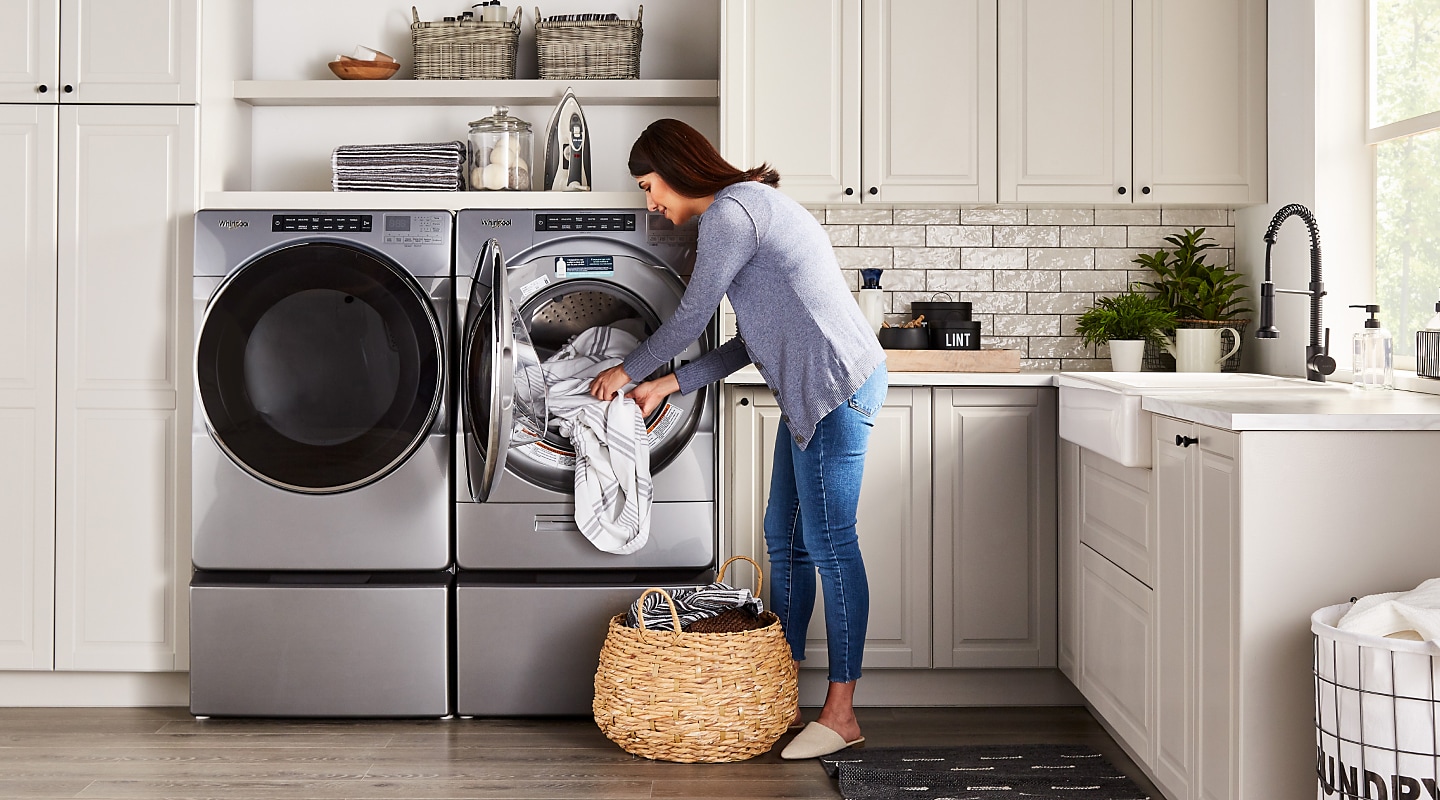
Credit: www.whirlpool.com
