

How Casual is Business Casual: Decoding Workplace Dress Codes
How Casual Is Business Casual
Business casual is a phrase that many people hear, but not everyone truly understands. It appears in job ads, dress codes, and workplace conversations. Yet, the meaning of “business casual” shifts depending on the company, region, and even the manager.
Some offices expect slacks and a button-down shirt. Others allow jeans and sneakers. So, how casual is business casual really? Let’s break down what it means, how it looks, and how you can get it right.
The Origin And Evolution Of Business Casual
The concept of business casual began as a way to relax strict office dress codes. Traditional business attire meant suits, ties, and formal dresses. As workplaces changed, employees wanted more comfort. Companies responded by allowing less formal outfits. This trend started in professional environments and slowly spread to most industries.
Business casual is not a fixed set of clothes. It adapts to the culture of the workplace. For example, tech companies often have a more relaxed approach than law firms. A marketing agency may be flexible, while a bank expects more formal styles.
Understanding this evolution helps you see why business casual is both casual and business-like.
Defining Business Casual: What Does It Really Mean?
There is no single definition for business casual. However, most people agree it is a mix of professional and relaxed clothing. Here are the core elements:
- Clothes should be neat, clean, and well-fitted.
- Avoid overly casual items like ripped jeans, shorts, or flip-flops.
- Skip highly formal pieces like tuxedos or evening gowns.
Business casual is about balance. You look polished but not stiff. You feel comfortable but still show respect for the workplace.
Credit: gardner-webb.edu
Common Business Casual Items
Let’s look at typical business casual clothing for men and women.
Men
- Dress pants (slacks or chinos)
- Collared shirts (button-down or polo)
- Sweaters or cardigans
- Blazers (optional, not required)
- Leather shoes or loafers
- Belts in neutral colors
Avoid: athletic wear, graphic t-shirts, ripped jeans, sandals.
Women
- Dress pants or skirts (knee-length or longer)
- Blouses, knit tops, or cardigans
- Dresses (simple, not evening style)
- Blazers (optional)
- Closed-toe shoes (flats, loafers, low heels)
Avoid: spaghetti straps, shorts, party dresses, flip-flops.
How Casual Can You Go? Comparing Levels
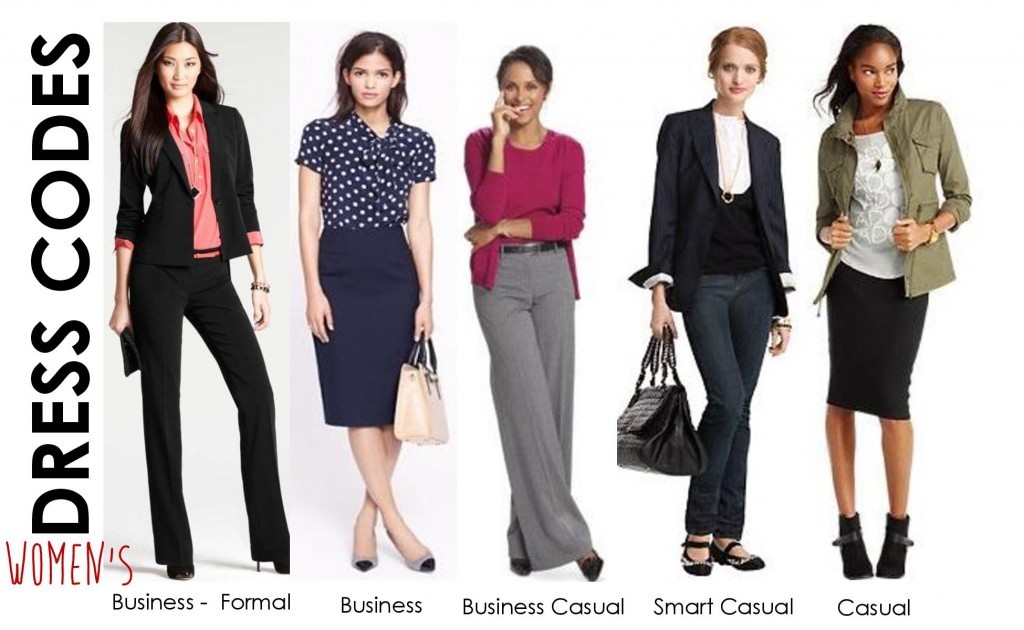
Business casual sits between formal and very relaxed clothes. Here’s a table comparing different office dress codes:
| Dress Code | Allowed Items | Not Allowed |
|---|---|---|
| Formal Business | Suits, ties, formal dresses, closed-toe shoes | Jeans, sneakers, t-shirts |
| Business Casual | Slacks, collared shirts, blouses, loafers | Ripped jeans, shorts, flip-flops |
| Casual | Jeans, t-shirts, sneakers | Suits, ties, formal dresses |
As you see, business casual is less strict than formal business, but not as relaxed as casual.
Why Business Casual Matters
Many companies choose business casual because it helps employees feel comfortable. Comfortable staff are often more productive and happier. It also lets people show their personality through clothing, but within limits. Business casual is a way to keep a professional image without rigid rules.
Some industries need more formality to impress clients or show authority. Others, like tech startups, value creativity and flexibility. Business casual adapts to these needs.
Regional And Cultural Differences
Business casual is not the same in every country or region. In some places, people dress more formally for work. In others, the style is relaxed.
For example:
- In the US, business casual often includes polos and khakis.
- In Europe, it may mean tailored pants and dress shirts.
- In Asia, some offices prefer darker colors and more conservative styles.
Culture also affects what is considered “appropriate. ” Short-sleeved shirts may be fine in one country and too casual in another. Always check local customs and company policies.
Examples Of Real Business Casual Outfits
Seeing real examples helps clarify what business casual looks like.
Men
- Navy chinos, white button-down shirt, brown loafers.
- Gray dress pants, light blue polo, black belt, black shoes.
- Khaki slacks, plaid shirt, navy cardigan, tan shoes.
Women
- Black dress pants, cream blouse, gray flats.
- Navy skirt (knee-length), pink knit top, black loafers.
- Simple black dress, burgundy cardigan, low heels.
These outfits are polished but not formal. They avoid loud prints, flashy accessories, and athletic wear.
Business Casual In Different Industries
How casual you can go often depends on the industry.
Finance And Law
Business casual here is close to formal. Slacks, blouses, and blazers are common. Jeans are usually not allowed. Shoes are always closed-toe.
Tech And Creative Fields
The style is more relaxed. Clean jeans, sneakers, and t-shirts may be fine. Hoodies and graphic tees can appear in some offices, but not all.
Retail And Hospitality
Business casual varies. Managers may wear slacks and shirts. Floor staff might have uniforms or dress more casually.
Education
Teachers often wear comfortable pants and blouses. Some schools allow jeans, others do not.
The Impact Of Remote Work
Remote work has changed the meaning of business casual. Many people now attend meetings from home. This allows more relaxed outfits, but professionals still dress for video calls. Usually, the top half (visible on camera) stays business casual. The bottom half can be more relaxed.
Some companies have updated their dress codes to match remote work styles. Others expect the same standards as before.
Business Casual Vs. Smart Casual
People sometimes confuse business casual with smart casual. Let’s compare them:
| Aspect | Business Casual | Smart Casual |
|---|---|---|
| Main Goal | Professional, comfortable | Stylish, relaxed |
| Allowed Items | Dress pants, collared shirts, blouses | Jeans, trendy tops, fashionable shoes |
| Accessories | Simple jewelry, belts | Bolder jewelry, scarves |
| Footwear | Loafers, flats | Sneakers, boots |
Smart casual is more about personal style. Business casual is about fitting the workplace.
Common Mistakes In Business Casual
Many people make mistakes when dressing business casual. Here are some frequent errors:
- Wearing athletic shoes or sandals.
- Choosing clothing with bold prints or logos.
- Wearing wrinkled or stained clothes.
- Not matching belt and shoes.
- Choosing outfits that are too tight or too loose.
- Ignoring company-specific dress codes.
Even experienced professionals sometimes get it wrong. Always check guidelines and adjust your style.
Practical Tips For Getting Business Casual Right
To nail business casual, follow these expert tips:
- Know your company’s culture: Ask HR or coworkers if unsure.
- Choose neutral colors: Navy, black, gray, beige work well.
- Keep clothes clean and ironed: Appearance matters.
- Invest in good shoes: Shoes can make or break the outfit.
- Layer smartly: Add sweaters or cardigans for versatility.
- Avoid extremes: Not too formal, not too casual.
- Accessorize simply: Small jewelry, classic watches.
A useful insight: Many beginners think “casual” means anything goes. But business casual is not casual Friday. You must look ready for work, meetings, and professional interactions.
The Role Of Accessories And Grooming
Accessories can add polish to business casual outfits. But keep them simple. For men, a classic watch and belt are enough. For women, small earrings or a delicate necklace work well.
Grooming is important. Hair should be neat, facial hair trimmed, and nails clean. These details matter, especially in face-to-face meetings.
Seasonal Variations In Business Casual
Weather affects how casual you can go. In summer, lighter fabrics are allowed. Short-sleeved shirts and skirts may be fine, but avoid shorts or tank tops.
In winter, sweaters, cardigans, and closed shoes are common. Layering is key, but bulky jackets are not part of business casual.
Always check the company’s policy for seasonal changes.
Business Casual For Interviews
Many job seekers wonder if business casual is okay for interviews. The answer depends on the company. If unsure, dress slightly more formal than the everyday office style.
Choose slacks, a collared shirt, and closed shoes. For women, a blouse and skirt or dress pants work well. Avoid jeans, t-shirts, and sneakers.
Research the company’s dress code before the interview. Look at employee photos or ask HR for advice.
Business Casual For Different Ages
Young professionals may prefer trendy business casual styles. Older workers may choose classic pieces. Both approaches are fine if they fit the company culture.
Younger employees should avoid being too casual. Older employees can update their look with modern cuts and colors.
The key is to look confident and comfortable.
Business Casual For Plus-size And Petite Individuals
Finding the right fit is important for everyone. Plus-size individuals should choose clothes that fit well, avoid baggy or overly tight styles. Tailored pants and structured tops look professional.
Petite individuals can select slim-fit pants and shorter jackets. Avoid clothes that overwhelm the frame.
Well-fitted clothing gives a neat, polished look.
Sustainable Business Casual Choices
Many people now care about sustainability in clothing. Choose quality pieces that last longer. Buy from brands with ethical practices.
Natural fabrics like cotton and wool are comfortable and eco-friendly. Avoid fast fashion if possible.
A non-obvious insight: Sustainable pieces often look better and feel more comfortable, helping you maintain a business casual style with less effort.

Credit: www.merricksart.com
Business Casual For Events And Conferences
When attending a work event or conference, business casual is usually the safest choice. Dress pants, blouses, and comfortable shoes are ideal.
If the event is more formal, add a blazer. If it’s more relaxed, you can drop the jacket. Always check the event invitation for dress code hints.
Updating Your Business Casual Wardrobe
Your style can change as you grow in your career. Review your wardrobe every few months. Donate or recycle items that no longer fit or look worn.
Add new pieces to refresh your look. Focus on versatile items that match with different outfits.
Another beginner mistake: Buying only one type of business casual outfit. Mix and match to suit different days and occasions.
Business Casual For Non-office Jobs
Business casual is not just for office workers. Many other jobs use this dress code. For example, teachers, sales staff, and health care managers.
Adjust your style for the work environment. Always look neat and professional, even if your role is not in a traditional office.
How Gender Identity Affects Business Casual
Business casual is becoming more inclusive. Many companies allow people to dress according to their gender identity. This means anyone can wear slacks, blouses, skirts, or shirts.
Choose what makes you feel comfortable and confident. If in doubt, ask HR about policies.
Respect for diversity is now a core part of many workplace dress codes.
Data: Business Casual Trends In The Workplace
Let’s see some data on business casual dress codes.
| Industry | Business Casual Adoption (%) | Formal Dress Adoption (%) |
|---|---|---|
| Tech | 82 | 10 |
| Finance | 54 | 37 |
| Education | 67 | 21 |
| Healthcare | 60 | 28 |
Most industries now use business casual. Formal dress codes are less common, except in finance and law.
The Influence Of Fashion And Social Media
Fashion trends and social media impact business casual. People see new styles online and bring them to work. This can change what is considered acceptable.
For example, colorful sneakers and patterned shirts are more popular now. But always check if your company allows these trends.
Social media also helps people share outfit ideas and learn from others. It is a good place to find inspiration and avoid mistakes.

Credit: www.hockerty.com
Adjusting Business Casual For Special Occasions
Sometimes, offices have special days like “Casual Friday” or themed events. On these days, the dress code is more relaxed.
Casual Friday may allow jeans and sneakers. But avoid ripped jeans or gym clothes. Themed events may allow costumes, but keep them respectful.
Always follow company guidelines for special occasions.
Business Casual For International Travel
If you travel for work, business casual helps you stay comfortable and professional. Choose wrinkle-free fabrics and pack versatile items.
Adjust your style for the country you visit. Research local dress codes before the trip. A useful insight: Carry a blazer or cardigan for extra polish.
The Business Casual Checklist
Here’s a quick checklist to help you get it right:
- Clothes are clean, ironed, and fit well.
- Neutral colors (navy, black, gray, beige).
- Dress pants or skirts (knee-length or longer).
- Collared shirts, blouses, or sweaters.
- Closed-toe shoes, loafers, or flats.
- Simple accessories, neat grooming.
- No athletic wear, ripped jeans, shorts, or flip-flops.
Use this checklist before leaving for work or a meeting.
Business Casual And Company Branding
Some companies use business casual to show their brand. For example, a creative agency may allow bold colors and trendy styles. A consulting firm may prefer classic looks.
Dress codes help companies send a message to clients and visitors. Employees should match the company’s image.
The Future Of Business Casual
Business casual keeps evolving. Remote work, inclusivity, and sustainability shape its future. More companies allow flexible dress codes and respect personal style.
Experts predict business casual will stay popular. It balances comfort and professionalism.
To stay ahead, keep updating your wardrobe and check company policies.
Frequently Asked Questions
What Is The Main Difference Between Business Casual And Casual?
Business casual is more polished than casual. It includes dress pants, blouses, and closed shoes. Casual allows jeans, t-shirts, and sneakers. Business casual is for work, casual is for weekends or informal settings.
Can I Wear Jeans In A Business Casual Office?
It depends on the company. Some allow clean, dark jeans with a collared shirt. Others do not. Always check the dress code before wearing jeans.
Are Sneakers Acceptable For Business Casual?
Usually, sneakers are not business casual. Some creative or tech offices allow stylish sneakers. But classic loafers or flats are safer choices.
How Do I Know If My Outfit Is Business Casual?
Ask yourself: Is the outfit clean, neat, and not too relaxed? Are you avoiding athletic wear and ripped clothes? If yes, you are likely business casual. When in doubt, dress slightly more formal.
Where Can I Find Examples Of Business Casual Outfits?
You can find outfit ideas on style websites, professional blogs, or social media. A reliable resource is Business News Daily, which covers workplace dress codes and tips.
Business casual is about finding the right mix of comfort and professionalism. It adapts to company culture and personal style. With these guidelines, you can dress confidently, make a good impression, and stay ready for any workday.
