

Business Casual Can You Wear a Hat? Style Rules Explained
Business Casual: Can You Wear A Hat?
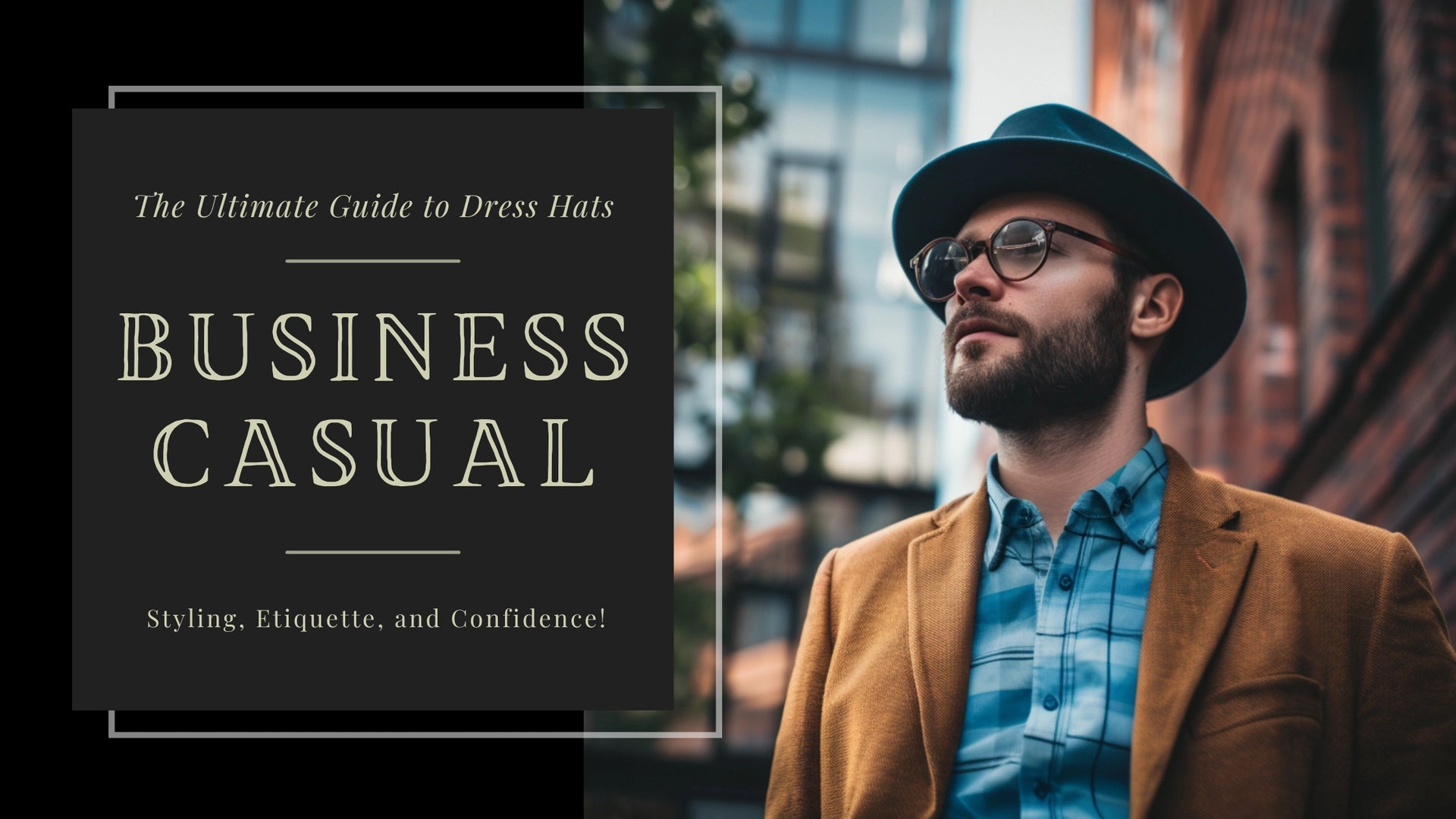
Business casual is a dress code that feels both familiar and confusing. Many workplaces list it as their standard, but few people agree on what it truly means. Most guides focus on shirts, pants, and shoes—leaving out an accessory that can spark debate: hats. Can you wear a hat with business casual? The answer isn’t as simple as yes or no.
This article breaks down the rules, traditions, and gray areas about hats in business casual environments. You’ll learn when a hat adds to your style, when it might hurt your professional image, and how to make confident choices. Whether you’re new to business casual or looking to update your look, this guide gives you clear answers and practical examples.
Understanding Business Casual
Business casual is a balance between professional and relaxed. It’s meant to be less formal than a suit, but more polished than everyday wear. The goal is to look neat, tidy, and suitable for an office or business event.
Typical business casual for men includes:
- Collared shirts (button-down or polo)
- Dress pants or chinos
- Loafers or dress shoes
- Sweaters or blazers (optional)
For women, it often means:
- Blouses or neat tops
- Dress pants, skirts, or dresses
- Flats, loafers, or low heels
- Cardigans or blazers (optional)
But what about accessories? Ties, belts, and watches are usually accepted. Hats, however, are rarely discussed, and opinions differ based on company, region, and even the specific workplace culture.
The History And Meaning Of Hats At Work
Hats once played a major role in business fashion. In the past, men wore fedoras, bowler hats, or derbies as part of their daily suits. Women paired dresses with neat berets or pillbox hats. Over time, indoor hat-wearing became less common, especially as workplaces shifted toward more casual dress.
Today, hats can send mixed messages. For some, a hat is a statement of style or even necessity. For others, it can seem too casual or distracting. Understanding these cultural shifts helps you decide when and how a hat might fit into business casual.
Types Of Hats: Which Styles Work With Business Casual?
Not all hats are equal in a business setting. Some add polish, while others feel out of place. Here’s a look at common hat types and their suitability for business casual.
| Hat Type | Business Casual Friendly? | Best Occasions |
|---|---|---|
| Fedora | Sometimes | Outdoor events, creative workplaces |
| Beret | Yes | Art, fashion, or design industries |
| Flat Cap | Yes | Business travel, casual Fridays |
| Baseball Cap | No | Company outings, sports events |
| Beanie | Rarely | Tech/startup offices in winter |
| Sun Hat | Yes | Outdoor business lunches, travel |
| Wide-Brim Hat | Sometimes | Warm climates, outdoor meetings |
Key insight: The more structured and simple the hat, the more likely it is to work with business casual. Loud logos, sporty styles, and oversized hats rarely fit.
When Is Wearing A Hat Acceptable?
There’s no universal rule, but these situations often allow a hat:
1. Outdoor Company Events
Garden parties, retreats, or team-building activities often happen in the sun. A classic sun hat, Panama hat, or fedora can protect you and look stylish.
2. Travel For Business
Traveling for work sometimes means moving between climates or spending time outdoors. A flat cap or neat beret can be practical and sharp.
3. Creative Industries
If you work in fashion, design, or the arts, unique accessories (like a beret or trilby) can show personality.
4. Weather-related Needs
In winter, a simple wool beanie or felt hat may be allowed, especially in more relaxed offices.
5. Medical Or Religious Reasons
If you wear a hat for health or faith (e. g. , a kippah or headscarf), most workplaces make exceptions.
Non-obvious tip: If you’re unsure, check employee photos on the company website or social media. See what people actually wear.
When Should You Avoid Wearing A Hat?
Some situations make hats a risky choice:
- Traditional or Conservative Offices:
Law firms, banks, and some corporate environments expect a hat-free look indoors.
- Client Meetings and Interviews:
When you need to make a strong, professional impression, hats may seem too informal.
- Indoor Office Settings:
The old rule of “no hats indoors” still guides many workplaces, even if it’s not written.
- Formal Presentations:
Standing in front of a group? Avoid hats unless it’s a known part of your style or brand.
How To Choose The Right Hat For Business Casual
If you want to wear a hat, pick wisely. Here’s how to make a smart choice:
1. Match The Hat To Your Outfit
The hat should look like it belongs. For example, a flat cap pairs well with chinos and a blazer, while a wide-brim sun hat fits with a simple dress and flats.
2. Stick To Neutral Colors
Business casual is about blending in, not standing out too much. Choose navy, gray, black, beige, or brown hats. Avoid bright colors or flashy patterns.
3. Avoid Large Logos Or Slogans
A hat with a company logo can work at a team event, but not for daily office wear. Keep hats simple and unbranded.
4. Prioritize Quality Materials
Wool, felt, cotton, or straw (for summer) look more professional than synthetic, athletic materials. Well-made hats keep their shape and elevate your outfit.
5. Make Sure The Hat Is Clean And Well-kept
A wrinkled or dirty hat lowers your whole look. Brush off lint, store hats carefully, and replace worn-out items.
Common Mistakes To Avoid
1. Wearing A Hat Indoors Without Reason
Even in casual offices, wearing a hat indoors can seem odd unless it’s cold or your workplace is very relaxed.
2. Choosing Sports Caps Or Snapbacks
These signal “weekend” or “gym,” not “business. ” Save them for personal time.
3. Ignoring Your Company’s Unspoken Rules
Some offices never talk about hats, but nobody wears them. Follow the crowd if you want to fit in.
4. Not Removing Your Hat During Formal Moments
Take off your hat for meetings, presentations, or formal greetings.
5. Letting The Hat Upstage Your Outfit
The hat should support your look—not become the main focus.
Advanced insight: Some people think wearing a hat will hide a “bad hair day.” In reality, it often draws more attention. If you’re worried about hair, go for a tidy, low-key style instead.
Comparing Hat Styles For Business Casual
Here’s a quick comparison of popular hats and their strengths and weaknesses in a business casual setting:
| Hat Style | Pros | Cons |
|---|---|---|
| Fedora | Classic, stylish, works for men and women | Can look too formal or “costume-like” |
| Flat Cap | Subtle, easy to match, suits many faces | Less common in modern offices |
| Beret | Chic, creative, lightweight | May seem “artsy” in conservative fields |
| Beanie | Warm, comfortable | Often too casual, rarely works indoors |
| Wide-Brim Sun Hat | Great for outdoors, sun protection | Can feel oversized, impractical indoors |
How Company Culture Shapes Hat Rules
Every workplace has its own style, even if they call it “business casual. ” Some companies encourage individual expression, while others want everyone to look similar.
- Tech Startups:
More likely to accept beanies or baseball caps, especially in winter.
- Creative Agencies:
Berets, bold fedoras, and unique hats may be part of the culture.
- Finance, Law, Corporate:
Hats are rare and usually not welcome indoors.
- Customer-Facing Roles:
Front desk, sales, or retail positions often ask employees to skip hats to look more open and approachable.
Pro tip: If you’re new, observe what managers and long-term staff wear. Even if the dress code says “business casual,” the culture may be more (or less) strict.
Hats And Gender In Business Casual
Expectations can differ for men and women, but the basic rules are similar: keep it simple, neat, and context-appropriate.
- Women:
Sun hats, berets, and neat headbands can work, especially outdoors or in creative fields. Large, decorative hats are usually too formal unless at a special event.
- Men:
Fedoras, flat caps, and Panama hats are the most accepted. Baseball caps and beanies are usually too casual.
Non-obvious insight: Some women use headscarves or wraps for both style and religious reasons. These are often more accepted than hats because they’re seen as both practical and respectful.
Regional And Climate Differences
Where You Live And Work Changes What’s “normal.”
- Hot Climates:
Sun hats or Panama hats are common for outdoor business lunches or events.
- Cold Climates:
Simple wool beanies or felt hats may be fine for commuting, but still removed indoors.
- Urban Centers:
Big cities often have more fashion-forward offices that tolerate stylish hats.
- Small Towns or Traditional Areas:
Conservative dress is the norm, so hats are rare.
Practical example: Someone working in New York’s fashion district will see more hats than someone in a small-town bank.
How To Introduce Hats Into Your Business Casual Wardrobe
If you want to try wearing a hat, start small. Here’s a step-by-step approach:
1. Choose A Simple, Neutral Hat
Pick a flat cap, subtle fedora, or neat beret in a basic color.
2. Wear It For Outdoor Work Events First
Get used to reactions in less formal settings, like picnics or business travel.
3. Test On Casual Fridays
If your office allows more relaxed dress on Fridays, try a hat then.
4. Pay Attention To Feedback
Notice if colleagues or managers comment or follow your lead.
5. Adapt Based On Company Response
If you get positive or neutral feedback, keep going. If people seem surprised or negative, stick with traditional business casual.
Advanced tip: Hats can be a conversation starter. If someone asks about your hat, explain why you chose it (e.g., sun protection, style, or comfort) to show thoughtfulness.

Credit: www.agnoulitahats.com
Special Cases: Religious And Medical Headwear
Workplaces are increasingly inclusive. If you wear a headscarf, kippah, turban, or other religious headwear, these are not considered “just hats.” Most organizations have policies to allow them, and it’s illegal in many places to discriminate based on religious dress.
For medical reasons (like hair loss), hats or head coverings are usually accepted. If you’re concerned, speak with HR or your manager privately.
Useful link: See the U.S. Equal Employment Opportunity Commission for more on your rights.
How To Ask Your Company About Hat Policies
If you’re unsure, it’s okay to ask directly. Here’s how:
1. Check The Employee Handbook
Many handbooks mention dress code basics. Look for a section on “appearance,” “accessories,” or “headwear. ”
2. Ask Hr Or Your Manager
A simple question like, “Are hats okay with business casual? ” is direct and professional.
3. Frame It Positively
If you need a hat for health or faith, say, “I wear a head covering for [reason]. Is that allowed under our business casual policy? ”
4. Observe First, Then Decide
Sometimes, the best answer comes from watching what others do.
Credit: www.agnoulitahats.com
Real-world Examples: When Hats Work (and When They Don’t)
- Outdoor Sales Meeting:
A Panama hat protects from sun and fits the business casual vibe.
- Creative Agency Office:
A designer wears a neat beret that matches her outfit—colleagues see it as stylish.
- Bank Lobby:
A teller wears a baseball cap—managers ask her to remove it, as it looks unprofessional.
- Tech Startup in Winter:
Engineers wear beanies at their desks, but remove them for client calls.
- Company Picnic:
Employees wear sun hats and caps outside, but leave them behind when returning to indoor activities.
How Hats Affect Perception In Business Casual
Hats can change how people see you.
- Positive:
Shows confidence, style, and thoughtfulness (if chosen well and worn at the right time).
- Negative:
Can look unprofessional or “trying too hard” if the hat is too bold or casual.
Data point: In a survey by a global HR firm, 72% of managers said “unusual accessories” can hurt a job candidate’s chances, unless the industry is creative or fashion-oriented.
Insight: If you want to wear a hat, make sure your skills and attitude stand out more than your accessory.

Credit: www.reddit.com
Alternatives To Hats In Business Casual
If hats feel risky, there are other ways to add personality:
- Scarves:
A silk or lightweight scarf can add color and style without breaking dress code.
- Hair Accessories:
Neat clips, pins, or headbands can look sharp for women.
- Glasses:
Stylish frames are accepted in nearly every office.
- Ties and Pocket Squares:
For men, these add flair without drawing too much attention.
Pro tip: Accessories are a great way to stand out, but less is more in business casual.
The Bottom Line: Can You Wear A Hat With Business Casual?
You can wear a hat with business casual—sometimes. The key is to know your company, choose the right style, and match the occasion. In most offices, hats are best for outdoor events, creative fields, or special situations (like weather or health).
Indoors, in traditional workplaces, or for high-stakes meetings, skip the hat.
If you want to try a hat, start small, observe reactions, and adapt. Business casual is about looking professional, approachable, and appropriate for your workplace. A hat can be part of that—if you wear it with confidence and common sense.
Frequently Asked Questions
Can I Wear A Baseball Cap With Business Casual?
Baseball caps are rarely considered business casual. They’re seen as too sporty and informal for most offices. Some startups or casual tech companies might allow them on Fridays or during outdoor events, but they’re not safe for client meetings or traditional offices.
Are There Any Hats That Always Work With Business Casual?
No hat is always safe, but flat caps, simple berets, and Panama hats work best in business casual settings—especially outdoors or in creative industries. Stick to neutral colors and avoid flashy designs for the best results.
What If I Need To Wear A Hat For Medical Or Religious Reasons?
Workplaces must allow religious or medical headwear in most countries. This includes headscarves, kippahs, turbans, and hats for health reasons. If you face pushback, speak with HR or consult your rights—most companies have clear policies supporting you.
Should I Remove My Hat Indoors In A Business Casual Office?
In general, yes. The tradition of removing hats indoors still applies in most offices, unless it’s for health, religious, or extreme weather reasons. Taking off your hat shows respect and fits business etiquette.
How Can I Check If Hats Are Accepted In My Workplace?
Observe what colleagues and managers wear, check your company’s dress code policy, or ask HR directly. Most companies want employees to feel comfortable, but also maintain a professional image.
Business casual is about fitting in while expressing your style. Hats are a gray area—so when in doubt, choose classic accessories and keep your look polished. If you want a deeper dive into business fashion rules, see the Wikipedia entry on business casual for more background.
