

Graphic Designer T-Shirts: Trendy Styles for Creative Minds
Graphic Designer T-shirts: Creativity You Can Wear
When you see someone wearing a t-shirt covered in bold shapes, clever text, or eye-catching color, you’re not just looking at a shirt—you’re seeing a piece of wearable art. For graphic designers, t-shirts are more than just casual clothing. They’re a blank canvas, a way to show off style, humor, and creative thinking. Over the past few decades, graphic designer t-shirts have become a popular trend. These shirts are not only loved by designers but also by anyone who enjoys unique, creative fashion.
What makes a graphic designer t-shirt stand out from the rest? Why do so many people collect and wear them? And how can you create or choose the perfect design for yourself or your brand? In this article, we’ll explore everything you need to know about graphic designer t-shirts.
From design trends and printing methods to tips for buyers and creators, you’ll find practical advice, real examples, and even a few insider secrets that many beginners miss.
The Unique Appeal Of Graphic Designer T-shirts
Graphic designer t-shirts are special because they combine art, personality, and fashion in one package. Unlike plain shirts, these designs can tell a story, share a joke, or make a statement. Many people see their favorite t-shirts as part of their identity.
One reason these shirts are so popular is that they offer a way to express yourself without saying a word. A funny or clever design can break the ice in a crowd. An inspiring quote or image can show your beliefs and passions. For designers, creating t-shirts is also a way to showcase their skills to a wider audience. Instead of their work being hidden in a client’s file or website, it’s out in the world—walking, moving, and being seen by many.
Another reason is the “limited edition” feeling. Many graphic designer t-shirts are made in small batches or for specific events. This makes them feel more special, like owning a piece of art that not everyone can get.
What Makes A Great Graphic Designer T-shirt?
Not every t-shirt with a graphic is a great one. There’s a big difference between a shirt with a random picture and one with a design that really works. So, what separates the best designs from the rest?
1. Strong Visual Impact
The best t-shirts grab your attention from across the room. Bold colors, clear shapes, and smart use of space make a shirt stand out. Designers know that t-shirts are often seen from a distance, so the main image or message needs to be easy to see.
2. Clever Or Meaningful Concepts
Great t-shirts often have a twist—a clever joke, a play on words, or an image that makes you think. Some use minimalist designs to say a lot with just a few elements. Others use detailed illustrations to tell a whole story.
3. Good Use Of Typography
Text is a big part of many t-shirt designs. Choosing the right font, size, and placement is key. A funny slogan can fall flat if the letters are hard to read or too small.
4. Wearability
A t-shirt should look good on the body, not just on a computer screen. Designers think about how the image will sit on the chest, how it will look when the shirt moves, and whether the colors will fade after washing.
5. Print Quality
Even the best design can look bad if the print quality is poor. Good shirts use high-quality inks and fabrics, so the design stays sharp and bright after many wears.
Popular Styles And Themes In Graphic Designer T-shirts
Graphic designer t-shirts are as varied as the artists who create them. However, some themes and styles appear again and again because they connect with people.
Minimalist
Simple lines, small images, or single words. These shirts have a clean look and often use lots of white space.
Retro And Vintage
Old-school logos, faded colors, and distressed prints. These designs remind people of past decades.
Pop Culture
References to movies, TV shows, music, or video games. These shirts connect with fans and often use humor or clever twists on familiar images.
Abstract And Artistic
Bold shapes, splashes of color, or surreal images. These shirts are like modern art for your body.
Motivational Or Inspirational
Uplifting quotes, positive messages, or calls to action. These designs are popular with people who want to inspire others.
Satirical Or Ironic
Designs that poke fun at trends, brands, or even t-shirt culture itself. These are often the favorites of designers with a sarcastic sense of humor.
The Creative Process: How Graphic Designer T-shirts Are Made
You might think designing a t-shirt is as simple as drawing a picture and putting it on fabric. In reality, there’s a whole process that turns an idea into a finished product.
Step 1: Brainstorming And Sketching
Most designers start with a theme or concept. This could come from a client’s request, a personal interest, or something in the news. They often sketch a few rough ideas to see what works.
Step 2: Digital Design
After settling on a concept, the designer creates the image using software like Adobe Illustrator or Photoshop. They test different colors, fonts, and layouts to find the perfect look.
Step 3: Preparing For Print
This step is easy to overlook. Designers must make sure their files are in the right format and resolution for printing. They also choose the best printing method (more on that soon).
Step 4: Printing
The design is printed on t-shirts using one of several methods. Each has its own strengths and weaknesses (see next section).
Step 5: Quality Check
Before shirts are sold or shipped, good designers check for mistakes—misprints, color problems, or off-center designs.
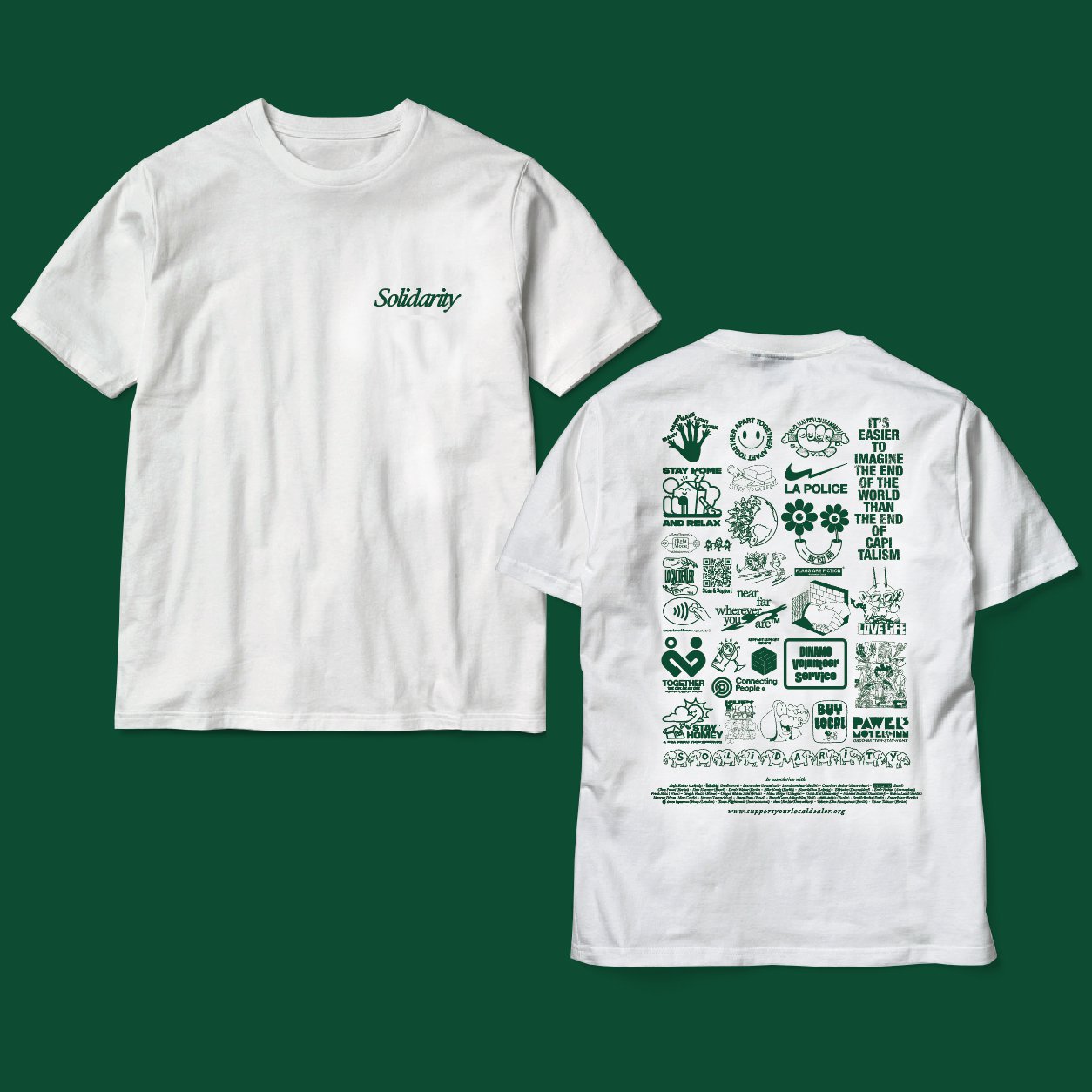
Non-obvious insight: Many beginners forget to test their designs on different shirt colors and sizes. What looks great on a white medium shirt might disappear on a black XL. Always use mockups and print samples when possible.
Credit: www.itsnicethat.com
T-shirt Printing Methods: A Comparison
Choosing the right printing method can affect cost, quality, and the final look of your design. Here’s a quick comparison of the most common methods:
| Printing Method | Strengths | Weaknesses | Best For |
|---|---|---|---|
| Screen Printing | Durable, vibrant colors, good for bulk | Expensive for small runs, limited colors per design | Simple designs, large quantities |
| Direct-to-Garment (DTG) | Full color, good for details, no setup fees | Less durable, works best on cotton, slower for bulk | Complex designs, small batches |
| Heat Transfer | Good for photos, easy for DIY | Can crack or peel, not as soft | Custom one-offs, small orders |
| Dye Sublimation | All-over prints, long lasting | Only works on light polyester, not for cotton | Sportswear, bright all-over designs |
Practical tip: For most small brands or artists, screen printing and DTG are the best starting points. Screen printing gives the best results for bold, simple designs, while DTG is great for complex images and small orders.
The Business Of Graphic Designer T-shirts
Selling graphic designer t-shirts can be a fun side project or a full-time business. The market is crowded, but there’s always room for new ideas if you understand what buyers want.
Finding Your Niche
The most successful t-shirt brands focus on a clear niche. This could be a certain style (like minimalist or retro), a theme (like cats, coding, or travel), or a target audience (like designers, gamers, or teachers). A clear focus helps your shirts stand out in a sea of generic designs.
Building A Brand
People don’t just buy t-shirts—they buy the story behind them. Use your brand’s website and social media to share your creative process, your inspiration, and even your failures. Customers love seeing the person behind the art.
Pricing And Production
Pricing depends on shirt quality, print method, and brand image. Here’s a quick overview:
| Shirt Quality | Print Method | Average Cost (per shirt) | Suggested Retail Price |
|---|---|---|---|
| Basic | Screen Printing | $5–$8 | $15–$22 |
| Premium | DTG | $9–$14 | $25–$35 |
| All-Over Print | Dye Sublimation | $12–$18 | $30–$50 |
Non-obvious insight: Many new sellers price too low, hoping to attract more buyers. But low prices can make your shirts seem cheap and hurt your profits. Instead, focus on quality and unique design. People are willing to pay more for something special.
Where To Sell
- Online Marketplaces: Etsy, Redbubble, and Teespring are popular starting points.
- Personal Website: Gives you full control and helps build a brand.
- Local Events: Art fairs, design conferences, or pop-up shops are great for meeting customers face-to-face.
Each platform has its own fees, audience, and challenges. Starting on a marketplace is easiest, but your own website gives you more freedom in the long run.
Credit: www.itsnicethat.com
Buying Guide: Choosing The Best Graphic Designer T-shirts
If you’re looking to buy graphic designer t-shirts, either for your wardrobe or as gifts, here are some key things to look for.
1. Check The Fabric
The shirt quality matters almost as much as the design. Look for 100% cotton for softness and breathability. Blends (like cotton-polyester) can be more durable and less likely to shrink.
2. Inspect The Print
A good print should be bright, sharp, and feel soft to the touch. Avoid shirts with prints that feel thick, sticky, or plasticky—they’re more likely to crack or peel.
3. Look For Originality
The most interesting shirts aren’t found in big chain stores. Search for designs that fit your style or sense of humor. Many artists sell their work on small online shops or at local events.
4. Consider Fit And Sizing
Designer shirts often use “fashion fit” cuts, which can run smaller than basic t-shirts. Always check the size chart before buying.
5. Support Independent Artists
Buying directly from designers means your money supports their creative work, not just a big company.
Practical tip: If you find a design you love, buy it before it disappears. Many graphic designer t-shirts are made in small runs and may not be restocked.
Common Mistakes When Designing Or Buying Graphic Designer T-shirts
Whether you’re creating or buying, avoid these common pitfalls.
For Designers
- Ignoring the Printing Process: Some designs look great on screen but don’t print well on fabric. Always test your design with the actual printer.
- Overcomplicating the Design: Too many colors or details can make the shirt look messy.
- Forgetting About Wearability: If your design is too large or placed awkwardly, it can look strange when worn.
- Not Considering Shirt Color: Designs that look good on white may not work on darker colors.
- Skipping Copyright Checks: Always use original artwork and fonts, or make sure you have permission.
For Buyers
- Choosing Only by Price: Cheap shirts often use low-quality fabric and prints.
- Not Checking Sizing Charts: Sizes can vary between brands and countries.
- Ignoring Care Instructions: Some prints need gentle washing to last longer.
- Falling for Knock-Offs: Support original designers, not copycats.
- Not Reading Reviews: Customer feedback can reveal issues with fit or print quality.
How To Start Your Own Graphic Designer T-shirt Brand
If you’re a designer (or just have great ideas), starting your own t-shirt brand can be rewarding. Here’s a simple roadmap to get started:
1. Develop Your Style And Niche
Think about what makes your designs unique. Are they funny? Artistic? Focused on a certain group? The more specific, the better.
2. Create A Small Collection
Start with 3–5 strong designs. It’s better to have a few great shirts than many average ones.
3. Choose Your Production Method
Decide whether you’ll print shirts yourself (using a local print shop or at home) or use print-on-demand services. Print-on-demand is low risk but offers less control over quality.
4. Set Up Your Store
You can use platforms like Shopify, Etsy, or your own website. Make sure to take good photos and write clear, honest descriptions.
5. Market Your Brand
Use social media to share your designs, the story behind them, and even the process. Collaborate with influencers or run giveaways to reach more people.
6. Gather Feedback And Improve
Listen to what customers say about fit, print quality, and design. Use this feedback to improve your future collections.
Practical insight: Don’t be afraid to start small. Focus on building a loyal customer base and growing slowly. Many big t-shirt brands began with just a few designs and a simple website.
The Role Of Graphic Designer T-shirts In Design Culture
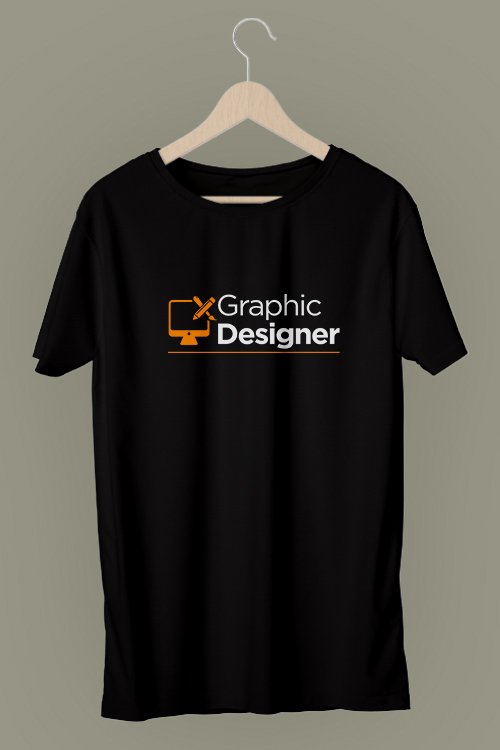
T-shirts have always been a favorite way for people to share ideas, beliefs, and style. For graphic designers, they’re also a badge of honor—a way to show off their skills and connect with others in the creative community.
Designers often use t-shirts to experiment with new ideas. Because shirts are small and relatively cheap to produce, they allow artists to take risks they might not take on bigger projects. If a design flops, it’s not a huge loss.
If it succeeds, it might become a best-seller.
Some design schools and agencies even use t-shirt design challenges as a way to teach important skills like color theory, typography, and branding. Wearing a shirt you designed yourself can be a powerful reminder of your growth as an artist.
Outside the design world, people collect graphic designer t-shirts for the same reasons they collect art prints or posters. Each shirt tells a story and reminds them of a time, place, or feeling.
Credit: merchshop.in
Sustainability And Ethical Choices In Designer T-shirts
As the t-shirt industry grows, so do concerns about sustainability and ethics. Many designers and buyers are looking for ways to reduce waste and support fair labor.
Eco-friendly Materials
Organic cotton, recycled polyester, and water-based inks are becoming more common. These options use fewer chemicals and less water than traditional methods.
Ethical Production
Some brands focus on fair wages, safe working conditions, and local manufacturing. These shirts may cost more, but many buyers are willing to pay extra for products that match their values.
Reducing Waste
Print-on-demand and small-batch production help avoid overstock and waste. Some brands even offer recycling programs or use biodegradable packaging.
Practical tip: If you care about sustainability, look for brands that are transparent about their materials and production. Don’t be afraid to ask questions before buying.
Examples Of Famous And Influential Designer T-shirts
Some t-shirts have become icons, known far beyond the design world. Here are a few examples that show the power of a great design:
- I ♥ NY: Designed by Milton Glaser, this simple logo became one of the most famous t-shirt prints ever.
- Obey Giant: Shepard Fairey’s street art project started as stickers and posters, but the design on t-shirts helped build a global brand.
- The Smiley Face: Created by Harvey Ball, this cheerful icon has appeared on millions of shirts and inspired countless imitations.
- Keep Calm and Carry On: Originally a British poster, this phrase became a t-shirt sensation thanks to its timeless message and easy-to-copy format.
These examples show that a powerful, simple idea can spread quickly when paired with the right t-shirt.
How To Care For Your Designer T-shirts
Want your favorite shirts to last? Follow these care tips:
- Wash inside out: Protects the print from rubbing against other clothes.
- Use cold water: Hot water can fade colors and damage the print.
- Hang dry or tumble dry low: High heat can shrink shirts and crack prints.
- Avoid bleach and harsh detergents: These can weaken fabric and ink.
- Don’t iron directly on prints: If you need to iron, use a cloth between the iron and the design.
Following these steps can keep your shirts looking fresh for years.
Comparing Popular T-shirt Brands For Designers
It’s easy to get lost with so many t-shirt brands. Here’s a quick comparison of some top choices for designers:
| Brand | Fabric Quality | Fit | Print Compatibility | Price Range |
|---|---|---|---|---|
| Bella+Canvas | Soft, durable | Slim, modern | All methods | $$ |
| American Apparel | High quality, ethical | Fashion fit | Screen, DTG | $$$ |
| Gildan | Sturdy, basic | Regular | Screen, DTG, HT | $ |
| Next Level | Soft, lightweight | Modern | All methods | $$ |
Tip: Try different brands before settling on one. Order blank samples to test fit and print quality.
Inspiration: Where Designers Find Ideas For T-shirts
Great ideas don’t come from nowhere. Here are some places designers look for t-shirt inspiration:
- Art and design magazines
- Street art and murals
- Music lyrics or album covers
- Internet memes and trends
- Personal experiences or travel
- Client stories and requests
Some designers keep a sketchbook or digital folder for ideas. Even if you don’t use an idea right away, it might come in handy later.
Non-obvious insight: Sometimes, your first idea isn’t your best. Try making at least three versions of each design before choosing one. This helps you find new angles and better solutions.
Frequently Asked Questions
What Is A Graphic Designer T-shirt?
A graphic designer t-shirt is a shirt featuring artwork, illustrations, or text created by a designer. These shirts usually focus on creativity, visual impact, and originality, making them popular with people who want something different from mass-produced clothes.
How Do I Know If A T-shirt Is High Quality?
Check the fabric (look for soft, thick material), the print (should be clear and not crack easily), and the stitching (even, tight seams). Reading customer reviews also helps you avoid low-quality options.
What’s The Best Way To Wash A Designer T-shirt?
Turn the shirt inside out, wash in cold water, and hang dry if possible. Avoid using bleach and do not iron directly on the printed design to keep it looking new longer.
Can I Create And Sell My Own T-shirt Designs Without Being A Professional Designer?
Yes! Many platforms allow you to upload designs and sell them on shirts. You don’t need a design degree, but practicing basic design skills and understanding printing methods will help your shirts look better and sell more.
Where Can I Find Unique Graphic Designer T-shirts To Buy?
You can find unique shirts on online marketplaces like Etsy, Redbubble, and designer websites. For more tips and inspiration, check out Creative Bloq.
Graphic designer t-shirts are more than just clothing—they’re a form of self-expression, a way to support artists, and a piece of creative culture you can wear. Whether you’re buying your first shirt or planning your own brand, remember: a great t-shirt tells a story, starts a conversation, and makes you feel like yourself.
