

Designer Shirts Men: Top Trends and Styling Tips for 2024
Designer Shirts Men: A Complete Guide to Style, Brands, and Buying Tips
Looking good is more than just a trend—it's a statement. For many men, designer shirts are a key part of dressing well and making a good impression. Whether you want to stand out at work, feel confident at an event, or simply enjoy high-quality clothing, a designer shirt can change the way you look and feel. But with so many brands, styles, and fabrics out there, it can be hard to know where to start.
This guide cuts through the confusion. Here, you'll find everything you need to know about designer shirts for men—from how to spot real quality, to choosing the right fit, to understanding top brands and caring for your investment. Whether you’re new to designer fashion or looking to expand your collection, you’ll discover practical tips and insider details that most beginners miss.
What Makes A Shirt A Designer Shirt?
Not every expensive shirt is truly “designer.” A real designer shirt stands out in several ways:
- Unique design: Designer shirts are created by well-known brands or fashion designers. Their designs are not just copies of everyday shirts; they often use special patterns, new cuts, or bold colors.
- High-quality fabric: The materials are often finer and more durable. Think Egyptian cotton, linen, or silk.
- Attention to detail: Designer shirts have sharp stitching, neat buttons, and strong seams. Small touches like custom embroidery or branded tags are common.
- Limited production: Many designer shirts are made in smaller numbers, making them more exclusive.
- Brand reputation: The name behind the shirt matters. Brands like Gucci, Armani, or Ralph Lauren are known for their style and quality.
Tip: Price alone does not make a shirt “designer.” Always check the label and details to make sure you’re getting what you pay for.
Popular Types Of Designer Shirts For Men
Understanding the main styles will help you pick the right shirt for your needs. Here are some of the most popular:
Dress Shirts
These are classic shirts, usually with a stiff collar and button cuffs. They’re perfect for work, business meetings, or formal events. Designer dress shirts often come in simple colors like white, light blue, or subtle stripes.
Casual Shirts
Casual designer shirts include button-downs with softer collars, relaxed fits, and playful patterns. They can be worn with jeans or chinos and are great for weekends or smart-casual events.
Printed Shirts
From bold florals to geometric prints, these shirts are about making a statement. Designer brands use high-quality prints that don’t fade easily.
Linen Shirts
Linen is light and breathable, perfect for hot weather. Designer linen shirts are popular for vacations, summer parties, or relaxed office days.
Denim Shirts
A denim shirt adds a rugged but stylish touch. Designer versions often use soft, premium denim and have unique washes or details.
Polo Shirts
The designer polo is a smart-casual staple. It’s more relaxed than a dress shirt but neater than a T-shirt. Brands like Lacoste and Polo Ralph Lauren are famous for these.
Overshirts And Shackets
These are heavier shirts, sometimes worn as jackets. They’re practical for layering and add depth to your outfit.
Non-obvious insight: Many men overlook the versatility of designer overshirts. A good overshirt can be worn three ways: alone, over a T-shirt, or under a jacket—making it one of the most flexible pieces in your wardrobe.
Key Features To Look For In A Designer Shirt
If you want to buy a shirt that lasts and looks great, focus on these features:
- Fabric Quality
- Egyptian or Pima cotton feels soft and lasts longer.
- Linen is perfect for warm climates but can wrinkle easily.
- Silk is luxurious but needs careful cleaning.
- Stitching
- Check the seams. High-quality shirts have even, tight stitches.
- No loose threads or sloppy lines.
- Buttons
- Designer shirts often use mother-of-pearl or branded buttons.
- Buttons are sewn on with a strong cross-stitch pattern.
- Collar and Cuffs
- The collar should be stiff but comfortable.
- Removable collar stays are a plus.
- Cuffs should feel strong and hold their shape.
- Cut and Fit
- Slim, tailored, or classic—choose based on your body type.
- Designer shirts usually fit better off the rack.
- Labels and Tags
- Genuine designer shirts have branded labels, often with extra details like fabric origin or care instructions.
- Patterns and Details
- Look for special touches: Contrast stitching, unique patterns inside the collar, or subtle logos.
Practical tip: Turn the shirt inside out before buying. It’s easier to spot poor stitching or low-quality lining.
Top Designer Shirt Brands For Men
The world of designer shirts is filled with famous names. Here’s a look at some of the most respected brands and what makes each unique.
| Brand | Known For | Price Range (USD) | Signature Detail |
|---|---|---|---|
| Gucci | Bold prints, luxury fabrics | 350–950 | Embroidered motifs |
| Armani | Sharp tailoring, classic colors | 200–600 | Minimalist elegance |
| Ralph Lauren | Polo shirts, preppy style | 95–450 | Pony logo |
| Versace | Vibrant designs, baroque prints | 300–800 | Medusa head emblem |
| Hugo Boss | Business shirts, sharp fit | 120–350 | Subtle branding |
| Burberry | Check patterns, British style | 250–700 | Signature check |
| Prada | Modern cuts, high-tech fabrics | 350–950 | Clean lines |
| Tom Ford | Luxury business wear | 400–1200 | Wide collars |
| Saint Laurent | Slim fit, rock style | 350–950 | Western details |
| Etro | Colorful paisleys, unique prints | 250–600 | Paisley motifs |
Non-obvious insight: Some lesser-known luxury brands offer better value than famous names. For example, Etro and Eton often use higher-grade fabrics than bigger brands at similar prices.
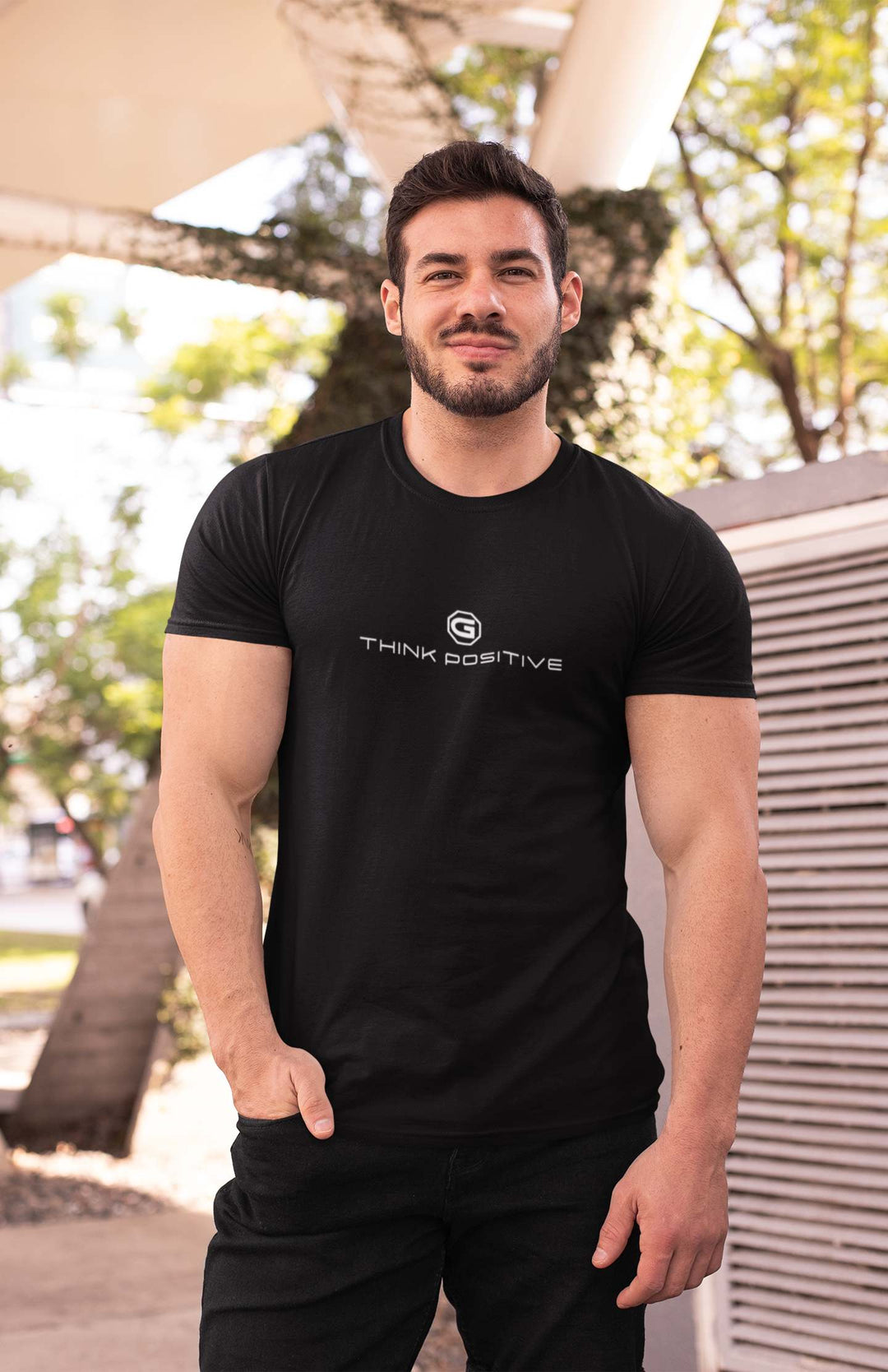
Credit: www.gymate-pro.com
Choosing The Right Fit And Size
Even the best shirt can look bad if it doesn’t fit well. Here’s how to get it right:
Understanding Shirt Fits
- Slim Fit: Close to the body, good for athletic builds.
- Tailored Fit: Slightly relaxed but still sharp.
- Classic Fit: More room in the chest and waist, comfortable for most men.
Measuring Yourself
- Neck: Measure around the base of your neck where the collar sits.
- Chest: Measure the widest part, under your arms.
- Waist: Measure around your natural waistline.
- Sleeve Length: From the center back of your neck, across your shoulder, and down your arm to the wrist.
Sizing Chart Example
Sizes can be confusing because each brand is a little different. Here’s a typical designer shirt size chart:
| Size | Neck (inches) | Chest (inches) | Sleeve (inches) |
|---|---|---|---|
| S | 14–14.5 | 35–37 | 32–33 |
| M | 15–15.5 | 38–40 | 33–34 |
| L | 16–16.5 | 41–43 | 34–35 |
| XL | 17–17.5 | 44–46 | 35–36 |
| XXL | 18–18.5 | 47–49 | 36–37 |
Practical tip: Designer shirts may fit slimmer than regular brands. If you’re between sizes, consider going up one size for comfort.
How To Style Designer Shirts For Men
A designer shirt can be the centerpiece of your outfit, but only if you style it well. Here’s how:
For Work Or Formal Events
- Pair a crisp white or light blue designer shirt with a tailored suit.
- Add a silk tie for more polish.
- Choose classic dress shoes and a leather belt.
For Smart-casual Looks
- Wear a patterned or colored shirt with chinos.
- Leave the top button undone.
- Layer with a blazer for extra style.
Casual Outings
- Go for a linen or denim designer shirt with rolled-up sleeves.
- Match with dark jeans or shorts.
- Sneakers or loafers keep it relaxed.
Weekend Or Leisure
- Choose a bold print or floral shirt.
- Layer over a plain T-shirt and wear open.
- Combine with slim-fit shorts and sandals.
Creative Layering
- Use an overshirt as a light jacket.
- Mix textures, like a cotton shirt with a wool sweater.
Common mistake: Many men tuck in every shirt by default. Not all designer shirts are meant to be tucked. Check the hem—if it’s curved and longer, tuck it in; if it’s shorter and straight, wear it untucked.
Where To Buy Designer Shirts For Men
Finding authentic designer shirts can be tricky. Here are your best options:
Brand Boutiques
The safest way to get real designer shirts is at official brand stores. Staff can help with sizing and care.
Department Stores
Stores like Nordstrom and Saks Fifth Avenue have a wide range of designer brands. You can try on different fits in one place.
Online Retailers
Websites like Mr Porter, Farfetch, and SSENSE offer the latest styles. Make sure the site is trustworthy and check return policies.
Outlet Stores
Designer outlets sell last season’s shirts at lower prices. You get real quality, but fewer choices.
Secondhand & Vintage
Sites like The RealReal and Vestiaire Collective have pre-owned designer shirts. This is a smart way to get high-end fashion for less.
Practical tip: Beware of fakes online. If the price seems too good to be true, check for reviews and authentication services.
Price Guide: What Should You Pay For A Designer Shirt?
Designer shirts are an investment. Here’s what you can expect:
- Entry Level ($80–$200): Brands like Hugo Boss and Ralph Lauren. Good quality, stylish, and accessible.
- Mid-Range ($200–$500): Includes Armani, Burberry, Etro. You get better fabrics and exclusive designs.
- Luxury ($500+): High-end names like Tom Ford, Gucci, and Prada. These shirts use rare fabrics and are often hand-finished.
Non-obvious insight: Prices are higher for limited editions or shirts with special embroidery. Sometimes, end-of-season sales offer big discounts on designer shirts—timing your purchase can save you a lot.

Credit: www.nextlevelcouture.com
How To Care For Designer Shirts
A designer shirt will last years if you look after it. Here’s how to keep yours looking new:
- Follow care labels: Each shirt has specific washing instructions. Don’t ignore them.
- Hand wash or gentle cycle: Use cold water and a mild detergent.
- Avoid the dryer: Hang shirts to air dry. High heat can damage fine fabrics.
- Iron carefully: Use the right temperature for the fabric. Cotton can take more heat; silk and linen need lower settings.
- Store properly: Hang on wooden or padded hangers. Avoid wire hangers that stretch the fabric.
- Rotate your shirts: Don’t wear the same shirt too often. This reduces wear and tear.
Common mistake: Dry cleaning is not always best. Too many chemicals can weaken fibers over time. Only dry clean when the label says it’s necessary.
Trends In Designer Shirts For Men
Fashion is always changing, but some trends keep coming back. Here’s what’s popular now:
- Bold Prints: Florals, animal prints, and graphics are hot, especially for casual shirts.
- Sustainable Fabrics: Eco-friendly cotton, bamboo blends, and recycled materials are on the rise.
- Relaxed Fits: Boxy, loose shirts are back, especially in streetwear.
- Unusual Colors: Pastels, deep greens, and bright shades are replacing basic blues and whites.
- Retro Styles: Vintage patterns, like paisleys and checks, are seeing a comeback.
Practical tip: Don’t chase every trend. Pick one or two modern details and mix them with classic pieces for balance.
How To Spot A Fake Designer Shirt
Counterfeit shirts are everywhere, especially online. Here’s how to protect yourself:
- Check the label: Spelling mistakes or poor stitching are signs of a fake.
- Look at the buttons: Real designer shirts use high-quality buttons; fakes often use cheap plastic.
- Inspect the stitching: Loose threads and uneven seams are red flags.
- Packaging: Designer shirts usually come in branded boxes or with branded tissue paper.
- Price: If it’s much cheaper than usual, be careful.
Expert advice: Buy from trusted retailers. If you’re buying secondhand, ask for proof of purchase or authentication.
Designer Shirts Vs. Regular Shirts: What’s The Difference?
It’s not just about price or a fancy logo. Here’s a side-by-side look at what sets designer shirts apart:
| Feature | Designer Shirt | Regular Shirt |
|---|---|---|
| Fabric | Premium cotton, linen, silk | Standard cotton or blends |
| Fit | Tailored, better shape | Boxy or loose |
| Stitching | Neat, tight, durable | Basic, may unravel |
| Details | Unique designs, branded buttons | Plain, simple buttons |
| Lifespan | 5+ years with care | 1–2 years on average |
| Price | High, reflects quality | Lower, mass-produced |
Non-obvious insight: While designer shirts cost more, they often hold their shape and color longer, meaning you replace them less often—saving money in the long run.

Credit: www.mirraw.com
Mistakes To Avoid When Buying Designer Shirts
- Ignoring fit: A beautiful shirt that doesn’t fit right will never look good.
- Chasing trends blindly: Focus on timeless styles first; trends change quickly.
- Not checking the return policy: Make sure you can return or exchange the shirt if needed.
- Skipping fabric checks: Some designer shirts use blends that don’t breathe well. Always check the fabric content.
- Forgetting about maintenance: Some fabrics need special care. If you don’t want to iron or dry clean, choose easy-care fabrics.
Practical tip: Always try on a shirt or check the online sizing guide before buying. Designer brands sometimes run smaller than regular brands.
Building A Designer Shirt Collection: Where To Start
If you’re new to designer shirts, don’t feel you need ten at once. Start small and build your wardrobe over time.
Essentials For Most Men
- White dress shirt: Works for business, weddings, or interviews.
- Light blue dress shirt: A softer, more relaxed option.
- Patterned casual shirt: Adds personality for weekends or dates.
- Linen shirt: For summer or travel.
- Polo shirt: Smart-casual staple.
Expanding Your Collection
Once you have the basics, add:
- Bold print shirt: For parties or special events.
- Overshirt: For layering in cooler weather.
- Unique color or fabric: Try silk, denim, or a pastel shade.
Expert suggestion: Focus on versatility. A shirt that works with jeans, trousers, and shorts gives you more value.
The Role Of Designer Shirts In Men’s Fashion
Why do so many men invest in designer shirts? It’s not just about the label. Here’s what makes them special:
- Confidence: Wearing a well-made shirt can change how you feel.
- Impression: People notice quality—even if they can’t name the brand.
- Longevity: Designer shirts often last for years, looking better over time.
- Versatility: Many designs work for both formal and casual events.
Practical tip: You don’t need a closet full of designer shirts to look good. A few well-chosen pieces can upgrade your whole wardrobe.
Sustainability And Ethical Choices In Designer Shirts
More brands are focusing on sustainable fashion. Here’s what that means for designer shirts:
- Eco-friendly fabrics: Organic cotton, linen, and recycled materials reduce environmental impact.
- Ethical factories: Brands are improving worker conditions and paying fair wages.
- Transparency: Some labels now show where and how their shirts are made.
Non-obvious insight: Sustainable designer shirts can cost more, but the quality and ethics are often better. Look for certifications like GOTS (Global Organic Textile Standard) or Fair Trade for real assurance.
For more about sustainable fashion, you can visit the Fashion Revolution website.
Frequently Asked Questions
What Is The Best Fabric For Designer Shirts?
The best fabric depends on your needs. Egyptian cotton is very soft and lasts long, making it ideal for dress shirts. Linen is light and great for hot weather but wrinkles easily. Silk is luxurious but needs extra care. For everyday use, high-quality cotton is the most versatile and comfortable.
How Can I Tell If A Designer Shirt Is Real?
Check the label and stitching first. Real designer shirts have neat labels, strong seams, and quality buttons. The packaging is usually branded and well-made. If buying online, use trusted retailers and ask for authentication if buying secondhand.
How Do I Care For My Designer Shirt To Make It Last?
Follow the care label instructions. Use cold water and gentle detergent, avoid the dryer, and iron at the correct heat. Hang your shirt on good hangers and rotate wear to reduce stress on the fabric. Avoid dry cleaning unless necessary.
Are Designer Shirts Worth The Price?
For many men, designer shirts are worth it. You get better fabrics, fit, and durability. While the price is higher, the shirt can last for years and keep its shape and color. If you care about style and comfort, designer shirts are a smart investment.
Can I Wear A Designer Shirt For Both Formal And Casual Occasions?
Yes, many designer shirts are versatile. A simple white or light blue shirt works for business and social events. For a casual look, wear it untucked with jeans. Patterned or bold shirts can be dressed up or down depending on how you style them.
A good designer shirt is more than just clothing—it’s an investment in style, comfort, and confidence. With the right knowledge, you can build a wardrobe that fits well, looks sharp, and lasts for years. Whether you buy one special shirt or build a whole collection, the right designer shirt helps you stand out for all the right reasons.
