

Does Business Casual Men Shirt Tucked in: Style Rules Explained
Business Casual Men Shirt Tucked In: The Definitive Guide
The way you wear your shirt says a lot about your understanding of business casual style. Many men find themselves asking, “Should I tuck in my shirt for a business casual look? ” The answer isn’t always simple. Your choice depends on the shirt, the workplace, and even your body type.
This guide will help you understand when, why, and how to tuck in your shirt for a business casual outfit, so you always look sharp and confident.
What Does “business Casual” Really Mean?
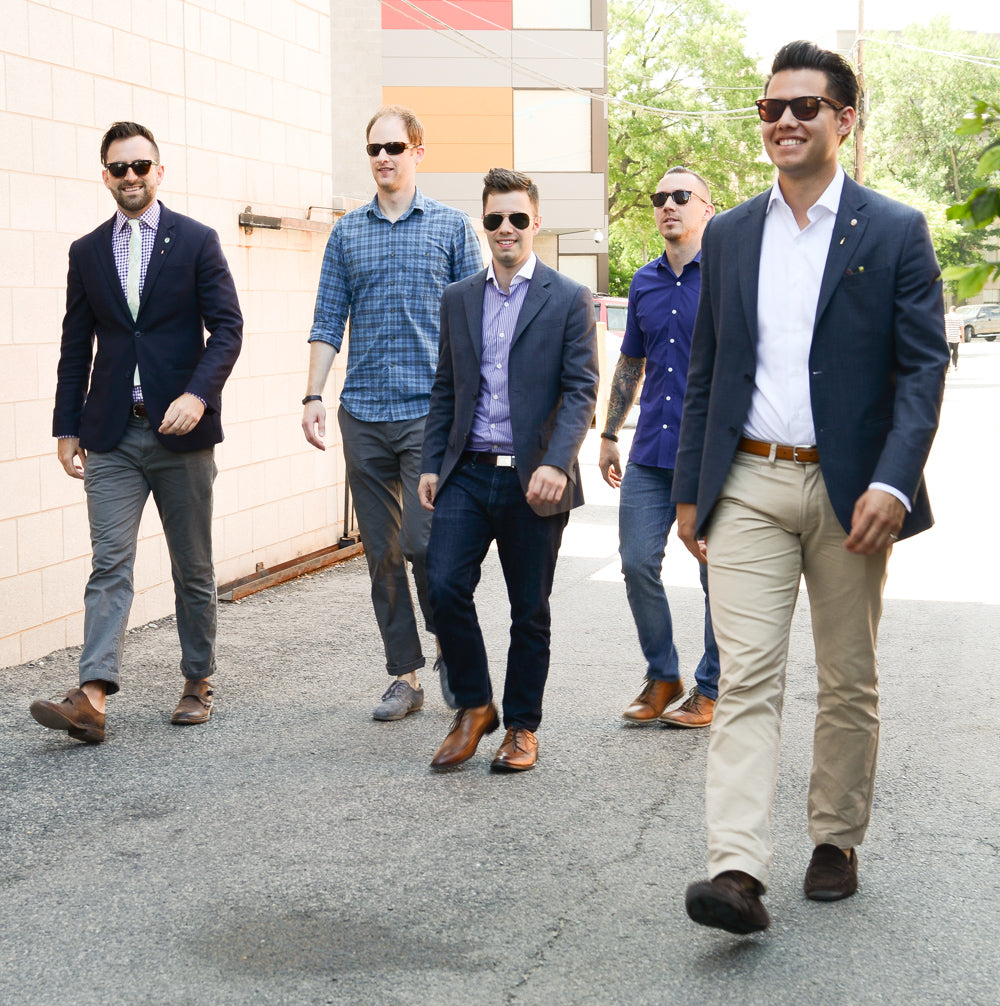
Business casual is a dress code that sits between formal business wear and relaxed, everyday clothing. It allows for more comfort and personal style than a full suit, but it’s still more polished than casual Friday outfits.
For men, business casual often includes:
- Collared shirts (button-down or polo)
- Dress pants or chinos
- Leather shoes (not sneakers)
- Belts and sometimes blazers
But, the rules for shirts—especially about tucking—are not always clear. Some offices expect a shirt tucked in, while others are more relaxed. Understanding the balance is key.
The Importance Of Tucking In A Shirt
Tucking in your shirt can change your whole look. It signals professionalism and respect for the environment you are in. When you tuck in your shirt, you create a cleaner, more structured appearance. For business casual, this small detail often makes the difference between looking polished and looking sloppy.
Why Does Tucking Matter?
- First Impressions: A tucked shirt shows you care about details. This can help in job interviews, meetings, and day-to-day work.
- Body Shape: Tucking in your shirt can make you look taller and slimmer by defining your waistline.
- Dress Code Fit: Most business casual offices expect at least a collared shirt tucked in, especially with dress pants or chinos.
But, there are times when leaving your shirt untucked can work, depending on the shirt style and office culture.
Types Of Shirts: Which Should Be Tucked?
Not all shirts are made the same. The design, length, and hem shape affect whether you should tuck it in for business casual.
Dress Shirts
- Designed to be tucked
- Longer tails and front
- Straight or slightly curved hem
Dress shirts almost always need to be tucked in. Their extra length helps them stay in place, and the structured fabric looks best when smooth against your body.
Button-down Casual Shirts
- Slightly shorter than dress shirts
- Can have straight or curved hems
Some button-downs, especially “casual” ones, are designed to be worn untucked. Check the length: if it covers your back pocket or goes below your zipper line, it’s too long to wear untucked.
Polo Shirts
- Typically worn untucked, but can be tucked with dress pants
- Shorter hem, often with small side slits
Polo shirts are flexible. In more formal settings, tucking them in can elevate your look.
Henley And Other Casual Shirts
- Usually worn untucked
- Shorter length, rounded hems
These are not common in business casual settings unless your office is very relaxed.
Shirt Length And Hem Shape Table
Here’s a simple way to judge if your shirt should be tucked in for business casual.
| Shirt Type | Typical Hem Shape | Recommended for Tucking? |
|---|---|---|
| Dress Shirt | Curved/Long | Yes |
| Button-Down Casual | Straight/Curved | Depends |
| Polo Shirt | Straight | Optional |
| Henley/Other | Short/Straight | No |
Understanding Shirt Hem Styles
A quick way to decide if you should tuck in your shirt is to look at the hem.
- Curved hem: Made to be tucked in. It’s longer at the front and back.
- Straight hem: Meant to be worn untucked. It’s even all the way around.
- High-low hem: A small dip at the back. Can go either way, depending on shirt length.
If you wear a curved-hem shirt untucked, it looks awkward and too long. If you tuck in a straight-hem shirt, it may come untucked easily and bunch up.

Credit: www.reddit.com
Office Expectations: What Do Workplaces Want?
Business casual can mean different things depending on your industry, company, or even country. In some offices, a tucked-in shirt is the norm. In others, a more relaxed approach is fine.
Formal Business Casual Offices
- Law firms, finance, consulting, government roles
- Expect shirts to be tucked in, with a belt and dress shoes
Relaxed Business Casual Offices
- Tech, creative, marketing, some startups
- Untucked shirts may be fine if they look neat and are designed that way
International Differences
Workplaces in Europe and Asia tend to be more formal, with tucked shirts as the standard. Some US startups are more relaxed, but even there, a tucked shirt is often seen as more professional for meetings or client visits.
Tucking And Body Type: What Works Best?
Your body type can affect how you look with a tucked or untucked shirt.
- Tall and slim: Tucked shirts emphasize your height and sharp lines.
- Shorter men: Tucking in your shirt can make your legs appear longer.
- Larger waists: Sometimes, untucked shirts can hide your middle, but a properly fitted tucked shirt with a blazer or sweater can also look sharp.
A common beginner mistake: wearing a baggy shirt either way. Always choose shirts that fit your shoulders and chest.
The Role Of Pants: Matching Shirt Tuck With Trousers
Your choice of pants affects whether you should tuck in your shirt.
- Dress pants: Always tuck in your shirt.
- Chinos: Usually tucked, but untucked is possible with casual shirts.
- Jeans: Untucked is fine for very relaxed offices, but tuck in for meetings or formal events.
- Shorts: Not business casual in most offices, but if allowed, leave shirts untucked.
The waistband height matters too. High-waist pants need tucking to look right, while low-rise pants make tucking harder to keep neat.
Belts, Shoes, And Accessories: Completing The Look
A tucked-in shirt often calls for a belt. This breaks up your outfit and makes it look finished. Match your belt to your shoes for a classic business casual style.
- Leather shoes: Look best with tucked shirts.
- Loafers or dress sneakers: Can work with untucked shirts in more relaxed settings.
- Accessories: Keep them simple—think classic watches, subtle cufflinks, or a pocket square if you wear a blazer.
The “smart Untucked” Look: Can It Work For Business Casual?
Wearing a shirt untucked is not always sloppy. Some brands make shirts designed to be worn untucked. They are shorter and have a straighter hem. If you want to try this look:
- Choose shirts labeled “untuckable” or designed for untucked wear
- Make sure the shirt ends between the mid-fly and top of your back pockets
- Keep the rest of your outfit sharp—crisp chinos, clean shoes, and a tailored fit
If you are unsure, err on the side of tucking in. It’s always safer for business casual environments.
How To Tuck In A Shirt Properly
A badly tucked shirt can look worse than untucked. Here’s how to do it right:
- Start with a fitted shirt. Baggy shirts create bulges.
- Button your pants before tucking. This helps keep the shirt in place.
- Use the military tuck: Pinch the sides of your shirt and fold them back before tucking the hem into your pants.
- Smooth the fabric. Pull your pants up and tighten your belt.
- Check the look. Move your arms and sit down to see if the shirt stays neat.
If your shirt keeps coming untucked, try shirt stays (elastic bands that clip to your shirt and socks) or look for shirts with a longer hem.
Mistakes To Avoid
Many men make the same mistakes with business casual shirts. Avoid these for a better look:
- Wearing a dress shirt untucked (it looks too long)
- Tucking in a short, straight-hem casual shirt (it comes loose)
- Not wearing a belt with dress pants
- Wearing wrinkled shirts or mismatched shoes
- Ignoring fit—baggy or too-tight shirts don’t look professional
An easy way to check: look in the mirror from the side and back before leaving home.
Comparison: Tucked Vs. Untucked In Different Settings
Let’s compare how a tucked and untucked shirt looks in various business casual environments.
| Setting | Tucked Shirt | Untucked Shirt |
|---|---|---|
| Formal Office | Professional, expected | Too casual, often frowned upon |
| Creative Agency | Polished, but not always required | Acceptable if the shirt is designed for it |
| Tech Startup | Looks sharp for meetings | Common, but can seem too relaxed for clients |
| Client Meeting | Safe and respectful | Risky, unless the culture is very casual |
| After-Work Event | Still sharp, easy to dress down with sleeves rolled | Fine, especially with a casual shirt and chinos |
Non-obvious Insights That Make A Difference
Many men focus only on tucking or untucking, but there are other details that can level up your business casual style:
- Shirt Fabric and Weight: Heavier fabrics (like oxford cloth) stay tucked better and wrinkle less. Thin, slippery fabrics often come untucked.
- Undershirts: A well-fitting undershirt can help your outer shirt lie flat and prevent sweat marks. But avoid visible undershirt lines at the waist.
Another detail: some shirts have “gripper tape” or silicone along the inside hem to help them stay tucked. These are great for long workdays.
Adapting Your Look Throughout The Day
Business casual style is flexible. You might start the day with a tucked shirt and blazer, then remove the blazer and untuck your shirt for a more relaxed after-work style. Some shirts are designed for this switch, so check before buying.
If your office allows, you can also roll up your sleeves or swap dress shoes for loafers after hours.
When In Doubt: Observe Or Ask
If you’re unsure about the dress code in your workplace, pay attention to what managers and well-dressed colleagues wear. If most have their shirts tucked in, follow their lead. You can also ask HR or your supervisor for guidance. It’s better to be slightly overdressed than underdressed, especially in a new environment.
How To Choose Business Casual Shirts That Work Both Ways
Look for these features if you want versatility:
- Moderate length: The shirt should not go below your back pockets or above your zipper when untucked.
- Quality fabric: Holds shape and stays neat both tucked and untucked.
- Structured collar and cuffs: Keeps the shirt looking sharp, even without a tie or blazer.
- Minimal patterns: Solids, stripes, or small checks work well for most business casual offices.
Try on shirts with the pants you plan to wear them with, and check the look both tucked and untucked.
Credit: www.hughandcrye.com
Shirt Brands That Get Business Casual Right
Some brands create shirts specifically for the business casual dress code. Here are a few known for good fits and versatile styles:
- Brooks Brothers: Classic, high-quality dress shirts for tucking
- Charles Tyrwhitt: Offers both formal and casual button-downs with various fits
- UNTUCKit: Specializes in shirts designed to be worn untucked
- J.Crew and Banana Republic: Good for smart-casual button-downs and polos
Try a few styles to see what suits your build and workplace culture best.
How Your Shirt Choice Affects Perception
Research shows that clothing affects not only how others see you but also how you see yourself. A neat, tucked shirt can boost your confidence and make you feel ready for important tasks. In contrast, a wrinkled or untucked shirt can make you feel less prepared—even if the rules say it’s allowed.
According to a study shared by Psychology Today, dressing slightly more formally than required can give you a psychological edge in professional situations.
Environmental And Seasonal Considerations
The weather can affect your shirt-tucking choices. In hot climates, untucked shirts and lighter fabrics can keep you cool, but you still want to look neat. In colder months, tucking in your shirt makes it easier to layer with sweaters or blazers.
If you sweat a lot, choose moisture-wicking fabrics and avoid thick, heavy shirts. Don’t forget to iron or steam your shirts—wrinkles are always a bad look.
Quick Decision Flow: Should You Tuck In?
If you’re still not sure whether to tuck in your shirt, use this quick mental checklist:
- Is your shirt hem curved and does it cover your back pocket? Tuck it in.
- Is your office more formal? Tuck it in.
- Are you meeting clients or managers? Tuck it in.
- Is the shirt short, straight-hem, and designed for untucking? Untucked is fine.
- Is the rest of your outfit sharp and clean? Both options can work.
If you answer “yes” to the first three, always tuck in your shirt for business casual. If not, check the fit and style before deciding.
Real-world Examples
Let’s look at a few real-world situations for business casual shirt tucking:
- Corporate Office Worker: Wears a light blue dress shirt tucked into navy chinos, with a brown leather belt and shoes. The shirt stays neat all day, even after meetings.
- Startup Employee: Chooses a short-sleeve button-down with a straight hem, worn untucked over slim-fit khakis. Looks relaxed but tidy, perfect for brainstorming sessions.
- Sales Professional: Always tucks in shirts for client meetings, sometimes adds a blazer for extra polish.
- Young Manager: Uses both styles—tucked for presentations, untucked for afternoon desk work.
Each of these men adapts to their environment, using shirt tucking to control the message they send.
A Few Words On Maintenance
Keeping your shirts in top shape is important. Wash and iron them regularly, and hang them up to avoid wrinkles. If you travel for work, consider wrinkle-resistant fabrics. Always check the fit after washing—some shirts shrink and may become too short to tuck in comfortably.
Data Table: Common Business Casual Shirt Mistakes
Here’s a look at frequent shirt mistakes and how to fix them.
| Mistake | How It Looks | Easy Fix |
|---|---|---|
| Untucked dress shirt | Long, sloppy, covers seat | Tuck it in, or choose a shorter shirt |
| Tucked short casual shirt | Comes untucked, bunches up | Wear untucked, or pick a longer shirt |
| No belt with dress pants | Unfinished, incomplete look | Add a matching leather belt |
| Baggy fit | Bulky, hides shape | Get shirts tailored or buy slimmer fits |
| Wrinkled shirt | Messy, unprofessional | Iron or steam before wearing |
Final Thoughts: Making The Right Choice For You
Whether you tuck in your shirt for business casual depends on many things: the type of shirt, your office culture, your body type, and even the season. But in most cases, a tucked-in shirt is the safer, more professional choice. It shows that you care about your appearance and respect the people around you.
Remember, your goal is to look neat, confident, and ready for any work challenge. Pay attention to fit, fabric, and finishing touches. If you ever feel unsure, start with a tucked-in shirt, and adjust as you learn more about your workplace style.

Credit: www.reddit.com
Frequently Asked Questions
Should All Business Casual Shirts Be Tucked In?
Not all business casual shirts need to be tucked in. Dress shirts and most button-downs should be tucked, especially in formal offices. Shirts with straight hems, like some casual button-downs or polos, can be worn untucked in relaxed settings.
Can You Wear An Untucked Shirt To A Business Casual Interview?
It’s best to tuck in your shirt for any job interview, even if the office is relaxed. This shows you take the opportunity seriously. Once hired, you can adjust your style to match the company culture.
How Do I Know If My Shirt Is Too Long To Wear Untucked?
A shirt is too long to wear untucked if it covers your back pockets or hangs below your zipper line. Ideal untucked shirts end around mid-fly in the front and just past your belt in the back.
Are Polos Considered Business Casual, And Should They Be Tucked?
Polos are business casual in many offices. You can wear them tucked or untucked, but tucking them in with dress pants or chinos looks more polished.
What If My Shirt Keeps Coming Untucked During The Day?
Try the military tuck for a neater hold, or use shirt stays. Make sure your shirt is long enough and fits well at the shoulders and chest. Heavier fabrics also stay tucked better.
