

Difference Between Yoga Leggings and Gym Leggings: Key Factors
Yoga and gym leggings are two of the most popular choices for fitness enthusiasts. If you walk into any sportswear shop, you’ll see racks filled with both. At first glance, they might look similar. Both are tight-fitting, stretchy, and made for movement. But their differences go deeper than just style. Picking the right pair can affect comfort, performance, and even your motivation. This guide will help you understand how yoga leggings and gym leggings differ, what each is made for, and which is best for your routine. You’ll also find tips, real-life examples, and answers to common questions. Whether you’re new to fitness or looking to upgrade your activewear, you’ll gain practical knowledge to make a confident choice.
What Are Yoga Leggings?
Yoga leggings are designed with flexibility and comfort in mind. They support slow, controlled movements and stretching. Unlike regular tights, yoga leggings often have a high waist and a soft, smooth feel. The aim is to allow the body to move freely during poses without restriction.
The material is usually lightweight and breathable. Many yoga leggings use fabrics like polyester, spandex, or nylon blends. These fabrics stretch in multiple directions, making it easy to perform difficult stretches and balances. The seams are often flat or hidden to prevent chafing during floor exercises.
Yoga leggings also focus on minimal distractions. You won’t find bulky zippers, buttons, or heavy pockets. Instead, they’re made to feel like a second skin. Some brands add a small pocket for essentials, but overall, the design is simple and sleek.
What Are Gym Leggings?
Gym leggings are built for strength, support, and durability. These leggings are made to withstand high-impact movements like running, jumping, and weightlifting. They often use thicker fabrics that offer compression and muscle support.
Compression is key for gym leggings. It helps reduce muscle fatigue and improves blood flow during intense workouts. The fit is usually snug but not restrictive. Many gym leggings have reinforced seams and panels for added durability. You’ll also find features like moisture-wicking technology to keep sweat away from the skin.
Gym leggings are made to handle friction and repeated stress. They often have extra pockets for phones, keys, or cards, making them practical for gym-goers. Some gym leggings even include mesh panels or ventilation zones to improve airflow and keep you cool.
Key Differences Between Yoga Leggings And Gym Leggings
Understanding the main differences is crucial for choosing the right pair. Here’s a breakdown of the most important factors:
Fabric & Material
Yoga leggings use soft, stretchy fabrics. They prioritize flexibility and comfort. Gym leggings use thicker, tougher materials. Compression is common, and durability is a must.
| Feature | Yoga Leggings | Gym Leggings |
|---|---|---|
| Stretch | 4-way stretch | 2-way or 4-way stretch |
| Fabric Weight | Lightweight | Medium to heavy |
| Compression | Low to moderate | High |
| Texture | Soft and smooth | Firm and structured |
Waistband Design
Yoga leggings typically have a high-rise waistband. This helps keep the leggings in place during stretching and bending. It also provides gentle support to the midsection.
Gym leggings may offer a high-rise or mid-rise waistband. The waistband is often reinforced to handle dynamic movements. Some gym leggings have adjustable drawstrings for extra security.
Stitching & Construction
Yoga leggings use flatlock seams or seamless designs. This reduces friction and prevents irritation during poses.
Gym leggings have reinforced stitching. This adds strength and durability, especially for high-stress areas like the knees and hips.
Practical Features
Yoga leggings are simple, with few pockets or extra features. Gym leggings often include pockets, mesh panels, and other functional elements.
Style And Appearance
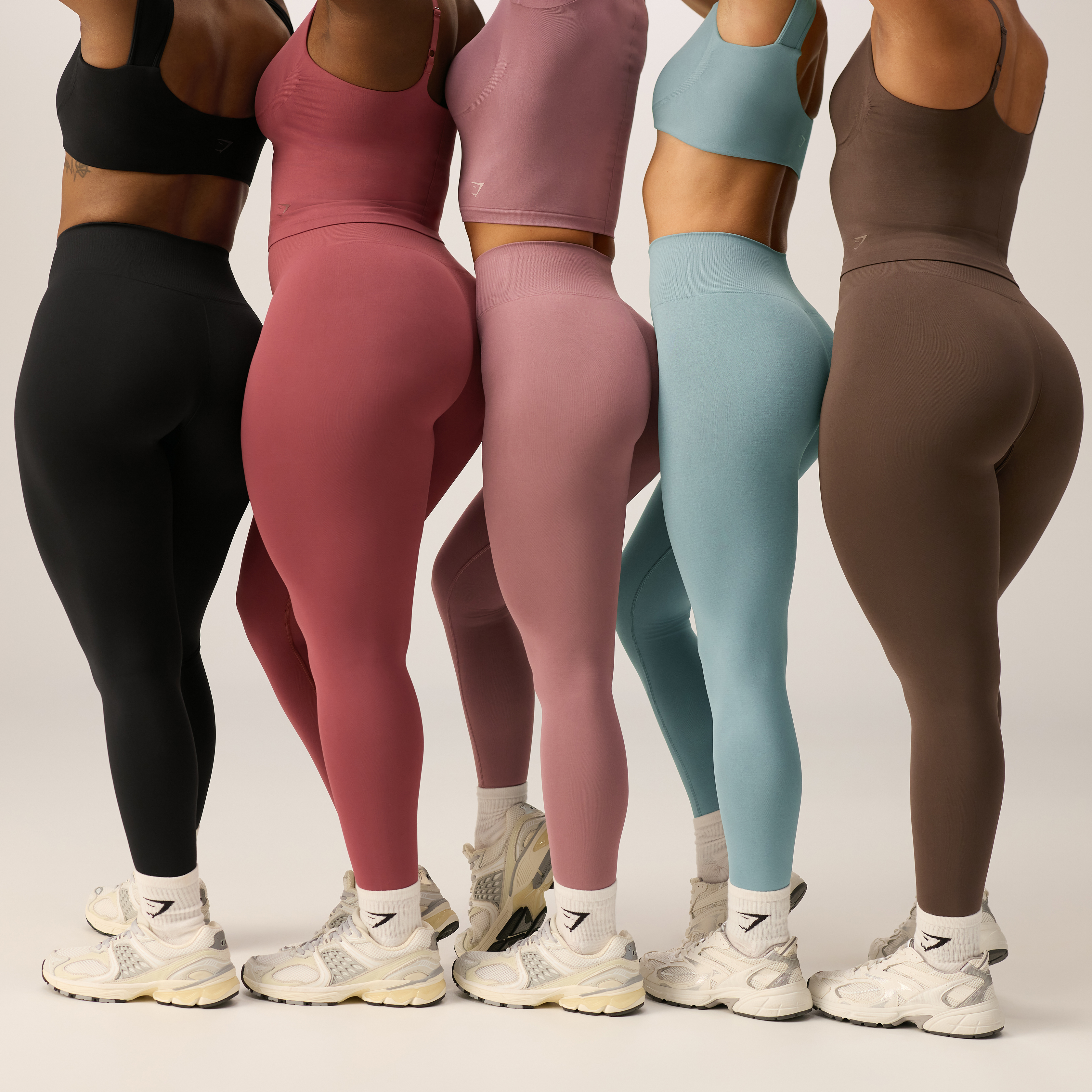
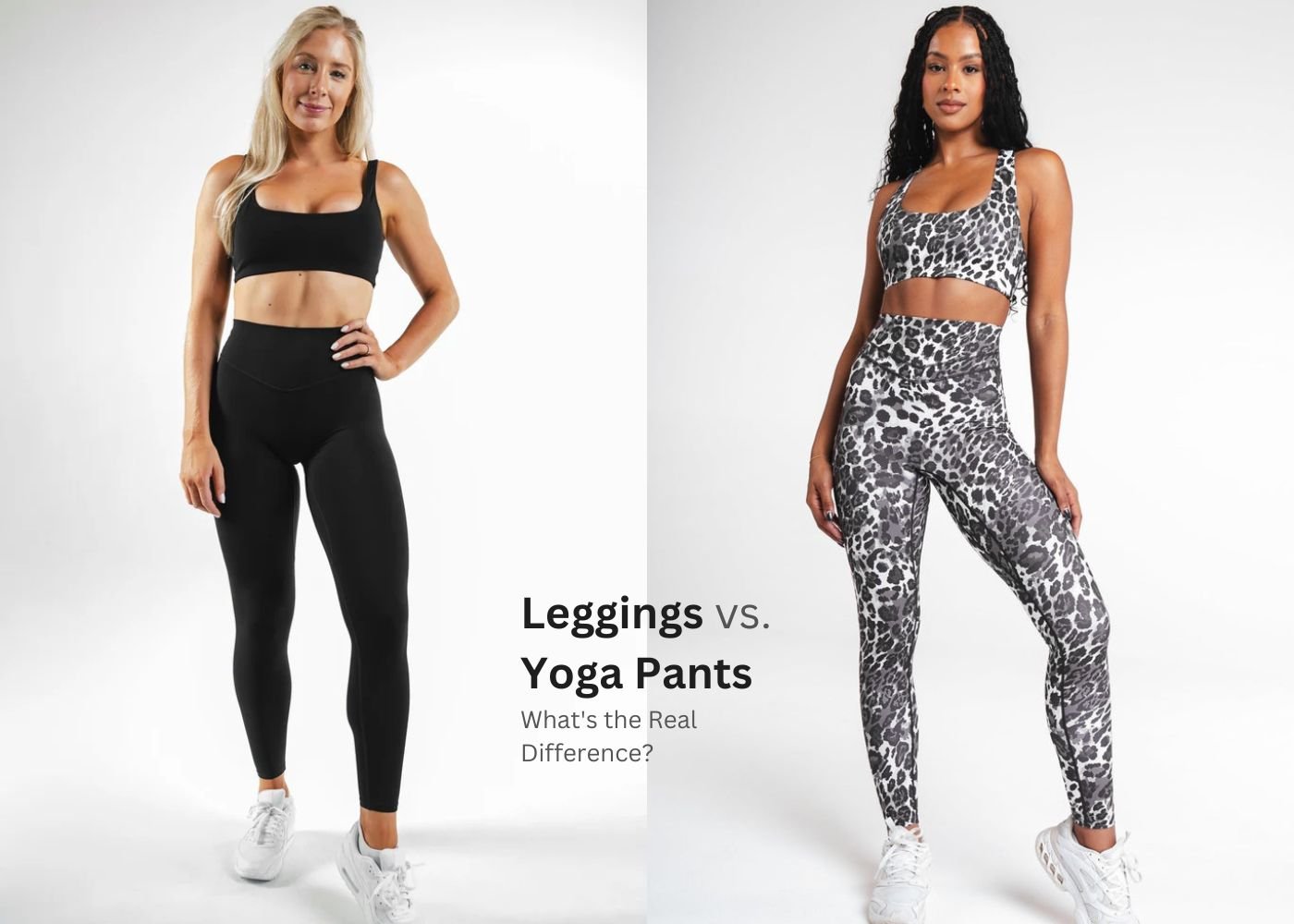
Yoga leggings are known for their minimalist look. Pastel colors, subtle patterns, and plain finishes are common. Gym leggings can be bold, with bright colors, geometric designs, and noticeable branding.
Sweat Management
Yoga leggings focus on breathability. Gym leggings emphasize moisture-wicking and sweat control.
Price Range
Gym leggings are often more expensive due to advanced materials and features. Yoga leggings are usually priced lower, but high-end brands can be costly.
Why Does The Difference Matter?
Choosing the right leggings isn’t just about looks. The differences affect:
- Performance: The wrong type can restrict movement or cause discomfort.
- Safety: Proper compression can reduce injury risk during intense workouts.
- Confidence: Feeling good in your leggings can boost motivation.
- Longevity: Durable gym leggings last longer under stress.
Wearing gym leggings for yoga may feel stiff and uncomfortable. Using yoga leggings for gym workouts can lead to faster wear and tear. It’s important to match the leggings to your activity.
Common Fabrics Used In Yoga And Gym Leggings
Understanding fabric types helps you make informed decisions. Here are the most common materials:
Yoga Leggings
- Polyester-Spandex Blend: Offers stretch and softness. Lightweight and breathable.
- Nylon-Spandex Blend: Durable and stretchy. Smooth feel, ideal for comfort.
- Cotton-Spandex: Natural feel, but less moisture-wicking. Better for gentle yoga.
- Bamboo Fiber: Eco-friendly, soft, and breathable. Used by some premium brands.
Gym Leggings
- Polyester-Elastane: High compression and moisture-wicking. Tough and durable.
- Nylon-Elastane: Strong, abrasion-resistant. Retains shape after many washes.
- Power Mesh: Used for ventilation panels. Adds strength and breathability.
- Supplex: Advanced nylon, soft yet durable. Used in high-performance gym leggings.
How To Choose The Right Leggings For Your Activity
Picking leggings depends on your workout style and personal needs. Here are practical steps to help:
1. Identify Your Main Activity
- For yoga, prioritize flexibility and comfort.
- For gym workouts, look for compression, support, and durability.
2. Check Fabric And Construction
- Read the label. Look for blends with high spandex or elastane for yoga.
- For gym, seek fabrics with moisture-wicking and reinforced stitching.
3. Try Them On
- Move around: Squat, stretch, jump. Check for restriction or discomfort.
- Ensure the waistband stays in place.
4. Consider Practical Features
- For yoga, avoid bulky pockets or zippers.
- For gym, pockets and ventilation panels can be useful.
5. Think About Style
- Choose colors and patterns that match your taste.
- Consider if you want leggings that double for casual wear.
6. Budget
- Higher prices may mean better quality and durability, especially for gym leggings.
- Don’t overspend if you’re new to working out.
Credit: row.gymshark.com
Real-life Examples: Yoga Vs Gym Leggings In Action
Let’s see how the differences matter in real life:
- Yoga Class: Wearing gym leggings with high compression can feel restrictive in poses like child’s pose or downward dog. Yoga leggings, with soft fabric and flat seams, allow smooth movement and relaxation.
- HIIT Workout: Yoga leggings may slide down or stretch out during jumping and fast moves. Gym leggings with a reinforced waistband stay put, and compression helps with muscle recovery.
A beginner might miss the importance of waistband fit. Loose waistbands can distract during yoga, while overly tight bands can feel uncomfortable in gym workouts. It’s best to test the waistband by bending and twisting before buying.
Comparing Popular Brands
Many brands offer both yoga and gym leggings. Here’s how some top names stack up:
| Brand | Yoga Leggings | Gym Leggings |
|---|---|---|
| Lululemon | Soft, flexible, high-rise | High compression, sweat-wicking |
| Adidas | Lightweight, minimalist | Durable, functional pockets |
| Under Armour | Stretchy, breathable | Reinforced, strong seams |
| Athleta | Bamboo blends, eco-friendly | Mesh panels, high support |
Credit: shopvitality.com
Durability And Longevity
Gym leggings are built to last. Their strong materials and reinforced stitching handle heavy use. Yoga leggings, while comfortable, can wear out faster if used for intense workouts.
A common mistake is using yoga leggings for running or weightlifting. The thin fabric can tear or stretch out. Gym leggings, with their abrasion resistance, survive repeated squats and lunges.
If you workout daily, investing in gym leggings pays off. For occasional yoga or gentle exercise, yoga leggings provide comfort without overkill.
Sweat Management And Odor Control
Sweat is a big concern for gym workouts. Gym leggings use moisture-wicking fabrics that pull sweat away from the skin. This prevents chafing and keeps you dry.
Yoga leggings, while breathable, may not manage sweat as well. If you do hot yoga or sweat a lot, choose yoga leggings with moisture-wicking properties.
Odor control is another factor. Gym leggings sometimes include antimicrobial treatments. This reduces smell after intense workouts. Yoga leggings rely on regular washing to stay fresh.
Style And Versatility
Yoga leggings are popular for casual wear. Their soft feel and simple design make them good for relaxing at home or running errands. Gym leggings, with their bold colors and logos, are more sporty.
Some people use yoga leggings for travel or everyday wear. They pair well with long shirts or tunics. Gym leggings are often reserved for the gym or active settings.
If you want leggings for multiple uses, look for yoga leggings with a medium-rise waistband and neutral colors.
Price And Value
Price varies widely. Gym leggings cost more due to advanced features like compression and sweat management. Yoga leggings are often more affordable, but high-end brands can be pricey.
Look for value, not just price. Cheap leggings may fade, lose shape, or tear. Investing in quality means better comfort and longer use.
Here’s a quick comparison of average prices:
| Type | Entry-Level Price | Premium Price |
|---|---|---|
| Yoga Leggings | $20-$35 | $65-$110 |
| Gym Leggings | $35-$50 | $90-$140 |
Sustainability And Eco-friendly Choices
Eco-friendly options are growing. Some yoga leggings use bamboo fiber or recycled materials. These are soft, breathable, and better for the planet.
Gym leggings also offer sustainable choices, but the focus is more on durability. If you care about sustainability, check for certifications like OEKO-TEX or GOTS.
A non-obvious tip: Eco-friendly leggings can sometimes feel warmer or heavier, so test them for comfort.
Common Mistakes When Choosing Leggings
Beginners often make these mistakes:
- Ignoring fabric quality: Cheap fabrics can cause discomfort and wear out fast.
- Choosing the wrong compression level: Too much compression for yoga, too little for gym.
- Overlooking waistband fit: Waistbands that roll or slip can ruin your workout.
- Not checking sweat management: Some leggings hold moisture, leading to chafing.
- Focusing only on looks: Style matters, but performance and comfort are more important.
:max_bytes(150000):strip_icc()/yogapants-011a9d9dd2ed47eaaa57bb4f51626415.jpg)
Credit: www.byrdie.com
Tips For Buying Leggings Online
Buying leggings online is convenient, but tricky. Here’s how to get the best fit:
- Read reviews: Look for feedback on fit, durability, and comfort.
- Check size charts: Brands vary in sizing. Measure yourself before ordering.
- Look for return policies: Make sure you can exchange if the fit is wrong.
- Ask questions: Contact customer support for details on fabric and features.
A non-obvious insight: Leggings can stretch out with use, so pick a snug fit that feels comfortable but not tight.
Caring For Your Leggings
Proper care extends the life of your leggings. Follow these steps:
- Wash in cold water: Hot water can damage elastic fibers.
- Use mild detergent: Avoid bleach and fabric softener.
- Air dry: Heat from dryers can shrink or weaken fabric.
- Store flat: Hanging can stretch out the waistband.
If you use leggings daily, rotate pairs to prevent wear. Check for loose seams or thinning fabric, and replace as needed.
Are Yoga Leggings Ever Suitable For Gym Workouts?
Yoga leggings can work for light gym activities, like walking or stretching. But for high-impact workouts, gym leggings are better. The extra support and durability make a big difference.
Some brands offer “hybrid” leggings for both yoga and gym. These combine flexibility with moderate compression. They’re a good choice if you switch between activities.
The Science Behind Compression
Compression is more than just tightness. It helps:
- Improve blood flow
- Reduce muscle vibration
- Speed up recovery
Studies show that compression wear can lead to better performance in running and weightlifting. But too much compression can restrict movement in yoga. Balance is key.
For more scientific details, visit Wikipedia.
Fashion Trends: Yoga Vs Gym Leggings
Trends change, but some styles stay popular. Yoga leggings often feature:
- Earth tones
- Pastel colors
- Subtle prints
Gym leggings are known for:
- Bold colors
- High-tech patterns
- Visible branding
A recent trend is high-waist leggings for both yoga and gym. This style offers support and a flattering look. Some brands also offer scrunch-bum designs for gym leggings, enhancing the shape.
Leggings For Plus-size And Petite Bodies
Body type matters. Many brands now offer leggings for plus-size and petite people. Look for:
- Adjustable waistbands
- Extra stretch
- Shorter or longer inseams
Yoga leggings are often more forgiving in fit. Gym leggings may require careful sizing for proper compression. Always check the brand’s size guide.
Leggings For Men: Yoga Vs Gym
Men’s leggings, or “tights,” are growing in popularity. The differences are similar:
- Yoga tights: Soft, flexible, minimal compression.
- Gym tights: High compression, reinforced construction.
Men’s gym leggings often have extra panels for durability. Yoga tights are made for flexibility and comfort.
The Impact On Your Workout Experience
The right leggings can make your workout more enjoyable. You’ll feel confident, comfortable, and ready to move. The wrong pair can distract, irritate, or even cause injury.
A practical tip: Try both types before committing. Borrow from a friend or buy a basic pair to test. Your body will tell you which feels best.
The Bottom Line: Which Leggings Are Best For You?
There’s no universal answer. It depends on your activity, body type, and preferences.
- For yoga: Choose soft, flexible leggings with a high-rise waistband.
- For gym: Pick durable, compression leggings with sweat management.
- For mixed activities: Try hybrid leggings or own one of each type.
Remember, quality matters more than brand. Test, compare, and choose what feels right.
Frequently Asked Questions
Are Yoga Leggings And Gym Leggings Interchangeable?
Yoga leggings and gym leggings are not fully interchangeable. Yoga leggings are best for stretching and gentle movements. Gym leggings offer support and durability for high-impact activities. Using the wrong type can lead to discomfort or faster wear.
What Makes Gym Leggings More Durable?
Gym leggings use thicker fabrics, reinforced seams, and often have abrasion-resistant panels. These features help them survive repeated movements, friction, and heavy use.
Can I Use Yoga Leggings For Running?
Yoga leggings can be used for short, easy runs. For regular or intense running, gym leggings are better. They offer compression, moisture-wicking, and stay in place during movement.
How Should Leggings Fit For Maximum Comfort?
Leggings should fit snugly but not tightly. The waistband should stay in place without rolling or pinching. Test by stretching, squatting, and bending before buying.
Are There Eco-friendly Options For Both Types?
Yes, many brands offer eco-friendly yoga and gym leggings. Look for recycled materials, bamboo fiber, or certifications like OEKO-TEX. Eco-friendly leggings may feel different, so try them for comfort before committing.
Choosing between yoga leggings and gym leggings is more than picking a style. It’s about matching your needs, body, and workout. With this guide, you’re ready to make a confident, informed choice. Your comfort, performance, and satisfaction depend on the right pair.
Happy exercising!
