

Can You Wear Gym Leggings for Swimming? Pros, Cons & Tips
Can You Wear Gym Leggings For Swimming
Most people own at least one pair of gym leggings. They're comfortable, stretchy, and easy to move in. But what if you forget your swimsuit or just prefer the feel of leggings? Is it okay to wear gym leggings for swimming?
The answer isn’t as simple as a yes or no. There are many details that matter—fabric, safety, comfort, and even pool rules. Let's explore if gym leggings are suitable for swimming, what you should watch out for, and smarter alternatives.
What Makes Gym Leggings Different From Swimwear?
Gym leggings and swimwear might look similar, but they are made for different activities. Gym leggings are designed for dry land workouts—running, yoga, weight training. Swimwear is made for water, whether in a pool, ocean, or lake.
Material Differences
Most gym leggings use materials like polyester, nylon, or a blend with spandex. These fabrics focus on breathability, stretch, and sweat-wicking. Swimwear, on the other hand, uses special blends that resist chlorine and saltwater, and dry quickly.
Here's a comparison for clarity:
| Feature | Gym Leggings | Swimwear |
|---|---|---|
| Primary Material | Polyester, Nylon, Spandex | Polyester/Spandex (chlorine-resistant blends) |
| Water Resistance | Low | High |
| Drying Speed | Slow | Fast |
| Chlorine Resistance | Minimal | High |
| Compression | Medium-High | Medium |
Gym leggings are optimized for flexibility and sweat, not for water exposure. Swimwear is built to last in water, especially in pools where chlorine can damage normal fabrics.
Stitching And Seams
Swimwear uses special flatlock seams to reduce irritation and drag in water. Most gym leggings have seams that may rub or chafe when wet, especially with movement.
Fit And Support
While both gym leggings and swimwear fit snugly, swimwear is designed to stay put in the water. Gym leggings can become heavy and saggy when soaked.
Why Do People Consider Swimming In Gym Leggings?
There are a few common reasons people want to swim in gym leggings:
- Modesty: Some prefer more coverage for cultural, religious, or personal reasons.
- Forgot Swimsuit: Gym leggings are often handy if you forget or lose your swimsuit.
- Comfort: Some find leggings more comfortable than tight swimsuits.
- Sun Protection: Leggings can protect skin from sunburn in outdoor pools or beaches.
- Multi-use Packing: When traveling, people pack less by using one item for multiple activities.
These reasons are understandable. But before you dive in, it's important to look at the possible risks and downsides.
Problems You Might Face When Swimming In Gym Leggings
Swimming in gym leggings might sound simple, but there are several potential issues you should know.
Water Absorption And Weight
Gym leggings absorb a lot of water. Once soaked, they become much heavier. This can make swimming harder, especially for beginners. The extra weight can drag you down and slow your movements.
Drag And Movement Limitation
Wet leggings create drag in the water. You’ll notice it’s harder to kick, tread water, or move quickly. This makes swimming less efficient and more tiring.
Drying Time
Unlike swimwear, gym leggings dry slowly. After leaving the water, you might feel cold and uncomfortable for a long time. Wet fabric rubbing your skin can also cause chafing.
Chlorine And Salt Damage
Chlorine in pools and salt in seawater both damage gym leggings. Over time, you may notice fading, stretching, or even holes. This is not just a cosmetic issue—damaged leggings can lose their stretch and support.
Hygiene Concerns
Regular gym leggings can trap sweat, oils, and bacteria. Wearing them in water can introduce these into the pool, which is not hygienic for you or other swimmers.
Pool Rules And Regulations
Most public pools have rules about what you can wear. Many don’t allow gym leggings for hygiene and safety reasons. If you’re caught wearing them, you might be asked to leave.
Safety Risks
Heavier wet leggings can pose a drowning risk. If you get tired or caught in a current, the extra weight can make it harder to stay afloat. This risk is higher for children and weak swimmers.
Can You Swim Safely In Gym Leggings?
It’s possible, but you need to be careful. Here are some tips if you must swim in gym leggings:
- Choose Thin, Quick-Drying Leggings: Some gym leggings are lighter and dry faster than others. Avoid thick, cotton blends.
- Check the Pool Rules: Always ask if leggings are allowed before entering.
- Stick to Shallow Water: If you’re not a strong swimmer, stay where you can stand.
- Rinse Leggings After Use: Wash them well to remove chlorine or salt.
- Watch for Chafing: Move around to check for irritation before swimming longer distances.
- Don’t Use Damaged Leggings: If your leggings are loose or see-through, skip swimming in them.
Remember, these are just short-term solutions. Gym leggings are not made for water, and regular use will ruin them quickly.
When Might Gym Leggings Be Acceptable For Swimming?
There are situations where gym leggings are the only or best choice:
- Emergency: Forgot your swimsuit and want to join friends for a quick swim.
- Modesty: You need more coverage and have no swim tights available.
- Outdoor Water Sports: In some cases, like paddleboarding or kayaking, people wear leggings for sun protection. (But there are better options.)
If you find yourself in these situations, be extra cautious. Watch for any signs of discomfort or difficulty swimming.
Comparing Gym Leggings, Swim Leggings, And Traditional Swimwear
Choosing the right gear can be confusing. Here’s a side-by-side look at gym leggings, swim leggings, and traditional swimwear.
| Type | Best For | Pros | Cons |
|---|---|---|---|
| Gym Leggings | Land workouts | Comfortable, flexible, multi-use | Absorb water, heavy, slow to dry, not chlorine-proof |
| Swim Leggings | Swimming, water sports | Chlorine-resistant, fast-drying, sun protection | Less breathable on land, usually more expensive |
| Traditional Swimwear | Swimming, water activities | Lightweight, quick-dry, designed for water | Less coverage, may feel tight |
Swim leggings look similar to gym leggings, but are made with water in mind. They keep their shape, dry quickly, and resist pool chemicals. If you prefer more coverage, swim leggings are the safest choice for regular swimming.
Alternatives To Gym Leggings For Swimming
If you want the benefits of leggings but need something water-friendly, consider these options:
Swim Leggings
These are made from chlorine-resistant fabrics. They fit like gym leggings but are designed for the pool or beach. Many brands offer UPF (ultraviolet protection factor) for sun safety. They’re ideal for modesty, sun protection, or comfort.
Rash Guards And Swim Tights
Rash guards are long-sleeve tops made for surfing and swimming. Swim tights are the bottom half. Both are quick-drying and protect against sun and irritation.
Board Shorts
If you prefer looser coverage, board shorts are a great option. They're made for water, dry quickly, and are often allowed in pools.
Wetsuits
For cold water, a wetsuit offers warmth, buoyancy, and protection. They are not for regular pool use, but great for open water.
How Pool Chemicals Affect Gym Leggings
Chlorine is used in pools to kill germs. But it’s harsh on regular fabrics. Here’s what happens to gym leggings:
- Fading: Colors lose their brightness quickly.
- Stretch Loss: The elastic fibers break down, causing sagging.
- Odor: Leggings can hold onto a chlorine smell, even after washing.
- Fabric Breakdown: Over time, the fabric weakens, leading to holes or see-through spots.
This damage can happen after just a few swims. Swimwear is specially treated to resist these effects.
Hygiene And Public Pool Policies
Most public pools have rules for safety and hygiene. These usually state:
- Only proper swimwear is allowed.
- No street clothes, underwear, or regular gym wear in the pool.
- Clothes must be clean and free from dirt or oils.
These rules help keep the water clean and safe. Gym leggings, which may carry sweat, lotions, or bacteria, can make the pool less sanitary. Some pools will allow swim leggings or full-coverage swimwear, but often only if it’s made for water.
If you’re unsure, call ahead or check the pool’s website.
Comfort And Performance In Water
Many swimmers find that gym leggings feel uncomfortable in water, even after a short time. Here’s why:
- Fabric sticks to the skin and feels heavy.
- Wet seams can rub and cause rashes.
- Leggings can slip down as you move.
- They may become see-through when wet, leading to embarrassment.
Swimwear, in contrast, is made to avoid these problems. The material stays put, dries fast, and keeps you covered.
Credit: leisureswimmer.com
Safety: What Beginners Often Miss
Many new swimmers overlook how water-logged clothing impacts performance. In emergencies, wet gym leggings can make it much harder to swim to safety or help someone else. Lifeguards sometimes train in clothes to prepare for rescue, but the average person isn’t ready for the extra weight.
A hidden risk: leggings that seem snug on land can stretch and loosen in water, creating drag around your ankles. This can trip you up or make it hard to climb out of the pool.
Non-obvious insight: Some gym leggings contain cotton, which traps even more water and can double the weight. Always check the fabric tag before using them in water.
Tips For Caring For Leggings After Swimming
If you did swim in gym leggings, take steps to keep them in the best shape possible:
- Rinse Immediately: Use cool water to remove chlorine or salt.
- Wash Gently: Use a mild detergent and avoid bleach.
- Air Dry: Never put leggings in the dryer; heat speeds up fabric breakdown.
- Don’t Reuse Wet: Let them dry fully to avoid mildew and odor.
Remember, even with care, gym leggings will wear out fast if used in water often.
Environmental Impact
Wearing gym leggings in the pool can have an impact beyond your wardrobe. When leggings break down, tiny microfibers shed into the water. These can end up in local waterways, harming wildlife and polluting the environment.
Swimwear made for water tends to shed fewer fibers and lasts longer, reducing waste.
Cultural And Modesty Considerations
In some cultures, modesty is important for swimming. Leggings provide coverage, but there are now many modest swimwear options. These include full-length swim tights, burkinis, and swim dresses. They are accepted in many pools and offer the comfort and coverage people want.
Modesty should never mean sacrificing safety or comfort. Always choose gear that is safe, allowed by pool rules, and comfortable for you.
Real-life Experiences: What People Say
People who have tried swimming in gym leggings often share similar feedback:
- “They felt fine at first, but quickly got heavy.”
- “After a few swims, the fabric started to stretch and fade.”
- “I was cold for a long time after getting out.”
- “My local pool didn’t allow them.”
A few people say they enjoyed the extra coverage, but most switched to swim leggings or other options after one or two tries.
How To Choose Swim Leggings
If you like the idea of leggings in the pool, here’s what to look for in swim leggings:
- Chlorine-Resistant Fabric: Look for polyester blends made for swimwear.
- UPF Rating: Choose leggings with UV protection for outdoor swimming.
- Flatlock Seams: Less chafing and irritation.
- Snug but Comfortable Fit: Should not sag when wet.
- Quick-Dry: The fabric should dry quickly to avoid chills.
- Trusted Brands: Buy from swimwear companies, not just athletic brands.
Try them on and move around to make sure they feel good wet and dry.
When Is It Absolutely Not Okay To Swim In Gym Leggings?
Some situations make gym leggings a bad choice for swimming:
- Open Water: Lakes, rivers, and oceans can have strong currents. Wet leggings make it much harder to swim to safety.
- Swim Tests or Lessons: Most instructors will not allow gym leggings for safety and hygiene.
- Public Pools with Strict Rules: Always respect the posted dress code.
- If Leggings Are Damaged: Holes, loose fabric, or see-through spots are risky.
What About Kids And Gym Leggings In Water?
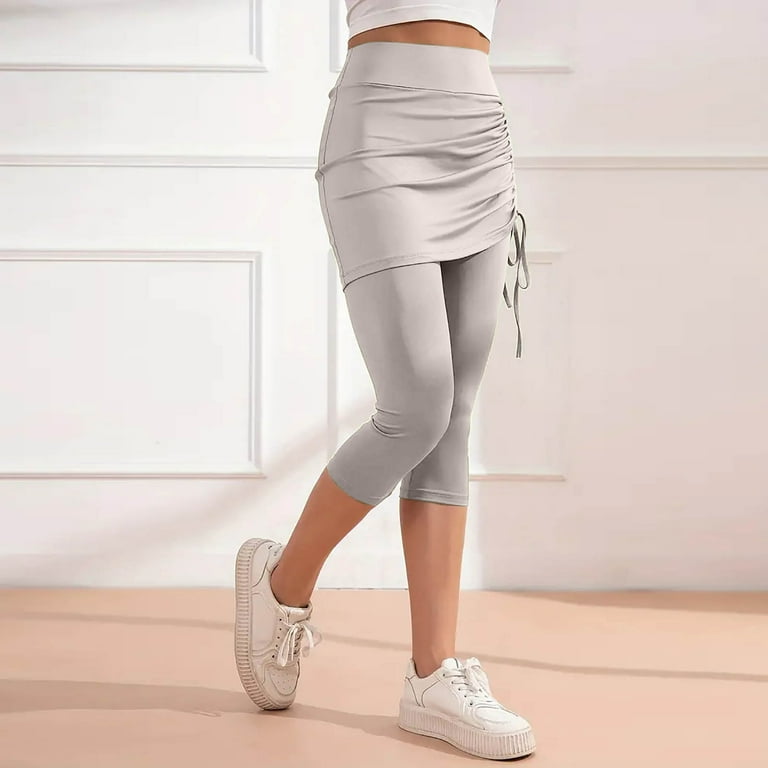
Children are at higher risk. They get tired faster, and wet leggings can pull them down. Always use proper swimwear for kids. If modesty is a concern, buy swim leggings or a swim shirt.
Credit: www.walmart.com
Water Sports And Leggings: Special Cases
Some water sports allow or even recommend leggings, but these are usually water-specific leggings:
- Paddleboarding: Swim leggings offer sun protection and comfort.
- Surfing: Rash guards and swim tights prevent irritation.
- Snorkeling: Leggings protect from jellyfish or coral but should be swim-specific.
Never use regular gym leggings for sports where you’ll be in water a long time.
Gym Leggings For Swimming: Summary Table
Here’s a quick recap of the main points:
| Question | Gym Leggings | Swim Leggings | Swimwear |
|---|---|---|---|
| Allowed in most pools? | No | Usually yes | Yes |
| Safe for swimming? | Not recommended | Yes | Yes |
| Quick drying? | No | Yes | Yes |
| Chlorine resistant? | No | Yes | Yes |
| Lasts long in water? | No | Yes | Yes |
| Comfortable when wet? | Usually not | Yes | Yes |
Credit: www.businessinsider.com
The Bottom Line
You can swim in gym leggings in some situations, but it’s rarely the best idea. If you must, do it only for a short time and in shallow, safe water. For regular swimming, modesty, or sun protection, invest in swim leggings or other water-specific clothing. They will keep you comfortable, safe, and welcome at most pools.
If you’re unsure, always ask the pool staff or check official guidelines. Wearing the right gear keeps you safe and makes swimming more enjoyable.
For more about swimwear standards and safety, see the Swimsuit Wikipedia page.
Frequently Asked Questions
Can I Wear Gym Leggings At A Public Pool?
Most public pools do not allow gym leggings because of hygiene and safety rules. Always check with the pool before wearing them.
Are There Leggings Made For Swimming?
Yes, swim leggings are made for water use. They are chlorine-resistant, quick-drying, and accepted at most pools.
Will Gym Leggings Get Damaged If I Swim In Them?
Yes. Chlorine and salt can damage gym leggings quickly, causing fading, stretching, and holes.
Is It Safe To Swim In Gym Leggings In The Ocean?
It’s not recommended. Wet leggings can become heavy and make swimming harder, which is dangerous in open water.
What Should I Wear If I Want More Coverage In The Pool?
Look for swim leggings, rash guards, or modest swimwear made for the water. These offer coverage, comfort, and are pool-friendly.
