

Can Gym Clothes Go in Dryer? Essential Care Tips Revealed
Can Gym Clothes Go In Dryer
Every fitness lover knows the importance of clean, fresh gym clothes. After all, nobody enjoys working out in sweaty, smelly, or stretched-out gear. But after you finish that last set or cardio session, a common question appears: Can gym clothes go in dryer? Many people toss their workout wear in the dryer without thinking, while others fear the heat will destroy their favorite pieces. The truth is a little more complex.
Gym clothes are not like regular cotton T-shirts or jeans. They are made from special fabrics designed to handle sweat, stretch, and movement. Understanding whether you should put your gym clothes in the dryer depends on a few factors, including the type of fabric, care labels, and how you want your clothes to last. This article will break down everything you need to know, so you can keep your gym gear looking and performing its best. From fabric science to real-life drying tips, you’ll learn what’s safe, what’s risky, and how to avoid common mistakes.
Why Fabric Type Matters For Gym Clothes
One key reason the dryer is a tricky place for gym clothes is fabric technology. Most modern workout gear is made from synthetic materials like polyester, nylon, spandex (also known as Lycra or elastane), or blends of these. These fabrics are engineered to wick away moisture, dry quickly, and stretch with your body.
Common Gym Clothing Fabrics
- Polyester: Strong, quick-drying, and resists wrinkles. Most performance shirts and shorts use polyester.
- Nylon: Smooth, durable, and abrasion-resistant. Often found in leggings and compression gear.
- Spandex/Elastane: Super stretchy, helps clothes keep their shape. Usually blended with other fabrics.
- Cotton blends: Some gym clothes mix cotton with synthetics for comfort and moisture control.
How Heat Affects These Materials
High heat can cause synthetic fibers to lose their shape, shrink, or lose elasticity. For example, spandex can break down over time, leading to saggy waistbands or less stretch. Polyester and nylon can sometimes melt or become misshapen if the dryer is too hot.
Cotton blends handle heat better but can still shrink or fade, especially if the cotton content is high. That’s why you’ll often see care labels warning against high-heat drying.
Non-obvious insight: Even “quick-dry” or “moisture-wicking” clothes can be damaged by repeated high heat, which can reduce their sweat-wicking ability. The special coatings or fibers used to pull sweat away from your skin break down faster in the dryer.
What The Care Label Really Means
The small tag inside your gym clothes is your best guide. But the symbols and tiny text can be confusing. Here’s how to decode the most important care label instructions:
- Tumble Dry Low: You can use a dryer, but only on the lowest heat setting.
- Do Not Tumble Dry: Air drying is recommended. Heat may damage the item.
- Line Dry/Hang Dry: Best to hang the garment to dry naturally.
- Dry Flat: Lay the item flat on a towel to keep its shape.
Many people ignore care labels, but following them can make your gym clothes last much longer. If you see a “do not tumble dry” symbol, it’s best to avoid the dryer completely.
Practical tip: If you cut out itchy tags, keep a photo of the label or write down the instructions for future reference.
What Happens If You Put Gym Clothes In The Dryer?
Tossing your workout gear in the dryer can be tempting, especially if you want it ready for your next session. But what actually happens inside the machine?
Shrinking And Warping
Synthetic fabrics don’t usually shrink like pure cotton, but they can become warped or lose their original fit. Spandex, in particular, reacts badly to heat, causing leggings or sports bras to stretch out or lose their “snap back” quality.
Damaged Fibers
Repeated high-heat cycles break down the tiny fibers that make gym clothes stretchy and comfortable. Over time, this leads to:
- Loose waistbands
- Baggy knees or elbows
- Pilling (small fabric balls)
- Thinning or see-through spots
Fading And Peeling
Bright colors or bold prints can fade quickly in the dryer. If your gym clothes have logos, screen printing, or reflective stripes, these details can crack, peel, or melt under high heat.
Odor Buildup
Surprisingly, the dryer can sometimes make gym clothes smell worse. Heat can “bake in” body oils or bacteria if clothes aren’t washed well. Plus, if synthetic fabrics lose their moisture-wicking finish, they may hold onto sweat odors more.
Air Drying Vs. Machine Drying: A Side-by-side Comparison
To help you decide, here’s a quick look at the pros and cons of each drying method.
| Drying Method | Pros | Cons |
|---|---|---|
| Air Drying | Preserves shape, prevents shrinkage, saves energy, gentle on fabrics | Takes longer, needs space, clothes may feel stiff |
| Machine Drying | Quick, convenient, softens some fabrics | Can damage elastics, cause fading, use more energy |
Non-obvious insight: Air drying in a well-ventilated space can also help prevent bacteria buildup and keep gym clothes smelling fresher. Hanging clothes outside (if possible) lets UV rays kill some bacteria naturally.
When Is It Safe To Put Gym Clothes In The Dryer?
Some gym clothes can handle the dryer, if you do it right. Check for these signs:
- The care label says “tumble dry low”
- The item is a cotton blend with little stretch
- You use a low-heat or “delicate” setting
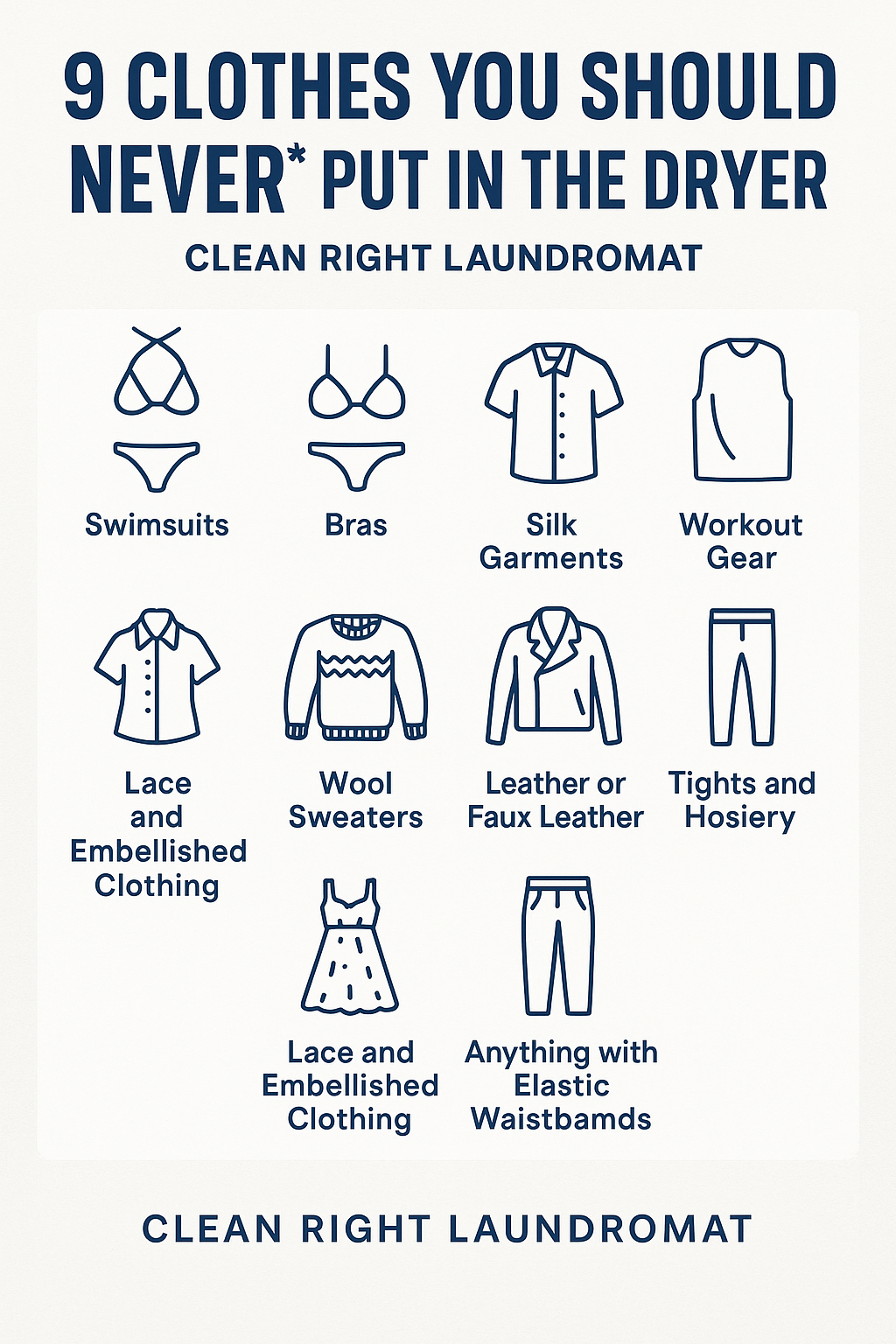
Important: Never put sports bras, compression gear, or anything with a lot of spandex/elastane in the dryer. These items lose support and shape quickly with heat.
Best Practices For Safe Drying
If you must use a dryer:
- Turn clothes inside out: This protects colors and logos.
- Use a mesh laundry bag: Helps prevent tangling and stretching.
- Dry with similar fabrics: Avoid mixing gym clothes with towels or heavy items.
- Remove while still slightly damp: Finish drying flat or hanging. This reduces heat exposure.
- Use dryer balls instead of sheets: Dryer sheets can coat technical fabrics, making them less breathable.
Special Cases: Gym Clothes With Unique Features
Not all gym clothes are created equal. Some have special features that need extra care.
Reflective Elements And Logos
Reflective stripes, rubberized logos, or metallic prints can melt or peel in the dryer. These details are often glued or heat-bonded, not sewn, making them vulnerable to heat.
Advice: Always air dry items with reflective or printed areas to keep them looking good and working properly.
Compression Gear
Compression tights, sleeves, or tops contain a high amount of spandex. Heat breaks down the fibers, causing them to lose compression and support.
Tip: Air dry all compression gear flat to preserve elasticity.
Sports Bras
Sports bras combine elastic bands, spandex, padding, and sometimes underwires. The dryer can warp the shape, weaken the elastic, or damage pads.
Best method: Hand wash and air dry, or at least avoid the dryer for sports bras.
Shoes And Accessories
Never put gym shoes, caps, or gloves in the dryer. The heat can shrink, warp, or crack rubber, foam, and adhesives.
Drying Gym Clothes In Different Climates
Where you live can affect how you dry your gym clothes.
- Humid climates: Air drying takes longer. Use a fan or dehumidifier to speed up drying and avoid musty smells.
- Dry climates: Clothes dry quickly, but avoid direct sun for long periods (it can fade colors).
- Small apartments: Use a collapsible rack or hangers over the shower rod. Ensure airflow to prevent mildew.
Pro tip: Hang clothes with space between each item for faster, more even drying.
How To Dry Gym Clothes Quickly Without A Dryer
Sometimes you need your gym gear dry in a hurry, but don’t want to risk the dryer. Try these methods:
- Roll in a towel: Lay your damp clothes on a clean towel, roll it up, and press firmly. The towel absorbs extra moisture.
- Use a fan or hairdryer (cool setting): Airflow speeds up drying without heat damage.
- Hang near a heater (not on it): Place clothes near, but not on, a radiator or vent.
- Spin cycle only: After washing, run an extra spin to remove more water before air drying.
These tricks can cut drying time in half while protecting your gear.
Credit: www.nike.com
Mistakes To Avoid When Drying Gym Clothes
Even experienced gym-goers make mistakes with their laundry. Here are some common errors and how to avoid them:
Overloading The Dryer
Stuffing too many clothes in the dryer means uneven drying and more wrinkles. It also increases friction, causing pilling and wear.
Skipping The Lint Trap
A clogged lint trap reduces dryer efficiency and increases heat. Always clean it before drying gym clothes.
Using High Heat
High heat can ruin elastic fibers quickly. Stick to the lowest setting if you must use the dryer.
Ignoring Odors
Don’t use the dryer to “freshen up” smelly gym clothes. Wash them properly first. Heat can lock in odors, not remove them.
Using Fabric Softeners
Softeners coat technical fabrics, making them less breathable and less effective at wicking sweat. Avoid both liquid softeners and dryer sheets for gym gear.
How Long Do Gym Clothes Last With And Without The Dryer?
The lifespan of your workout clothes depends a lot on how you dry them.
| Drying Method | Average Lifespan | Main Issues |
|---|---|---|
| Air Drying | 1-2 years of regular use | Slow drying, possible stiffness |
| Machine Drying (Low Heat) | 6-12 months before noticeable wear | Loss of elasticity, fading |
| Machine Drying (High Heat) | 3-6 months before major damage | Shrinking, sagging, pilling |
Example: If you have a favorite pair of leggings, air drying can double their life compared to regular dryer use.
:max_bytes(150000):strip_icc()/GettyImages-1969133432-a153359083064d42a9b3aa4b48c817de.jpg)
Credit: www.southernliving.com
Eco-friendly Drying: Saving Energy And The Planet
Air drying not only protects your clothes, it’s also better for the environment. Dryers use a lot of electricity, and every load adds to your energy bill.
Statistic: Air drying can save up to 15% of household energy use compared to using a dryer for every load.
Some gyms and eco-friendly brands even recommend air drying as the default care method. If you want to reduce your carbon footprint, skip the dryer whenever possible.
How To Keep Gym Clothes Soft Without A Dryer
Some people worry that air-dried clothes feel stiff or scratchy. Here’s how to keep them soft:
- Shake clothes out before hanging to prevent stiffness.
- Use a small amount of white vinegar in the rinse cycle (it softens without coating fibers).
- Dry in a breezy spot for extra softness.
- For cotton blends, tumble on low for 5 minutes, then hang to finish drying.
Credit: www.cleanrightlaundromat.com
How Often Should You Wash And Dry Gym Clothes?
Sweaty gym clothes should be washed after every wear to prevent bacteria and odor buildup. But how you dry them is just as important.
- Tops, leggings, sports bras: Wash and air dry after every use.
- Jackets or outer layers: Wash every 3-4 wears, air dry to preserve water-resistant coatings.
- Socks and underwear: Wash and dry (air or low heat) after each use.
Note: Letting gym clothes air out before washing also helps prevent mildew and musty smells.
Gym Clothes Dryer Myths Debunked
There’s a lot of confusing advice out there. Let’s clear up some common myths.
Myth 1: “all Synthetic Fabrics Can Handle Heat.”
False. While some polyesters can take low heat, most synthetic blends with spandex or elastane break down in the dryer.
Myth 2: “dryer Sheets Make Gym Clothes Smell Better.”
False. Dryer sheets coat technical fibers, making them less breathable and less able to wick sweat.
Myth 3: “the Dryer Kills All Bacteria And Odor.”
Partly true. High heat kills some bacteria, but can also “bake in” odors if clothes aren’t clean. Proper washing is more important.
Myth 4: “air Drying Takes Too Long.”
Not always. With good airflow, gym clothes often dry overnight. Using a fan or hanging in a breezy spot speeds up drying.
How To Read Dryer Settings For Gym Clothes
Dryers have many settings, but not all are safe for athletic wear.
- Delicate or low heat: Safest for most gym clothes.
- Permanent press: Medium heat, riskier for spandex blends.
- High heat or “cotton”: Only for 100% cotton items (not recommended for gym gear).
- Air fluff/no heat: Good for freshening up, but doesn’t dry wet clothes.
Pro tip: When in doubt, air dry first. You can always use the dryer for a few minutes at the end if needed.
Washing Tips To Improve Drying Results
Drying success starts with good washing habits:
- Use cold water to prevent color fading and fabric damage.
- Avoid too much detergent, which can build up and make clothes smell.
- Wash similar fabrics together to reduce friction and pilling.
- Don’t overload the washer—clothes should move freely for the best clean.
Gym Clothes Drying: The Bottom Line
So, can gym clothes go in dryer? Sometimes, but with caution. Most athletic wear lasts longer, smells fresher, and performs better when air dried. If you use a dryer, stick to low heat, short cycles, and avoid drying anything with a lot of spandex or delicate prints.
Remember, investing a little extra time in proper drying means your favorite gym outfits will last through many more workouts. And you’ll save money, energy, and frustration in the long run.
Want more about caring for technical fabrics? Check out this Consumer Reports guide for science-backed laundry tips.
Frequently Asked Questions
What Happens If I Accidentally Put My Gym Clothes In The Dryer?
If it’s only happened once, most gym clothes will survive a single low-heat cycle. You may see some loss of elasticity or slight fading, especially in spandex-rich items. Check the fit and feel—if the item seems stretched out or rough, air dry it from now on.
Why Do My Gym Clothes Smell Bad After Drying?
This usually means sweat, bacteria, or detergent residue wasn’t fully washed out. The dryer can “bake in” odors. Use less detergent, wash in cold water, and always air dry if smells persist.
Can I Use Dryer Sheets With Gym Clothes?
It’s best to avoid dryer sheets with technical fabrics. They coat fibers and reduce moisture-wicking ability. If you want softer clothes, use wool dryer balls or a splash of white vinegar in the wash instead.
How Can I Dry Gym Clothes Quickly In Winter Or Humid Weather?
Use a fan, a dehumidifier, or hang clothes near (but not on) a heater. Rolling clothes in a towel before hanging also speeds up drying. Avoid closed spaces—ventilation is key.
Is Air Drying Always Better For Gym Clothes?
For most athletic fabrics, yes. Air drying preserves shape, stretch, and sweat-wicking properties. If you must use a dryer, choose low heat and remove clothes while still slightly damp to finish air drying.
With the right drying habits, your gym clothes will stay comfortable, look great, and support your workouts for much longer.
