

Business Casual vs Business Professional: Key Differences Explained
Business Casual Vs Business Professional
What you wear to work can shape how people see you, how confident you feel, and even your chances for career growth. The terms business casual and business professional often cause confusion for workers worldwide, especially as more companies update their dress codes. Understanding the true difference between these two styles is important—not just for looking the part, but for fitting in, making a good impression, and feeling comfortable in your work environment. Let’s break down what each dress code means, when to wear it, and how to avoid common mistakes.
What Does Business Casual Mean?
Business casual is a style that mixes professional looks with a relaxed touch. It’s less formal than business professional but still more polished than everyday wear. The goal is to look neat and approachable, without wearing a full suit and tie.
Key Elements Of Business Casual
- Shirts and Tops: Collared shirts, polo shirts, blouses, or neat sweaters are common. Patterns are okay if they are simple.
- Pants and Skirts: Slacks, chinos, or knee-length skirts in muted colors are standard.
- Shoes: Loafers, flats, or low heels work well. Avoid sneakers or sandals.
- Jackets (Optional): Blazers can be added for a sharper look but are not required.
- Accessories: Minimal jewelry and simple belts.
A good rule: If you could wear it to a casual party, it’s probably too informal. If you could wear it to a wedding, it’s likely too formal.
Typical Business Casual Settings
You’ll often see business casual in tech companies, creative agencies, and during “casual Fridays” in corporate offices. Some banks or law firms may allow business casual on certain days, but it’s not the main style for client meetings.
Practical Example
Imagine you’re heading to a marketing meeting at a mid-sized firm. You might pick dark slacks, a pale blue button-down shirt, and dark brown loafers. No tie, but your shirt is tucked in and your shoes are polished. This strikes the right balance between comfort and professionalism.
What Is Business Professional?
Business professional is the most classic office dress code. It’s all about looking sharp, reliable, and serious. This style is required in many law firms, financial institutions, government settings, and for important client presentations.
Key Elements Of Business Professional
- Suits: Matching suit jackets and trousers or skirts in black, navy, or gray.
- Shirts: Crisp, collared shirts (white or light blue are safest).
- Ties (for men): Required, usually in solid colors or subtle patterns.
- Shoes: Polished leather shoes—oxfords for men, closed-toe heels or flats for women.
- Accessories: Simple watches, belts, and minimal jewelry.
- Hosiery (for women): Often expected, especially in conservative offices.
Business professional signals that you take your job seriously and respect the formal traditions of your industry.
Typical Business Professional Settings
You’ll find this dress code at investment banks, law offices, consulting firms, and corporate boardrooms. It’s also common for interviews, important meetings, or when representing your company in public.
Practical Example
Picture a financial analyst attending a client presentation. She wears a navy suit, a white blouse, black closed-toe pumps, and carries a leather portfolio. Her hair is neat, jewelry is subtle, and she looks ready to represent her firm at the highest level.
Comparing Business Casual And Business Professional
The difference between these two dress codes is clear when you see them side by side. Here’s a direct comparison to help you spot the main contrasts:
| Feature | Business Casual | Business Professional |
|---|---|---|
| Overall Look | Relaxed, neat, approachable | Formal, sharp, traditional |
| Suits | Optional (blazer only) | Required (matching set) |
| Shirts | Button-downs, polos, sweaters | Collared dress shirts only |
| Ties | Not required | Usually required for men |
| Shoes | Loafers, flats, low heels | Polished leather shoes |
| Colors | More variety, muted tones | Mostly dark or neutral |
Why Dress Codes Matter In Business
Your clothing sends signals before you say a word. In the workplace, these signals can affect:
- First impressions: People often judge your competence and reliability based on what you wear.
- Confidence: Dressing for the role can boost your self-esteem and help you perform better.
- Company culture: Matching the dress code shows respect for your workplace’s values.
- Opportunities: Proper attire can influence promotions, networking, and client trust.
Ignoring the dress code—even by accident—can make you seem unprepared or out of touch. For example, wearing sneakers to a boardroom might make colleagues question your seriousness.
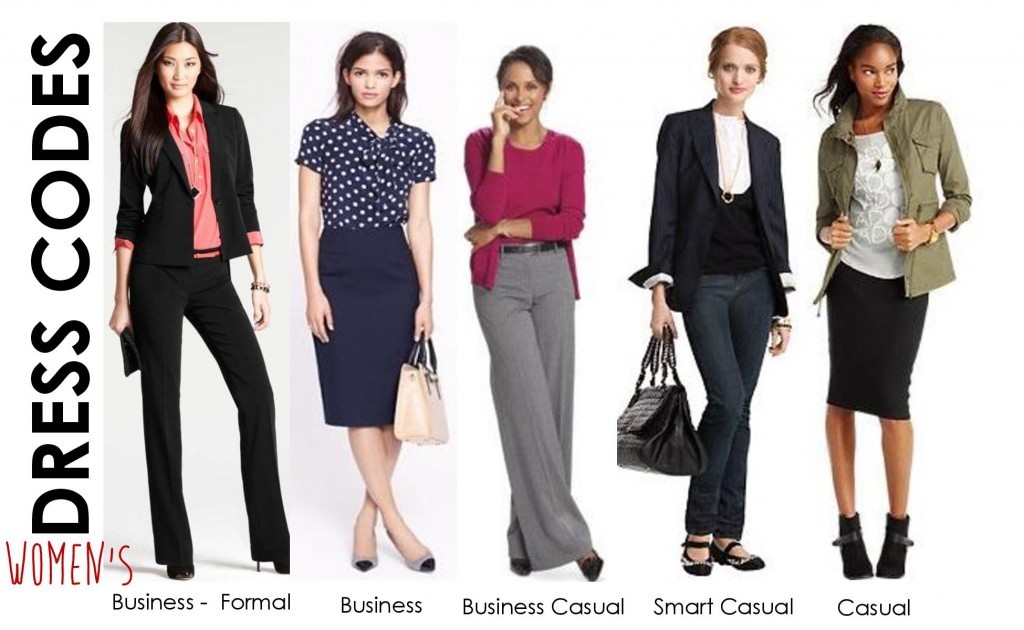
Credit: gardner-webb.edu
When To Choose Business Casual Vs Business Professional
Knowing which style fits the occasion is essential. Here’s how to decide:
When To Wear Business Casual
- Regular office days at companies with relaxed cultures
- “Casual Fridays” in corporate environments
- Team meetings with coworkers
- After-work networking events
When To Wear Business Professional
- Job interviews (especially in finance, law, or government)
- Client presentations or high-level meetings
- Company events with executives present
- First day at a new, formal workplace
Tip: When in doubt, dress up. It’s easier to remove a tie or blazer than to add one you didn’t bring.
Details That Make The Difference
Small details often separate business casual from business professional. Here are two insights many people overlook:
- Fabrics and fit matter as much as style. A wrinkled shirt or baggy pants can ruin any look, no matter the dress code. Always choose clothes that fit well and are in good condition.
- Grooming and hygiene complete your outfit. Clean nails, fresh breath, neat hair, and minimal cologne or perfume are just as important as your clothing.
What To Avoid: Common Mistakes
People often make errors when trying to follow a dress code. Here’s what to watch out for:
Business Casual Mistakes
- Wearing jeans with holes or athletic shoes
- Choosing loud patterns or bright colors
- Untucked shirts or wrinkled clothing
- Overdoing accessories
Business Professional Mistakes
- Wearing mismatched suit pieces
- Choosing flashy ties or jewelry
- Skipping a tie when it’s expected
- Neglecting to polish shoes
Remember: If you are not sure, ask HR or look at what company leaders wear.
How Dress Codes Are Changing
Workplace fashion is shifting. More companies are relaxing their rules, especially in tech, startups, and creative fields. However, formal industries like banking and law still expect business professional dress.
A survey by the Society for Human Resource Management found that over 50% of organizations now allow business casual at least some of the time. But nearly all still require business professional for important meetings, client visits, or public events.
This means you should own pieces for both styles and be ready to switch as needed.
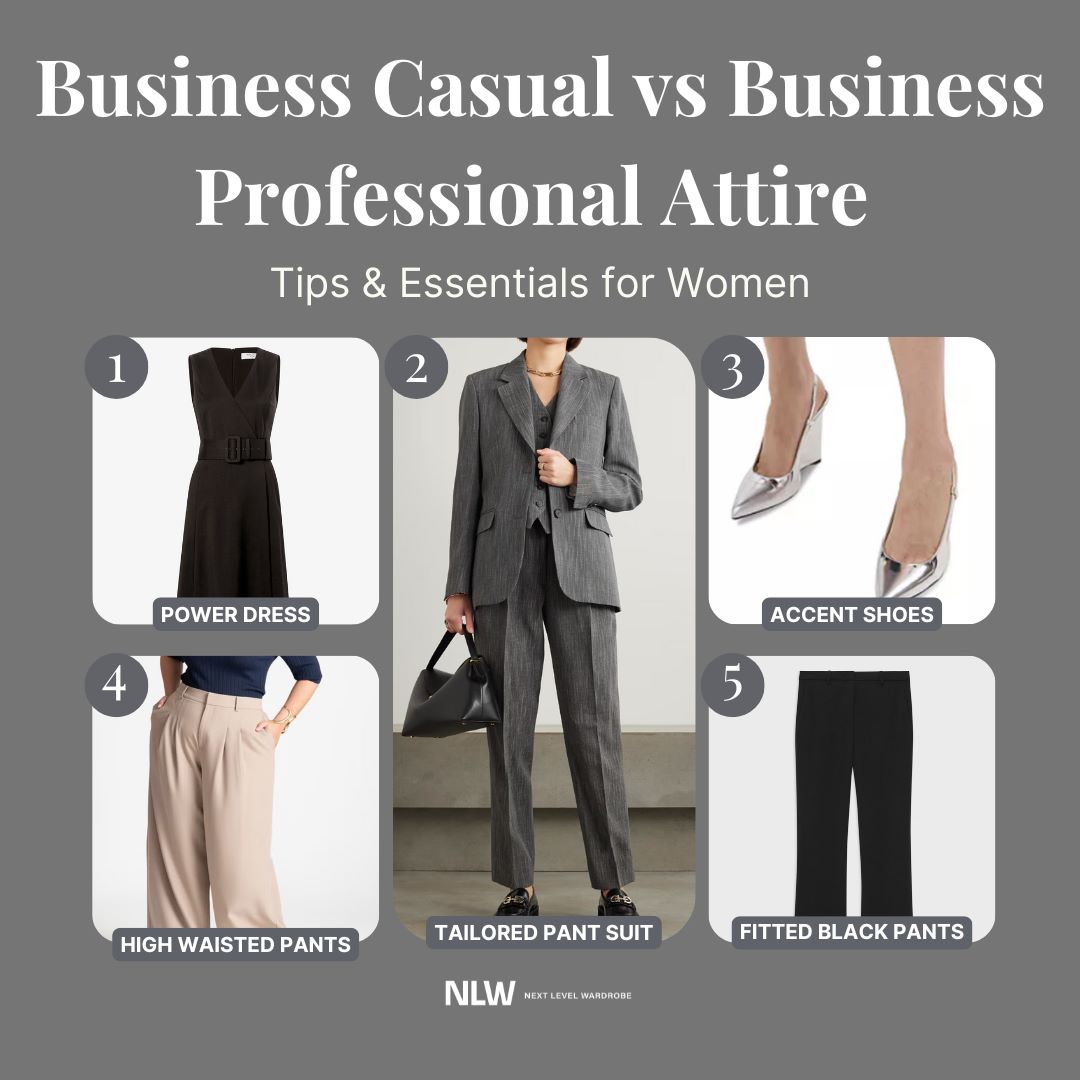
Credit: nextlevelwardrobe.com
Business Casual For Men: Key Pieces
Building a solid business casual wardrobe doesn’t require a huge budget. Focus on these essentials:
- Button-down shirts: White, blue, and light patterns
- Chinos or dress slacks: Neutral colors like navy, gray, or khaki
- Blazers or sport coats: For a polished touch
- Leather loafers or dress shoes
- Simple belts and watches
Avoid shorts, graphic tees, and athletic shoes.
Business Casual For Women: Key Pieces
Women have more options, but the same basic rules apply. Start with:
- Blouses or neat tops: Avoid low necklines and busy prints
- Knee-length skirts or tailored pants
- Cardigans or blazers
- Flats, loafers, or low heels
- Simple jewelry and light makeup
Don’t choose leggings, spaghetti straps, or flip-flops.
Business Professional For Men: Key Pieces
To be prepared for any formal business setting, men should have:
- Two-piece suit: Navy, black, or gray
- Crisp, collared shirts: White or pale blue
- Ties: Solid or subtle patterns
- Leather oxfords or dress shoes
- Matching belt and socks
Always keep suits clean and pressed.
Business Professional For Women: Key Pieces
Women’s business professional can be more flexible, but these basics are always safe:
- Matching pantsuit or skirt suit: Dark colors
- Collared blouses: Simple and neutral
- Closed-toe heels or flats: Polished and comfortable
- Nude or dark hosiery: In conservative offices
- Discreet accessories: Stud earrings, a watch, and a simple bag
Avoid bright colors or bold patterns in very formal settings.
Real-world Examples: What To Wear
Let’s look at two real scenarios and how you’d dress for each.
Scenario 1: Interview At A Bank
You want to show you’re serious and professional. For men, a dark suit, light shirt, conservative tie, and black oxfords are perfect. For women, a navy pantsuit, white blouse, and black flats will impress.
Scenario 2: Project Meeting At A Tech Startup
You want to look sharp but approachable. For men, chinos, a checked shirt, and brown loafers work. For women, tailored pants, a patterned blouse, and simple flats fit the culture.
How To Build A Versatile Work Wardrobe
You don’t need to spend a fortune to look good at work. Invest in a few quality pieces you can mix and match. For example:
- Three shirts and two pairs of pants can make six outfits.
- One blazer works with several shirts and pants.
- Shoes in black or brown go with almost anything.
Tip: Choose classic styles over trendy ones. They last longer and always look professional.
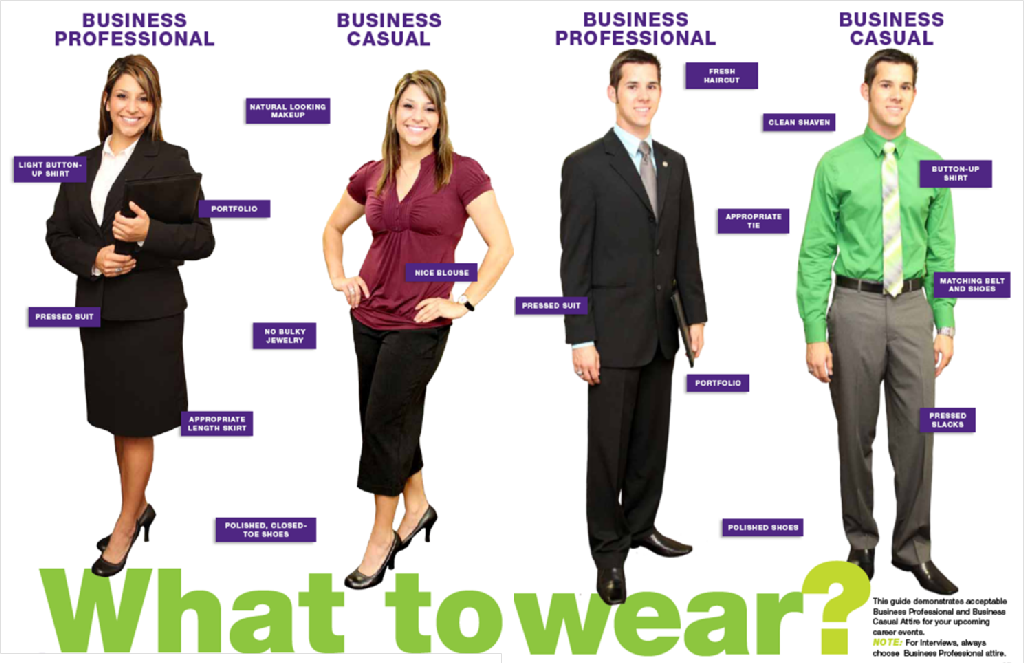
Credit: www.morganhunter.com
Table: Key Differences In Accessories
Accessories can change the feel of an outfit quickly. Here’s a quick look at what’s appropriate for each style:
| Accessory | Business Casual | Business Professional |
|---|---|---|
| Watch | Simple or smart watch | Classic metal or leather |
| Bag | Neat tote or messenger | Structured briefcase |
| Jewelry | Small earrings, wedding band | Very minimal, no statement pieces |
| Belt | Leather, can be brown or black | Leather, matches shoes |
How To Transition Between Styles
Sometimes, you need to switch from business casual to business professional in the same day. Here’s how:
- Keep a blazer and tie at your desk.
- Women can add a structured jacket and swap shoes.
- Use a neutral bag that works for both styles.
This flexibility helps you stay ready for last-minute meetings or events.
Cultural And Regional Differences
Dress codes can change by country, city, or even company. In some places, business casual means jeans and sneakers. In others, it’s still quite formal. If you travel for work, always check local norms. For example, in Japan and the Middle East, business professional is expected in most offices.
In Silicon Valley, business casual is the norm—even for big meetings.
Non-obvious tip: Always check photos on the company’s website or LinkedIn to see what employees wear.
Gender And Dress Codes
Both men and women face dress code pressures, but expectations can be different. Women may have more choices, but that also means more chances to make mistakes. For example, open-toe shoes might be fine in one office and banned in another.
Men’s business attire changes less, but details like tie color or sock pattern can still matter.
Respect for gender identity and expression is also growing. Many companies now let staff wear what fits their identity, as long as it’s professional.
Sustainability And Dress Codes
More people care about the environment and want to buy less clothing. You can build a work wardrobe with fewer, better-made pieces that last longer. Look for:
- Natural fabrics like wool or cotton
- Brands that focus on ethical production
- Neutral colors for easy mixing
This approach saves money and reduces waste.
Table: Quick Checklist For Each Dress Code
If you’re ever unsure, use this checklist before heading out the door:
| Item | Business Casual | Business Professional |
|---|---|---|
| Shoes | Polished loafers or flats | Polished oxfords or pumps |
| Shirt | Button-down or blouse | Collared, pressed shirt |
| Pants/Skirt | Chinos, slacks, skirts | Matching suit pants/skirt |
| Jacket | Optional blazer | Required, matching suit jacket |
| Tie (men) | Optional | Usually required |
Real Stories: Dress Codes In Action
Mark, a software engineer, started his job in jeans and t-shirts. After being promoted to team leader, he noticed people responded differently when he wore a blazer and collared shirt. He felt more confident and gained respect from management.
Lisa, an accountant, was once the only woman at a board meeting in a bright red dress. She realized later that a navy or black suit would have helped her fit in and kept the focus on her ideas—not her outfit.
These stories show that matching your dress to the situation can change how people listen to you and how you feel about yourself.
How To Ask About Dress Code
If you’re starting a new job or changing roles, it’s smart to ask about the dress code. You can say:
- “What’s the usual dress code for the office?”
- “Is business casual okay, or should I wear a suit for meetings?”
- “Can you share an example of what people wear here?”
Most companies are happy to clarify. It’s better to ask than to guess and feel out of place.
Dress Code And Remote Work
With more people working from home, dress codes are changing again. Some teams expect video calls in business casual, while others are relaxed. However, dressing up—even a little—can make you feel more focused and ready to work.
Wearing a collared shirt instead of a t-shirt for a video meeting can help you switch into “work mode” and leave a strong impression.
Final Thoughts: Finding Your Balance
Business casual and business professional are not just about clothes—they’re about understanding your workplace, your career goals, and how you want to be seen. The best approach is to prepare for both styles, pay attention to details, and adjust as needed.
Remember: looking professional doesn’t mean losing your personality. Find clothes that fit well, feel comfortable, and show you care about your work. With a little planning, you can always look the part—no matter the dress code.
For a deeper look at workplace dress codes and their impact on careers, you can check resources from Society for Human Resource Management.
Frequently Asked Questions
What Is The Main Difference Between Business Casual And Business Professional?
Business casual is a relaxed, neat way to dress for work. It doesn’t require a full suit and tie. Business professional is more formal and traditional, usually involving a matching suit, collared shirt, and formal shoes.
Can I Wear Jeans In A Business Casual Office?
In most business casual offices, dark, neat jeans may be okay, but it depends on the company’s culture. Avoid ripped or faded jeans. If unsure, choose slacks or chinos.
Are Sneakers Ever Allowed In Business Casual?
Usually, sneakers are not part of business casual. Some creative or tech companies may allow clean, plain sneakers, but most offices prefer loafers or dress shoes.
Is Business Professional Required For Job Interviews?
For most interviews—especially in finance, law, or government—business professional is the safest choice. Only wear business casual if the company clearly says it’s acceptable.
How Can I Make My Wardrobe Work For Both Dress Codes?
Choose classic pieces in neutral colors that you can dress up or down. A blazer, collared shirts, and polished shoes can work for both styles by adding or removing a tie, jacket, or accessories.
