

What's the Difference Between Business and Business Casual Outfits?
What’s The Difference Between Business And Business Casual
Understanding what to wear at work can be confusing. Many companies use dress codes like business and business casual. These two styles sound similar, but they are not the same. If you show up in the wrong outfit, you might feel out of place—or even make a bad impression. The right choice depends on your company, your role, and the culture. In this article, we’ll break down the difference between business and business casual. You’ll find clear explanations, real examples, practical tips, and some surprising details many people miss.
What Does “business” Mean In Dress Code?
The business dress code is often called “professional” or “formal” attire. This is the style you see in traditional workplaces—law firms, financial institutions, and executive offices. Business dress is about looking polished, serious, and trustworthy.
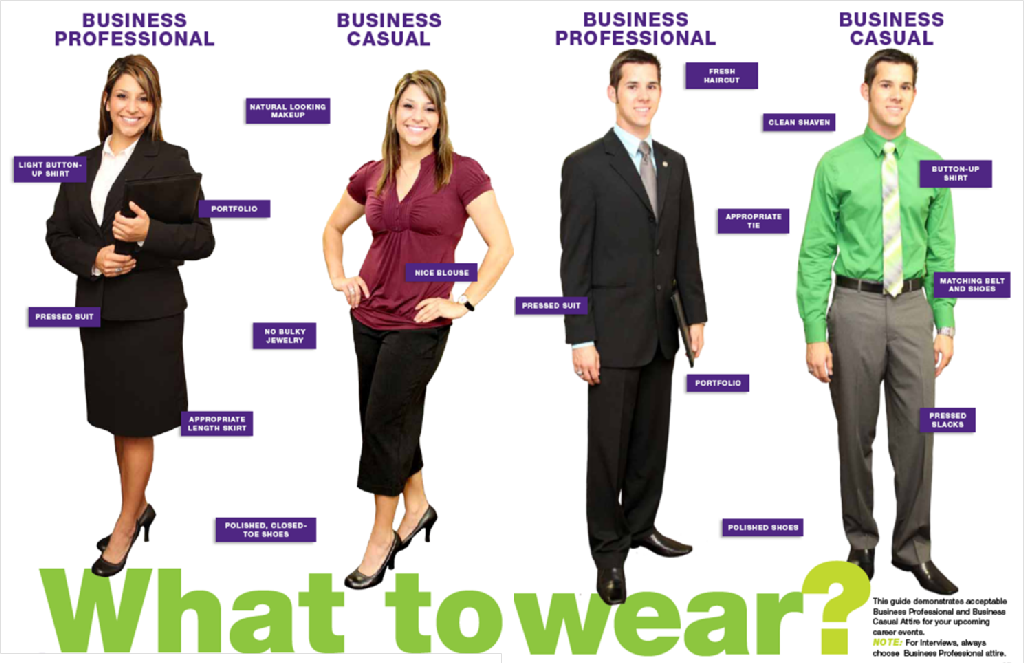
Typical Business Attire For Men
Business attire for men is usually a full suit. This means:
- Dark suit jacket and matching pants (usually navy, gray, or black)
- Dress shirt (white or light blue)
- Tie (simple patterns or solid colors)
- Dress shoes (black or brown leather, usually Oxfords or loafers)
- Belt (matches shoes)
- Minimal accessories (watch, cufflinks)
Every piece should be clean, well-fitted, and wrinkle-free. Suits and shirts are often made from wool, cotton, or blends. Shoes must be polished.
Typical Business Attire For Women
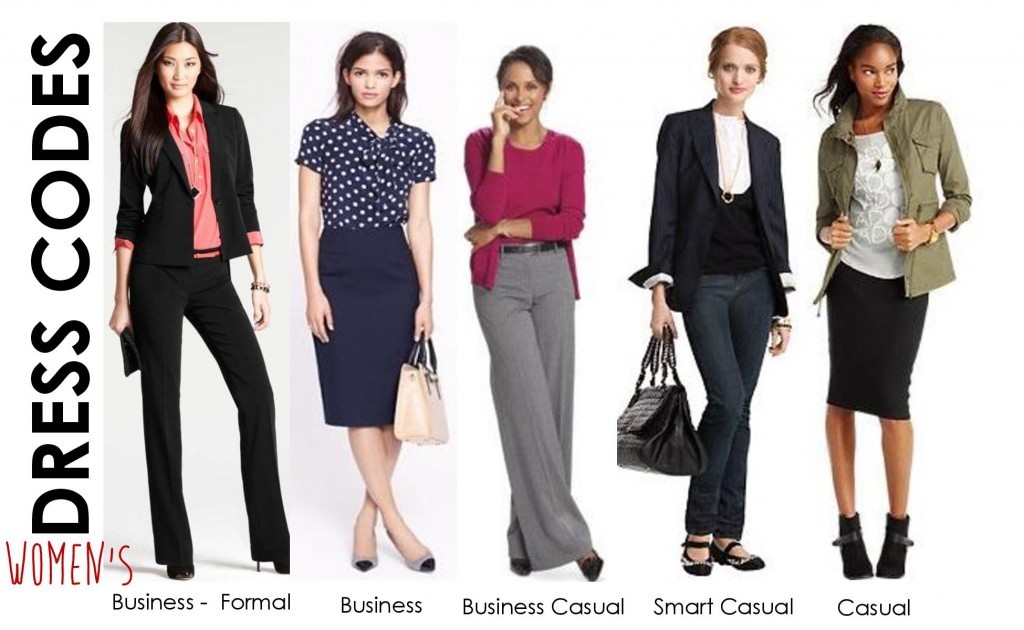
Women’s business attire is more flexible, but still formal. Common options include:
- Tailored suit (pants or skirt, matching jacket)
- Dress blouse (solid colors, subtle patterns)
- Sheath dress (with blazer)
- Closed-toe shoes (heels or flats, leather or suede)
- Simple jewelry (stud earrings, small necklace)
- Pantyhose (if wearing a skirt)
The goal is a sharp, professional look. Avoid bright colors, large prints, or bold accessories.
Where You’ll See Business Dress
Business dress is standard for:
- Job interviews
- Board meetings
- Presentations to clients
- Formal workplace events
- High-level management roles
Some industries expect business attire every day. Others only require it for special occasions. When in doubt, it’s better to be overdressed than underdressed.
What Is “business Casual”?
Business casual is less formal. It’s a mix between professional and comfortable. Many tech companies, creative agencies, and modern offices use business casual to encourage a relaxed—but still respectful—atmosphere.
Typical Business Casual Attire For Men
Men’s business casual outfits include:
- Dress pants or chinos (no jeans)
- Collared shirt (button-down or polo, no tie needed)
- Sweater or blazer (optional)
- Dress shoes (loafers, brogues, or clean sneakers in some workplaces)
- Leather belt
You can skip the suit jacket and tie. Patterns and colors are more flexible—but avoid anything too bright or flashy.
Typical Business Casual Attire For Women
Women’s business casual options:
- Dress pants, chinos, or skirts (knee-length or longer)
- Blouse or smart top (can have subtle patterns)
- Sweater, cardigan, or blazer (optional)
- Closed-toe flats, loafers, or low heels
- Simple jewelry
Dresses without jackets are allowed if they look neat and professional. Avoid spaghetti straps, miniskirts, and large prints.
Where You’ll See Business Casual
Business casual is common in:
- Day-to-day office work
- Team meetings
- Casual Fridays
- Most tech and creative companies
- Startups
Some companies allow business casual every day. Others reserve it for Fridays or less formal events.
Credit: gardner-webb.edu
Key Differences: Business Vs Business Casual
Let’s look at a direct comparison of business and business casual attire. This helps clarify the distinction.
| Aspect | Business | Business Casual |
|---|---|---|
| Formality | Very formal | Semi-formal |
| Suit Required? | Yes, matching suit | No, blazer optional |
| Tie | Always | Optional |
| Shoes | Dress shoes only | Dress shoes or clean loafers |
| Colors | Dark, neutral | Light, muted, some color |
| Accessories | Minimal | More freedom |
| Comfort | Less comfortable | More comfortable |
| Common Industries | Law, finance, government | Tech, startups, creative |
This table shows that business attire is about strict rules and uniformity. Business casual allows more personal expression and comfort.
Examples Of Business And Business Casual Outfits
Seeing real examples helps you understand the difference. Here are sample outfits for both dress codes.
Business Attire Example: Men
- Dark gray suit jacket and pants
- White dress shirt
- Navy silk tie
- Black leather Oxford shoes
- Silver watch
Business Casual Example: Men
- Navy chinos
- Light blue button-down shirt (no tie)
- Brown loafers
- Leather belt
- Optional gray sweater
Business Attire Example: Women
- Black skirt suit (knee-length skirt, fitted jacket)
- Light pink blouse
- Black closed-toe pumps
- Pearl stud earrings
Business Casual Example: Women
- Beige dress pants
- Patterned blouse (small polka dots)
- Navy cardigan
- Brown flats
- Simple bracelet
Notice that business outfits are more uniform and conservative. Business casual outfits mix in color, comfort, and variety.
Why Do Companies Use Business And Business Casual Dress Codes?
Dress codes help companies set a culture. They affect how people feel at work, how clients see the company, and even how employees perform.
Business Dress Code: Purpose
The business dress code sends a message of:
- Professionalism: Shows seriousness and respect
- Trustworthiness: Clients feel confident in formal settings
- Authority: Employees look like leaders
This is important in industries where reputation matters. For example, a lawyer in a casual outfit may seem less reliable.
Business Casual Dress Code: Purpose
Business casual dress code aims for:
- Comfort: Employees focus better when comfortable
- Creativity: Relaxed dress can encourage new ideas
- Inclusivity: More people feel welcome
Some research shows that casual dress can boost morale and productivity. Employees report feeling happier and less stressed. However, there are risks—too relaxed can become sloppy.
How To Choose The Right Dress Code For Your Workplace
If you’re unsure what to wear, follow these steps:
- Ask HR or your manager: They know the rules.
- Look around: See what others wear.
- Check the company handbook: Most companies explain their dress code.
- Dress up for interviews: Always choose business attire for interviews.
- Go conservative if unsure: It’s safer to be overdressed.
If you change jobs or visit another office, research their culture. Some companies accept jeans as business casual, others do not.
Business Casual Is Not “casual”
Many people confuse business casual with “casual.” This is a mistake. Business casual is still professional. Here’s what you must avoid:
- T-shirts with logos
- Ripped jeans
- Shorts
- Flip-flops
- Hoodies
- Athletic wear
Some companies are very strict. Others are more relaxed. Always check before wearing something risky.
Common Mistakes In Business And Business Casual Dress
Even experienced professionals make mistakes. Here are errors to avoid:
Mistakes In Business Attire
- Wearing a mismatched suit (different jacket and pants)
- Choosing loud ties or shirts
- Wearing sneakers or casual shoes
- Using flashy accessories
- Wrinkled or stained clothing
Mistakes In Business Casual
- Wearing jeans when not allowed
- Overly casual tops (graphic tees, tank tops)
- Open-toe shoes in formal offices
- Too short skirts or dresses
- Not ironing clothes
One non-obvious mistake: fit matters more than price. A cheap, well-tailored suit looks better than an expensive, ill-fitting one.

Credit: www.boltstaffing.com
The Role Of Culture And Geography
Dress codes are not the same everywhere. In some countries, business attire is required even for simple meetings. In others, business casual is normal.
Regional Differences
- United States: Many offices allow business casual, especially in tech.
- Europe: Business attire is more common in traditional companies.
- Asia: Business dress is strict, but casual Fridays are becoming popular.
Always check local norms. If you travel for work, ask for guidance.
How Dress Codes Affect Career Progress
How you dress can impact your career. Here’s how:
- First impressions: People judge you quickly based on appearance.
- Promotion chances: Managers notice those who dress professionally.
- Networking: You look more credible in business attire at events.
Studies found that employees who dress well are seen as more competent and confident. This can lead to more opportunities.
How Dress Codes Are Changing
Workplace dress codes are evolving. Remote work, tech startups, and younger leaders prefer comfort and flexibility. But traditional industries still value formal dress.
Trends In Dress Codes
- Hybrid dress codes: Some companies combine business and business casual.
- Dress for your day: Employees choose based on their schedule (meetings vs desk work).
- Gender-neutral dress codes: Less focus on men’s vs women’s clothing.
One insight: Some leaders use dress codes to signal company values. For example, a strict dress code says “We are serious.” A relaxed code says “We trust our employees.”
Business Vs Business Casual: Impact On Communication
How you dress affects how people talk to you. Formal dress creates distance and respect. Casual dress feels more friendly and open.
Business Attire And Communication
- People may use formal language
- Clients expect professionalism
- Colleagues may act more reserved
Business Casual And Communication
- More relaxed conversations
- Easier to approach managers
- Encourages teamwork
If your role involves leading or negotiating, business attire can help. If your job is creative or teamwork-focused, business casual may be better.
Business Vs Business Casual: Impact On Productivity
Clothing can affect how well you work. Here’s what studies show:
- Formal dress improves focus and authority
- Casual dress boosts comfort and creativity
A survey by the Society for Human Resource Management found 44% of companies prefer business casual. Workers report higher satisfaction and lower stress.
But, formal dress is still key for important meetings and high-profile roles.
Can You Mix Business And Business Casual?
Some companies allow mixing styles. For example:
- Blazer with chinos (business casual)
- Dress shirt without tie (business casual)
- Suit with no tie (semi-formal)
Mixing is common in offices with “dress for your day” policies. But avoid mixing too much—don’t wear jeans with a suit jacket.
Credit: www.morganhunter.com
Business And Business Casual For Remote Work
Remote work changes the rules. Many employees wear business casual—or even casual—at home. But for video meetings:
- Wear a collared shirt or blouse
- Avoid bright prints or loud backgrounds
- Look neat and tidy
Some companies ask remote workers to follow business casual on camera. This keeps the team professional.
How To Upgrade Your Wardrobe For Business Or Business Casual
Building the right wardrobe helps you feel confident. Here’s how:
Business Wardrobe Tips
- Invest in 2-3 suits (dark colors)
- Buy several dress shirts (white, blue)
- Get quality dress shoes
- Use simple accessories
- Tailor your clothes for best fit
Business Casual Wardrobe Tips
- Buy dress pants and chinos
- Choose button-down shirts and polos
- Get sweaters and cardigans
- Pick comfortable shoes
- Add variety with colors and patterns
Avoid buying too many trendy items. Classic pieces last longer.
Real-world Data: Dress Code Trends
Let’s look at some numbers. Surveys show:
- 44% of companies use business casual
- 36% prefer business attire
- 20% allow casual (jeans, T-shirts)
Industries with strict business dress: law, finance, consulting. Industries with business casual: tech, marketing, design.
More companies are relaxing dress codes. This is true for startups and creative agencies.
Comparing Costs: Business Vs Business Casual
Business attire is more expensive. Suits, ties, and formal shoes cost more than casual pants and shirts.
| Item | Business | Business Casual |
|---|---|---|
| Suit | $300–$800 | Not needed |
| Dress shirt | $40–$100 | $30–$80 |
| Tie | $20–$60 | Optional |
| Dress shoes | $80–$200 | $60–$120 |
| Accessories | $50–$150 | $40–$100 |
Business casual is more budget-friendly. But keep in mind: quality matters more than quantity.
Business And Business Casual For Special Events
Sometimes the company changes the dress code for events. For example:
- Business attire: Client meetings, awards, formal dinners
- Business casual: Team lunches, office parties, training days
If you’re invited to a special event, ask about the dress code. It’s better to check than risk feeling uncomfortable.
Gender And Dress Codes: Modern Changes
Traditional dress codes often separated men and women. Now, many companies allow more freedom. You can choose pants, skirts, dresses, or blazers—whatever fits your style and looks professional.
Some companies have gender-neutral dress codes. This means anyone can wear what feels comfortable, as long as it fits the company standard.
Are Dress Codes Good For Diversity?
Dress codes can help or hurt diversity. Strict business attire may exclude people from different cultures or backgrounds. Business casual is more flexible.
One insight: Companies that allow personal expression (within limits) attract more diverse talent. But, too much freedom can cause confusion.
How To Know If You’re Dressed Right
Here’s a quick checklist:
- Is your outfit neat and clean?
- Does it fit well?
- Is it respectful of the company culture?
- Would you feel comfortable meeting a client?
If you answer yes, you’re probably dressed right. If not, make adjustments.
Surprising Insights Most People Miss
- Dress codes are not just about clothes. They affect how you feel, how others see you, and even how you work.
- Fit and comfort matter more than price. Well-fitted, comfortable clothes always look better.
- Dress codes send a message. Companies use them to show their values—serious, relaxed, creative, or inclusive.
Many people focus only on the rules. But understanding the WHY behind dress codes helps you make better choices.
Frequently Asked Questions
What Is The Main Difference Between Business And Business Casual?
Business attire is formal and requires a suit, tie, and dress shoes. Business casual is less formal—no suit or tie needed, and you have more choices in colors and styles.
Can I Wear Jeans In Business Casual?
Usually, jeans are not allowed in business casual. Some companies make exceptions, but jeans should be neat and dark. Always check company policy.
Should I Wear Business Attire For A Job Interview?
Yes. It’s safest to wear business attire for job interviews. This shows professionalism and respect, even if the company uses business casual.
How Do I Know If My Outfit Fits The Dress Code?
Check the company handbook or ask HR. Look at what colleagues wear. When in doubt, choose more formal clothes.
Are Business And Business Casual Dress Codes Changing?
Yes. Many companies are relaxing dress codes. Business casual is more popular now, especially in tech and creative industries. But formal dress is still needed for important meetings.
Choosing the right dress code helps you look confident, feel comfortable, and succeed at work. If you want more details, you can find useful guides and examples on Business News Daily.
Dress codes are not just rules—they are a way to show respect, connect with others, and build your career. Whether you dress in business or business casual, the most important thing is to look professional, feel confident, and adapt to your company’s culture.
