

Business Casual Style Guide for Women: Look Chic at Work
Business Casual Style Guide For Women
Finding the right business casual style can feel confusing. Many women wonder: What does “business casual” really mean? How do you look professional but still comfortable? What should you avoid? This guide will answer these questions and help you build a wardrobe that feels confident, modern, and easy to wear every day. Whether you’re starting a new job, changing industries, or updating your closet, you’ll learn how to dress business casual with clarity and style.
What Is Business Casual For Women?
Business casual is a dress code used in many workplaces. It sits between formal business wear and everyday casual clothing. You do not need to wear a suit or heels, but you should look polished and neat. Business casual is popular because it allows comfort and personality while staying professional.
Key Elements Of Business Casual
- Professional look: Clothes should be tidy and not too revealing.
- Comfort: You can move easily and feel relaxed.
- Versatility: Outfits work for office, meetings, and after-hours events.
Business casual differs by company and region. Some offices are stricter; others are more relaxed. If you’re unsure, look at what your coworkers wear or ask your HR department. For example, some tech companies might allow jeans if paired with a blazer, while a law firm may expect dress pants and blouses every day.
Observing your office culture is a smart way to avoid mistakes and feel comfortable.
Essential Business Casual Pieces
Building a business casual wardrobe starts with a few basic items. These pieces mix and match easily, giving you many outfit options. Investing in versatile basics means you can create fresh looks without buying lots of clothes.
Tops
Choose tops that are simple but stylish. Avoid anything too tight or with deep necklines.
- Button-down shirts: Classic and always appropriate. Cotton and blends are good choices for easy care.
- Blouses: Choose solid colors or subtle patterns. Silk blouses add a touch of elegance, while polyester blends are wrinkle-resistant.
- Knit tops: Lightweight sweaters or turtlenecks. They work well for layering and can be dressed up or down.
- Shell tops: Sleeveless styles for layering under jackets. Look for high necklines and thicker fabrics.
A non-obvious tip: Try layering a camisole under a sheer blouse for coverage and comfort. Also, consider tops with special details, like small pleats or ruffles, which add interest without feeling too bold.
Bottoms
Pants and skirts should be clean and well-fitted.
- Dress pants: Straight, wide, or slim leg. Avoid overly tight or baggy styles.
- Chinos: Neutral colors like navy, gray, or khaki. Chinos are less formal than dress pants but still look neat.
- Pencil skirts: Knee-length is best. Pair with tights in colder months.
- A-line skirts: Soft shapes give comfort and style. Look for skirts with pockets for practicality.
A hidden insight: Pants with a bit of stretch are much more comfortable for sitting all day. For skirts, a lining helps avoid cling and keeps the shape crisp.
Dresses
Many dresses work for business casual if they are not too short or flashy.
- Sheath dresses: Simple, tailored shape. Pair with a cardigan for extra polish.
- Wrap dresses: Flattering and easy to wear. A print wrap dress can add color without being too bold.
- Shift dresses: Relaxed but polished. Look for structured fabrics that hold their shape.
Choose dresses with sleeves or layer with a blazer to avoid bare shoulders in formal offices. Avoid dresses with high slits or flashy details.
Layers
Layering helps you adjust to the office temperature and adds style.
- Blazers: Choose soft fabrics and neutral colors. Try a knit blazer for comfort.
- Cardigans: Long or cropped styles. A belted cardigan can add shape.
- Light jackets: Bomber or tailored styles. Denim jackets may work in creative offices.
Blazers with a bit of stretch are easier to move in. Cardigans in fine knit are easy to layer without adding bulk.
Shoes
Comfort is important, but shoes should look neat.
- Flats: Loafers, ballet flats, or pointed-toe styles. Pointed toes lengthen the leg visually.
- Low heels: Block, kitten, or wedge. Avoid very high or thin heels.
- Boots: Ankle or knee-high, with clean lines. Leather boots are durable and stylish.
- Oxfords: Classic lace-up shoes. Great for pairing with pants or skirts.
If you walk or commute, look for padded insoles or soft materials. Rotate your shoes to keep them fresh.
Accessories
Keep accessories simple and tasteful.
- Belts: Thin leather or fabric. A colored belt can add interest to a neutral outfit.
- Scarves: Light colors and patterns. Silk scarves are elegant and easy to care for.
- Jewelry: Small earrings, simple necklaces, or a watch. Avoid very large or noisy pieces.
- Handbags: Structured tote or medium satchel. Choose a bag that fits your daily needs without being too bulky.
An extra tip: Use accessories to gently show your personality. A patterned scarf or a unique brooch can make your look memorable.
Business Casual Vs. Other Dress Codes
Understanding the difference between business casual and other dress codes helps you avoid mistakes. Here’s a comparison:
| Dress Code | Typical Clothing | Accessories | Shoes |
|---|---|---|---|
| Business Formal | Suits, blazers, dress shirts, pencil skirts | Classic jewelry, structured handbags | Heels, dressy flats |
| Business Casual | Dress pants, blouses, cardigans, dresses | Simple jewelry, light scarves | Flats, low heels, boots |
| Smart Casual | Dark jeans, trendy tops, stylish jackets | Statement jewelry, fun bags | Sneakers, trendy shoes |
| Casual | T-shirts, jeans, casual skirts | Anything goes | Sneakers, sandals |
Business casual is less strict than formal but still more polished than smart casual or casual. If you’re unsure, err on the side of being a bit more dressed up. This helps you look prepared and respectful, especially when meeting clients or attending important events.
Choosing Fabrics And Colors
Fabric and color make a big difference in business casual style. The right choices help you feel comfortable and look professional.
Best Fabrics
- Cotton: Breathable and soft. Works well for shirts and skirts.
- Wool blends: Good for pants and jackets. Wool keeps its shape and looks sharp.
- Polyester blends: Easy to care for and wrinkle-resistant. Ideal for busy mornings.
- Silk: Great for blouses and scarves. Adds a luxury touch.
- Linen: Light for summer, but look for blends to reduce wrinkles.
Avoid fabrics that are too shiny, sheer, or clingy. Synthetic fabrics can sometimes feel uncomfortable in warm weather, so check for breathability. Blends often mix comfort and durability.
Color Choices
- Neutrals: Black, navy, gray, beige, and white are always safe. They mix well and look professional.
- Soft colors: Light blue, blush, olive, or lavender add personality. Soft colors work well for blouses or accessories.
- Patterns: Small prints, stripes, or checks work well. Patterns should not be too busy.
Bright colors and bold patterns can be fun, but use them carefully. If you wear a bright top, balance it with neutral bottoms. For example, a red blouse pairs nicely with black pants and a gray blazer.
A less obvious tip: Choose colors that flatter your skin tone. For example, olive and navy suit many people, while bright yellow may not. Try different shades to find what works for you.

Credit: www.amazon.com
Building Your Business Casual Wardrobe
Starting from scratch? Focus on quality over quantity. You don’t need many clothes to look great; you need the right ones.
Wardrobe Checklist
- 3–5 tops: Mix blouses, shirts, and knit tops.
- 2–3 bottoms: Pants and skirts in neutral colors.
- 2 dresses: One sheath, one wrap or shift.
- 1–2 blazers or jackets: For layering.
- 2–3 pairs of shoes: Flats, boots, and low heels.
- Accessories: Belts, jewelry, scarves, and a handbag.
Buy pieces that work together. For example, a navy blazer matches most pants and skirts. A white blouse goes with everything. When shopping, think about how each piece fits with your current wardrobe.
Investment Vs. Budget
Some items are worth spending more on. A good blazer or quality shoes last longer and look better. But you can save on basics like shell tops or cardigans.
| Item | Average Price (USD) | Recommended Investment Level |
|---|---|---|
| Blazer | $70–$150 | High |
| Dress Pants | $40–$80 | Medium |
| Blouse | $25–$60 | Medium |
| Cardigan | $20–$50 | Low |
| Shoes | $40–$120 | High |
Check store sales and online outlets. You can find quality items for less, especially during end-of-season clearance. Consider thrift shops or consignment stores for unique finds at lower prices. Buying secondhand can be smart and sustainable.
How To Style Business Casual Outfits
Styling business casual is easier than you think. The goal is to balance comfort and professionalism.
Simple Outfit Formulas
- Blouse + pants + flats: Classic and easy for any day.
- Dress + cardigan + boots: Works in colder months.
- Skirt + shell top + blazer: Perfect for meetings.
- Knit top + chinos + loafers: Relaxed but neat.
Mix textures and colors, but keep the overall look clean. Avoid too many accessories or flashy details. For example, if you wear a patterned blouse, keep your pants and accessories simple. Try layering a long necklace over a plain top for interest.
A less obvious tip: Use a scarf to add color and warmth, but keep the pattern subtle. Scarves also cover necklines that may feel too open.
Layering Tips
Layering helps you adjust to changing temperatures and adds interest.
- Start with a base layer, like a shell top.
- Add a cardigan or blazer.
- Finish with a scarf or necklace.
If you’re in a creative office, you can add more color or trendy pieces. In a traditional office, stay with classic shapes and neutral tones. Layering also lets you update your look easily—swap a cardigan for a blazer to go from casual to formal.
Common Business Casual Mistakes
Even experienced professionals make mistakes with business casual. Here are some pitfalls to avoid:
- Too casual: Avoid jeans, sneakers, or T-shirts unless your office allows them.
- Too formal: Don’t wear full suits or evening dresses.
- Revealing clothes: Necklines and hemlines should be modest.
- Wrinkled or dirty items: Always check your clothes before leaving home.
- Too many accessories: Keep jewelry and details simple.
A non-obvious mistake: Wearing loud prints or strong perfumes can be distracting in a professional setting. Another hidden error is ignoring shoe care. Scuffed or dirty shoes lower your whole look.
Another subtle mistake is skipping proper fit. Clothes that are too loose or too tight can make you look less professional. Tailoring your pants or skirts can improve your appearance more than buying new clothes.
Adapting Business Casual To Different Seasons
Your business casual wardrobe should change with the weather. Here’s how to stay stylish all year.
Spring
- Light colors and fabrics like cotton and linen.
- Blouses with floral prints or soft pastels.
- Layer with light cardigans.
Try ankle pants and soft knit tops for changing temperatures. A trench coat is a good outer layer for spring.
Summer
- Sleeveless tops (not spaghetti straps).
- Knee-length skirts and dresses.
- Open-toe shoes if allowed.
Choose lighter fabrics like linen blends or cotton. Avoid heavy layers. A sleeveless dress with a light scarf can be both cool and professional.
Fall
- Deeper colors: Burgundy, olive, navy.
- Sweater tops and wool skirts.
- Ankle boots and scarves.
Layering is key—pair a lightweight sweater with a blazer. Try textured fabrics like tweed for interest.
Winter
- Heavy knits and wool pants.
- Blazers over sweaters.
- Tall boots for warmth.
Add thermal tights under skirts. Choose thicker fabrics to stay warm. A wool coat or puffer jacket can finish your look.
Always check your office’s rules about open-toe shoes or sleeveless tops. Some companies change their dress code with the season.
Business Casual For Different Body Types
Everyone’s body is different, so business casual should fit well and flatter your shape.
Tips For Petite Women
- Choose shorter skirts and cropped pants.
- Avoid oversized jackets.
- Wear pointed-toe shoes to elongate your legs.
Try vertical stripes or V-neck tops to add height visually.
Tips For Tall Women
- Try midi skirts and wide-leg pants.
- Layer with longer cardigans.
- Belt your dresses to add shape.
Look for brands that offer tall sizes for better fit.
Tips For Curvy Women
- Wrap dresses and V-neck tops are flattering.
- Avoid clingy fabrics.
- Choose structured blazers.
Dark colors and vertical seams help create a slimming effect.
Tips For Plus Size Women
- Go for A-line skirts and straight pants.
- Layer with soft cardigans.
- Use color blocking to highlight features.
Try tops with ruching or peplum details for shape. Tailoring can make off-the-rack clothes fit perfectly.
Fit is more important than size. If clothes don’t fit perfectly, consider tailoring. Small changes can make a big difference.
Business Casual For Specific Professions
Business casual means different things in various industries. Here are some examples:
Creative Fields
Design, marketing, media, and tech companies often allow more freedom.
- Trendy jackets, bold prints, and statement jewelry.
- Smart jeans may be acceptable.
- Fun shoes like colored flats.
You can try layering bright colors or mixing textures, but still keep your look neat.
Finance & Law
Traditional offices prefer a classic look.
- Blazers, dress pants, and conservative blouses.
- Neutral colors and simple accessories.
- Closed-toe shoes.
Stick to structured pieces and minimal prints. Keep your look polished and professional.
Healthcare & Education
Comfort and durability matter.
- Stretchy pants and washable tops.
- Layering for changing temperatures.
- Simple shoes, easy to clean.
Choose fabrics that resist stains and wrinkles. Shoes with good support are important.
Customer Service
You may need to stand for long periods.
- Comfortable shoes and pants.
- Polo shirts or knit tops.
- Practical accessories.
Try easy-care fabrics and avoid anything too tight. Keep your look tidy and approachable.
Always check your company’s policy and observe what others wear.
Business Casual And Remote Work
Working from home has changed business casual. Many companies allow more comfort, but you still want to look professional for video calls.
Remote Work Tips
- Wear tops in solid colors or subtle prints.
- Avoid pajama bottoms; try comfortable pants or leggings.
- Keep jewelry simple.
A non-obvious insight: Good lighting and a tidy background matter as much as your outfit for online meetings. Wearing shoes—even at home—can help you feel more “at work.” Try sitting at a desk and keeping your workspace organized.
Another tip: Solid colors look better on camera than busy patterns. Avoid shiny fabrics that can reflect light.
Caring For Your Business Casual Clothes
Proper care extends the life of your wardrobe and keeps you looking sharp.
Laundry Tips
- Read labels: Some items need gentle wash or dry cleaning.
- Separate colors to avoid stains.
- Use a steamer for quick wrinkle removal.
Wash blouses and knit tops gently to avoid stretching. Hang pants and skirts to keep their shape.
Storage Tips
- Hang blazers and dresses.
- Fold knitwear to avoid stretching.
- Rotate shoes to prevent wear.
Store scarves and belts neatly to avoid damage. Use storage boxes for jewelry.
Shoe Care
- Wipe shoes daily.
- Use shoe trees for shape.
- Polish leather regularly.
Check soles and heels for wear. Replace them before shoes become uncomfortable.
Investing time in care pays off with longer-lasting clothes and a better appearance.
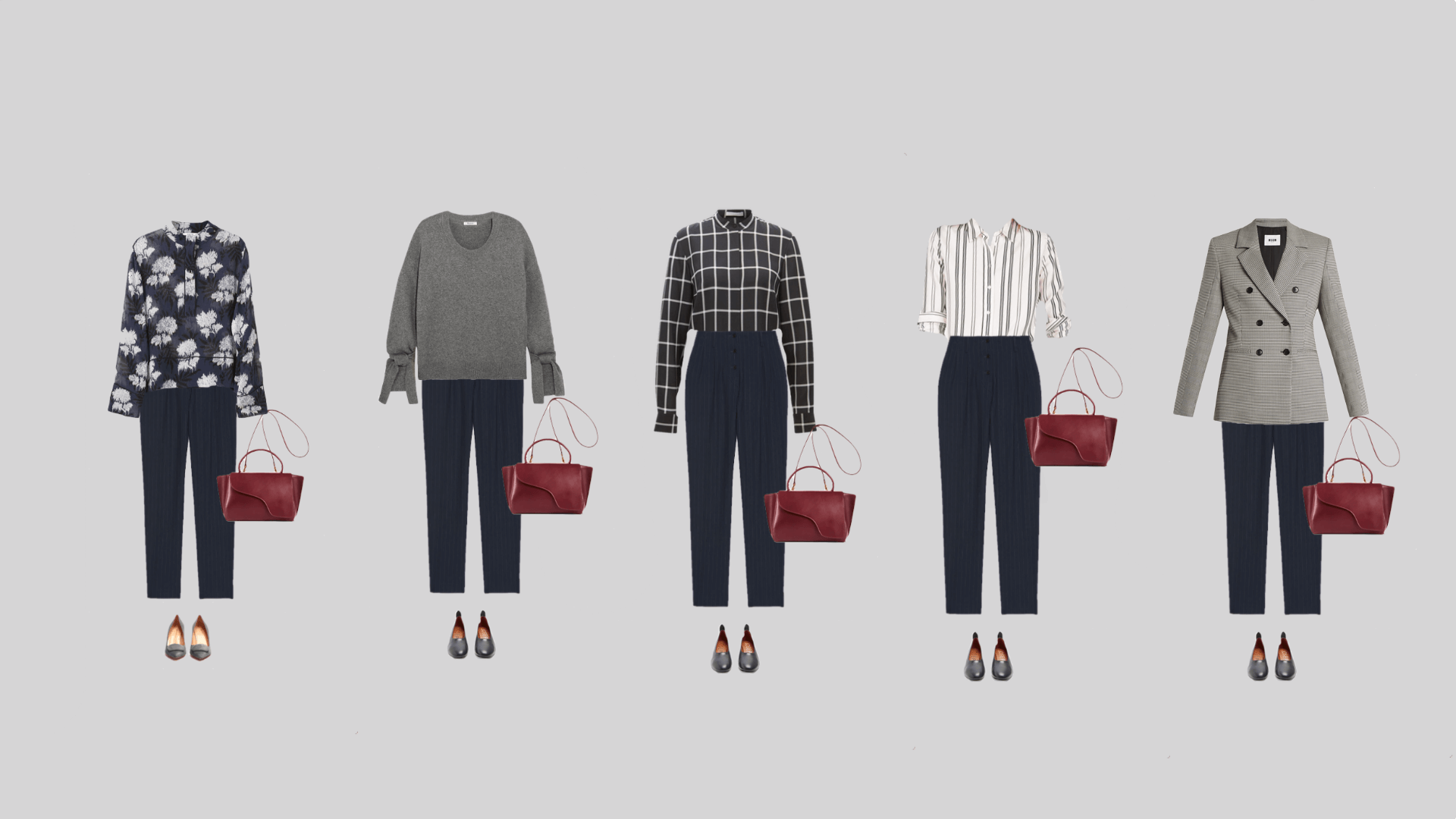
Credit: wonder-wardrobe.com
How To Shop For Business Casual
Shopping for business casual doesn’t have to be stressful. Here are strategies to find the best pieces.
In-store Shopping
- Try on clothes for fit and comfort.
- Check stitching and fabric quality.
- Ask staff for style advice.
Look for stores with good return policies. Take photos of items you like to compare later.
Online Shopping
- Read reviews for sizing and quality.
- Look for free returns.
- Use filters for color and style.
Check size charts carefully. Order two sizes if unsure, then return what doesn’t fit.
Shopping Tips
- Start with basics before adding trendy items.
- Buy pieces you can wear in many ways.
- Avoid impulse buys—stick to your list.
If you need more inspiration, browse business casual looks on sites like Vogue.
A smart tip: Make a list of your current wardrobe and note what’s missing. This helps avoid buying duplicates or unnecessary items.
Business Casual Outfit Examples
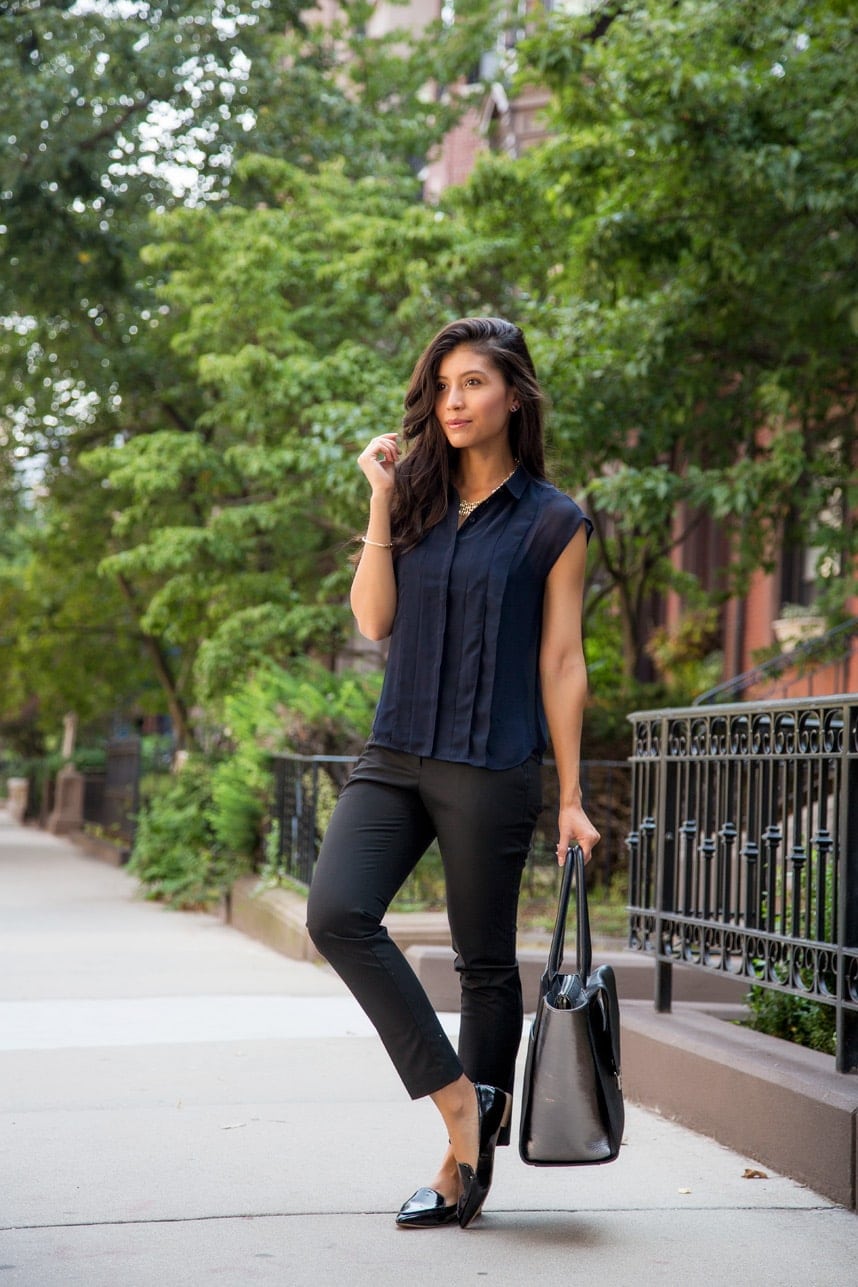
Here are five business casual outfit ideas for different situations:
- Office Meeting: Navy dress pants, white blouse, gray blazer, black flats, silver watch.
- Presentation Day: Black pencil skirt, light blue shell top, beige cardigan, nude heels, pearl earrings.
- Casual Friday: Olive chinos, striped knit top, denim jacket, loafers, leather belt.
- Client Lunch: Burgundy wrap dress, camel blazer, ankle boots, structured handbag.
- Remote Work Video Call: Blush pink blouse, dark leggings, simple necklace, tidy hair.
These combinations show how a few pieces can make many stylish outfits. Switch accessories or shoes to adapt each look for different occasions.
Credit: stylishlyme.com
How To Personalize Business Casual
Business casual doesn’t mean boring. Add your personality with smart choices.
- Choose colors you like.
- Wear jewelry that reflects your style.
- Add scarves or belts for interest.
- Try shoes in fun colors or patterns.
A hidden insight: Small details, like a unique brooch or patterned belt, can make your outfit memorable without being too bold. Try a subtle print in your blouse or a bright bag for a hint of fun.
Another tip: Adjust your style for your mood or season. For example, wear brighter colors in spring or more layers in winter.
Business Casual For Different Age Groups
Business casual adapts for every age. The key is confidence and fit.
Young Professionals
- Try modern cuts and colors.
- Add trendy accessories.
- Keep shoes comfortable.
Experiment with new styles, but keep your look neat.
Mid-career
- Focus on quality fabrics and timeless styles.
- Layer with blazers and classic jewelry.
- Try new trends in subtle ways.
Mix classic pieces with a few trendy items for freshness.
Seniors
- Choose easy-care fabrics.
- Wear supportive shoes.
- Add color with scarves or statement necklaces.
Opt for clothes that are comfortable and easy to wear. Use accessories to show your personality.
No matter your age, business casual should help you feel your best.
Frequently Asked Questions
What Is Not Allowed In Business Casual For Women?
Avoid denim jeans, athletic wear, T-shirts, tank tops, and flip-flops. Anything too revealing, like short skirts or deep necklines, is also not appropriate. Clothes should always be clean and neat.
Can I Wear Sneakers In A Business Casual Office?
Usually, sneakers are not considered business casual. Some creative offices allow trendy sneakers, but classic flats, loafers, or boots are safer choices.
How Do I Transition From Business Casual To Formal For Special Events?
Add a blazer or tailored jacket, switch to dress pants or a pencil skirt, and wear low heels. Choose classic jewelry and a structured bag. A simple sheath dress also works well for formal occasions.
Are Leggings Business Casual?
Leggings are not business casual unless worn under a tunic or dress that covers your hips. Choose thicker, structured fabrics and avoid athletic styles.
How Can I Look Stylish But Still Business Casual?
Mix colors and textures thoughtfully, add small accessories, and choose clothes that fit well. Try layering and experiment with shoes or scarves. The key is to balance comfort, professionalism, and your own style.
Business casual is flexible, practical, and can show your personality. With the tips in this guide, you’ll feel confident and comfortable every day at work. Remember: Fit, quality, and a bit of creativity are your best tools. Use these ideas to build a wardrobe that works for you—no matter your industry, age, or body type.
