

Business Casual Ideas for Woman: Stylish Outfits to Elevate Your Look
Business Casual Ideas For Woman
Finding the right balance between professional and comfortable is often challenging, especially for women navigating the world of business casual. Many offices now prefer business casual dress codes, but definitions can vary widely. The right business casual outfit can help you feel confident, organized, and ready to tackle your day. But how do you build a wardrobe that fits both your job and your personal style? This guide is designed to help you understand business casual for women, with practical ideas, examples, and tips to avoid common mistakes. Whether you are new to the workforce or simply looking to refresh your closet, you’ll discover how to look polished without feeling overdressed.
One thing many people overlook is the importance of feeling comfortable in your outfit. If you’re comfortable, you’ll be more focused and productive at work. Another detail: business casual doesn’t mean boring. You can show personality with your choices, without breaking workplace rules. This article will help you make decisions that suit your needs and your company culture.
What Does Business Casual Mean For Women?
Business casual is a dress code that blends professional attire with comfort and style. It’s less formal than traditional business wear, but still neat and put-together. For women, business casual often includes slacks, skirts, blouses, sweaters, and closed-toe shoes. Jeans and sneakers are usually avoided unless your office is very relaxed.
Key points:
- Neat and clean: Clothes should be ironed and free of stains.
- Professional but not stiff: Avoid overly casual items like t-shirts, shorts, or flip-flops.
- Comfortable: You can move easily and feel confident throughout the day.
While the basics sound simple, the details matter. A business casual outfit allows you to express your personality, but still respects the workplace environment. One non-obvious insight is that accessories and shoes play a bigger role in business casual than most people realize—they can make or break your look.
It’s also important to remember that business casual can vary by region and industry. For example, in some creative fields, a relaxed dress code is normal, while in finance or law, business casual can be almost as formal as traditional business attire.
Always observe what your colleagues wear and ask HR if you’re unsure.
A second insight: The fit of your clothes is as important as the style. Even a classic blouse can look sloppy if it’s too big or too small. Tailoring your clothes can make a huge difference in how professional you appear.
Essential Business Casual Clothing Pieces
Building a business casual wardrobe is easier when you know which items are most versatile. Here are the key pieces every woman should consider:
Blouses And Tops
Blouses are the foundation of business casual. Choose simple patterns or solid colors. Avoid tops that are too tight or revealing.
- Button-down shirts: Classic, always appropriate.
- Soft blouses: Comfortable, feminine, and easy to layer.
- Knitted tops: Offer warmth and texture, but avoid overly chunky knits.
If you want more variety, try blouses with subtle details like pleats, small ruffles, or a unique collar. Printed blouses, such as polka dots or stripes, can add interest without being distracting. For colder months, long-sleeve tops in jersey or lightweight wool are useful.
A practical tip: Look for tops with built-in lining or thicker fabrics if you want to avoid visible bra lines or see-through material.
Pants And Trousers
Pants should fit well and be comfortable. Straight or tailored pants are usually best.
- Dress pants: Black, navy, or gray are safest.
- Chinos: Great for warmer days.
- Cropped trousers: Modern, but not too short.
Wide-leg trousers are another option if you want a relaxed fit that still looks professional. Avoid pants with excessive pockets or flashy zippers. If you choose patterned pants, make sure the pattern is subtle and pairs well with neutral tops.
A non-obvious insight: High-waist pants can help create a more polished silhouette and are often more comfortable for long hours sitting.
Skirts And Dresses
Skirts and dresses should be knee-length or longer.
- Pencil skirts: Timeless and professional.
- A-line skirts: Easy to move in.
- Work dresses: Look for simple cuts and sleeves.
Wrap dresses and shift dresses are also popular in business casual settings. Make sure your dress doesn’t have very deep necklines or high slits. Midi skirts are a good choice if you want coverage and style.
When choosing dresses, consider the fabric. Stretchy materials like jersey are comfortable but may look less formal, while cotton blends or wool offer a crisp finish.
Sweaters And Cardigans
Sweaters and cardigans add warmth and style.
- Lightweight sweaters: Good for layering.
- Cardigans: Useful for changing temperatures.
Cable-knit or fine-knit sweaters can be paired with trousers or skirts. Avoid bulky sweaters that look too casual. For a more modern look, try a cropped cardigan or a sweater with a slight peplum shape.
Sweaters with subtle patterns, like small checks or stripes, add interest. Cardigans with buttons or a belt can help define your shape.
Blazers
A blazer can elevate any outfit. Choose neutral colors or a subtle pattern.
- Tailored blazers: Add structure.
- Relaxed-fit blazers: Offer comfort and a softer look.
Double-breasted blazers are very stylish but often more formal. Single-button blazers are versatile and flatter most body types. Look for blazers with a bit of stretch for comfort. You can also try blazers in soft fabrics like jersey for less structure but more flexibility.
A tip: A good blazer can be worn over dresses, blouses, or even lightweight sweaters, making it the most versatile piece in your wardrobe.
Shoes
Shoes should be closed-toe and comfortable for walking.
- Loafers: Professional and easy to wear.
- Ballet flats: Simple and feminine.
- Low heels: Add height without discomfort.
Block heels are more stable than stilettos and still look professional. For winter, ankle boots in neutral colors work well. Avoid shoes with too much shine, logos, or very high heels.
If you spend a lot of time standing, look for shoes with cushioned insoles or arch support.
Accessories
Accessories should be minimal and tasteful.
- Simple jewelry: Stud earrings, thin bracelets.
- Leather belts: Help define your waist.
- Structured bags: Complete your look.
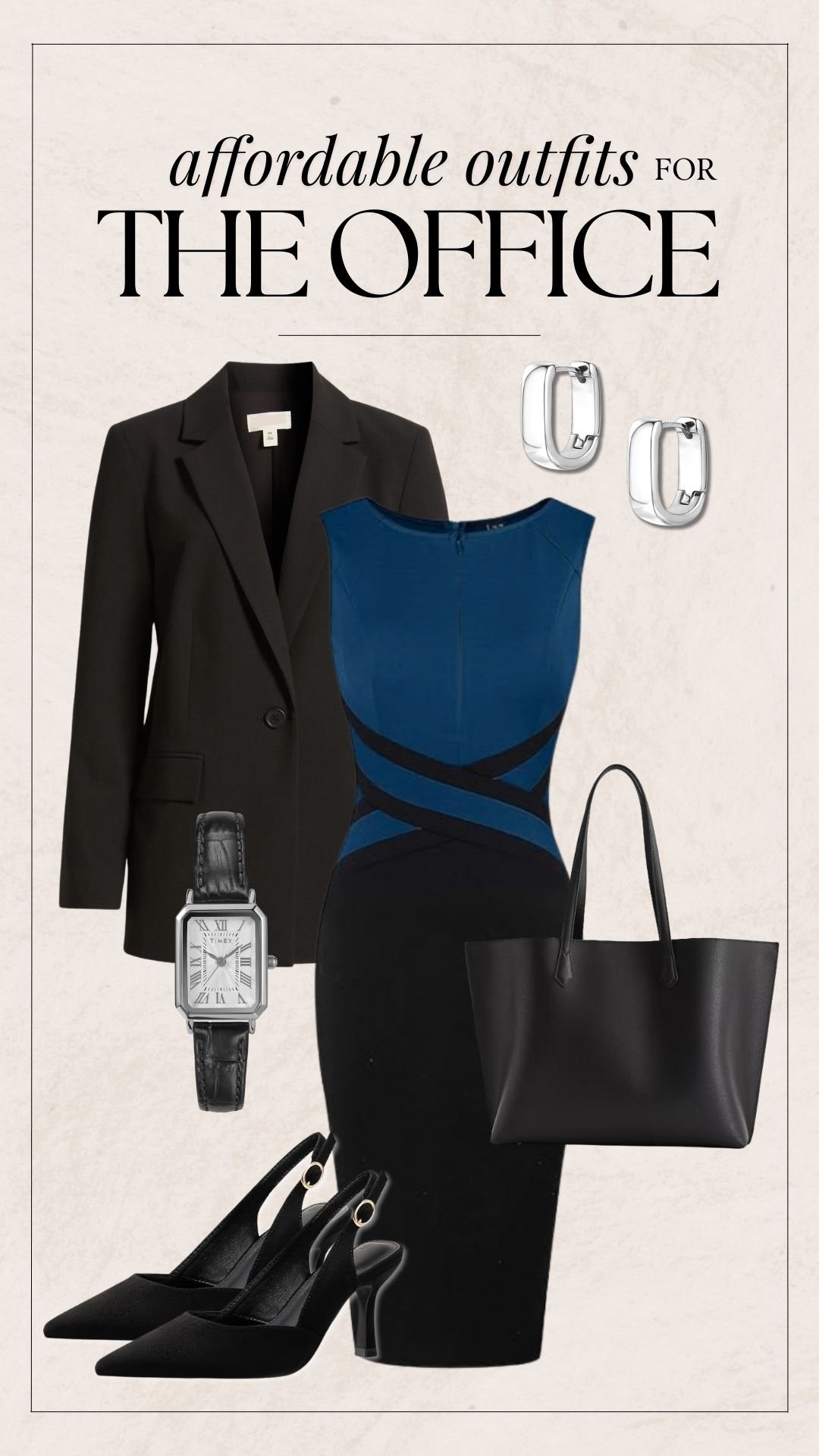
Watches with clean designs add a touch of professionalism. Scarves in light fabrics can add color and warmth. Choose bags that are big enough for your essentials, but not oversized.
Tip: Invest in quality basics. You can mix and match these pieces for different looks.
How To Build A Business Casual Wardrobe From Scratch
Starting a business casual wardrobe can be overwhelming. Here’s a step-by-step plan to help you:
- Audit your closet: Remove items that don’t fit the business casual style.
- Choose a color palette: Stick to neutrals like black, navy, white, and beige. Add one or two accent colors.
- Buy key pieces first: Start with pants, blouses, and a blazer.
- Add layers: Sweaters and cardigans for warmth and style.
- Pick comfortable shoes: Choose shoes you can wear all day.
- Accessorize: Keep it simple but elegant.
- Try combinations: Mix different pieces to find what works for you.
One important insight: Many beginners buy too many trendy items. Instead, focus on classic, versatile pieces. This helps you create more outfits with fewer clothes.
You can also build your wardrobe over time. Start with five to seven pieces and add new items as needed. If you are unsure about colors, buy basics in neutral shades, then add a few bright tops or scarves later.
It’s smart to try on different brands and fits. Not all sizes are equal, and tailoring a piece can make a big difference. Keep your receipts and try clothes at home with your existing wardrobe before deciding.
Business Casual Outfit Ideas For Different Seasons
Weather can change your business casual choices. Here are some outfit ideas for every season:
Spring
- Light blouses with cropped trousers
- A-line skirt with a cardigan
- Neutral flats
Try layering with a lightweight scarf or a trench coat for chilly mornings. Spring is also a good time to introduce pastel colors, such as mint or blush, for a fresh look. Floral prints can work if they are subtle and not too bold.
Summer
- Short-sleeved dresses (knee-length)
- Chinos with a sleeveless blouse
- Loafers or low heels
Choose breathable fabrics like linen or cotton to stay cool. Avoid sleeveless tops unless your office allows them, or layer with a light cardigan. Sandals are usually not recommended, but peep-toe shoes may be acceptable in some workplaces.
A tip: Keep a blazer or sweater at your desk for air-conditioned offices.
Fall
- Blazer over a soft sweater
- Tailored pants with a button-down shirt
- Leather loafers
Autumn colors like burgundy, olive, and mustard add warmth. Try layering with a wool scarf or wearing tights with skirts. Loafers and ankle boots are practical for rainy days.
You can also add a long-sleeve dress and layer with a cardigan or blazer for extra warmth.
Winter
- Wool skirt with tights and boots
- Thick sweater with dress pants
- Layered blazers
Look for insulated or lined pants. Choose boots that are sleek, not bulky. Layering is key: wear undershirts or thermal tops under blouses for extra warmth. Darker colors like navy, charcoal, and black are popular.
A tip: Keep gloves and a hat handy for your commute, but remove them in the office for a professional look.
Tip: Layering is key. Thin layers keep you comfortable and professional.

Credit: lifewithjazz.com
Business Casual For Different Workplaces
Business casual can look different depending on your industry. Here’s how it changes:
Corporate Offices
- Structured blazers and tailored pants
- Minimal jewelry
- Closed-toe shoes
Stick to classic colors and cuts. Avoid bold prints and flashy accessories. It’s better to be slightly overdressed than too casual in a corporate environment.
Creative Industries
- Bold colors or patterns
- Statement accessories
- Relaxed-fit trousers
You can experiment with trendy pieces, like wide-leg pants or unique jewelry. Show your personality but keep your look polished. For example, a bright blouse paired with black pants is creative yet professional.
Tech Startups
- Smart jeans (if allowed)
- Casual blouses
- Comfortable flats
Tech workplaces often allow jeans, but they should be dark, clean, and tailored. Pair jeans with a blazer or a structured sweater for balance. Sneakers may be allowed, but choose a pair that is clean and simple.
Education
- Soft cardigans
- Modest dresses
- Low heels
Comfort and modesty are important. Choose breathable fabrics for long days. Layering helps with changing classroom temperatures. Prints and colors can be more relaxed, but avoid anything too flashy.
Non-obvious insight: Always check your company’s dress code. Some offices allow jeans, others don’t.
Another tip: Observe what managers and senior staff wear. Their style often sets the tone for the office.
Common Business Casual Mistakes (and How To Avoid Them)
Many women make mistakes when adapting to business casual. Here are the most frequent pitfalls:
- Too casual: Avoid t-shirts, sweatpants, and flip-flops.
- Over-accessorizing: Keep jewelry simple.
- Ignoring fit: Baggy or tight clothes look unprofessional.
- Wrong shoes: Sneakers or sandals are usually not allowed.
- Visible undergarments: Choose tops that cover well.
- Neglecting grooming: Wrinkled clothes and messy hair can hurt your image.
Tip: Always check your outfit in the mirror before leaving home.
Some other mistakes include wearing clothes with visible logos or graphics, or forgetting to check for stains or holes. Another mistake: choosing fabrics that wrinkle easily or become see-through in sunlight.
A practical tip: Keep a lint roller and small sewing kit at work for emergencies.

Credit: pizzaneapolitanska.pl
How To Mix And Match Business Casual Clothes
Mixing and matching helps you create more outfits with fewer pieces. Here’s how to do it:
- Pair neutral pants with colorful blouses.
- Use a blazer to dress up a simple dress.
- Swap cardigans and sweaters for different looks.
- Change accessories to update your style.
You can use this simple formula:
- 1 blazer + 3 blouses + 2 pants + 1 skirt = 12 possible outfits
This approach saves money and time. Beginners often miss the value of neutral colors—they make mixing easier.
Another insight: Layering different textures, such as a cotton blouse with a wool blazer, adds depth to your outfits. You can also use belts or scarves to change the look of a dress or top.
Try planning your outfits for the week on Sunday evening. This helps you avoid stress in the morning and ensures you use all your wardrobe pieces.
Business Casual Outfit Examples
Here are some practical outfit combinations:
- White blouse + black trousers + navy blazer + loafers
- Patterned blouse + beige chinos + cardigan + ballet flats
- Knee-length dress + tailored blazer + low heels
- Soft sweater + pencil skirt + structured bag
- Button-down shirt + cropped trousers + leather belt + loafers
Each outfit fits the business casual style and can be adjusted with accessories or layers.
For extra ideas, try adding a silk scarf to the first look or wearing a thin watch with the third. Swap ballet flats for ankle boots in winter, or add a statement necklace when you want a pop of color.
Data Table: Popular Business Casual Items For Women
To help you see which items are most popular, here’s a comparison:
| Item | Popularity | Versatility | Comfort |
|---|---|---|---|
| Blazer | High | High | Medium |
| Dress pants | High | High | High |
| Cardigan | Medium | High | High |
| Pencil skirt | Medium | Medium | Medium |
| Ballet flats | High | High | High |
| Button-down shirt | High | High | Medium |
Business Casual Color Combinations
Choosing the right colors can make your outfits look more professional. Here are some tested color combinations:
- Navy + white + beige
- Black + gray + blush
- Tan + olive + cream
- Blue + camel + white
- Burgundy + navy + cream
Tip: Limit bold colors to one item per outfit to keep your look balanced.
You can also use color blocking, which pairs solid colors together for a modern look. If you want to try prints, mix them with neutral pieces to avoid looking too busy.
Remember, darker colors are easier to match and tend to look more formal. If you’re unsure, start with one accent color and build around it.
Credit: www.swiftwellnessmag.com
Practical Tips For Shopping Business Casual
Shopping for business casual clothes is easier with a strategy:
- Set a budget: Decide how much you want to spend.
- Prioritize fit: Try clothes before buying.
- Check fabric: Choose breathable and easy-care materials.
- Buy basics first: Build from classic pieces.
- Watch for sales: Quality items often go on discount.
- Read reviews: Learn from other buyers.
- Visit reliable stores: Some brands specialize in workwear.
One insight: Many new shoppers ignore fabric care. Choosing easy-to-wash materials saves time and money.
Another tip: Shop online for variety, but always check return policies. You may need to try several sizes to find the right fit. Ask friends or colleagues for recommendations on brands that suit your body type.
Business Casual For Plus Size Women
Business casual is for everyone. Here are tips for plus size women:
- Look for tailored shapes—they flatter your body.
- Choose stretch fabrics for comfort.
- Avoid oversized clothes; they can look sloppy.
- Try vertical stripes to elongate your figure.
- Invest in quality pants and blazers.
Tip: Brands now offer more plus size options. Don’t settle for poor fit.
A practical idea: Consider wrap dresses or peplum tops, which accentuate your waist. Choose blazers that nip in at the waist or have a single button. Avoid heavy fabrics that add bulk.
Accessories matter, too. Choose medium-sized bags and jewelry that match your proportions.
How To Dress Business Casual On A Budget
You don’t need to spend a lot to look business casual. Here’s how:
- Shop sales and outlets
- Buy secondhand: Thrift stores often have workwear.
- Mix high and low: Pair affordable basics with one quality piece.
- Reuse outfits: Change accessories for variety.
Non-obvious insight: Borrowing or swapping clothes with friends is a smart, low-cost solution.
You can also sell or donate clothes that no longer fit or suit your style. This helps you make room for new, better-fitting pieces.
A practical tip: Focus on items you’ll wear often, like pants and blouses. Spend less on trendy or statement items.
Data Table: Cost Comparison Of Popular Business Casual Brands
Here’s a comparison of average prices for business casual items from different brands:
| Brand | Pants | Blazer | Blouse | Shoes |
|---|---|---|---|---|
| Banana Republic | $80 | $160 | $60 | $100 |
| Ann Taylor | $75 | $140 | $55 | $95 |
| H&M | $35 | $50 | $25 | $30 |
| Target | $28 | $40 | $20 | $25 |
Tip: Combine affordable basics with one high-quality item for a polished look.
You can also look for coupons or join loyalty programs to save money.
How To Adjust Business Casual For Remote Work
Working from home changes how you dress, but business casual still matters:
- Choose comfortable pants or leggings, but pair with a nice blouse.
- Keep a blazer or cardigan handy for video calls.
- Wear minimal jewelry.
- Pick shoes you can slip on quickly if needed.
Non-obvious insight: Dressing business casual at home can boost productivity and help you feel more focused.
Another tip: Set aside a few “work only” outfits to help your brain switch to work mode. Avoid working in pajamas or gym clothes, even if you’re not on video.
If you have frequent video meetings, focus on the upper half of your outfit. Bright colors or interesting collars look good on camera.
Business Casual For Women Of Different Ages
Business casual is flexible for all ages. Here are some ideas:
Young Professionals
- Modern cuts and soft colors
- Simple accessories
Try slim-fit trousers, soft blouses, and fun but subtle jewelry.
Mid-career
- Structured blazers
- Classic trousers and skirts
Choose timeless pieces, like shift dresses or pencil skirts. Add a silk scarf or leather bag for sophistication.
Senior Professionals
- Elegant dresses
- Neutral color palette
Opt for tailored suits, high-quality fabrics, and tasteful jewelry. Comfort is key, but avoid anything too relaxed.
Tip: Adjust style to fit your role and comfort.
A second insight: Age is less important than fit and confidence. Choose pieces that reflect your personality and experience.
Sustainability And Ethical Choices In Business Casual
Many women now care about sustainability. Here’s how to shop ethically:
- Choose brands with fair labor practices.
- Buy fewer, quality pieces.
- Select natural fabrics like cotton or wool.
- Avoid fast fashion.
Non-obvious insight: Renting clothes for work events is a sustainable option. For more on ethical shopping, see Good On You.
You can also buy secondhand or swap clothes with friends. Look for certifications like OEKO-TEX or Fair Trade. Choose timeless styles so you keep items longer.
Data Table: Sustainable Fabrics For Business Casual
Here’s a comparison of popular sustainable fabrics:
| Fabric | Comfort | Durability | Eco-Friendly |
|---|---|---|---|
| Organic Cotton | High | Medium | High |
| Bamboo | High | Medium | Medium |
| Wool | Medium | High | High |
| Linen | High | Medium | Medium |
How To Maintain Your Business Casual Wardrobe
Taking care of your clothes is essential:
- Wash according to label instructions.
- Iron or steam to remove wrinkles.
- Store in a dry place.
- Rotate items to avoid wear.
Tip: Use gentle detergents for delicate fabrics.
A second insight: Hanging clothes immediately after washing reduces wrinkles and keeps shapes intact. For delicate fabrics, fold instead of hang to avoid stretching.
If you wear items often, invest in a fabric shaver to remove pills from sweaters. Keep your shoes clean and polish leather regularly.
Business Casual Accessories: Final Touches
Accessories can make your outfit pop:
- Leather tote bags
- Thin scarves
- Simple watches
- Minimalist jewelry
Avoid large or noisy accessories. Keep it professional.
Try swapping scarves for necklaces or using a brooch for a unique touch. Choose bags that fit your laptop or documents if needed.
A tip: Don’t overlook hair accessories, like simple clips or bands, to keep your hair tidy.
Frequently Asked Questions
What Is The Difference Between Business Casual And Smart Casual?
Business casual is more formal than smart casual. Business casual includes tailored pants, skirts, blouses, and blazers. Smart casual allows jeans, trendy tops, and more relaxed shoes. Always check your office dress code.
Can I Wear Jeans In A Business Casual Setting?
It depends on your company. Some offices allow dark, tailored jeans. Avoid distressed or ripped jeans. Pair with a blazer and formal shoes for a more professional look.
Are Open-toed Shoes Acceptable In Business Casual?
Usually, closed-toe shoes are preferred. Some offices may allow peep-toe heels or sandals. Check your company’s policy and consider the season.
How Can I Make My Business Casual Outfit More Stylish?
Add statement accessories, choose interesting colors or patterns, and experiment with layers. A unique bag or scarf can make your look stand out while staying professional.
What Are The Best Fabrics For Business Casual Clothing?
Cotton, wool, and blended fabrics are best. They are breathable, comfortable, and easy to care for. Avoid fabrics that wrinkle easily or feel too stiff.
Business casual for women is about finding the right mix of style, comfort, and professionalism. By choosing versatile pieces, focusing on fit, and knowing your workplace culture, you can create outfits that help you feel confident and ready for anything.
Remember, business casual is not just about clothes—it’s about showing your best self every day.
