

Are Business Casual Outfits Still Relevant in 2024?
Are Business Casual Outfits Still Relevant Today?
Workplaces are changing fast. Dress codes that were strict in the past have become more flexible. One style that stands between formal and casual is business casual. Many people ask if business casual is still important, or if it is fading as companies move toward relaxed dress codes. This article explores what business casual means, how it fits modern workplaces, and why it matters. We will look at its history, how to dress business casual, and what mistakes to avoid. You will see examples, comparisons, and practical advice to help you feel confident in any office setting.
Understanding Business Casual
The term business casual can be confusing. It is not as formal as a suit and tie, but it is more polished than jeans and a t-shirt. Business casual is a mix of comfort and professionalism. It aims to look smart without being stiff.
In most cases, business casual includes:
- Collared shirts, like button-downs or polos
- Dress pants or khakis
- Blouses or tops with simple patterns
- Closed-toe shoes, like loafers or flats
- Sweaters or blazers (optional)
These items are chosen to signal that you are ready for work, but not overdressed. For example, a well-fitted pair of khakis and a crisp polo shirt can look neat, but still allow you to move easily. Blouses with small patterns or solid colors add interest without drawing too much attention.
What is not considered business casual:
- T-shirts with logos or graphics
- Athletic wear
- Ripped jeans
- Sneakers (unless they are very clean and minimal)
- Flip-flops or sandals
Some companies are starting to allow clean sneakers, but this is still rare in traditional offices. Athletic wear, like hoodies or yoga pants, is almost always too casual. Even small details, like visible socks with bright colors, can make an outfit look less professional.
The details can vary by company or country. In creative offices, you may see more relaxed choices. In finance or law, the style is closer to business formal. For example, a tech startup may let employees wear smart jeans with a blazer, while an accounting firm expects dress pants and button-down shirts.
Why Business Casual Emerged
Business casual became popular as companies wanted to attract talent who valued comfort. It helped employees feel relaxed and creative, but still showed respect for the workplace. Over time, business casual became the standard in many industries, except for those needing strict uniforms.
Some companies noticed that strict dress codes made people feel stressed or distracted. Business casual allowed employees to focus on work, not worry about ties or suits. It also helped companies seem modern and flexible, especially to younger workers.
Business Casual Vs. Other Dress Codes
Let’s compare business casual, business formal, and casual in a simple table:
| Dress Code | Typical Items | Formality Level |
|---|---|---|
| Business Formal | Suits, ties, dress shoes, formal skirts | Highest |
| Business Casual | Collared shirts, dress pants, blouses, flats | Medium |
| Casual | Jeans, t-shirts, sneakers, sandals | Lowest |
Business casual is the middle ground. It is professional enough for meetings, but comfortable for daily work. Casual dress is fine for weekends or creative jobs, but can look sloppy in serious settings.
The Role Of Business Casual In Modern Workplaces
Some people think business casual is becoming less important. But it still plays a big role in many offices. While tech companies and startups may allow jeans and t-shirts, most professional environments expect a balance of comfort and respect.
Why Business Casual Still Matters
- First impressions: Dressing business casual shows you care about how you present yourself. When meeting clients or coworkers, your outfit is one of the first things they notice.
- Company image: If everyone dresses too casually, clients may think the company is not serious. Business casual helps set a professional tone without being too formal.
- Flexibility: It allows employees to feel comfortable without looking sloppy. People can focus on their work, not their outfit.
- Adaptability: Business casual is easy to adjust for meetings, interviews, and events. With a blazer or nicer shoes, you can quickly upgrade your look.
A survey by LinkedIn found that over 60% of professionals believe that business casual is the best dress code for productivity and comfort. Most companies keep business casual for daily work, and save formal dress for special occasions.
Many managers say that business casual helps teams feel united. There is less pressure to buy expensive suits, but everyone looks tidy. Some companies even use business casual as a way to build trust, allowing people to choose their own style within clear limits.
Industry Differences
Business casual is common in:
- Marketing and advertising
- Education
- Healthcare (outside clinical areas)
- IT and tech (sometimes more relaxed)
It is less common in:
- Law firms
- Government offices
- High-level finance
Some companies mix dress codes. For example, employees may dress business casual most days but wear formal clothes for client meetings. This mix helps balance comfort with professionalism.
In some hospitals, business casual is used for office staff, while doctors and nurses wear uniforms. In government settings, stricter dress codes are often required to signal authority and reliability.
How To Dress Business Casual: Practical Guide
Choosing business casual outfits can be tricky. People want to look professional, but also feel comfortable. Here’s how to build a business casual wardrobe for both men and women.
Men’s Business Casual
Common items:
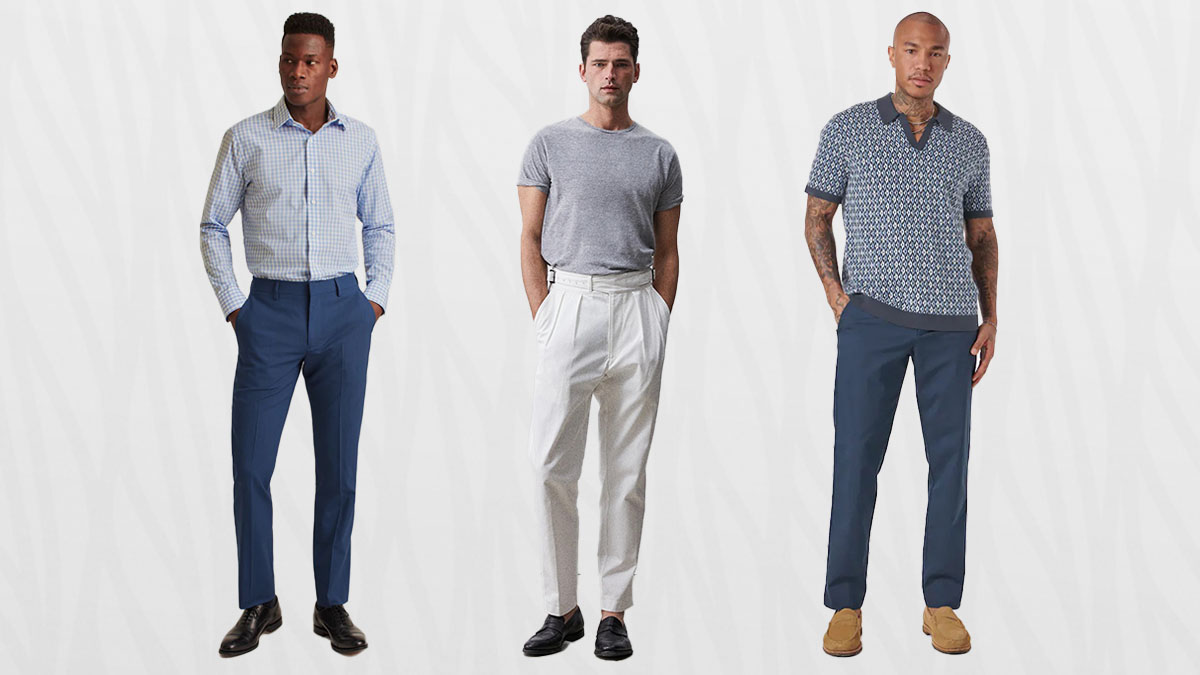
- Dress shirts: Solid colors or subtle patterns. Light blue, white, or gray are popular choices.
- Polo shirts: For more relaxed days. Choose polos made of quality fabric.
- Dress pants: Khakis, chinos, or tailored trousers. Avoid pants with cargo pockets.
- Sweaters: V-neck or crewneck, plain or with minimal designs. Layer over a shirt for extra polish.
- Blazers: Optional, adds polish. Navy or charcoal are easy to match.
- Shoes: Leather loafers, oxfords, or clean dress boots. Avoid shoes with bright colors or athletic designs.
Accessories for men should be simple. A leather belt and a watch are enough. Avoid flashy cufflinks or loud ties.
Women’s Business Casual
Common items:
- Blouses: Simple, not too flashy. Look for soft fabrics like cotton or silk blends.
- Dress pants or skirts: Knee-length or longer. Pencil skirts and tailored pants are safest.
- Sweaters: Cardigans, pullovers, or light blazers. Neutral colors work best.
- Shoes: Flats, loafers, or low heels. Avoid open-toe shoes unless your workplace allows.
- Accessories: Simple jewelry, scarves. Small earrings or a delicate necklace add polish.
Women can also wear dresses, but avoid anything too short or tight. Patterns should be small or subtle.
What To Avoid
- Too much skin: Avoid short skirts, low-cut tops. Even sleeveless tops can be risky unless covered by a blazer.
- Loud colors or patterns: Stick to neutral or soft tones. Bright red, neon, or animal prints are best left for weekends.
- Overly casual items: No athletic wear, graphic tees, or ripped jeans. Hoodies and sweatshirts are never business casual.
Example Outfits
For men:
- Light blue dress shirt, charcoal trousers, brown loafers
- White polo, navy chinos, gray sweater, black dress shoes
For women:
- White blouse, beige dress pants, navy cardigan, black flats
- Light pink sweater, gray skirt, simple necklace, brown loafers
You can add a blazer for meetings, or switch to darker colors in winter. If you need to move from work to dinner, a change of shoes or an accessory can transform your look.
Non-obvious Tips
- Fit matters more than brand: Even simple clothes look professional if they fit well. Poorly fitting clothes can make you look messy, even if expensive.
- Layering can upgrade your look: Adding a blazer or sweater makes casual items look smarter. Try a lightweight scarf or a vest for extra style.
Some people think business casual is only about buying new clothes. In reality, you can use what you have. For example, a clean pair of dark jeans and a tucked-in shirt can sometimes work if your office allows.
Business Casual Around The World
Business casual is not the same everywhere. What counts as business casual in the US may be too relaxed in Japan or too formal in Italy. Understanding cultural differences helps avoid mistakes.
Regional Differences
- Europe: In countries like France or Germany, business casual is closer to formal. Men often wear jackets, and women stick to tailored pants or skirts. Accessories are kept minimal, and shoes are always polished.
- Asia: In Japan, business casual can mean dress shirts and slacks, but never jeans. In India, traditional attire may be accepted. Offices in China often expect darker colors and closed shoes.
- Australia: Business casual tends to be more relaxed, with polos and chinos common. In warmer regions, short-sleeved shirts are allowed.
Some companies provide guidelines to help employees choose. Still, it’s wise to check with HR or ask colleagues if unsure. You may even see written dress codes posted in the office or on company websites.
Traveling For Work
If you travel for business, pack a mix of items. Choose basics that can be dressed up or down. Neutral colors work well. For meetings, bring a blazer or formal shoes, even if the office is casual.
If you visit a new country, observe what others wear before choosing your outfit. Many people make mistakes by assuming their home country’s rules are the same everywhere.

Credit: www.sumissura.com
Business Casual For Remote Work
Remote work has changed dress codes. Many people work from home in pajamas or sweats. But video calls and virtual meetings still require a business casual appearance.
Why Dress Up For Video Calls
- Shows respect for others. Even if you are at home, your team expects a professional image.
- Helps you feel more professional and focused. Clothes can influence your mood and productivity.
- Sets boundaries between work and home. Changing into work clothes signals that you are ready to focus.
Some experts say dressing business casual for remote work boosts productivity. Wearing a collared shirt or blouse, even with jeans off-camera, can make you feel ready for work.
Practical Tips
- Keep a blazer or sweater nearby for quick video meetings. You can put it on in seconds and look polished.
- Choose tops in solid colors, which look better on camera. Patterns can be distracting or hard to see.
- Avoid noisy jewelry or distracting patterns. Large earrings or necklaces may catch the light and pull attention away from your face.
If you work from home, keep your workspace tidy. Background clutter can make even the best outfit look less professional.
Common Mistakes In Business Casual
Many people think business casual means “wear anything but a suit. ” This leads to mistakes. Knowing what to avoid helps you make the right impression.
Mistakes To Watch Out For
- Too casual: Wearing jeans, sneakers, or t-shirts without checking company rules. Not all offices allow these items.
- Poor fit: Baggy or tight clothes look unprofessional. Clothes should follow the shape of your body without clinging.
- Ignoring grooming: Messy hair or dirty shoes can ruin your look. Personal hygiene is as important as clothing.
- Over-accessorizing: Too much jewelry or loud colors distract from your professionalism. Less is more.
- Not adapting: Wearing the same outfit everywhere, without adjusting for meetings or events. Change your look for important occasions.
How To Fix These Mistakes
- Always check your company’s dress code. Ask HR or read guidelines.
- Invest in basic items that fit well. Tailoring can help.
- Keep your look neat and simple. Iron your clothes and polish your shoes.
- Adapt your outfit for important occasions. Bring a blazer or switch to darker colors for meetings.
Many beginners miss the importance of grooming. Clean nails, tidy hair, and ironed clothes make a huge difference, even with simple outfits.

Credit: www.youtube.com
Business Casual For Different Body Types
Finding business casual clothes that fit your body can be hard. Many people struggle to look professional if clothes are too tight or loose. Here’s how to dress for different body types.
Tips For Men
- Tall men: Choose longer shirts and pants. Avoid short jackets. Tall brands or custom tailoring can help.
- Short men: Avoid baggy clothes. Choose clothes that fit close to the body. Shorter jackets create a balanced look.
- Broad shoulders: Look for shirts with room in the chest. Avoid tight sleeves. Stretch fabrics may be more comfortable.
Tips For Women
- Curvy figures: Look for blouses with structure, and skirts that fit at the waist. Wrap dresses and high-waist pants flatter curves.
- Petite women: Choose shorter jackets, and avoid long pants that drag. Cropped pants and fitted tops create shape.
- Athletic build: Soft fabrics and layers add shape. A belt or scarf can highlight your waist.
Non-obvious Insight
Many stores offer free tailoring. A simple adjustment can make cheap clothes look expensive and professional. Sleeves, pant legs, or waistlines can be altered for better fit.
Business Casual And Gender Expression
Business casual can be tricky for people who do not fit traditional gender categories. Some workplaces are more open to flexible styles. Others expect men and women to dress in certain ways. Here’s what helps:
- Ask HR if you can mix styles (for example, wearing pants or skirts regardless of gender)
- Choose neutral colors and classic items
- Make sure your clothes fit well and look clean
Most companies now accept a range of styles. If you feel unsure, talk to your manager or HR about what is allowed. Some offices even offer gender-neutral dress codes.
A non-obvious tip: Accessories can help express your style without breaking dress code rules. Watches, scarves, or pins are small ways to personalize your outfit.
Business Casual In Job Interviews
Many people ask what to wear for interviews. Business casual is a safe choice for most interviews, unless told otherwise. Here’s how to dress:
- Men: Collared shirt, dress pants, clean shoes, optional blazer
- Women: Blouse, dress pants or skirt, simple shoes
Avoid jeans, sneakers, or flashy accessories. Dressing business casual shows you respect the company and want to fit in.
Extra Tip
Research the company’s dress code before your interview. If unsure, dress slightly more formal. Being overdressed is better than being underdressed.
Another insight: If the interview is virtual, make sure your background is tidy and your outfit looks good on camera. Bright lights can make light-colored clothes look washed out.
Business Casual For Special Events
Sometimes, you need business casual for events like company dinners, networking, or conferences. Here’s how to adjust:
- Add a blazer or jacket for extra polish. Even a simple outfit looks better with a structured piece.
- Choose darker colors for evening events. Navy, black, or charcoal look more formal.
- Wear simple accessories, like a watch or scarf. Avoid anything too shiny or noisy.
If the event is outside the office, check the invitation for dress code hints. Phrases like “business casual” or “smart casual” can signal what to wear.
Cost And Value Of Business Casual
Business casual outfits do not have to be expensive. You can build a wardrobe with a few key items. Here’s how to spend wisely:
Essential Items
- 3–4 dress shirts or blouses
- 2 pairs of dress pants or skirts
- 1–2 sweaters or blazers
- 2 pairs of shoes
Mix and match to create different looks. Quality matters more than quantity. Avoid buying too many items that do not fit well.
How Much Should You Spend?
Average prices for business casual items:
| Item | Average Price Range | Tips for Saving |
|---|---|---|
| Dress Shirt/Blouse | $30–$80 | Buy in sets, look for sales |
| Dress Pants/Skirt | $40–$100 | Choose neutral colors to match more items |
| Sweater/Blazer | $50–$150 | Invest in one good blazer |
| Shoes | $60–$120 | Choose classic styles |
You can find good deals at outlet stores, online sales, or secondhand shops. Many people overlook thrift stores, but you can find quality items at low prices. Look for brands with good reputation for durability.
Business Casual Vs. Smart Casual
Many people confuse business casual with smart casual. The differences are small but important. Here’s a comparison:
| Aspect | Business Casual | Smart Casual |
|---|---|---|
| Occasion | Office, meetings | Social events, dinners |
| Clothing | Collared shirts, dress pants | Stylish shirts, dark jeans, dressy shoes |
| Formality | Medium | Medium-low |
| Accessories | Simple, classic | Trendy, bold |
Smart casual allows more creativity, but business casual is safer for work. For example, you can wear dark jeans and a trendy jacket for smart casual, but stick to dress pants and simple shirts for business casual.
Credit: www.insidehook.com
Future Of Business Casual
Will business casual disappear as workplaces get more relaxed? Not likely. Many companies value balance. Business casual will change, but not vanish. You may see more flexible rules, or new combinations of styles. What matters is looking neat and respectful.
Trends To Watch
- More acceptance of sneakers and jeans (if clean and simple)
- Sustainable fabrics and ethical brands
- Gender-neutral styles
- Tech-friendly clothing (like shirts with built-in pockets)
Staying informed helps you adapt. If your company changes its dress code, update your wardrobe slowly. Watch for new rules in your industry, and ask coworkers what they wear.
Non-obvious Insight
Some companies use “dress for your day” rules. If you have important meetings, dress business casual or formal. For normal days, you can relax more. This allows flexibility and shows trust in employees.
Another tip: As remote work grows, more companies use video meetings for training or interviews. Always keep one business casual outfit ready, even if you mostly work from home.
Frequently Asked Questions
What Is Business Casual?
Business casual is a dress code that mixes professional and comfortable clothing. It includes items like collared shirts, dress pants, blouses, skirts, and closed-toe shoes. It avoids jeans, t-shirts, and athletic wear.
Can I Wear Jeans For Business Casual?
Usually no. Most companies do not allow jeans as part of business casual. If jeans are allowed, they should be dark, clean, and without rips. Always check your company’s dress code.
Is Business Casual The Same Everywhere?
No. Business casual can mean different things in different countries or industries. For example, business casual in a law firm is more formal than in a tech startup. When traveling or starting a new job, ask about the dress code.
How Can I Build A Business Casual Wardrobe On A Budget?
Buy a few basic items that match each other. Choose neutral colors and classic styles. Look for sales, shop at outlets, or try secondhand stores. Fit is more important than brand.
Does Business Casual Matter In Remote Work?
Yes. Dressing business casual for video calls or important meetings shows respect and professionalism. Even if you work from home, dressing up can help you focus and feel more productive.
Business casual is not just about clothes. It is about showing you care for your work and your team. As workplaces change, business casual remains a key way to balance comfort and professionalism. If you want more tips, check resources like Business News Daily for expert advice.
