

Best Sneakers to Wear for Zumba: Top Picks for Every Dancer
Dancing to Latin rhythms, sweating, and moving your whole body—Zumba is more than a workout; it’s an experience. But the wrong shoes can turn this fun class into a pain, causing blisters, sore feet, or even injuries. Many people new to Zumba think any sneaker will do. This is a common mistake. In reality, the best sneakers for Zumba are made for quick turns, jumps, and energetic moves, all while protecting your feet and joints.
Choosing the right footwear is not just about comfort. It’s about safety, performance, and enjoyment. The wrong pair can slow you down or even make you quit. The right sneakers will help you move freely, prevent pain, and keep you coming back to class.
Below, you’ll find a detailed look at what makes a great Zumba sneaker, what features to look for, and a handpicked list of the best options available. Each shoe is chosen for its performance, comfort, and suitability for Zumba. You’ll also find tips on how to choose, what mistakes to avoid, and answers to common questions.
Whether you’re a beginner or a regular, you’ll know exactly what to wear for your next class.
Why Ordinary Sneakers Don’t Work Well For Zumba
Zumba is unique. It mixes dance with fitness, requiring you to move in all directions, pivot, and sometimes jump. Regular running shoes are built for forward motion, not side-to-side moves or spins. Their thick treads and stiff soles can catch on the floor, making it hard to turn and increasing your risk of injury.
Training shoes may be better, but not all have the flexibility or grip needed for Zumba.
Many people assume cushioned running shoes are enough. But these are designed to absorb shock from running, not handle twists, pivots, or fast lateral movements. In Zumba, you need shoes that:
- Allow smooth turns and spins
- Support side-to-side moves
- Offer enough cushion for jumping
- Stay secure during fast footwork
Wearing the wrong shoes can lead to knee pain, ankle twists, or even falls. It also makes moves feel less fun and more awkward. That’s why choosing the right sneakers for Zumba is essential.
What To Look For In Zumba Sneakers
If you want to dance safely and comfortably, focus on these key features:
Lightweight Build
Zumba involves constant movement. Heavy shoes tire your feet and legs, making it harder to keep up. Lightweight sneakers help you move quickly and easily, so you can enjoy every beat.
Flexibility
Look for shoes that bend easily at the ball of the foot. Flexible soles let you point your toes, jump, and twist without restriction. Stiff soles can make your feet ache and reduce your range of motion.
Pivot Point
A pivot point is a small circle on the sole, often under the ball of the foot. This feature helps you turn and spin smoothly without gripping the floor too much. Lack of a pivot point increases the risk of knee twists and makes spins difficult.
Cushioning And Shock Absorption
Zumba includes a lot of jumping and bouncing. Good cushioning protects your joints and makes landings softer. But avoid shoes that are too soft or squishy, as they can reduce stability.
Breathability
With all the sweat, your feet need to breathe. Mesh uppers or ventilated panels help keep your feet cool and reduce odor.
Secure Fit
Your shoes should hug your feet without slipping. Lace-up designs or snug elastic bands keep shoes in place during fast moves.
Traction
You want enough grip to avoid slipping, but not so much that you can’t spin. Moderate traction is best—look for soles with a mix of grip and smoothness.
Support
Zumba puts stress on your ankles and arches. Lateral support (support on the sides of the shoe) helps prevent rolling or twisting your ankle. Good arch support keeps your feet from getting tired.
Insider Tip: Many beginners overlook the importance of the pivot point and choose shoes with too much grip. This can strain your knees. If you notice your shoes “stick” to the floor, they’re probably not right for Zumba.
Best Sneakers To Wear For Zumba
Below is a carefully selected list of the top sneakers for Zumba. Each option is explained in detail, covering pros, cons, and why it’s a good choice for dance fitness.
1. Ryka Influence
Ryka is a brand known for women’s fitness shoes. The Ryka Influence is a favorite in Zumba studios for good reason. It features a lightweight design, a strong pivot point, and dual-density foam for shock absorption. The shoe is built with a narrower heel and wider forefoot, fitting the female foot perfectly.
Why it’s great:
- The pivot point makes spins easy.
- Breathable mesh keeps feet cool.
- Excellent lateral support prevents ankle rolls.
Drawbacks:
- Some find the arch support too high.
- Not as suitable for wide feet.
Pro Insight: If you have a high arch, this shoe is especially comfortable.
2. Nike Air Zoom Superrep
Designed for high-intensity classes, the Nike Air Zoom SuperRep offers thick, responsive cushioning and a wide base for stability. The split sole design allows better flexibility, and the mesh upper keeps your feet cool.
Why it’s great:
- Thick foam absorbs shock during jumps.
- Wide sole gives extra stability.
- Pivot point helps with turns.
Drawbacks:
- May feel bulky for those with narrow feet.
- Higher price compared to basic trainers.
Non-obvious tip: The split sole also reduces foot fatigue after long classes.
3. Asics Gel-fit Sana
The Asics Gel-Fit Sana is loved for its sock-like fit and super flexible sole. It uses Asics’ Gel cushioning to absorb impact and has a low profile, keeping you close to the ground for better control.
Why it’s great:
- Flexible and lightweight.
- Gel cushioning protects joints.
- Fits like a glove.
Drawbacks:
- Not ideal for outdoor use.
- Limited ankle support.
Extra insight: This shoe is great for those who prefer to feel the floor and want maximum flexibility.
4. Bloch Boost Drt
Bloch is a dance brand, and the Boost DRT is made specifically for dance fitness. It has a split sole, strong arch support, and a built-in pivot point. The shoe is designed for quick movements and pivots.
Why it’s great:
- Designed just for dancing.
- Excellent pivot and flexibility.
- Strong arch support.
Drawbacks:
- Narrow fit—may not suit wide feet.
- Less cushion than running shoes.
Insider Tip: This shoe is a top pick for instructors who lead several classes a day.
5. Adidas Puremotion Adapt
With its slip-on design and snug fit, the Adidas Puremotion Adapt is easy to put on and off. The foam midsole absorbs shock, and the mesh upper improves breathability. It’s lightweight and supports side-to-side moves well.
Why it’s great:
- No laces—easy to wear.
- Good for quick, multidirectional moves.
- Breathable and lightweight.
Drawbacks:
- Not much ankle support.
- May slip if your feet are narrow.
Pro Insight: If you dislike tying laces or change shoes quickly, this is a practical choice.
6. Puma Tazon 6 Fm
The Puma Tazon 6 FM offers a sleek look with solid support. It features a stable base, moderate cushioning, and a soft sockliner for comfort. While not made just for dance, its balance of support and flexibility makes it a good choice for Zumba.
Why it’s great:
- Stable and supportive.
- Decent shock absorption.
- Durable for regular use.
Drawbacks:
- Heavier than most dance shoes.
- Less flexible than dedicated dance sneakers.
Extra tip: This is a good all-rounder if you use the same sneakers for gym and Zumba.
7. Capezio Ds24 Rockit
Capezio is well-known in the dance world. The DS24 Rockit features a lightweight mesh upper, split sole, and built-in pivot point. The shoe is flexible and allows for a full range of motion.
Why it’s great:
- Excellent for spins and pivots.
- Very flexible sole.
- Breathable and light.
Drawbacks:
- Runs small—order up a size.
- Minimal arch support.
Pro Insight: Great for those who want a classic dance feel in their Zumba shoes.
8. Under Armour Hovr Rise
The Under Armour HOVR Rise is built for cross-training but works well for Zumba. Its HOVR foam technology gives a responsive, cushioned feel, and the outsole has a smooth pivot point for easy spins.
Why it’s great:
- Responsive cushioning.
- Good for jumping and quick moves.
- Durable and stylish.
Drawbacks:
- Slightly stiff at first—needs breaking in.
- Price is higher than some dance shoes.
Non-obvious benefit: The shoe’s energy return helps reduce leg fatigue in long classes.
9. Zumba Air Funk
Made by the official Zumba brand, the Zumba Air Funk is designed for the dance floor. It features an air-cushioned heel, flexible sole, and pivot point. The shoe is lightweight and colorful, with a focus on comfort.
Why it’s great:
- Designed for Zumba specifically.
- Air heel absorbs shock.
- Fun, vibrant styles.
Drawbacks:
- Less arch support than some.
- Not ideal for outdoor wear.
Insider Tip: If you love matching your outfit to your mood, this shoe’s color options are a bonus.
10. Reebok Guresu 2.0
The Reebok Guresu 2.0 is a training shoe with a flexible sole and a pivot point. It offers good lateral support and a snug fit, making it suitable for fast dance movements.
Why it’s great:
- Flexible and supportive.
- Good grip for dance floors.
- Modern look.
Drawbacks:
- Not very breathable.
- Might feel tight for wide feet.
Extra tip: This shoe is best for those with narrow to medium feet who want both style and function.
11. Nike Flex Tr
The Nike Flex TR series is designed for training and group fitness. It features a lightweight mesh upper, flexible sole, and enough support for side-to-side moves.
Why it’s great:
- Light and breathable.
- Flexible for quick changes of direction.
- Secure fit.
Drawbacks:
- Less cushion than running shoes.
- Some find the toe box too narrow.
Non-obvious insight: The shoe’s flat sole helps with balance in complex steps.
12. Ryka Devotion Xt
Another strong choice from Ryka, the Devotion XT focuses on comfort and stability. It features RE-ZORB foam for shock absorption, a secure upper, and a pivot point.
Why it’s great:
- Soft yet stable cushioning.
- Good for high-impact classes.
- Pivot point for easy spins.
Drawbacks:
- Style is more basic.
- Runs small for some users.
Pro Insight: The foam holds up well after months of classes—an area where many shoes fail.
13. Capezio Fierce Ds11
The Capezio Fierce DS11 is a split-sole dance sneaker with a built-in arch support and pivot point. It’s built for intense dance sessions and is very flexible.
Why it’s great:
- Super flexible.
- Good for advanced dancers.
- Lightweight.
Drawbacks:
- Minimal shock absorption.
- Narrow fit.
Insider Tip: If you focus on Latin dance Zumba styles, this shoe’s flexibility is a big advantage.
14. Asics Gel-quantum 90
The ASICS Gel-Quantum 90 combines comfort with support. The gel cushioning system reduces shock, and the outsole is flexible enough for dance moves.
Why it’s great:
- Excellent shock absorption.
- Comfortable for long sessions.
- Durable.
Drawbacks:
- Not as lightweight as dance-specific shoes.
- Bulkier design.
Extra insight: This shoe is good for those who need extra protection for knees and ankles.
15. Nike Free Rn
The Nike Free RN series is known for its natural, barefoot-like feel. It offers flexibility and light weight, with a mesh upper for breathability.
Why it’s great:
- Flexible sole for natural movement.
- Light and breathable.
- Snug, adaptive fit.
Drawbacks:
- Less lateral support.
- Not for people with flat feet.
Pro Insight: If you prefer to feel the floor and want maximum freedom, this is an excellent pick.
16. Puma Cell Riaze
The PUMA Cell Riaze offers soft cushioning and a supportive fit. It is heavier than some dance shoes but provides good shock absorption for jumps.
Why it’s great:
- Comfortable cushioning.
- Good for high-impact classes.
- Stylish look.
Drawbacks:
- Heavier than other options.
- Less flexibility.
Extra tip: This shoe works well if you split time between Zumba and treadmill workouts.
17. New Balance Fuelcore Nergize
The New Balance FuelCore NERGIZE is a lightweight, slip-on sneaker with memory foam cushioning. It’s flexible, easy to wear, and stylish.
Why it’s great:
- Very light.
- Comfortable memory foam.
- Easy to slip on and off.
Drawbacks:
- Not much ankle support.
- Not designed for wide feet.
Pro Insight: This shoe is excellent for those who want quick transitions between different workouts.
18. Avia Avi-verge
The Avia Avi-Verge is a cross-trainer that works well for Zumba due to its lightweight design and moderate cushioning. It features a cantilever heel for shock absorption and a durable upper.
Why it’s great:
- Good value.
- Shock-absorbing heel.
- Durable.
Drawbacks:
- Less flexible than dance-specific shoes.
- Style is more basic.
Non-obvious tip: This shoe is popular in community centers and is a budget-friendly choice for beginners.
19. Bloch Omnia
The Bloch Omnia is another dance-specific sneaker, offering a mesh upper, flexible sole, and pivot point. It’s designed for quick footwork and comfort.
Why it’s great:
- Breathable mesh.
- Built for dance moves.
- Pivot point helps spins.
Drawbacks:
- Runs small.
- Not much arch support.
Pro Insight: This shoe is a favorite among Zumba instructors.
20. Adidas Edge Lux
The Adidas Edge Lux is made for women, with a soft, sock-like fit and a bouncy midsole. It’s lightweight and provides enough grip for dance floors.
Why it’s great:
- Bouncy and flexible.
- Comfortable fit.
- Stylish design.
Drawbacks:
- Less support for high arches.
- Not as durable for daily use.
Insider Tip: This shoe is good for those who value both comfort and fashion.
Comparing Top Zumba Sneakers
It can be hard to choose with so many options. Below is a comparison of a few top picks to highlight differences:
| Sneaker | Weight | Pivot Point | Cushioning | Best For |
|---|---|---|---|---|
| Ryka Influence | Light | Yes | Medium | All-around use |
| Nike Air Zoom SuperRep | Medium | Yes | High | High-impact classes |
| Bloch Boost DRT | Very Light | Yes | Low | Experienced dancers |
| PUMA Cell Riaze | Heavy | No | High | Mixed workouts |

Credit: www.abc4.com
Key Factors To Consider When Choosing Zumba Sneakers
Before you buy, think about these important factors. Each can affect your comfort, safety, and enjoyment in class.
Your Foot Type
Know if you have flat feet, high arches, or neutral arches. Shoes with more arch support help people with flat feet, while those with high arches may need extra cushion.
Studio Floor Type
Hard floors require better shock absorption, while smooth wood floors need less grip for easy spins. If you dance on tile or concrete, prioritize cushioning.
Your Movement Style
If you jump a lot, look for extra cushioning. If you do many spins, focus on a good pivot point and flexibility.
Budget
Sneakers range from budget-friendly to premium. Higher price doesn’t always mean better comfort. Sometimes mid-range shoes offer the best mix of features and value.
Frequency Of Use
If you attend several classes a week, invest in a durable pair. Shoes wear out faster than many realize, especially with regular Zumba. Watch for signs of wear, like worn-out soles or reduced support.
Sizing And Fit
Always try shoes on with the socks you plan to wear in class. Some brands run small or narrow. A snug fit is important, but avoid shoes that pinch or rub.
Non-obvious insight: Many people forget to replace their Zumba shoes often enough. Even if they look fine, cushioning and support break down over time. Aim to replace them every 6–12 months, depending on use.
Common Mistakes When Choosing Zumba Sneakers
- Picking Running Shoes: These are made for forward motion, not lateral moves or pivots.
- Too Much Grip: Shoes with rubber soles for outdoor use can stick to studio floors, making spins hard and risking knee injuries.
- Ignoring Fit: A shoe that’s too loose can cause blisters, while one that’s too tight leads to discomfort.
- Forgetting About Socks: The thickness of your socks changes the fit. Try shoes on with the socks you’ll wear in class.
- Choosing Style Over Function: Looks matter, but comfort and performance are more important.
- Not Testing in the Store: Walk, jump, and pivot in the shoes before buying, if possible.
- Sticking With Worn-Out Shoes: Old shoes lose support and cushioning even if they look okay.

Credit: shumanpodiatry.com
Tips For Making Your Zumba Sneakers Last Longer
- Rotate between two pairs if you dance often.
- Let shoes air out after class to prevent odor and bacteria.
- Clean them regularly by wiping the exterior and removing insoles.
- Check for wear on the sole and cushioning every few months.
- Store in a cool, dry place—avoid leaving them in hot cars or damp bags.
Extra tip: Using a shoe deodorizer or sneaker ball can help keep shoes fresh, especially with sweaty workouts like Zumba.
Data: How Zumba Impacts Your Shoes
Zumba is a high-energy workout. According to studies by fitness organizations, each one-hour Zumba class involves thousands of steps, frequent jumps, and sudden pivots. This means:
- The average person takes 3,000–6,000 steps per class.
- Impact forces during jumps can be 2–3 times your body weight.
- Lateral moves create extra stress on the sides of the foot and ankle.
That’s why proper footwear is essential—not just for comfort, but for injury prevention. For more on dance fitness research, see the American Council on Exercise.
Second Comparison: Top Dance Vs. Training Shoes For Zumba
Some people use dance sneakers, others choose cross-trainers. Here’s how a few popular models compare for Zumba use:
| Feature | Dance Sneakers (e.g., Bloch, Capezio) | Cross-Trainers (e.g., Nike, Reebok) |
|---|---|---|
| Flexibility | Very high | Moderate |
| Cushioning | Low to moderate | High |
| Pivot Point | Always present | Sometimes present |
| Lateral Support | Moderate | High |
| Best For | Advanced dancers | Mixed fitness use |
Frequently Asked Questions
What Makes A Sneaker Good For Zumba?
A good Zumba sneaker has a lightweight, flexible sole, moderate cushioning, and a pivot point for easy spins. It should also offer some lateral support and enough breathability to keep your feet cool during intense activity. The right shoe helps you move quickly, safely, and comfortably.
Can I Wear Running Shoes For Zumba?
Running shoes are not ideal for Zumba. They are made for forward motion and usually have too much grip, making turns and pivots difficult. This can cause knee pain or injuries. Choose shoes designed for dance or cross-training instead.
How Often Should I Replace My Zumba Shoes?
Most shoes used for regular Zumba classes need replacing every 6–12 months. Signs you need new shoes include loss of cushioning, worn-out soles, and reduced support. Frequent dancers may need to replace shoes more often.
Are There Sneakers Made Specifically For Zumba?
Yes, some brands make shoes just for Zumba, such as the Zumba Air Funk. These often include features like pivot points, lightweight designs, and extra shock absorption made for dance fitness.
Do I Need Different Shoes For Outdoor And Indoor Zumba?
If you do Zumba outdoors, choose shoes with more grip and protection. For indoor studios, opt for shoes with smooth soles and pivot points for easier spins. Using the same pair for both can wear them out faster and reduce performance.
Choosing the right sneakers for Zumba can transform your workout from uncomfortable to amazing. With the right pair, you’ll move more freely, reduce your risk of pain and injury, and enjoy every class. Remember to focus on fit, flexibility, cushioning, and that all-important pivot point.
Whether you’re new to Zumba or an experienced dancer, the perfect sneaker can help you get the most out of every beat.
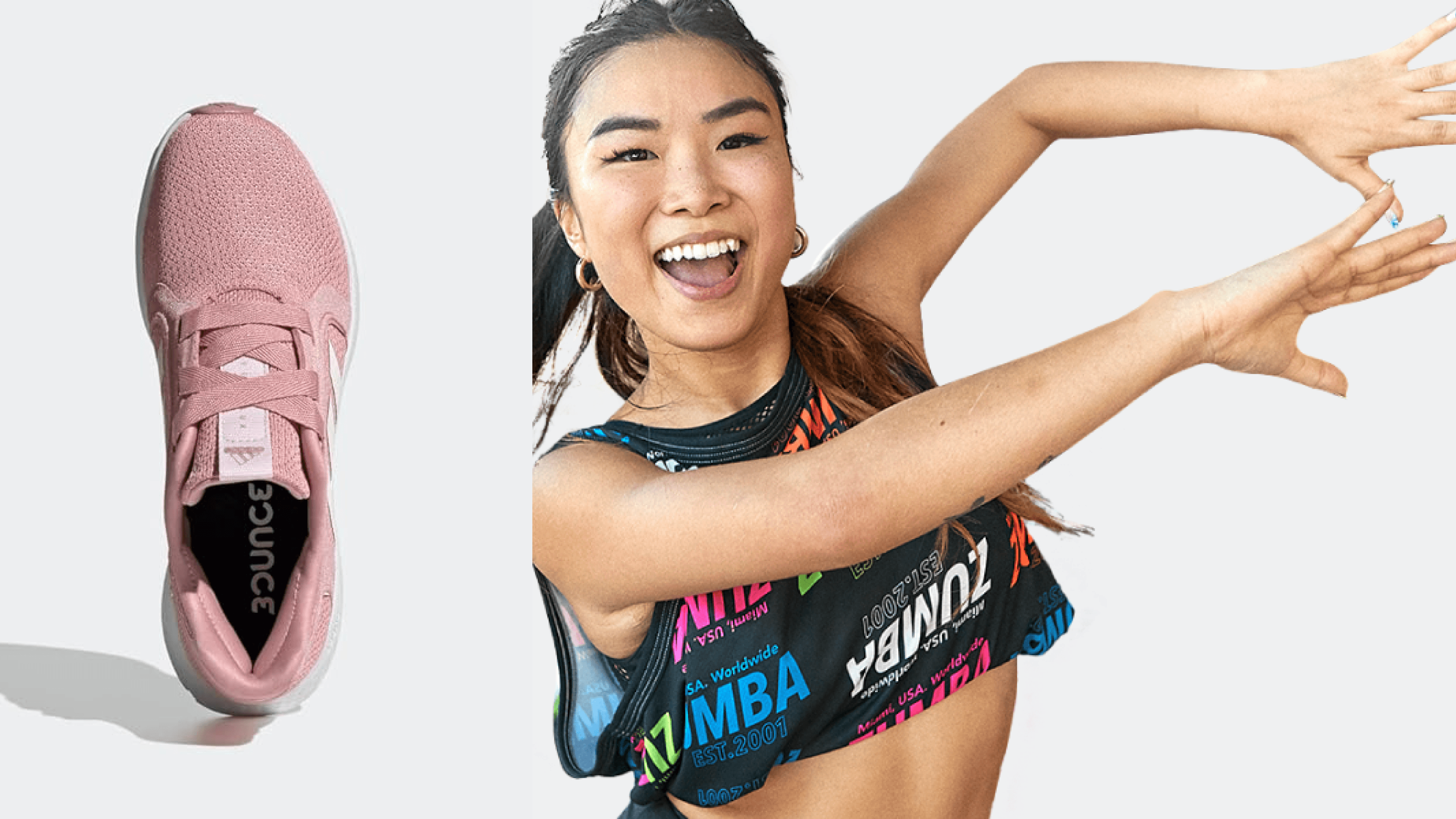
Credit: www.theskimm.com
