

Best Shoes to Wear for Zumba Classes: Top Picks for Every Dancer
Best Shoes To Wear For Zumba Classes
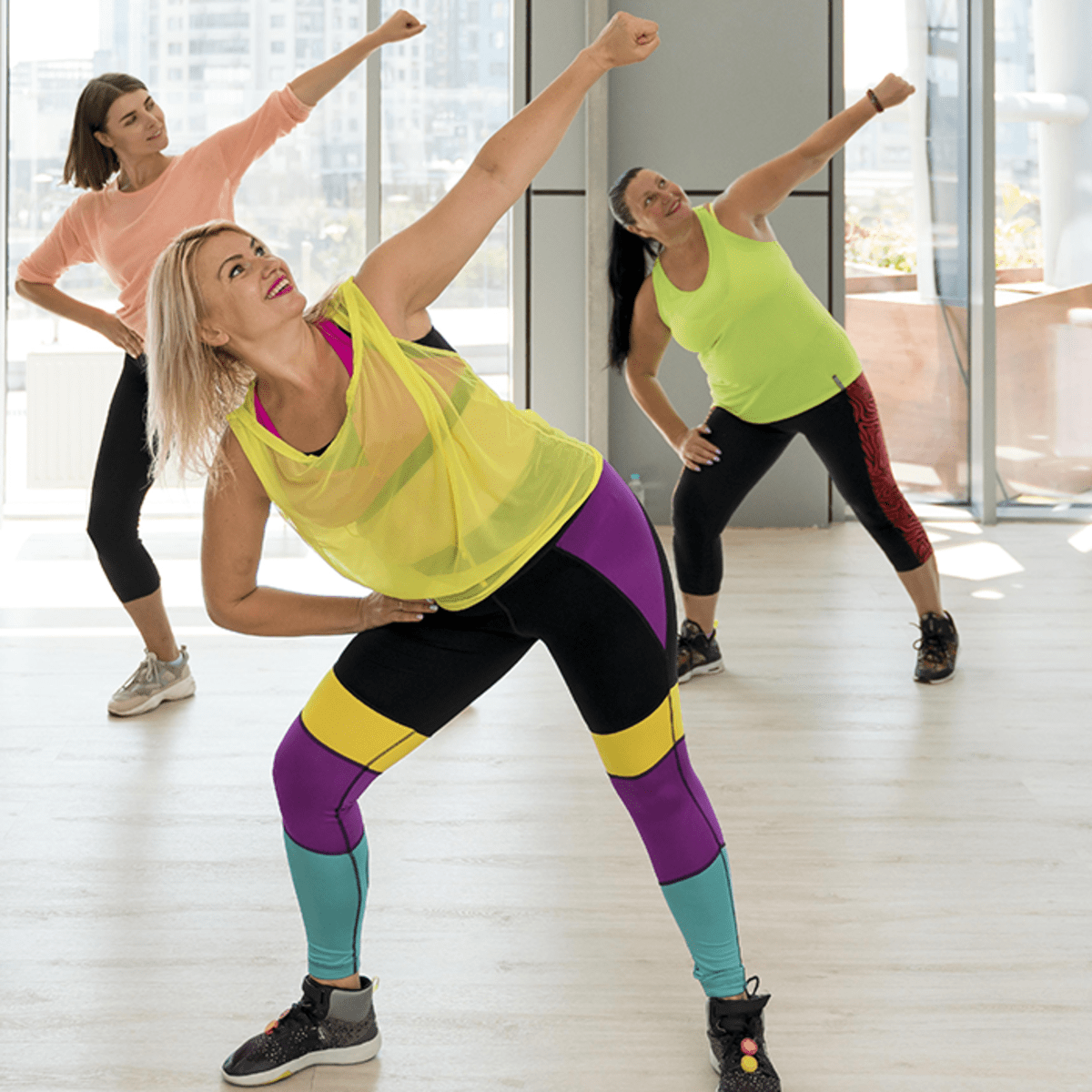
Zumba is more than just a workout; it's a dance party that mixes Latin beats with high-energy movement. But while the music and moves are fun, your feet go through a lot. Many people join their first Zumba class in regular sneakers or running shoes, only to feel pain, blisters, or even injury.
The right shoes can make all the difference, turning a tough workout into an enjoyable session. If you want to get the most out of Zumba—and protect your feet—choosing the best shoes is essential.
This guide explains what makes a shoe great for Zumba, reviews top options, and gives you practical advice to avoid common mistakes. Whether you're a beginner or experienced, you'll find the answers to help you move confidently and safely.
What Makes A Shoe Good For Zumba?
Zumba combines quick side-to-side steps, jumps, twists, and turns. Regular sneakers are designed for running in straight lines, not for dancing. Here are the most important features to look for:
1. Lightweight Design
Heavy shoes make it hard to move quickly. Lightweight shoes help you spin and jump without feeling tired.
2. Good Grip With Pivot Points
Zumba needs shoes with a balance: enough grip to prevent slipping, but smooth enough to spin easily. Pivot points (small circles on the sole) help you turn safely.
3. Cushioning And Shock Absorption
Jumping and stomping put stress on your joints. Good shoes have soft but supportive padding to protect your feet, knees, and hips.
4. Flexible Sole
A stiff sole makes it hard to point your toes, flex your feet, or change direction. Look for flexibility in the forefoot.
5. Breathable Material
You will sweat! Mesh or other breathable fabrics keep your feet cool and reduce the risk of blisters.
6. Low Profile And Lateral Support
Zumba shoes should be close to the ground for stability. Good lateral (side-to-side) support helps your ankles during fast moves.
Many people think any gym shoe will work. But running shoes often have thick, rigid soles and too much grip. These can cause knee pain or injuries during quick turns. Cross-training or dance-specific shoes are usually best for Zumba.
10 Best Shoes For Zumba Classes
With hundreds of choices, it's easy to feel lost. Here are ten top shoes that are loved by Zumba fans and instructors worldwide. Each has unique strengths for different needs.
1. Ryka Influence
The Ryka Influence is a favorite among Zumba instructors. It's designed for women and fits the shape of a woman's foot. This shoe is lightweight and has strong support for side-to-side moves.
- Pivot point: Easy turns and spins
- Cushioning: Protects knees and joints
- Breathable mesh upper: Keeps feet cool
Non-obvious insight: Ryka shoes are made with a narrower heel and wider forefoot, which gives better stability for dance moves than most other brands.
2. Nike Air Zoom Superrep
Nike's Air Zoom SuperRep is popular for high-intensity workouts, including Zumba. It has a split sole and flexible design.
- Zoom Air cushioning: Absorbs shock from jumps
- Wide base: Helps with balance during fast steps
- Grooved sole: Allows for smooth pivots
Tip: Try these if you have wide feet or want a shoe that works for other classes too.
3. Bloch Boost Drt
Bloch is known for dance shoes, and the Boost DRT is a top pick for Zumba.
- Split sole with pivot point: Maximum flexibility and easy turns
- Mesh upper: High breathability
- Shock-absorbing heel: Protects your joints
Unique benefit: Designed for both dance and fitness, so you get the flexibility of a jazz shoe with the support of a sneaker.
4. Zumba Air Classic
This shoe is made by Zumba itself. It’s designed for the specific demands of Zumba classes.
- High rebound air technology: Extra cushioning for jumps
- Z-slide soles: Smooth pivots on any floor
- Bold colors: Fun style
People often miss that Zumba shoes are tested by instructors, which means they handle real class demands better than many generic gym shoes.
5. Asics Gel-fit Sana
ASICS is known for comfort, and the Gel-Fit Sana brings that to dance fitness.
- Gel cushioning: Reduces impact
- Flexible sole: Allows foot movement in all directions
- Supportive, sock-like fit: Stays snug during fast moves
Common mistake: Some choose overly cushioned shoes that feel soft but are unstable. The Gel-Fit Sana balances comfort with support.
6. Capezio Ds11 Fierce
Capezio is a top name in dance shoes. The DS11 Fierce is built for dance-fitness classes like Zumba.
- Split sole: Makes spins and direction changes easy
- Lightweight, breathable mesh: Reduces sweating
- Flat, low-profile design: Close to the ground for better balance
Non-obvious insight: Flat soles can help you feel the floor, which gives you more control in fast routines.
7. Reebok Hiit Tr
Reebok's HIIT TR is built for high-intensity interval training but works well for Zumba too.
- Good grip with pivot points: Supports dynamic movement
- Cushioned midsole: Soft but responsive
- Wide stability base: Reduces ankle rolling
Extra tip: These shoes last longer than many dance shoes if you also use them for other workouts.
8. Adidas Puremotion
Adidas Puremotion is simple, lightweight, and flexible.
- Foam midsole: Cushions jumps and hops
- Flexible mesh upper: Moves with your foot
- Minimalist design: Feels light and fast
What beginners miss: Sometimes, less is more. Puremotion shoes let your foot move naturally, which can reduce fatigue.
9. Puma Tazon
The Puma Tazon has a sporty look and offers solid support.
- EVA heel pod: Absorbs shock from jumps
- Synthetic leather upper: Durable and easy to clean
- Lateral support: Good for side movements
Try these if you have a wider foot or need extra ankle support.
10. New Balance Fuelcore Nergize
New Balance is famous for comfort, and the FuelCore Nergize is light and flexible.
- REVlite cushioning: Soft but not mushy
- Slip-on design: Easy to wear, fits snugly
- Low-profile sole: Helps with balance
People often overlook how easy slip-on shoes can be in busy gym locker rooms.
Credit: aurabio.com
Side-by-side Shoe Comparison
To help you choose, here’s a quick comparison of the most important features:
| Shoe | Best For | Pivot Point | Cushioning | Support |
|---|---|---|---|---|
| Ryka Influence | Women, side moves | Yes | Excellent | Strong lateral |
| Nike Air Zoom SuperRep | Wide feet, multi-use | Yes | Very good | Wide base |
| Bloch Boost DRT | Dance & fitness | Yes | Good | Flexible |
| Zumba Air Classic | All Zumba fans | Yes | High | Good |
| ASICS Gel-Fit Sana | Comfort seekers | Yes | Gel | Snug fit |
| Capezio DS11 Fierce | Floor feel | Yes | Moderate | Low profile |
| Reebok HIIT TR | Durability | Yes | High | Wide base |
| Adidas Puremotion | Minimalist fans | No | Foam | Flexible |
| Puma Tazon | Wide foot, support | No | EVA | Strong |
| NB FuelCore Nergize | Easy on/off | No | REVlite | Slip-on |
How To Choose The Right Zumba Shoes For You
Picking the right shoe is not just about the brand. Everyone’s feet and dance style are different. Here’s what matters most:
Foot Type
- Flat feet need shoes with arch support. Look for shoes with a shaped insole.
- High arches may need extra cushioning. Avoid shoes with a rigid sole.
- Wide feet should pick brands known for roomy toe boxes, like New Balance or Nike.
Tip: Try shoes on with the socks you plan to wear to class.
Surface And Studio Floor
- Wooden floors are common in Zumba studios. Shoes with pivot points work best.
- Rubber or tile floors may need a slightly stickier grip, but not too much.
If you feel your shoes grip too much and your knees hurt, consider shoes with smoother soles.
Your Zumba Style
- High-impact Zumba involves more jumping and fast moves. Choose shoes with more cushioning and support.
- Low-impact or Aqua Zumba can use lighter, more flexible shoes.
Shoe Fit
- Shoes should fit snugly but not tight. Your toes need room to move, but your heel shouldn’t slip.
- Try shoes on at the end of the day, when your feet are naturally a bit swollen. This prevents buying shoes that are too tight for workouts.
Style And Personality
Zumba is about self-expression. Many shoes come in bright colors and bold designs. Don’t be afraid to show your style—just don’t sacrifice comfort for looks.
Common Mistakes When Choosing Zumba Shoes
Many people make shoe mistakes that lead to discomfort or even injury. Here are the top errors to avoid:
1. Using Running Shoes
Running shoes are built for forward motion, not side-to-side movement. Their thick, grippy soles can twist your knees during spins.
2. Choosing Shoes With Too Much Grip
While you want to avoid slipping, too much grip makes it hard to pivot. This can stress your ankles and knees.
3. Wearing Old, Worn-out Shoes
Old shoes lose their support and cushioning. Even if they look good, the internal structure may be damaged.
4. Ignoring Foot Type
A shoe that works for your friend may hurt your feet. Always consider your arch, width, and support needs.
5. Buying Online Without Trying
Shoe brands fit differently. Try shoes in a store if possible, or buy from shops with easy return policies.
6. Not Checking The Sole
Look for a pivot point or smooth spot under the ball of the foot. This is key for safe turns.
7. Choosing Style Over Function
Bright colors are fun, but comfort and support are what keep you dancing injury-free.
Non-obvious insight: Many beginners think pain is normal in Zumba. In reality, the right shoes can prevent most aches and blisters.
How To Break In Zumba Shoes
Even the best shoes need a little time to adjust to your feet. Here’s how to break them in without pain:
1. Wear Them Around The House
Put on your new shoes for short periods at home. This helps your feet adjust to the fit.
2. Start With Short Classes
Use the new shoes for half a class, then switch back to your old pair if needed.
3. Check For Hot Spots
If you feel rubbing or pinching, try adjusting the laces or socks.
4. Use Blister Prevention
Apply bandages or tape to areas that rub until the shoes soften.
Most people find Zumba shoes break in after 2-3 sessions.
Caring For Your Zumba Shoes
Good shoes are an investment. With proper care, they last longer and stay comfortable.
- Air them out after each class. Remove insoles to dry.
- Clean with a damp cloth; avoid soaking them.
- Don’t put in the dryer; high heat can damage glue and materials.
- Rotate shoes if you go to Zumba several times a week. This lets each pair dry fully and last longer.
How Often Should You Replace Zumba Shoes?
Most Zumba shoes last for about 6-12 months, depending on how often you dance. Here are signs you need a new pair:
- Soles are smooth or worn
- Cushioning feels thin
- You notice new pain in your feet, knees, or hips
- Shoe doesn’t fit snugly anymore
It’s better to replace shoes sooner than risk injury.

Credit: shumanpodiatry.com
Price Vs. Performance: Is Expensive Better?
It’s tempting to believe expensive shoes are always better, but that’s not always true. Many moderately priced shoes offer great performance. Here’s a comparison to help you decide:
| Price Range | What You Get | Should You Choose? |
|---|---|---|
| Low ($30-$60) | Basic support, less durable, fewer color choices | Good for beginners or casual dancers |
| Mid ($60-$100) | Better cushioning, pivot points, more styles | Best balance for most Zumba fans |
| High ($100+) | Top materials, advanced support, unique designs | Great for instructors or daily dancers |
If you’re just starting, a mid-range shoe is usually enough. If you become a regular, investing in a top brand can pay off in comfort and injury prevention.
Tips For Getting The Most From Your Zumba Shoes
- Always warm up before class. Good shoes help, but warming up reduces injury risk.
- Double-knot your laces to avoid tripping.
- Replace worn insoles to refresh support without buying new shoes.
- Personalize with custom orthotics if you have unique foot needs.
- Use only for Zumba. Don’t use your dance shoes for outdoor activities to keep the soles clean and grippy.
When To See A Specialist
If you have ongoing pain or recurring blisters, see a podiatrist or sports shoe expert. Sometimes custom insoles or specific shoe recommendations are needed for your unique feet.
Where To Learn More
For those who want to dive deeper into the science of athletic footwear, check out Wikipedia’s Athletic Shoe entry. It explains the history, technology, and different types of shoes for sports and fitness.

Credit: www.woolyyarn.com
Frequently Asked Questions
What Is The Main Difference Between Zumba Shoes And Regular Sneakers?
Zumba shoes are built for dance, with smooth soles and pivot points for easy turns. Regular sneakers, like running shoes, are made for straight-line movement and have more grip, which can cause knee pain during spins.
Can I Wear Running Shoes For Zumba?
It’s not recommended. Running shoes are often too stiff and grippy for the fast turns and side steps in Zumba. This can lead to injuries. Choose shoes with pivot points and flexible soles instead.
How Do I Know If My Zumba Shoes Fit Correctly?
A good Zumba shoe fit means your heel stays secure, your toes have room to move, and the shoe feels snug but not tight. There should be no rubbing or pinching after a short walk.
How Often Should I Replace My Zumba Shoes?
Most people need to replace their Zumba shoes every 6-12 months, depending on how often they dance. If you notice less support, worn soles, or new pain, it’s time for a new pair.
Do I Need Special Socks For Zumba?
While not required, moisture-wicking socks can help prevent blisters by keeping your feet dry. Avoid thick cotton socks, which can bunch up and cause rubbing.
Zumba is about having fun, staying healthy, and expressing yourself. The right shoes help you do all three—comfortably and safely. Choose wisely, care for your shoes, and enjoy every beat on the dance floor.
