

Best Business Casual for Young Women: Top Outfit Ideas for 2024
Best Business Casual For Young Women
Business casual style is more important than ever for young women starting their careers. The way you dress can shape how others see you, boost your confidence, and help you feel comfortable at work. But business casual is not always clear.
What works in one office may not work in another. Many young women feel unsure about what is “right” for business casual. This article will guide you through the essentials, offer practical advice, and help you build a wardrobe that feels modern, professional, and true to your personality.
What Does Business Casual Mean For Young Women?
Business casual is a dress code that blends professional and relaxed elements. The goal is to look polished but not too formal. For young women, business casual often includes blouses, dress pants, skirts, cardigans, and closed-toe shoes. It avoids items like ripped jeans, sneakers, or flashy accessories.
The rules can change depending on your job, city, or company culture. For example, a tech startup may allow jeans with a blazer, while a law firm prefers tailored pants and button-downs. It’s smart to observe what others wear and ask HR if you’re unsure.
Common Business Casual Items
- Blouses (plain or patterned)
- Dress pants (slim, straight, or wide-leg)
- Knee-length skirts
- Cardigans or light sweaters
- Blazers
- Closed-toe flats or low heels
- Simple accessories (stud earrings, watches)
Essential Pieces For A Business Casual Wardrobe
Building a business casual wardrobe takes planning. You want pieces that mix and match easily, last through many washes, and stay comfortable all day. Here are the most important items to own.
1. Blouses And Tops
A good blouse is the backbone of any business casual outfit. Look for soft fabrics like cotton, silk, or polyester blends. Choose necklines that are not too low, and avoid anything sheer unless you wear a camisole underneath.
- Button-down shirts: Always classic. White, light blue, or soft pink work well.
- Patterned blouses: Small prints, stripes, or dots add personality.
- Shell tops: Sleeveless, but easy to layer under cardigans or blazers.
2. Dress Pants
Pants should fit well and be comfortable enough to sit, walk, and move easily. Popular styles include straight-leg, slim-fit, and wide-leg. Choose neutral colors like black, navy, or gray for maximum versatility.
- Stretch fabrics: Give flexibility and resist wrinkles.
- High-waisted pants: Flatter the waist and look modern.
- Cropped pants: Show off your shoes and work well in warmer climates.
3. Skirts
Skirts can be business casual if they are not too short or too tight. Knee-length or midi skirts are best. Pencil skirts, A-line, or pleated styles are popular.
- Pencil skirts: Sleek and professional.
- A-line skirts: Comfortable and easy to move in.
- Wrap skirts: Stylish, but make sure they stay closed.
4. Dresses
Dresses are simple, comfortable, and always look pulled together. Choose sleeveless, short-sleeved, or three-quarter sleeves. Avoid plunging necklines or mini lengths.
- Sheath dresses: Clean lines, easy to layer.
- Fit-and-flare dresses: Great for all body types.
- Shirt dresses: Look relaxed but professional.
5. Layering Pieces
Layering lets you adjust your outfit for temperature or style. Cardigans, blazers, and light sweaters are essentials.
- Cardigans: Soft, easy to remove, and not too bulky.
- Blazers: Instantly make any outfit look more professional.
- Light sweaters: Good for colder offices.
6. Shoes
Shoes should be comfortable and safe for walking, but still look polished. Closed-toe styles are usually best.
- Ballet flats: Simple, classic, and comfortable.
- Loafers: Slightly more formal, easy to walk in.
- Low heels: Add height without discomfort.
- Boots: Ankle boots are perfect for fall and winter.
7. Accessories
Accessories can show your style but should be subtle. Avoid loud colors or oversized pieces.
- Stud earrings
- Small hoops
- Simple necklaces
- Watches
- Belts
How To Mix And Match For Maximum Versatility
You do not need a huge wardrobe to look great every day. With smart choices, you can create many outfits from just a few items. Here’s how to build a flexible business casual wardrobe.
Color Palette Strategy
Choose a few base colors like black, navy, gray, or beige. Add accent colors in tops, scarves, or accessories. This makes mixing and matching easy.
- Example: Black pants + white blouse + navy blazer
- Example: Navy skirt + beige sweater + pink scarf
Smart Layering
Layering helps you adjust for changing weather or office temperatures.
- Blouse + cardigan + pants
- Dress + blazer + tights
- Shell top + sweater + skirt
Patterns And Textures
Use patterns carefully. One patterned item per outfit is usually enough. Mix textures like cotton, wool, or silk for interest.
- Striped blouse + solid pants
- Textured sweater + smooth skirt
Business Casual Outfit Combinations Table
Here’s a simple table to show outfit ideas using basic items.
| Top | Bottom | Layer | Shoes | Accessories |
|---|---|---|---|---|
| White blouse | Black pants | Navy blazer | Ballet flats | Stud earrings |
| Striped shirt | Navy skirt | Gray cardigan | Loafers | Watch |
| Shell top | Gray pants | Beige sweater | Low heels | Necklace |
| Fit-and-flare dress | - | Black blazer | Ankle boots | Belt |
Adapting Business Casual To Different Workplaces
What works in one office may not fit another. Here’s how to adjust your business casual look for different environments.
Traditional Corporate Offices
Stick with classic pieces and neutral colors. Avoid bold prints or trendy cuts. Closed-toe shoes and blazers are almost always expected.
- Example: Black dress pants, white button-down, navy blazer, loafers
Creative Industries
You can add more color, pattern, or unique accessories. Try mixing textures and layering pieces.
- Example: Patterned blouse, colored pants, chunky necklace, ankle boots
Tech Startups
Jeans may be allowed, but choose dark, clean styles. Pair with a nice blouse and blazer to keep it professional.
- Example: Dark jeans, shell top, gray blazer, ballet flats
Client-facing Roles
Dress a bit more formally when meeting clients. A dress with a blazer or pants with a crisp blouse works well.
- Example: Sheath dress, black blazer, low heels
Common Business Casual Mistakes And How To Avoid Them
Many young women make mistakes when first building their business casual wardrobe. Here are some pitfalls to watch for.
1. Wearing Clothes That Are Too Casual
Avoid items like ripped jeans, sneakers, or graphic tees. These are not business casual.
2. Choosing Ill-fitting Clothes
Clothes that are too tight or too loose look sloppy. Tailoring pants or skirts can make a big difference.
3. Over-accessorizing
Big, flashy jewelry or oversized bags can distract from your professional image. Keep accessories small and simple.
4. Ignoring Company Culture
Watch what others wear. If everyone wears blazers, follow suit. If people dress more relaxed, you can too—but stay polished.
5. Not Checking Dress Codes
Some companies have strict rules about skirts, shoes, or colors. Always read the dress code.
Business Casual For Different Body Types
Business casual should help you feel confident. Choose pieces that fit your body shape and make you feel comfortable.
Petite Women
- Cropped pants and shorter skirts avoid overwhelming your frame.
- Choose fitted blazers rather than oversized.
- Avoid large prints.
Tall Women
- Midi skirts and long trousers look balanced.
- Layering with longer cardigans or blazers works well.
- Try bold colors or prints.
Plus-size Women
- Wrap dresses and A-line skirts flatter curves.
- Stretch fabrics and tailored pants help with comfort.
- Avoid clingy materials.
Shopping Tips For Building A Business Casual Wardrobe
Smart shopping saves money and helps you build a wardrobe you love. Here are some tips.
Buy Quality Basics
Invest in items you will wear often, like pants, blouses, and blazers. Spend less on trendy items.
Shop Sales And Outlets
Many stores have good sales. Outlets offer quality brands at lower prices.
Try Secondhand
Thrift stores and online resale shops can have great finds. Look for gently used blazers or pants.
Know Your Size
Sizes vary by brand. Try clothes on, or check size charts if shopping online.
Build Slowly
You do not need to buy everything at once. Start with a few basics, then add new pieces as you find what works.
Business Casual Outfit Costs: Budget Vs. Investment
Young women often worry about cost. You can build a business casual wardrobe for any budget. Here’s a comparison.
| Item | Budget Option (USD) | Mid-range Option (USD) | Premium Option (USD) |
|---|---|---|---|
| Blouse | $15–$30 | $40–$80 | $100–$200 |
| Pants | $20–$40 | $60–$120 | $150–$300 |
| Blazer | $35–$60 | $100–$200 | $250–$500 |
| Shoes | $25–$50 | $80–$150 | $200–$400 |
| Dress | $25–$50 | $90–$180 | $200–$350 |
Buying one outfit from budget brands can cost under $150. Mid-range outfits may cost $350–$600. Premium brands cost more, but often last longer. Many young women mix budget and higher-end items for value and style.

Credit: www.gaspertodemim.com.br
How To Transition From College To Business Casual
Moving from college style to business casual can feel strange. Here’s how to make it easier.
Start With Basics
Buy two pairs of dress pants, three blouses, one blazer, and two pairs of shoes. This gives you enough to start.
Keep Comfort In Mind
Choose fabrics that feel good and do not wrinkle easily. You’ll wear these clothes for long hours.
Use What You Have
Some college clothes, like plain sweaters or simple skirts, can work in a business casual setting.
Practice Outfits
Try on different combinations at home. See what feels right for your workplace.
Maintaining And Caring For Your Business Casual Clothes
Proper care helps clothes last longer and look fresh.
Wash Carefully
Check tags. Many blouses and blazers need gentle washing or dry cleaning.
Iron Or Steam
Wrinkles make clothes look messy. Iron or steam before wearing.
Store Properly
Hang blazers and pants. Fold sweaters. Use shoe racks to keep shoes in shape.
Repair Early
Fix loose buttons or small tears right away. This saves money and keeps your wardrobe sharp.
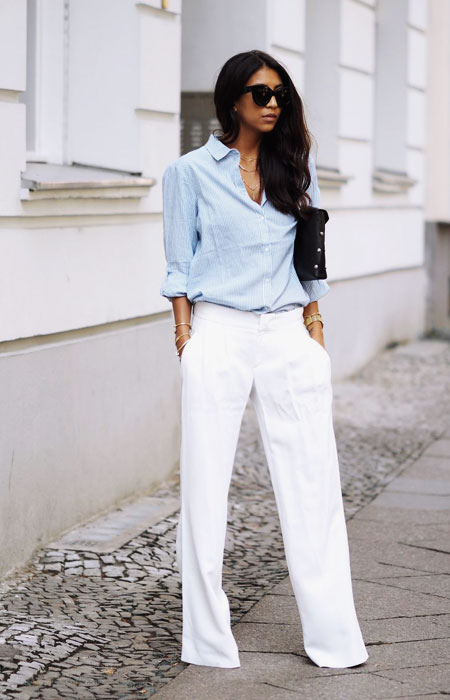
Credit: www.esquim.com
Business Casual Trends For Young Women
Business casual style changes slowly, but there are always new trends. Here are some current ideas that stay professional.
Softer Fabrics
More offices allow comfortable fabrics like stretch cotton, jersey, or knit blends.
Relaxed Fits
Wide-leg pants and oversized blazers are popular, but make sure they are still tailored.
Color Pops
Adding a bright scarf, shoes, or handbag can show personality.
Sustainable Choices
Many brands now offer eco-friendly fabrics and ethical production. These options are better for the environment and often higher quality.
Practical Tips For Standing Out In Business Casual
You can stand out while staying business casual. Here’s how:
- Personalize with Accessories: Use a unique watch, belt, or scarf.
- Choose Signature Colors: Pick one or two accent colors you love.
- Layer Creatively: Try a vest over a blouse or a long cardigan with a dress.
- Keep Shoes Polished: Clean shoes make a big impression.
- Experiment with Patterns: Try subtle stripes or checks.
Seasonal Business Casual Guide
Business casual changes with the seasons. Adjust your wardrobe for comfort and style all year.
Spring
- Light blouses
- Cropped pants
- Floral scarves
Summer
- Sleeveless tops (not spaghetti straps)
- Lightweight dresses
- Open cardigans
Fall
- Sweaters
- Ankle boots
- Darker colors
Winter
- Layered sweaters
- Wool skirts or pants
- Closed-toe boots
How Business Casual Differs By Region
Business casual norms change from city to city and country to country.
- Urban offices: Often more formal, with blazers and heels.
- Suburban offices: Relaxed, more cardigans and flats.
- Warm climates: Lighter fabrics, shorter sleeves.
- Cold climates: More layers, heavier fabrics.
If you move, check what people wear before buying new clothes.
Real-life Examples: Business Casual Outfit Inspiration
Looking at real outfits can help you plan your own style. Here are some examples.
Example 1: Entry-level Job
- Navy pants
- Light pink blouse
- Gray cardigan
- Black flats
- Simple earrings
Example 2: Creative Office
- Patterned midi skirt
- White shell top
- Denim blazer
- Red loafers
- Statement necklace
Example 3: Client Meeting
- Black sheath dress
- Navy blazer
- Nude heels
- Watch
Example 4: Casual Friday
- Dark jeans
- Striped button-down
- Beige sweater
- Brown ankle boots
Business Casual Vs. Other Dress Codes
It helps to know how business casual compares to other dress codes. Here’s a simple table.
| Dress Code | Key Features | Allowed Items | Not Allowed |
|---|---|---|---|
| Business Casual | Polished, relaxed | Blouses, pants, skirts, flats | Ripped jeans, sneakers, T-shirts |
| Business Formal | Very professional | Suits, dress shirts, heels | Casual pants, open shoes |
| Smart Casual | Stylish, relaxed | Dark jeans, sweaters, blazers | Shorts, flip-flops |
| Casual | Comfort first | T-shirts, jeans, sneakers | Formal wear |

Credit: nilds.gov.ng
Two Non-obvious Insights For Beginners
- Fit is more important than price. A well-tailored $30 pair of pants looks better than a baggy $200 pair. Spend time finding your size or getting items altered.
- Neutral shoes are a game changer. Black or nude flats go with almost every outfit, saving you money and closet space.
Where To Find More Business Casual Guidance
You can see more examples and advice at the The Balance Careers website, which offers detailed guidelines for business casual dressing.
Frequently Asked Questions
What Is The Difference Between Business Casual And Smart Casual?
Business casual is more formal than smart casual. It allows blouses, dress pants, and closed-toe shoes, while smart casual can include dark jeans, stylish sweaters, and sometimes sneakers. Business casual is best for offices, while smart casual fits social or creative events.
Can I Wear Jeans In Business Casual?
It depends on your company. Some workplaces allow dark, clean jeans with a blazer. Others do not. Always check your company’s dress code and observe what others wear.
Are Open-toe Shoes Allowed In Business Casual?
Most offices prefer closed-toe shoes for business casual. Some relaxed offices allow open-toe sandals, but avoid flip-flops or athletic shoes.
How Many Outfits Should I Have For Business Casual?
Start with 7–10 business casual outfits. This lets you rotate clothes and keep them fresh. You can build more as you learn what works best for your job.
What Colors Are Best For Business Casual?
Neutral colors like black, navy, gray, and beige are safest. You can add accent colors with tops, scarves, or accessories. Avoid neon or overly bright shades unless your office is creative.
Business casual for young women is a blend of comfort, style, and professionalism. With smart choices, you can build a wardrobe that fits your workplace, flatters your body, and helps you feel confident every day. Remember, business casual is about looking polished but approachable.
Use the advice above to make your own style, avoid common mistakes, and stand out for the right reasons.
