

Best Business Casual for Women: Chic Outfits for Every Office
Best Business Casual For Women
Choosing the right business casual outfit can change how you feel and how people see you at work. For many women, finding clothing that looks professional but feels comfortable is a daily challenge. The rules for business casual are not always clear, and they can differ by company, industry, or even country. This guide will help you understand what business casual means, how to select the best pieces, and how to build a wardrobe that works for you. You will find practical advice, real examples, and useful comparisons to make your choices easier. Whether you’re new to the working world or simply looking to update your style, the right business casual wardrobe gives you confidence and saves time each morning.
What Is Business Casual For Women?
Business casual is a style that mixes professional and relaxed clothing. You do not need to wear a full suit, but you should avoid very casual items like ripped jeans or sneakers. The goal is to look neat, polished, and ready for work, but not overly formal.
In most offices, business casual for women includes:
- Dress pants or tailored trousers
- Skirts that are not too short
- Blouses, shirts, or tops with sleeves
- Cardigans or blazers
- Closed-toe shoes, like loafers or simple heels
Some companies allow dark jeans or smart dresses, but always check your workplace guidelines. Remember, business casual is not just about following rules. It’s also about showing respect for your job and coworkers, while expressing your own style. A good business casual outfit helps you feel comfortable during long meetings or busy workdays, but also ready to meet clients or managers.
Key Differences: Business Casual Vs. Formal Vs. Casual
To help you see the differences, here is a simple comparison:
| Style | Allowed Items | Not Allowed |
|---|---|---|
| Business Casual | Dress pants, blouses, skirts, cardigans, loafers | Ripped jeans, graphic tees, flip-flops |
| Formal | Suits, dress shirts, heels, pencil skirts | Jeans, casual shoes, knit tops |
| Casual | Jeans, t-shirts, sneakers, casual dresses | Suits, business shirts, formal shoes |
Understanding these categories helps you avoid confusion. For example, if you are invited to a “business casual” event, you know not to wear a suit, but you should still dress more smartly than you would for a weekend outing.
Essential Pieces For A Business Casual Wardrobe
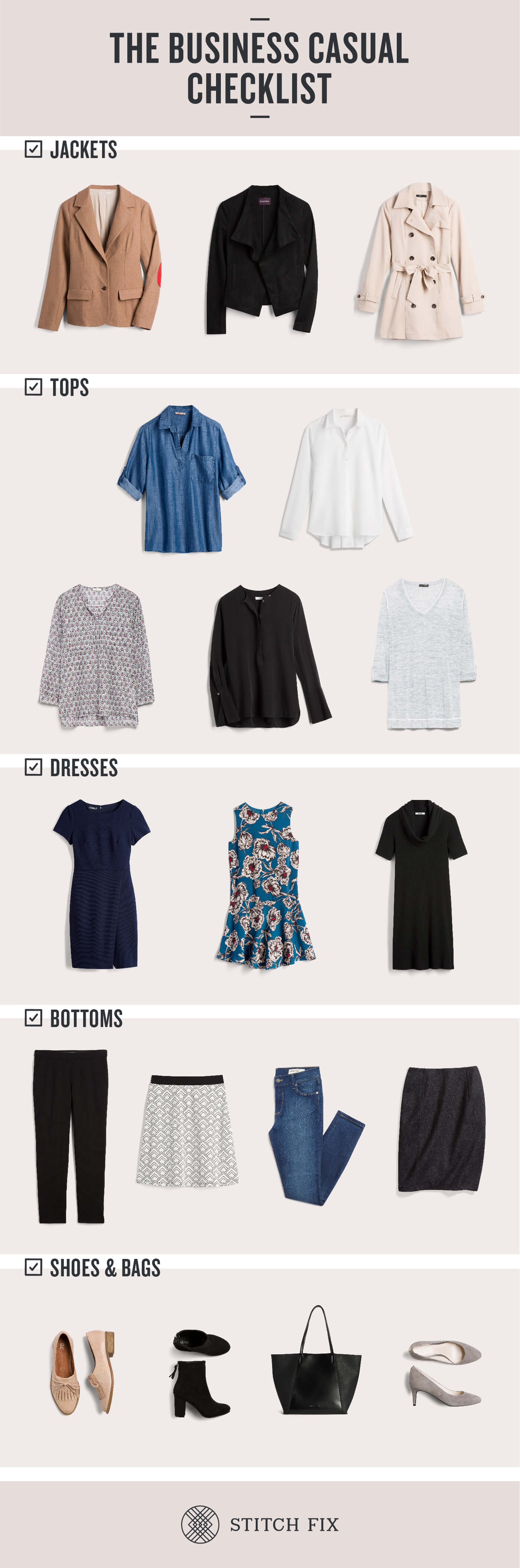
Building a business casual wardrobe is easier if you focus on core pieces that can be mixed and matched. Here are the most important items:
1. Dress Pants And Tailored Trousers
Dress pants are a safe choice for most business casual environments. Choose neutral colors like black, navy, or gray. Tailored trousers help you look polished and are comfortable for all-day wear.
- Avoid pants that are too tight or too loose
- Look for wrinkle-resistant fabrics
- Ankle-length or full-length both work
Many women find that having at least two or three pairs of well-fitting pants makes it easier to rotate outfits through the week. Try to test how they feel when sitting and standing, as comfort matters for long workdays. For added variety, consider pants with a slight flare or a slim fit, depending on what flatters your shape.
2. Skirts
Skirts should be at least knee-length. Pencil skirts, A-line skirts, and midi skirts are good options.
- Choose solid colors or simple patterns
- Avoid anything too short or with bold prints
A skirt can be paired with different tops to create new looks. For example, an A-line skirt with a tucked-in blouse looks classic, while a midi skirt with a fitted sweater feels modern. If you cycle or walk to work, a skirt with a bit of stretch or a thicker fabric can be more practical.
3. Blouses And Tops
Blouses are the foundation of many business casual outfits. Pick tops with sleeves, and avoid low necklines.
- Cotton, silk, or polyester blends are comfortable
- Patterns are fine if they are subtle
- Layer with cardigans for extra warmth
Experiment with necklines such as boat, crew, or small V-necks, but avoid anything too revealing. A blouse with a small ruffle or bow detail can add interest without being distracting. Button-up shirts are always a strong option and look great under a blazer.
4. Dresses
A simple dress can be a great choice. Look for styles that are not too tight or too loose.
- Sheath dresses, wrap dresses, and shirt dresses are ideal
- Pair with a blazer or cardigan
Dresses are useful on days when you want to get ready quickly. They look put together on their own, and you can add a belt or scarf for extra style. Darker colors or small prints are less likely to show stains and are easier to match with shoes and bags.
5. Cardigans And Blazers
Cardigans add warmth and style. Blazers make any outfit more professional.
- Neutral colors work best
- Avoid oversized fits
A structured blazer can instantly upgrade a simple top or dress. Cardigans are good for layering, especially in air-conditioned offices. Try to have at least one dark and one light option to match different outfits. Look for details like pockets or interesting buttons for a bit of personality.
6. Shoes
Closed-toe shoes like loafers, ballet flats, or simple heels are standard.
- Choose comfortable shoes for long days
- Avoid sandals and athletic shoes
Consider shoes with a small block heel for comfort and extra height. Leather or faux-leather shoes last longer and are easier to clean. Some women like to keep a pair of backup flats at the office for days when their feet get tired.
7. Accessories
Keep accessories simple. Small earrings, watches, and bags in neutral colors are safe.
- Avoid large, flashy jewelry
- Scarves can add color without being too bold
A structured handbag or tote is practical for carrying work items. Try not to overload with accessories—one statement piece, such as a unique necklace or a colorful scarf, is enough for most outfits. Watches give a classic touch and show attention to detail.
Choosing The Right Fabrics
The fabric of your clothing affects both comfort and appearance. For business casual, look for materials that are easy to care for and look professional.
| Fabric | Pros | Cons |
|---|---|---|
| Cotton | Breathable, comfortable | Can wrinkle easily |
| Polyester | Wrinkle-resistant, durable | Less breathable |
| Wool | Warm, professional look | Can be heavy, requires special care |
| Silk | Elegant, soft | Delicate, can stain easily |
| Rayon | Soft, drapes well | Can shrink, needs gentle wash |
Blended fabrics (such as cotton-polyester blends) often combine the best features, making your clothes easier to manage. If you travel for work, wrinkle-resistant materials will save you time. Fabrics like viscose or modal also offer a nice drape and are gentle on the skin. One insight: try to avoid synthetic fabrics if you have sensitive skin, as these can sometimes cause irritation after a full day at work.
Popular Business Casual Outfits And Combinations
You do not need many clothes to create different looks. Smart combinations make your wardrobe flexible. Here are some ideas:
Outfit Ideas
- Blouse + Tailored Pants + Loafers
- Simple, professional, and comfortable for meetings
- Swap the loafers for low heels for a more formal look
- Knee-Length Skirt + Top + Cardigan
- Works in most offices and is good for warmer weather
- Add tights in cooler seasons
- Dress + Blazer + Flats
- Good for presentations or important days
- Choose a blazer in a contrasting color for more style
- Pants + Sweater + Statement Necklace
- Cozy and stylish in cooler months
- Add a collared shirt under the sweater for extra polish
- Midi Skirt + Button-Up Shirt + Low Heels
- Feminine but still business-like
- Try a thin belt to highlight your waist
Mixing a basic piece with a standout item (like a colorful cardigan or a patterned blouse) helps keep outfits interesting but still work-appropriate.
Non-obvious Insight
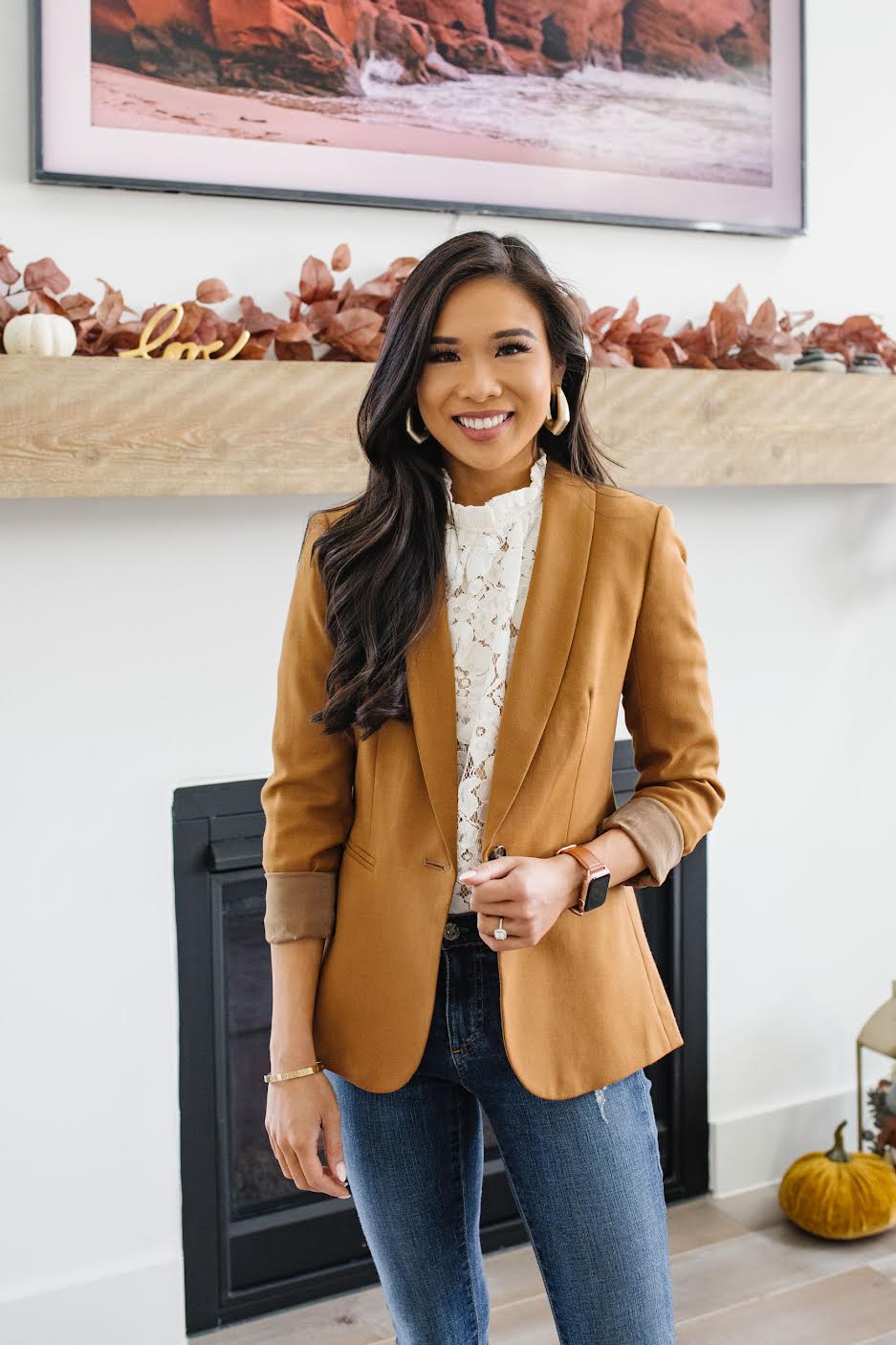
Many women forget the power of layering. A basic top can look completely different with a blazer or scarf. Also, keeping a spare cardigan at work helps if the office gets cold or you need a quick style change.
Another detail many overlook: switching your accessories—such as changing your necklace or adding a new scarf—can make people think you have more outfits than you really do. If you’re on a budget or just starting your career, mastering these small changes gives you flexibility and style without needing a large wardrobe.
Credit: colorandchic.com
Business Casual For Different Industries
The meaning of business casual changes by industry. Here are some examples:
Corporate Offices
In banks or large companies, business casual is close to formal. Choose classic colors and avoid bold styles. Suits may not be required, but blazers and dress pants are common. Stick to closed-toe shoes and minimal jewelry.
Creative Fields
Advertising, design, or media companies allow more color and pattern. You can wear trendy pieces as long as they are neat. For example, a graphic-print blouse with plain pants, or bold shoes with a simple dress, is usually acceptable.
Tech Companies
Tech startups often have relaxed dress codes. Dark jeans with a smart top are common, but avoid very casual items. You might see people wearing sneakers, but polished shoes are still a safe bet if you’re unsure.
Education
Teachers or university staff can wear comfortable, practical outfits. Cardigans, flat shoes, and easy-care fabrics are popular. It’s also smart to choose clothing that allows you to move easily, especially if you work with younger students.
In every industry, watch what leaders and colleagues wear. This will help you adjust your style to fit in without breaking the rules.
Business Casual For Different Body Types
Finding business casual clothing that fits your body is important for comfort and confidence. Here are some tips:
Petite
- Choose fitted pants and skirts that do not overwhelm your frame
- Avoid oversized tops
- Look for cropped blazers and shorter hemlines
Tall
- Midi skirts and long trousers help balance proportions
- Try layering with longer blazers
- Opt for tops with longer sleeves for better fit
Plus Size
- Look for structured clothing that shapes your body
- Avoid very tight or very loose items
- Try wrap dresses or tops with ruching for a flattering look
Curvy
- Wrap dresses and tops highlight your waist
- Avoid boxy cuts
- Choose high-waisted pants and skirts to show your shape
One insight: Tailoring makes a big difference. Even affordable clothes can look expensive if they fit well. If you struggle to find the right fit off the rack, consider small alterations—it’s usually worth the investment.
Credit: www.stitchfix.com
Smart Shopping Tips
Building a business casual wardrobe does not mean spending a lot. Here are some ways to shop smarter:
- Buy basics in neutral colors so you can mix and match
- Invest in quality pants and blazers; cheaper tops are fine for layering
- Shop during sales or use online discounts
- Check online reviews before buying new brands
- Try second-hand stores for unique finds
If you’re not sure about sizing, order two sizes and return what doesn’t fit. Many online stores offer free returns, making it easier to try new brands.
Data Insight
A survey by Statista showed that 62% of US women prefer to buy neutral basics for work, while only 18% focus on statement items. This shows that versatility is key when shopping for business casual.
Another smart tip: sign up for store newsletters to get early access to sales and coupons. Over time, this can save you a lot of money, especially on higher-priced items like blazers and shoes.
Mistakes To Avoid
Even experienced professionals make mistakes with business casual. Here are some common errors:
- Wearing athletic shoes or sandals to the office
- Choosing tops with low necklines or sleeveless shirts without a cover-up
- Using bold prints or colors that distract
- Forgetting to iron clothes or wearing wrinkled items
- Over-accessorizing with large jewelry
Ignoring dress code updates is another common mistake. Companies sometimes change their policies, so always watch for new guidelines.
Non-obvious Insight
Many beginners do not check how clothes look in different lighting. Some fabrics can appear see-through or wrinkled under office lights. Always try on your outfit at home and check in natural and artificial light.
Also, test how your clothes feel after a few hours—tags, seams, or tight waistbands can become uncomfortable over time. If you notice a problem, fix it before wearing the item to work.
How To Build A Capsule Business Casual Wardrobe
A capsule wardrobe is a small collection of clothes that can be mixed to create many outfits. This is perfect for business casual.
Steps To Build A Capsule Wardrobe
- Choose 2-3 pairs of pants in neutral colors
- Add 2 skirts (knee-length or midi)
- Select 4-5 tops (mix blouses and shirts)
- Include 1-2 dresses for special days
- Add 2 cardigans and 1 blazer
- Pick 2 pairs of shoes (flats and loafers)
- Get a simple bag and small accessories
With these items, you can create 10-15 different outfits easily.
To make your capsule wardrobe last longer, choose good-quality items for things you’ll wear often (like pants and blazers). Rotate your shoes to reduce wear. For extra variety, add a few scarves or belts—these take up little space but change the look of your outfits.
Business Casual For Different Seasons
Seasons change, and so should your business casual wardrobe. Here are ideas for each season:
Spring
- Light blouses and skirts
- Pastel colors and floral prints
- A thin cardigan for cool mornings
Spring is a great time to try lighter layers and brighter accents. Soft pinks, blues, and greens feel fresh and professional.
Summer
- Short-sleeve tops, midi skirts, and dresses
- Breathable fabrics like cotton and linen
- Avoid sleeveless tops unless covered by a cardigan
Choose lighter colors to stay cool and avoid sweat marks. Keep a lightweight scarf or shawl at your desk in case the air conditioning is strong.
Fall
- Sweaters, tailored trousers, and closed-toe shoes
- Warm colors like burgundy or olive
- Layer with blazers or scarves
Fall is the perfect season for layering. Try mixing textures, like a knit top with a wool skirt, for extra interest.
Winter
- Wool pants, knit tops, and thicker cardigans
- Dark colors and heavier fabrics
- Keep an extra sweater at work
Don’t forget tights or thermal layers under skirts and dresses for warmth. Black, gray, and deep jewel tones look good in winter and hide stains.
Business Casual For Remote Work
Working from home does not mean you should dress in pajamas. Business casual still matters for video calls and productivity.
- Wear comfortable pants, but avoid sweatpants
- Choose tops that look good on camera (bright but not flashy)
- Keep a blazer nearby for meetings
- Use simple jewelry
When working remotely, the top half of your outfit is most important for video calls. Avoid tops with busy patterns that can look strange on camera. Solid, medium-bright colors like blue, teal, or soft red look best on most screens.
Also, consider your background—your outfit should stand out but not clash.
Example
A woman working from home might wear a cotton blouse, tailored pants, and flats. She keeps a blazer ready for important calls. This makes her feel professional and ready for anything.
Another trick: changing your top or adding a blazer between calls can help you mentally “reset” for new meetings.
How To Choose Colors And Patterns
Choosing the right colors and patterns helps your outfit look professional and fresh.
Safe Colors
- Black
- Navy
- Gray
- White
- Beige
Accent Colors
- Light blue
- Soft pink
- Olive green
- Burgundy
Patterns
- Pinstripes
- Small checks
- Simple florals
Mixing a neutral base with one accent color is usually safe. For example, navy pants with a white blouse and a burgundy scarf. Patterns should be small and not too busy. If you wear a patterned top, keep the rest of your outfit plain.
One advanced tip: if you’re unsure which colors suit you, hold clothing near your face in natural light. The right color will make your skin look brighter and healthier.
Business Casual For Different Age Groups
Women of all ages can wear business casual, but styles may change with age.
Young Professionals
- Trendy cuts, but stick to classic colors
- Simple accessories
You can try cropped pants, small patterns, or fun shoes, but avoid anything too bold.
Mid-career
- Mix classic and modern styles
- Invest in quality blazers and shoes
Try mixing a trendy top with classic trousers, or a modern print with a traditional skirt.
Senior Professionals
- Elegant, timeless pieces
- Structured clothing and simple jewelry
Choose high-quality fabrics and classic shapes. Neutral colors with one accent piece show confidence and experience.
No matter your age, choose clothes that make you feel comfortable and reflect your personal style. Confidence is always in fashion.
How To Transition From Day To Night
Sometimes you need to go from work to an evening event. Here are ways to change your business casual look quickly:
- Add a bold necklace or earrings
- Swap flats for heels
- Change your cardigan for a blazer
- Touch up makeup
Carrying a small makeup bag and an extra pair of shoes in your work bag helps you prepare for last-minute plans. If you wear a basic dress, adding a colorful belt or clutch instantly makes it feel ready for dinner or a party.
These small changes can make your outfit fit any occasion.

Credit: everydaysavvy.com
Data Table: Business Casual Brands Comparison
Here is a comparison of popular brands that offer business casual clothing for women:
| Brand | Price Range | Main Features | Best For |
|---|---|---|---|
| Banana Republic | $50-$180 | Classic styles, high quality | Professional offices |
| Ann Taylor | $40-$160 | Wide selection, feminine cuts | Corporate & creative fields |
| J.Crew | $30-$140 | Trendy, mix-and-match pieces | Young professionals |
| Nordstrom | $60-$200 | Designer brands, variety | All industries |
| Target | $20-$70 | Budget-friendly, simple styles | Entry-level, remote work |
When choosing a brand, focus on fit and comfort, not just price. Try different stores to see what works best for your body and budget.
Sustainability And Business Casual
Many women now care about sustainable fashion. You can build a business casual wardrobe that is eco-friendly:
- Choose brands with ethical practices
- Buy clothes made from organic cotton or recycled materials
- Wash clothes in cold water to save energy
- Repair or donate old clothes instead of throwing them away
The fashion industry is changing, and sustainable options are becoming more common. For more, see Good On You.
You can also look for brands that use less water or avoid harmful chemicals. Buying fewer, higher-quality items reduces waste and saves money in the long run. Another tip: clothes swaps with friends or coworkers are a fun way to refresh your wardrobe without buying new items.
Tips For Maintaining Your Business Casual Wardrobe
Keeping your clothes in good shape is important. Here’s how:
- Use gentle detergents
- Hang blouses and pants to avoid wrinkles
- Steam clothes instead of ironing when possible
- Store shoes away from moisture
Practical Insight
Many women overlook shoe care. Good shoes last longer if you clean them often and store them with shoe trees.
Another non-obvious tip: rotate your clothes so you’re not wearing the same item too often. This prevents fast wear and helps your whole wardrobe last longer. For delicate fabrics, use garment bags in your closet to protect from dust.
Business Casual In International Workplaces
If you work in a global company, business casual may mean different things. Some countries expect more formal clothing, others are relaxed.
- In Japan, business casual is almost formal
- In France, stylish but simple pieces are popular
- In the US and Canada, flexibility is common
Always check local customs and dress codes when traveling or working with international teams. Even greetings and accessories can vary—what’s normal in one country may look strange in another. Observing your coworkers’ style is a good way to avoid mistakes.
Frequently Asked Questions
What Should I Avoid Wearing In A Business Casual Office?
Avoid ripped jeans, athletic shoes, t-shirts with slogans, and anything too short or tight. Always check your company’s dress code for details.
Can I Wear Jeans In A Business Casual Setting?
Dark, well-fitted jeans may be allowed in some offices, especially in creative or tech fields. Avoid light or distressed jeans. Pair jeans with a blouse and blazer to look polished.
How Do I Make A Business Casual Outfit Look More Formal?
Add a blazer, choose structured pants or skirts, and wear simple heels. Accessories like a watch or small earrings help, but avoid large jewelry.
What Are The Best Colors For Business Casual?
Neutral colors like black, navy, gray, and beige are safe. Add accent colors like light blue or burgundy for variety. Avoid very bright or clashing colors.
How Can I Create A Business Casual Wardrobe On A Budget?
Focus on buying versatile basics. Shop during sales, use online discount codes, and try second-hand stores. Invest in quality pants and blazers, but buy affordable tops.
Finding the best business casual for women is about balancing style, comfort, and professionalism. By choosing the right pieces, caring for your wardrobe, and understanding your workplace, you can feel confident every day. Remember, business casual is flexible and changes by industry and location.
With these tips, you are ready to build a wardrobe that works for you and supports your career.
