

Best Business Casual Clothes Men: Top Picks for Effortless Style
Finding the right business casual clothes for men can feel confusing. Many offices have their own rules, and there’s no universal dress code. The goal is to look professional but not too formal. You want comfort, style, and confidence in your outfit.
In this guide, you’ll learn what business casual really means, how to choose the best pieces, and how to combine them for a sharp look.
Business casual is more than just picking any shirt or pants. It’s about balancing professional style with relaxed comfort. You’ll discover the top essentials, get tips for buying clothes that fit, and see examples of great business casual outfits. Whether you’re new to office dressing or just want to update your wardrobe, this article gives you practical advice that works.
Business casual is not only about looking good—it's also about feeling comfortable, expressing your personality, and adapting to different work environments.
What Is Business Casual For Men?
Business casual is a dress code for workplaces where suits aren’t required but jeans and T-shirts are too informal. It’s a mix of professional attire and relaxed clothing. You still look polished, but you’re not restricted to a tie or blazer every day. The idea is to stay neat and smart without feeling stiff or overdressed.
Key Elements
- Collared shirts (like button-downs or polos): These show professionalism and are easy to style. Try shirts with subtle patterns for a bit of personality, but avoid anything too flashy.
- Dress pants or chinos: These are more polished than jeans and offer comfort for long workdays.
- Leather shoes (loafers, oxfords, or brogues): Shoes say a lot about your attention to detail. Clean, well-maintained shoes help you look put-together.
- Optional: Sweaters, blazers, or sport coats: Layering adds depth to your outfit and keeps you warm in cooler offices.
The business casual style depends on your office culture. Some places allow dark jeans with a nice shirt. Others expect dress pants and polished shoes. Always check your company’s guidelines if you’re unsure. If you’re starting in a new office, observe what others wear or ask HR for advice.
Essential Business Casual Pieces
A successful business casual wardrobe starts with a few key items. These pieces can be mixed, matched, and layered to create many outfits. Having versatile basics saves you time and money.
Shirts
The shirt is the foundation of any business casual look. You need shirts that are neat, comfortable, and easy to pair.
- Button-down shirts: Long-sleeve cotton shirts in neutral colors (white, light blue, gray) work well. Patterns like stripes or small checks are also good. A well-chosen shirt can be worn alone or layered under a sweater or blazer.
- Polo shirts: A high-quality polo is smart but relaxed. Pick solid colors or subtle patterns. Polos work best in warmer weather or creative offices.
- Dress shirts: These are more formal but can be worn without a tie. Avoid shirts with shiny fabrics or bold prints. Look for those with a clean, crisp collar.
Non-obvious tip: Shirts made from performance fabrics (like moisture-wicking blends) are great for hot climates or active jobs. They help you stay comfortable and dry.
Pants
Your pants should be clean and well-fitted. They set the tone for your outfit.
- Chinos: These cotton pants are comfortable and versatile. Khaki, navy, gray, and olive are excellent choices. Chinos can be dressed up or down depending on the shirt and shoes.
- Dress pants: Wool or polyester blend trousers are a step up in formality. Stick with classic colors. Dress pants are ideal for important meetings or presentations.
- Dark jeans: Some offices accept jeans if they are dark, straight-leg, and free of rips. Pairing jeans with a blazer and collared shirt can look sharp without being overly formal.
Non-obvious insight: Pant cuffs (the bottom hem) should lightly touch your shoe but not bunch up. If your pants are too long, get them hemmed for a clean finish.
Sweaters & Layering
Layering adds warmth and style. Use these pieces in cooler months or when you want a smarter look.
- Crew-neck sweaters: Simple, solid sweaters work over shirts or under jackets. Crew-necks are easy to wear and don’t clash with collars.
- V-neck sweaters: Pair with a collared shirt for a classic look. V-necks highlight the shirt underneath, adding visual interest.
- Cardigans: Soft, button-down cardigans look sharp with dress pants. Cardigans are great for layering and are easy to remove if you get warm.
Layering also helps if your office temperature fluctuates. Keep a sweater or light jacket at your desk for unexpected chilly days.
Jackets & Blazers
Jackets aren’t required but can elevate your outfit.
- Blazers: A well-fitted blazer in navy, gray, or black instantly looks more professional. Blazers are ideal for meetings, presentations, or days when you want to impress.
- Sport coats: These are similar to blazers but more relaxed. Choose subtle patterns or textures. Sport coats pair well with chinos or dress pants.
Non-obvious advice: Look for blazers with unstructured shoulders if you want a more casual feel. Structured blazers are better for formal settings.
Shoes
The right shoes complete your business casual outfit.
- Loafers: Leather loafers are comfortable and stylish. They’re easy to slip on and pair well with most pants.
- Oxfords: More formal but still fit business casual. Oxfords work well for client meetings or important days.
- Derby shoes: Slightly less formal than oxfords. Derby shoes have open lacing, making them more comfortable for wider feet.
- Brogues: Decorative perforations add interest. Brogues can add subtle style to a basic outfit.
Avoid sneakers, sandals, or athletic shoes unless your company allows them. Keep your shoes clean and polished—scuffed shoes ruin an otherwise sharp look.
Accessories
Accessories should be simple and functional.
- Leather belt: Matches your shoes. A mismatched belt and shoes draw attention for the wrong reasons.
- Watches: Classic metal or leather strap watches. A good watch shows you care about details.
- Socks: Solid colors or subtle patterns. Avoid white gym socks; they don’t match dress pants.
- Bag: A leather briefcase or messenger bag. Choose a bag that’s big enough for your laptop and documents, but not bulky.
Non-obvious tip: A pocket square in your blazer adds a touch of style, but keep it simple and muted.
How To Choose The Best Business Casual Clothes
Picking business casual clothes is about more than style. Fit, quality, and comfort matter. The right choices will help you look confident, feel comfortable, and get more value from your wardrobe.
Fit
Fit is the most important factor. Clothes that are too tight or too loose look sloppy. Try these tips:
- Shirts: Should fit your shoulders and chest without pulling. Sleeves should end at your wrist. If your shirt billows out at the waist, try a slim or tailored fit.
- Pants: Waist should sit comfortably without a belt. Length should touch your shoes without bunching. Avoid pants that are too tight around your thighs.
- Jackets: Should hug your shoulders. The sleeve should stop just above your wrist bone. The jacket should cover your rear and not flare out.
Tailoring your clothes can make a huge difference. Even a simple adjustment helps you look sharper. Many stores offer basic tailoring for free or at low cost.
Fabric
Choose fabrics that breathe and move well.
- Cotton: Comfortable and easy to care for. Works well for shirts and chinos.
- Wool: Warm and professional. Wool trousers and sweaters last longer and resist wrinkles.
- Polyester blends: Wrinkle-resistant and durable. Ideal for travel or busy days.
Avoid shiny materials or anything that looks cheap. Natural fabrics are usually best. For summer, consider linen or cotton blends for extra comfort.
Non-obvious insight: Some fabrics, like merino wool, regulate temperature and stay fresh longer—perfect for long days or travel.
Color
Neutral colors are safest for business casual. Navy, gray, black, white, and beige work everywhere. You can add color with shirts or accessories, but keep it subtle. Patterns should be simple and not distracting.
If you want to stand out, use a colored sweater or patterned socks. Avoid pairing bold colors together; balance bright pieces with neutrals.
Quality
Invest in quality over quantity. Well-made clothes last longer and look better. Check stitching, buttons, and fabric before you buy. Quality clothes hold their shape and don’t fade quickly.
A non-obvious tip: Check the collar and cuffs on shirts—they should feel firm and hold their shape after washing.
Business Casual Outfit Examples
Seeing real combinations helps you understand business casual style. Here are some practical outfits for different situations. You can use these examples as templates and adjust them for your own style.
Classic Office Look
- Light blue button-down shirt
- Navy chinos
- Brown leather loafers
- Matching belt
- Optional navy blazer
This look works in most offices and is easy to mix up with different shirt colors.
Creative Workplace
- White polo shirt
- Olive chinos
- Gray suede derby shoes
- Cardigan sweater
This style is relaxed but neat. Creative offices often welcome subtle color or texture.
Casual Friday
- Dark wash jeans
- Light gray crew-neck sweater
- White dress shirt underneath
- Black leather brogues
A good mix for more relaxed days. Layering a sweater over a shirt is an easy way to look polished.
Client Meeting
- Light gray dress pants
- Charcoal blazer
- White dress shirt
- Black oxfords
This outfit is a bit more formal, showing you’re ready for important conversations.
Cold Weather
- Navy wool trousers
- Burgundy v-neck sweater
- Blue button-down shirt
- Brown leather boots
Warm, stylish, and professional. Wool trousers are comfortable in cold months.
Non-obvious tip: For business casual, you can wear patterned socks as a subtle way to show personality, but avoid anything too bright.
Each outfit is neat, comfortable, and easy to adapt. Swap pieces for different seasons or office rules. Think about layering, color, and accessories to make each outfit your own.
Comparison Of Popular Business Casual Brands
Choosing the right brand can save you time and money. Here’s a quick comparison of brands known for quality business casual clothes.
| Brand | Strengths | Price Range | Style Focus |
|---|---|---|---|
| Banana Republic | Wide variety, modern fits | $$ | Classic & contemporary |
| Brooks Brothers | High quality, traditional | $$$ | Formal & business casual |
| Uniqlo | Affordable, simple designs | $ | Minimalist casual |
| J.Crew | Trendy, good basics | $$ | Smart casual |
| Nordstrom | Wide selection, quality brands | $$-$$$ | All styles |
Brooks Brothers is strong for shirts and dress pants. Banana Republic is popular for chinos and blazers. Uniqlo offers affordable basics. J. Crew is good for trendy options. Nordstrom has everything, including premium brands. If you’re looking for sustainability, Uniqlo and J.
Crew are expanding eco-friendly lines.
How To Build A Business Casual Wardrobe
Starting from scratch? Here’s how to build your wardrobe step by step. Building slowly helps you avoid expensive mistakes.
1. Begin With Basics
Buy a few key pieces first:
- 2–3 button-down shirts
- 2 pairs of chinos
- 1 pair of dress pants
- 1–2 sweaters
- 1 pair of leather shoes
These items cover most situations. Choose neutral colors for maximum versatility.
2. Add Layers
Once you have basics, add:
- 1 blazer
- 1 cardigan
- 1 belt
Layering lets you adapt to weather and meetings. A blazer can change your look from casual to business-ready in seconds.
3. Fill In Gaps
Look for items your office prefers. Maybe a polo for Fridays or dark jeans if allowed. Pay attention to what coworkers wear.
4. Focus On Fit
Choose clothes that fit well. Tailor them if needed. Good fit matters more than expensive brands. If you gain or lose weight, adjust your wardrobe.
5. Upgrade Accessories
A quality watch or bag makes a difference. Don’t forget matching socks and belts. Accessories complete your look and help you feel confident.
Non-obvious tip: Keep a spare shirt and socks at work for emergencies. Spills or unexpected meetings won’t catch you off guard.
Common Business Casual Mistakes
Many men make mistakes with business casual. Here’s what to avoid:
- Wearing athletic shoes: Stick to leather or suede shoes.
- Untucked shirts: Keep shirts tucked for a neat look.
- Bold prints: Loud patterns look unprofessional.
- Wrinkled clothes: Iron or steam your clothes.
- Short-sleeve dress shirts: These look less formal.
- Over-accessorizing: Keep it simple.
- Low-quality fabrics: Cheap materials fade and wrinkle.
A non-obvious mistake is wearing socks that don’t match your pants. It breaks the clean look. Also, some men forget to check their collar stays—removable stays keep your collar sharp. Another thing beginners miss: avoid wearing oversized bags or backpacks with business casual—they can make your outfit look less polished.
Business Casual For Different Body Types
Business casual should fit all shapes. Here’s how to find clothes for your body type:
Athletic Build
Look for slim-fit shirts and pants. Avoid baggy clothes. Choose structured jackets. This helps show your shape without looking too tight.
Tall Men
Pick longer shirts and pants. Avoid high-contrast colors between top and bottom. This keeps your look balanced and prevents dividing your height visually.
Short Men
Choose shirts that end just below your belt. Avoid long jackets or oversized sweaters. Try monochrome outfits to elongate your appearance.
Larger Build
Go for straight-leg pants and regular fit shirts. Avoid tight fits and heavy layering. Choose darker colors and vertical lines for a slimming effect.
A common tip: vertical patterns (like pinstripes) help elongate your look, while horizontal lines can make you look wider. If you have broad shoulders, avoid shirts with shoulder pads.
Non-obvious insight: If you have a rounder midsection, try wearing a jacket or blazer open—it creates a vertical line that slims your profile.
Business Casual Vs. Formal Business Vs. Smart Casual
Understanding the differences helps you dress correctly.
| Dress Code | Key Pieces | Formality | Common Settings |
|---|---|---|---|
| Business Casual | Button-down, chinos, loafers | Medium | Offices, meetings |
| Formal Business | Suit, tie, dress shoes | High | Boardrooms, formal events |
| Smart Casual | Polo, dark jeans, sneakers | Low-Medium | Casual Friday, after-work |
Business casual is more relaxed than formal business but more polished than smart casual. Always match your outfit to the event or office culture. If you’re unsure, dress up a little; you can always remove a layer.
Seasonal Business Casual Tips
Your wardrobe should change with the seasons. Here’s how to stay comfortable and stylish all year.
Spring & Summer
- Lightweight cotton shirts
- Chinos or lightweight trousers
- Loafers or dress shoes
- Light blazers
Avoid heavy fabrics or dark colors. Stay cool and professional. Short-sleeve polos are acceptable, but avoid shorts unless your office allows.
Non-obvious tip: Choose unlined blazers for summer—they’re lighter and less sweaty.
Fall & Winter
- Wool trousers or thicker chinos
- Sweaters and cardigans
- Leather boots
- Darker colors
Layer for warmth. Use scarves if allowed. Merino wool sweaters are warm but not bulky.
Non-obvious advice: Wear thin thermal undershirts under your button-downs for extra warmth without adding bulk.
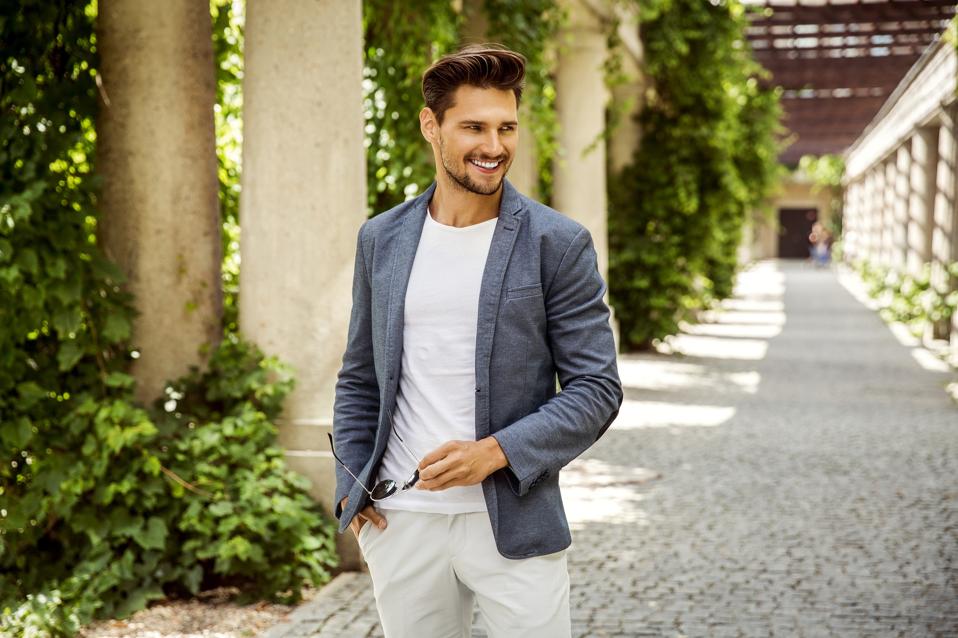
Credit: nilds.gov.ng
Caring For Business Casual Clothes
Proper care keeps your clothes looking new.
- Wash shirts on gentle cycles.
- Iron or steam shirts and pants.
- Store jackets on hangers.
- Polish leather shoes regularly.
- Replace socks and belts when worn.
A non-obvious tip: rotate your shoes. Wearing the same pair every day wears them out faster. Have at least two pairs and alternate.
If you travel, use garment bags to protect shirts and jackets. Always air out your shoes between wears.
Business Casual Outfit Planning For Busy Days
If you have a busy schedule, planning outfits saves time. Try these strategies:
- Lay out clothes the night before.
- Keep shirts and pants paired in your closet.
- Use accessories to change the look quickly.
Having a few go-to combinations helps, especially if you’re short on time. Use a digital wardrobe app to track your outfits and avoid repeats.

Credit: lvsfashion.com
Business Casual For Remote Work And Hybrid Offices
Remote work changes dress codes. You may not need full business casual every day, but you still want to look professional for video calls.
- Collared shirts or sweaters
- Comfortable chinos or dress pants
- Simple accessories
Avoid T-shirts or hoodies unless your company allows. Dressing well improves focus and confidence. Even at home, business casual helps set boundaries between work and leisure.
Non-obvious tip: Keep a clean, neutral shirt near your workspace for unexpected video calls.
Business Casual For Important Events
Sometimes you need to dress up for presentations, interviews, or networking events. Here’s how to look your best:
- Wear your sharpest button-down shirt
- Add a blazer or sport coat
- Choose dress pants over chinos
- Use leather shoes and a matching belt
If you’re unsure, it’s better to dress a bit more formally. You can always remove a jacket or tie if needed. Grooming matters—make sure your hair and facial hair look neat.
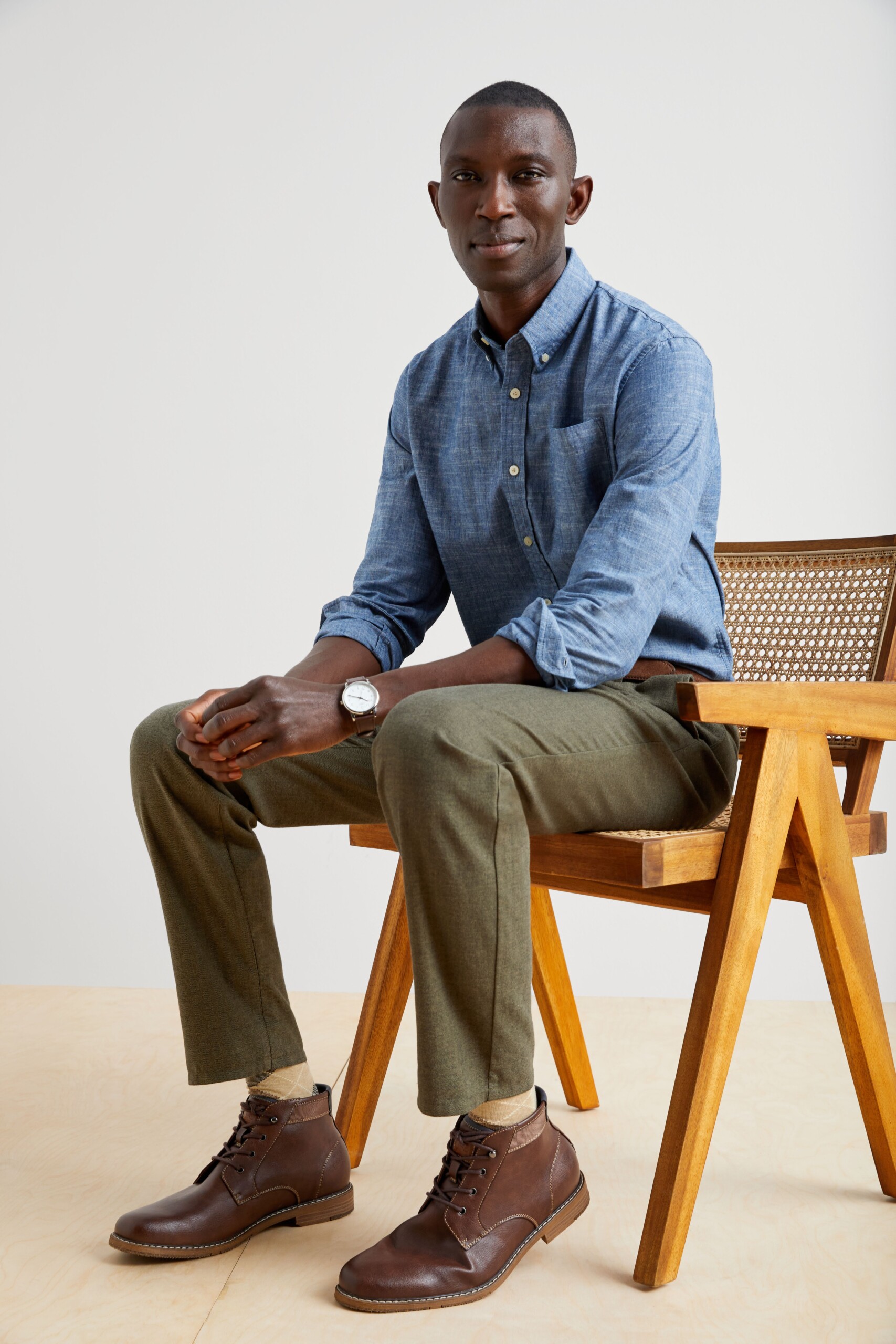
Credit: www.tosushi.mx
Business Casual Clothes And Sustainability
Many brands now focus on sustainability. Look for clothes made from organic cotton, recycled materials, or ethical production.
- Check brand labels for sustainability info.
- Buy fewer, better-quality items.
- Care for clothes to reduce waste.
Sustainable choices help the planet and your wallet. Brands like Uniqlo and J. Crew offer eco-friendly lines. Avoid fast fashion if you want your clothes to last.
Online Shopping Tips For Business Casual Clothes
Buying clothes online is convenient but tricky. Here’s how to shop smart:
- Check size charts carefully.
- Read reviews for fit and quality.
- Look for free returns or exchanges.
- Compare prices across sites.
A useful resource for men’s style and shopping is GQ Style.
Try ordering just one item first to test fit and quality before buying more.
Business Casual For Travel
If you travel for work, pack wisely.
- Choose wrinkle-resistant shirts and pants.
- Use travel-size shoe polish.
- Pack a versatile blazer.
- Roll clothes to save space.
Keep a spare shirt in your carry-on in case of spills. Bring travel hangers for jackets.
Non-obvious advice: Pack neutral clothes that mix and match easily to reduce luggage.
Frequently Asked Questions
What Is Considered Business Casual For Men?
Business casual includes collared shirts, dress pants or chinos, leather shoes, and simple accessories. Jackets and sweaters are optional. Jeans and sneakers are only allowed if your office permits.
Can I Wear Jeans As Business Casual?
You can wear dark, straight-leg jeans if your company’s dress code allows. Avoid ripped or faded jeans. Pair jeans with a button-down or polo and leather shoes.
Do I Need To Wear A Tie With Business Casual?
A tie is not required for business casual. You can wear a tie if you want to look more formal, but most business casual outfits do not include one.
What Shoes Work Best With Business Casual?
Leather loafers, oxfords, derby shoes, and brogues are best for business casual. Avoid athletic shoes, sandals, or boots unless your office allows.
How Do I Keep My Business Casual Clothes Looking Good?
Wash shirts gently, iron or steam clothes, store jackets properly, and polish shoes regularly. Rotate your shoes and replace worn accessories for a clean look.
---
Business casual clothes for men offer flexibility and comfort without losing professionalism. With the right pieces, you can build a wardrobe that fits any office or event. Remember to focus on fit, quality, and neutral colors. Avoid common mistakes, and update your style as your needs change.
Dressing well helps you feel confident at work and makes a positive impression. Use this guide as your starting point, and enjoy creating outfits that are both stylish and practical. With smart choices, your wardrobe will work for any season, event, or office.
