

Are Leggings Good for the Gym? Benefits and Expert Insights
Are Leggings Good For The Gym
Many people wonder if leggings are a smart choice for gym workouts. With activewear brands everywhere and new fitness trends popping up, it’s easy to feel confused. Should you pick leggings or stick to traditional gym shorts or sweatpants? Are leggings comfortable and safe?
Do they help your performance, or are they just a fashion statement?
Let’s explore what makes leggings unique, how they compare to other gym attire, and which situations suit them best. Whether you are new to the gym or already have a closet full of workout gear, you’ll find practical advice and answers to common questions here. This guide will help you understand the real pros, cons, and myths about wearing leggings for exercise.
What Are Leggings?
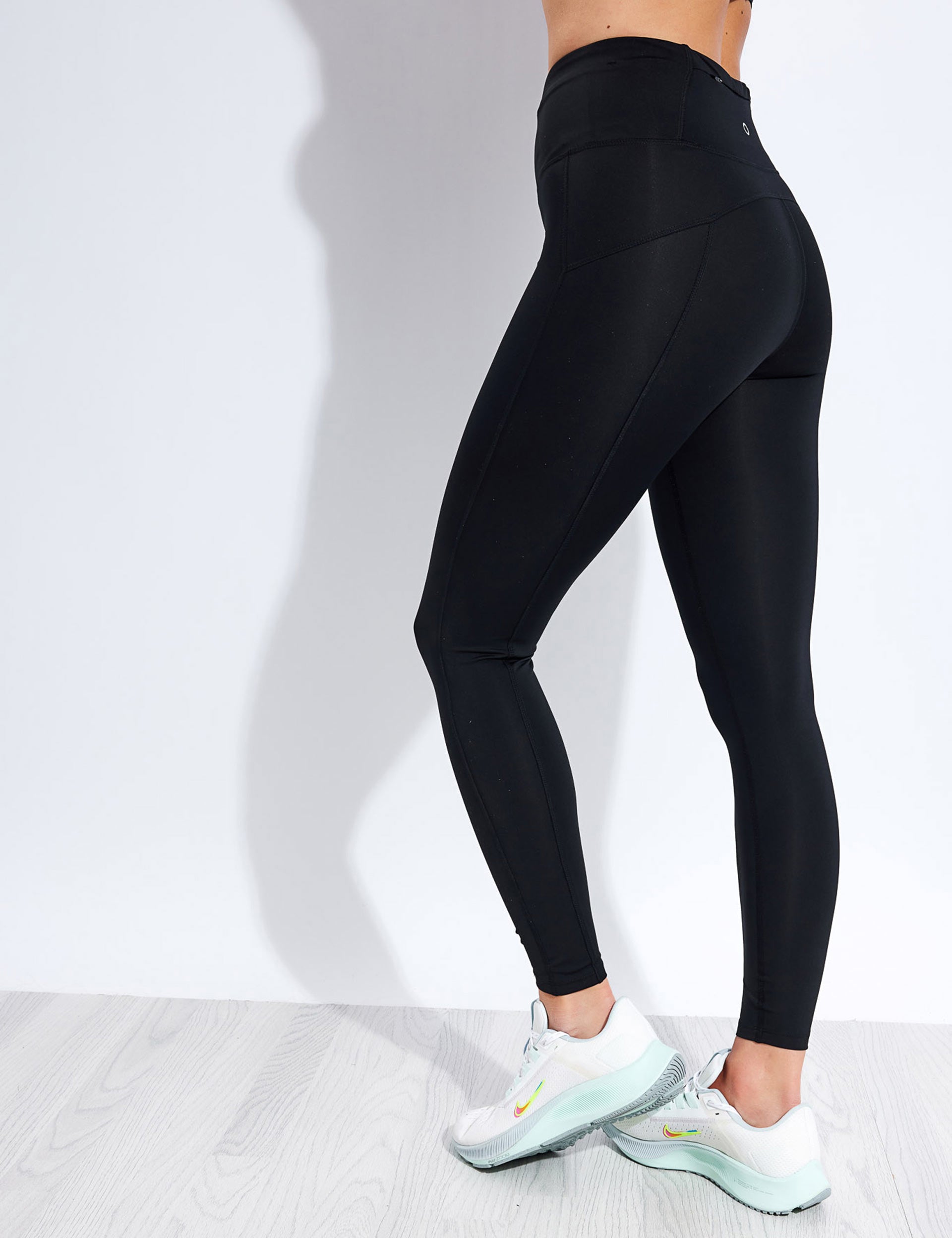
Leggings are close-fitting pants made from stretchy fabrics like spandex, nylon, or polyester. They usually reach the ankles and are designed to fit snugly against the skin. Unlike sweatpants or joggers, leggings do not have loose legs or cuffs.
Most leggings are made for comfort and flexibility. They were originally worn for dance and yoga, but today, they are common in gyms everywhere. You’ll find leggings in many colors, patterns, and thicknesses, from lightweight options for hot weather to thermal styles for winter.
Types Of Leggings
There are several types of leggings for gym use:
- Compression leggings – These offer firm support and may help with circulation.
- High-waisted leggings – Provide extra coverage and support around the stomach.
- Capri leggings – End below the knee, suitable for warmer climates.
- Seamless leggings – Made without seams, reducing irritation and chafing.
- Pocketed leggings – Include built-in pockets for carrying essentials.
Each type serves different needs. For example, compression leggings are popular with runners and athletes, while high-waisted leggings are favored for yoga and strength training.
Leggings Versus Other Gym Clothing
Leggings compete with other gym clothing like shorts, joggers, and sweatpants. To understand their benefits and drawbacks, let’s compare them with these options.
| Feature | Leggings | Shorts | Joggers/Sweatpants |
|---|---|---|---|
| Fit | Snug, stretchy | Loose or fitted | Loose, relaxed |
| Flexibility | High | Medium | Low to medium |
| Coverage | Full (ankle to waist) | Partial (mid-thigh) | Full (ankle to waist) |
| Breathability | Varies by fabric | Very high | Medium |
| Support | Good (especially compression) | Minimal | Minimal |
| Style options | Wide range | Moderate | Limited |
| Popularity | High | High | Low to medium |
Leggings offer unique advantages, but they also have some limits compared to other gym wear.
Benefits Of Wearing Leggings At The Gym
Leggings have grown popular for many reasons. Here are the main advantages:
1. Enhanced Comfort
The stretchy fabric makes leggings very comfortable. They move with your body, so you won’t feel restricted during squats, lunges, or stretches. Unlike shorts, leggings don’t ride up or slip down easily.
2. Improved Performance
Many athletes believe leggings help their performance. Compression leggings, for example, can increase blood flow and reduce muscle fatigue. Studies show that compression garments may lower soreness and speed up recovery after intense workouts.
3. Moisture Management
Most gym leggings use moisture-wicking fabrics. This means sweat is pulled away from your skin and evaporates faster. You’ll feel dry and less sticky, which is important during cardio or HIIT workouts.
4. Reduced Chafing And Irritation
Seamless or smooth leggings help prevent chafing. This is a common problem for runners and cyclists, especially with shorts or loose pants. Leggings cover the skin fully and reduce rubbing.
5. Support And Shape
Leggings provide gentle support for your muscles. High-waisted designs also support the core and lower back. Many people like the shaping effect—leggings can make legs look more toned.
6. Versatile Style
Leggings come in many colors and designs. You can express your personality or match your gym outfit easily. They’re also easy to pair with tank tops, sports bras, or hoodies.
7. Convenience
Some leggings have pockets for carrying keys, cards, or a phone. This feature is practical for running or using gym equipment.
Downsides And Common Complaints
While leggings have many benefits, they aren’t perfect for everyone. Here are some drawbacks:
1. Transparency Issues
Some leggings become see-through when stretched. This can be embarrassing during squats or bending. Cheap fabrics are more likely to have this problem. It’s wise to check leggings in good lighting before wearing them to the gym.
2. Heat Retention
Leggings can feel hot in warm weather. If you sweat heavily or live in a hot climate, shorts may be more comfortable. Lightweight or capri leggings offer better breathability, but thick fabrics can trap heat.
3. Hygiene Concerns
Tight-fitting clothing can hold sweat and bacteria close to the skin. If you don’t wash leggings after every workout, you might risk skin irritation or fungal infections. Always wash leggings promptly and avoid wearing them for too long after exercise.
4. Fit And Sizing Challenges
Finding the right fit isn’t always easy. Leggings that are too tight can restrict movement or cause discomfort. Too loose, and they may slip down or bunch up. Sizing differs between brands, so always try before you buy if possible.
5. Not Always Suitable For All Activities
While leggings are great for yoga, strength training, and running, they may not suit every activity. For sports involving sliding, climbing, or heavy contact, you might need more durable pants.
Leggings And Gym Etiquette
Gym culture varies by location, but leggings are widely accepted. Some gyms may have dress codes, so check the rules before wearing leggings. Most fitness centers welcome leggings, as long as they are not see-through or overly revealing.
Leggings are popular with both men and women. Men’s leggings, also called tights, are common in running, cycling, and weightlifting. However, men may feel less comfortable wearing leggings in some gyms due to social norms.
Modesty And Comfort
Leggings should cover the body well and not draw unwanted attention. If you feel self-conscious, pairing leggings with a longer top or shorts can help. Many people wear leggings with oversized t-shirts or hoodies for extra coverage.
How Leggings Affect Workout Performance
Research shows that compression leggings may improve performance in certain ways. For example, athletes wearing compression leggings report lower muscle fatigue and better endurance. The snug fit helps reduce vibrations in the muscles, which can lower soreness after exercise.
A study published in the Journal of Sports Sciences found that compression garments reduced perceived muscle soreness by about 20%. Another research review noted that compression leggings helped with post-workout recovery, especially for runners and cyclists.
Psychological Effects
Wearing leggings can boost confidence and motivation. Many people feel more focused when their clothing fits well and looks good. This psychological boost may help you push harder during workouts.
Choosing The Right Leggings For The Gym
Picking leggings isn’t just about style. Consider these key factors:
1. Fabric Quality
Look for moisture-wicking and breathable materials like polyester, nylon, or spandex blends. Avoid cotton—it absorbs sweat and dries slowly.
2. Opacity
Test leggings for transparency before buying. Bend or squat in front of a mirror to check. High-quality fabrics and double-layer designs are less likely to show through.
3. Waistband Design
A high-waisted waistband provides more support and stays in place. Low-rise styles may slip during movement.
4. Length
Choose the right length for your activity and climate:
- Full-length: Best for cooler weather and gym workouts.
- Capri: Good for warmer climates or high-intensity exercise.
5. Compression
Compression leggings offer muscle support and better circulation. They are ideal for high-impact workouts or running.
6. Pockets
If you want to carry items, pick leggings with side pockets or hidden waist pockets.
7. Seam Construction
Seamless leggings reduce chafing and irritation. Flat seams are also comfortable for long workouts.
8. Price
Quality leggings range from $20 to $100. Cheap leggings may wear out quickly or become see-through. Invest in a reliable brand for durability.
Leggings For Different Gym Activities
Leggings are not one-size-fits-all. Here’s how they perform across popular gym activities:
Yoga And Pilates
Leggings are ideal for yoga and Pilates. They allow full movement and don’t slip or bunch. High-waisted leggings are popular for these workouts.
Strength Training
Leggings give support during squats, deadlifts, and lunges. Compression styles may help with muscle recovery.
Cardio Workouts
For running, cycling, or HIIT, leggings with moisture-wicking fabric keep you dry. Compression leggings may improve endurance.
Group Fitness Classes
Leggings are versatile for classes like Zumba or spin. Look for leggings with a secure waistband and good breathability.
Crossfit And Functional Training
Leggings can work well for CrossFit, but choose durable fabrics. Avoid thin leggings that might tear during rope climbs or heavy lifts.
Outdoor Workouts
For outdoor exercise, leggings protect against wind and sun. Thermal leggings are good for cold weather, while lightweight capris suit hot days.
Credit: thesportsedit.com
Leggings For Men: Myths And Realities
Men often wonder if leggings are suitable or accepted in the gym. The answer depends on comfort, activity, and gym culture.
Benefits For Men
- Muscle support during weightlifting and running
- Reduced chafing for long-distance exercise
- Improved flexibility and movement
Men’s leggings, often called compression tights, are designed for athletic performance. Many male athletes wear leggings under shorts for extra support.
Common Misconceptions
Some believe leggings are only for women. This is not true—many top athletes and trainers use leggings. It’s normal to feel unsure at first, but confidence grows with experience.
Practical Tips For Men
- Choose dark colors for modesty.
- Wear shorts over leggings if you feel self-conscious.
- Pick compression styles for muscle support.
Practical Tips For Buying And Wearing Leggings
Here are tips to help you get the most from leggings at the gym:
- Try before you buy: Sizing differs between brands.
- Check for transparency: Test leggings in bright light.
- Wash after every workout: Prevent odor and skin irritation.
- Avoid cotton blends: They trap sweat.
- Pair with supportive underwear: Prevent discomfort.
- Look for flat seams: Reduce chafing.
- Invest in quality: Durable leggings last longer.
Leggings And Body Positivity
Leggings can help people feel more comfortable and confident in the gym. The snug fit shows body shape, which can be motivating. However, not everyone feels comfortable with tight clothing.
If you feel self-conscious, try pairing leggings with a longer shirt or shorts. Focus on comfort and performance rather than appearance. Remember, gym culture is becoming more accepting—most people focus on their own workouts.
Leggings And Sustainability
Many brands are now offering eco-friendly leggings made from recycled materials. These help reduce environmental impact. Look for leggings labeled as “sustainable” or “recycled” if you care about the planet.
Eco-friendly leggings often use recycled polyester or nylon. Some brands also use natural dyes and reduce water use. Sustainable leggings may cost more but last longer.
Leggings Care And Maintenance
To keep leggings in good shape:
- Wash in cold water after each workout.
- Avoid fabric softeners—they damage elastic fibers.
- Air dry leggings instead of using a dryer.
- Store folded, not hung, to prevent stretching.
Proper care extends the life of your leggings and keeps them comfortable.
Common Beginner Mistakes
Many gym newcomers make mistakes with leggings. Here are some to avoid:
- Buying cheap, see-through leggings: Invest in quality to avoid embarrassment.
- Ignoring fit: Leggings that are too tight can restrict movement.
- Wearing leggings too long after workouts: Change to avoid skin issues.
- Skipping underwear: Leggings are not a substitute for underwear.
- Choosing cotton: Cotton leggings are not ideal for sweating.
These tips will help you avoid discomfort and make the most of your gym experience.

Credit: www.womenshealthmag.com
Data: Leggings Popularity In Gyms
Leggings are now one of the most popular gym clothing items. Surveys show that about 70% of women and 30% of men wear leggings or tights for exercise. Sales of leggings have increased by more than 50% in the past few years, according to activewear market reports.
Here’s a quick look at gym clothing popularity:
| Clothing Item | Women (%) | Men (%) |
|---|---|---|
| Leggings/Tights | 70 | 30 |
| Shorts | 20 | 60 |
| Joggers/Sweatpants | 10 | 10 |
You can see that leggings are especially popular among women, but men are starting to wear them more often, especially for running and strength training.
Real User Experiences And Insights
Many gym-goers share positive experiences with leggings. For example, users often mention:
- No restriction during deep squats or lunges
- Better comfort compared to shorts
- Less chafing during long runs
Some also report feeling more confident and motivated. However, a few mention problems with transparency or overheating in summer.
One non-obvious insight is that leggings can reduce distraction. When your clothing fits well and stays in place, you focus more on your workout. Another insight is the psychological boost—wearing new or stylish leggings can make workouts feel more enjoyable.
Leggings: Fashion Vs Function
Leggings are both fashionable and functional. Many brands offer trendy designs, but don’t forget performance. Choose leggings that meet your workout needs first—fashion comes second.
Some people wear leggings for style, even outside the gym. While this is common, remember that gym leggings should prioritize breathability, support, and durability.
Leggings Safety Considerations
Safety matters in the gym. Leggings can help prevent injuries by supporting muscles and reducing chafing. However, avoid leggings that are too tight—they can restrict blood flow or cause discomfort.
Always check leggings for damage. Torn or stretched-out leggings may not offer enough support. Replace old leggings when they lose shape or elasticity.

Credit: www.afvt.org
Leggings And Gym Trends
Leggings have become a gym trend thanks to social media and fitness influencers. Many brands collaborate with athletes to create new designs. Trends include:
- High-waisted styles
- Bold patterns and colors
- Seamless designs
- Eco-friendly materials
These trends make leggings attractive, but always focus on quality and comfort.
Leggings And Gym Confidence
Feeling good in your gym clothes boosts confidence. Leggings help many people feel motivated to exercise. If you’re unsure, start with dark colors or high-waisted styles—they offer more coverage.
Confidence grows with experience. The more you wear leggings, the easier it gets. Don’t worry about what others think—focus on your workout.
Leggings: Myth-busting
Some myths about leggings exist. Let’s address a few:
- Leggings are only for women: False. Men wear leggings too, especially for running and lifting.
- Leggings are not suitable for intense workouts: False. Compression leggings support muscles during high-impact exercise.
- Leggings are always see-through: False. Quality leggings are opaque.
- Leggings are just fashion: False. They offer practical benefits like support and moisture management.
Don’t let myths stop you from trying leggings in the gym.
Leggings And Gym Motivation
Good gym clothing can motivate you. Leggings are comfortable, stylish, and functional. Wearing leggings may help you feel ready for exercise and more focused.
If you’re struggling with motivation, try new leggings or workout outfits. The psychological boost can make a difference.
Leggings And Inclusivity
Leggings fit many body types and sizes. Brands now offer leggings in plus sizes, petite, and tall lengths. This inclusivity makes leggings accessible for more people.
Choose leggings that fit your body and needs. Don’t worry about appearance—everyone deserves comfort and support.
Leggings In Professional Gyms
Professional gyms welcome leggings. Trainers and athletes wear them for performance and comfort. Leggings are standard gear for yoga studios, pilates classes, and running clubs.
Some gyms may have rules about transparency or modesty. Check guidelines before wearing leggings to new fitness centers.
Leggings: Final Thoughts
Leggings are a smart choice for the gym. They offer comfort, flexibility, and support. While there are some drawbacks, you can avoid most problems by choosing quality leggings and caring for them properly.
Leggings help you perform better, feel more confident, and focus on your workout. Whether you are a beginner or experienced athlete, leggings can be a valuable part of your gym wardrobe.
If you want more scientific information on activewear and performance, you can find reliable studies at National Institutes of Health.
Frequently Asked Questions
Are Leggings Comfortable For All Gym Workouts?
Yes, leggings are comfortable for most gym workouts. The stretchy fabric allows full movement and doesn’t restrict your range of motion. Leggings are especially good for yoga, strength training, and cardio. For sports like climbing or contact activities, more durable pants may be better.
Do Leggings Help Improve Workout Performance?
Leggings can help improve performance, especially compression styles. They support muscles, boost circulation, and may reduce soreness after exercise. Many athletes report better endurance and faster recovery with leggings.
How Do I Prevent Leggings From Becoming See-through?
Choose high-quality leggings with thick, double-layer fabrics. Test them in good lighting by bending or squatting. Avoid cheap, thin materials. Washing leggings according to care instructions also helps maintain opacity.
Are Leggings Safe For Men To Wear In The Gym?
Yes, leggings are safe and practical for men in the gym. They offer muscle support, reduce chafing, and improve flexibility. Men’s leggings, or tights, are common in running, cycling, and weightlifting. If you feel self-conscious, wear shorts over leggings.
How Should I Care For Gym Leggings?
Wash leggings in cold water after every workout. Avoid fabric softeners and air dry instead of using a dryer. Store leggings folded to prevent stretching. Proper care keeps leggings comfortable and extends their lifespan.
