

Why Do People Say Affirmations? Unveiling the Real Benefits
Why Do People Say Affirmations
Everyone has moments of self-doubt, stress, or low motivation. During these times, some people quietly repeat positive statements to themselves—these are called affirmations. You might hear about affirmations from friends, see them on social media, or read about them in self-help books. But why do people say affirmations, and do they really work? This article explores the reasons behind using affirmations, the science, the myths, and how they can change your daily life. Whether you are new to affirmations or want to understand them deeply, you will find clear answers here.
What Are Affirmations?
Affirmations are short, positive statements that people say to themselves. The goal is to challenge negative thoughts and build confidence. For example, someone might say, “I am capable,” or “I choose to be happy.” These phrases are often repeated daily, either out loud or silently.
Affirmations are not just random sentences. They are carefully chosen to reflect what a person wants to believe or achieve. Some people write them on sticky notes, keep them as phone wallpapers, or even use apps that send reminders.
The idea is simple: by repeating positive statements, you can influence your mindset and feelings. This practice is popular in many cultures and is used by athletes, business leaders, students, and anyone who wants to improve their mental state.
The Science Behind Affirmations
You may wonder if saying affirmations is just wishful thinking. In fact, there is some scientific evidence that supports how affirmations affect the brain.
How Affirmations Affect The Brain
When you say or think positive statements, your brain processes them as real experiences. This process is called self-affirmation theory. Research using brain scans shows that affirmations activate areas linked to self-worth and reward.
For example, one study found that repeating affirmations increased activity in the ventromedial prefrontal cortex. This part of the brain is involved in processing self-related information and positive emotions. When this area is active, people tend to feel better about themselves and are more open to change.
Benefits In Stress And Performance
Studies also show that affirmations can reduce stress. When people practice self-affirmation before a stressful event, their bodies show lower levels of the stress hormone cortisol. This means they may feel less anxious and more in control.
Athletes often use affirmations to boost performance. By repeating phrases like “I am strong” or “I can win,” they prepare their minds for success. Students also benefit—those who use affirmations before exams often feel less nervous and perform better.
The Limits Of Science
While affirmations have benefits, they are not magic. If someone repeats statements they do not believe at all, affirmations might not help or could even make them feel worse. The key is to choose statements that feel possible and meaningful.
Why Do People Say Affirmations?
There are many reasons people turn to affirmations. Some are searching for confidence, while others want to manage stress or reach their goals. Here are the main reasons, explained in detail:
1. Building Self-confidence
Many people struggle with self-doubt. Affirmations help by reminding them of their strengths. For example, saying “I am enough” or “I can handle challenges” can replace negative self-talk with positive beliefs.
Over time, these words can reshape how a person sees themselves. A study showed that people who used positive affirmations had higher self-esteem than those who did not.
2. Reducing Negative Thoughts
Our minds often focus on problems or fears. Affirmations interrupt this cycle. When you catch yourself thinking, “I always fail,” an affirmation like “I learn from mistakes” shifts your focus to growth.
This practice helps break the habit of rumination—repeating negative thoughts in your mind. With practice, positive thoughts become more natural.
3. Managing Stress And Anxiety
Affirmations are a simple tool for handling stress. By repeating calming phrases like “I am safe” or “I can cope with this,” people can soothe their minds. This is useful during tough times, interviews, or public speaking.
Research shows that people who use affirmations feel less physical tension and report a calmer mood.
4. Achieving Goals
Affirmations are used in goal-setting. By stating goals in the present tense—“I am becoming healthier” or “I am focused on my work”—people motivate themselves to take action.
This works because affirmations make goals feel real and possible. They serve as reminders and encourage persistence, even when progress is slow.
5. Improving Relationships
Some people use affirmations to become better partners, friends, or coworkers. Statements like “I listen with empathy” or “I am patient with others” remind you of the kind of person you want to be.
This can lead to better communication and more positive interactions.
6. Healing Emotional Wounds
Affirmations can help heal from past pain. For example, someone who experienced rejection might say, “I am worthy of love. ” Over time, these words can ease old emotional wounds and build resilience.
Therapists sometimes use affirmations with clients to support recovery from trauma, grief, or low self-worth.
7. Creating Daily Positivity
Starting the day with positive statements sets a hopeful tone. Many people use affirmations as part of their morning routine. This helps them face challenges with optimism and gratitude.
A simple morning affirmation like “Today is a new opportunity” can change the whole mood of the day.
8. Supporting Physical Health
There is evidence that affirmations can help people make healthier choices. For example, someone wanting to quit smoking might say, “I am in control of my choices. ” These statements increase motivation and reduce the power of old habits.
A study found that patients who used affirmations had better recovery rates after surgery. This shows that a positive mindset can support the healing process.
9. Spiritual Growth
For some, affirmations are part of spiritual practice. Repeating positive words is a tradition in many religions, such as prayers or mantras. This practice brings peace, focus, and a sense of connection.
Spiritual affirmations often use phrases like “I trust the journey” or “I am guided by love. ”
10. Overcoming Limiting Beliefs
Limiting beliefs are thoughts like “I am not good enough” or “I never succeed. ” Affirmations challenge these beliefs by offering a new perspective.
By repeating positive statements, people slowly change their inner dialogue. Over time, this can lead to new actions and opportunities.
Examples Of Common Affirmations
Affirmations are most effective when they are personal, positive, and present tense. Here are some examples people often use:
- “I am confident and calm.”
- “I deserve happiness.”
- “I am grateful for today.”
- “I am growing stronger every day.”
- “I trust my decisions.”
- “I am worthy of respect.”
- “I attract positive energy.”
- “I am open to new possibilities.”
The best affirmations are specific to your needs. You can create your own by thinking about what you want to believe or achieve.
How To Use Affirmations Effectively
Simply repeating words is not enough. To get real benefits, it helps to follow these practical steps:
Choose Meaningful Statements
Pick affirmations that feel true or possible. If you don’t believe the words, your mind may resist them. For example, instead of “I am a millionaire,” try “I am improving my finances. ”
Repeat Regularly
Consistency is key. Say your affirmations every day—morning, night, or whenever you need a boost. Some people write them down, record them, or set reminders.
Use Emotion
Feel the meaning behind your words. Imagine the affirmation as real. For example, when you say “I am confident,” stand tall and recall a time you felt brave.
Combine With Action
Affirmations work best with action. Use your positive mindset to take steps toward your goals. For example, if your affirmation is about health, make healthy choices each day.
Track Progress
Notice changes in your mood, thoughts, or actions. Keeping a journal helps you see how affirmations are working in your life.
Common Mistakes With Affirmations
Many beginners make mistakes that limit the power of affirmations. Understanding these can help you avoid frustration.
Choosing Unrealistic Statements
If you pick affirmations that are too far from your current reality, your brain might reject them. For example, saying “I love public speaking” when you fear it can backfire. Start with “I am learning to speak in public” instead.
Lack Of Consistency
Saying an affirmation once or twice is not enough. The brain needs repetition to form new beliefs. Make affirmations a daily habit for best results.
Ignoring Emotions
Repeating words with no feeling does little. Engage your emotions—believe in your statement as much as you can.
Not Taking Action
Affirmations alone cannot change your life. They must lead to real steps. If you say “I am fit and healthy,” but do not exercise or eat well, the affirmation loses power.
Expecting Instant Results
Change takes time. Affirmations work slowly as you build new thinking habits. Be patient and trust the process.
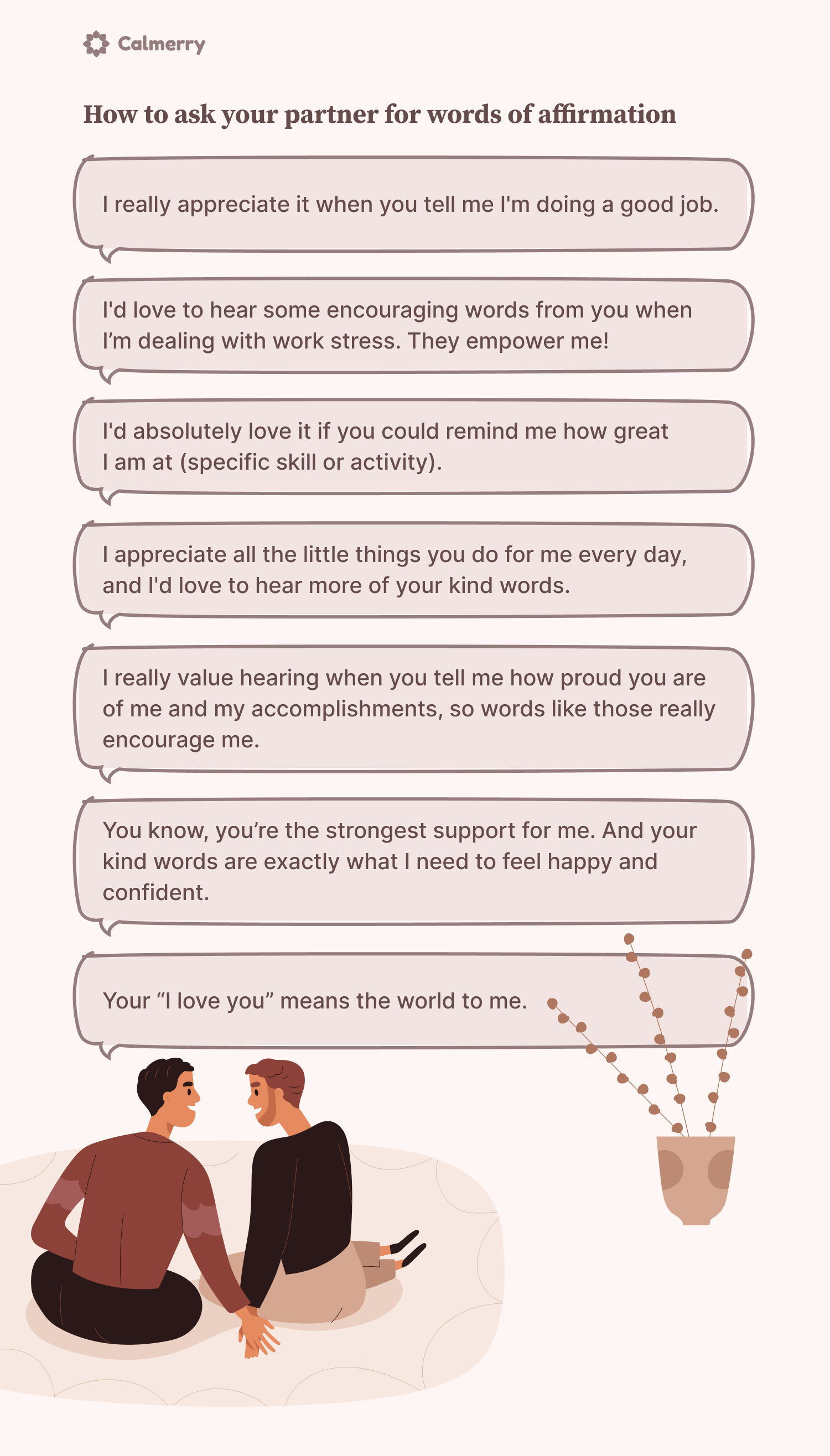
Credit: calmerry.com
Affirmations Vs. Other Self-help Techniques
Affirmations are one of many tools for personal growth. How do they compare to other popular methods? The table below highlights some differences.
| Technique | Main Purpose | How It Works | Best For |
|---|---|---|---|
| Affirmations | Change self-talk | Repeat positive statements | Boosting confidence, motivation |
| Meditation | Calm the mind | Focus on breath or a mantra | Reducing stress, increasing awareness |
| Visualization | Picture success | Imagine achieving goals | Preparing for challenges |
| Journaling | Process thoughts | Write feelings and experiences | Understanding emotions, planning |
Affirmations are easy to start and can be used with other methods. Some people combine them with meditation, visualization, or journaling for deeper results.
Real-life Examples Of Affirmations In Action
Many well-known people use affirmations to achieve success. Here are a few inspiring stories:
- Athletes: Olympic champions often repeat affirmations before big events. For example, a runner might say, “I am fast and strong” to boost confidence.
- Entrepreneurs: Business leaders use affirmations to stay focused and overcome setbacks. Statements like “I can solve problems” keep them motivated during hard times.
- Students: Before exams, students use affirmations to stay calm. “I am prepared” helps reduce anxiety and improve performance.
One non-obvious insight is that affirmations can also be used to change habits slowly. For instance, someone trying to wake up earlier might use, “I enjoy starting my day early. ” Over time, their mindset shifts, making the new habit feel easier.
Another insight: affirmations are more powerful when shared. Saying positive words with a friend, partner, or group can strengthen the belief and build support.
When Affirmations Do Not Work
While affirmations help many people, they do not work for everyone or in every situation. Here are some reasons why:
- The affirmation feels fake or impossible.
- The person is struggling with deep mental health issues that need professional help.
- There is no action to support the words.
If you find affirmations are not helping, try adjusting your statements or combining them with other tools. If you are feeling very low or stuck, consider speaking with a counselor or therapist.
Data And Statistics On Affirmations
Research on affirmations is growing. Here are some key findings to help you understand their impact:
| Study Area | Key Finding | Impact |
|---|---|---|
| Stress reduction | Affirmations lower cortisol during stress | People feel calmer, handle pressure better |
| Academic performance | Students using affirmations perform better on tests | Less anxiety, higher scores |
| Self-esteem | Daily affirmations boost self-worth over time | Improved confidence, reduced negative self-talk |
| Health behavior | Affirmations support healthy choices | Better diet, more exercise, faster recovery |
While not every study finds strong effects, most agree that affirmations are helpful when used correctly and consistently.
How To Create Your Own Affirmations
Custom affirmations are often more effective than generic ones. Here’s a practical guide to making affirmations that fit your life:
- Identify an area to improve: Confidence, health, relationships, work, etc.
- Write a positive statement: Use present tense and keep it short. Example: “I am learning new skills.”
- Make it believable: If your goal feels too far away, soften the language. Example: “I am becoming more confident.”
- Focus on what you want: Avoid negative words. Instead of “I am not afraid,” try “I am brave.”
- Test and adjust: Say your affirmation out loud. If it feels wrong, tweak the words until it feels right.
It can help to write your affirmation in a notebook, put it on your mirror, or set reminders on your phone.
Myths And Facts About Affirmations
There are many myths about affirmations. Let’s clear up some common misunderstandings:
| Myth | Fact |
|---|---|
| Affirmations work instantly | They require time and repetition to change thinking patterns |
| Any positive statement is an affirmation | Effective affirmations are personal and meaningful |
| Affirmations replace the need for action | They support, but do not replace, real effort and habits |
| Affirmations are only for positive people | Anyone can use affirmations, even during tough times |
| They are only for adults | Children and teens can benefit from affirmations too |
Understanding these facts helps set realistic expectations and avoid disappointment.
Who Should Use Affirmations?
Affirmations are for anyone who wants to improve their mindset or habits. They are especially helpful for:
- People facing self-doubt or low confidence
- Anyone wanting to build new habits
- Those recovering from setbacks or emotional pain
- Students preparing for exams
- Athletes seeking better performance
- People under stress at work or home
However, affirmations are not a replacement for medical or psychological help when needed. If you have serious mental health struggles, it’s important to seek professional support.
Affirmations In Different Cultures
Affirmations are not new. Many cultures have used positive statements for centuries. For example:
- In Buddhism, mantras are repeated for focus and peace.
- In Christianity, people use prayer and scripture for encouragement.
- In modern psychology, affirmations are part of cognitive behavioral therapy.
The common thread is the power of words to shape thoughts and feelings. Affirmations are a modern name for an age-old practice.
Tips For Making Affirmations Work For You
For the best results, try these tips:
- Start with just one or two affirmations.
- Say them slowly and with feeling.
- Use a mirror—look at yourself as you speak.
- Pair affirmations with deep breathing.
- Change your affirmations as your goals evolve.
Some people find it helpful to record their affirmations and listen to them during the day. Others write them in a journal or share them with a trusted friend.
Risks And Cautions
Affirmations are safe for most people, but there are a few cautions:
- If you struggle with very negative thoughts or mental illness, affirmations alone may not be enough.
- Forcing yourself to believe something that feels untrue can lead to frustration.
- Affirmations should never replace getting help for serious problems.
Use affirmations as a tool, not a cure-all. If you need more support, reach out to a professional or trusted person.
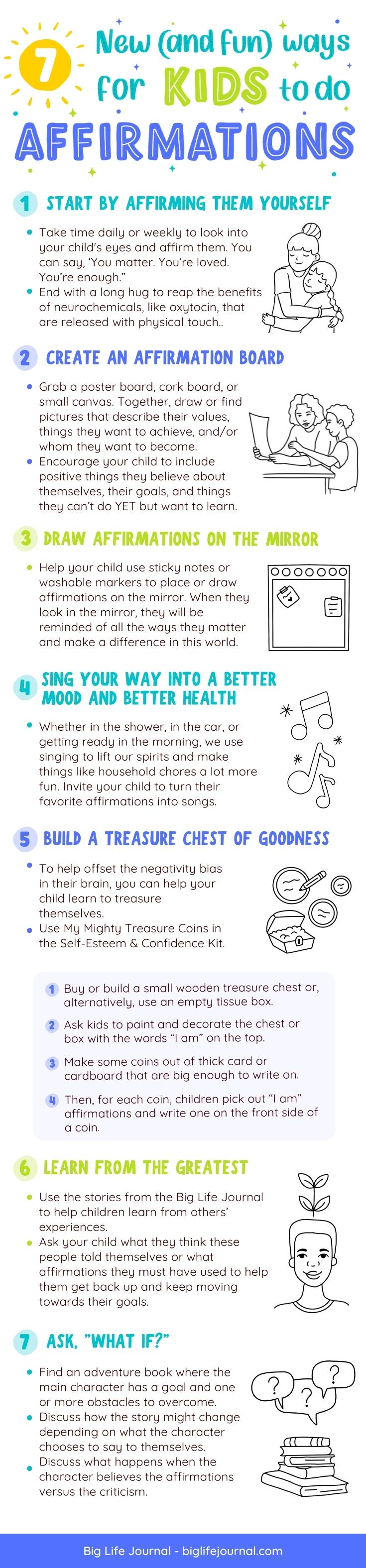
Credit: biglifejournal.com
A Final Note On Affirmations
Saying affirmations is more than just repeating words. It is a practice that can gently change how you see yourself and the world. The real power of affirmations comes from their ability to interrupt old patterns and start new ones.
If you have never tried affirmations, start simple. Pick one area of life where you want to feel better or do better. Create a short, positive statement, and say it daily. Over time, you may notice small shifts—more confidence, less stress, or a greater sense of possibility.
Remember, affirmations are most effective when combined with real action and self-compassion. Be patient with yourself and celebrate progress, no matter how small.
For those interested in the scientific background, you can read more at National Institutes of Health.
Frequently Asked Questions
What Is The Best Time To Say Affirmations?
You can say affirmations anytime—morning, night, or during stressful moments. Many people find it helpful to start and end the day with affirmations for a positive mindset.
Can Affirmations Help With Anxiety?
Yes, affirmations can help reduce anxiety by replacing negative thoughts with calming, positive statements. They work best when used regularly and combined with healthy coping strategies.
Do I Need To Say Affirmations Out Loud?
Saying affirmations out loud can make them feel more real, but you can also repeat them silently in your mind. Writing them down is another effective method.
How Long Does It Take For Affirmations To Work?
Affirmations work gradually. Some people notice changes in a few days, while for others it takes weeks or longer. Consistency and belief in the statements are important for results.
Can Children Use Affirmations?
Absolutely. Children can benefit from affirmations to build confidence and handle challenges. Use simple, positive phrases and practice together as a family.
Affirmations are a powerful, flexible tool for self-growth. They are easy to start, can be personalized, and often lead to real, lasting change when practiced with intention and patience.

Credit: coffeeandcarpool.com
