

When to Do Affirmations: Best Times for Maximum Impact
When To Do Affirmations
Every day, millions of people repeat positive statements to themselves, hoping for a better life, more confidence, or a happier mind. These short, powerful phrases—called affirmations—are now part of morning routines, therapy sessions, and even sports training. But one question often comes up: When is the best time to do affirmations?
Choosing the right moment can make your affirmations far more effective. Just like watering plants at the perfect time of day, affirmations need the right timing to grow into real change. If you’ve tried affirmations and felt little difference, timing could be the missing key.
Let’s explore when to do affirmations, why timing matters, and how to make this practice work for you.
What Are Affirmations And Why Do They Matter?
Affirmations are short, positive statements that you repeat to shape your thoughts and beliefs. The idea is to replace negative self-talk with encouraging, supportive words. For example, saying “I am confident and capable” can help change how you view yourself over time.
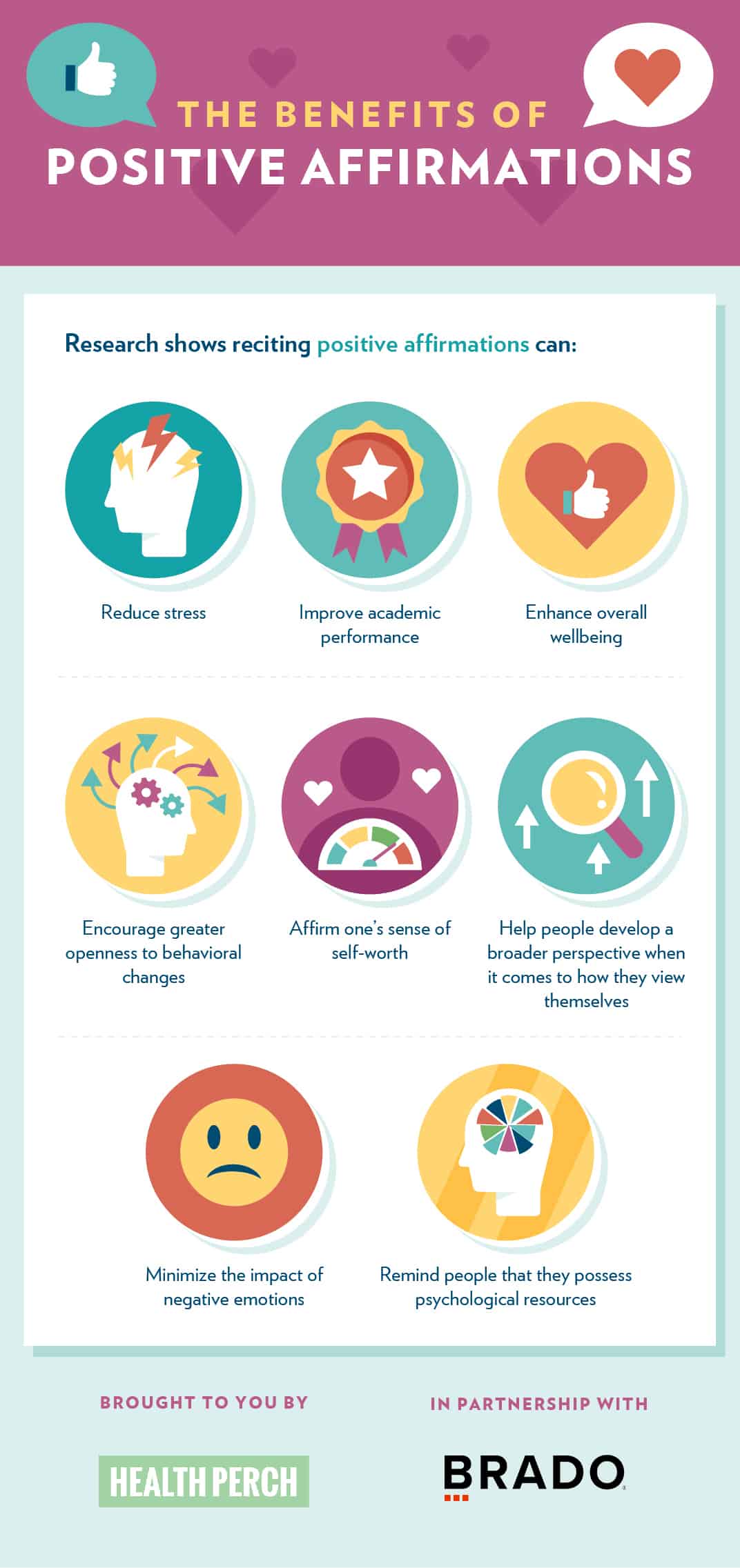
But why do these simple phrases matter so much? Our brains listen to repetition. If you constantly hear negative things about yourself, you start to believe them. The same works in the other direction. By repeating positive statements, you can rewire your mind, boost self-esteem, and even improve performance at work or school.
Many therapists use affirmations to help with anxiety, depression, and other mental health challenges.
Not all affirmations are equal, though. The timing of your practice can multiply their power—or leave you wondering if they work at all.
The Science Behind Affirmation Timing
Research shows that affirmations can change how the brain responds to stress and self-doubt. For example, a study published by the National Institutes of Health found that affirmations can help lower stress, especially when people face difficult situations. However, the brain is more open to change at certain moments during the day.
Why does timing matter? When you are relaxed, sleepy, or emotionally open, your subconscious mind is more active. This part of your mind absorbs messages more deeply than your conscious thoughts. By timing your affirmations to match these states, you give them a better chance to sink in.
Here’s a simple way to understand it: Imagine trying to plant seeds in hard, dry soil versus soft, moist earth. The right conditions help seeds grow. The same is true for affirmations—they need the right “soil” in your mind.
Best Times Of Day For Affirmations
Different times of the day offer unique advantages for affirmation practice. Let’s look at the most effective moments and why they work.
1. Early Morning
Many experts recommend practicing affirmations soon after waking up. Your mind is relaxed, and you haven’t started worrying about daily problems yet. This makes your subconscious more open.
- Benefit: Sets a positive tone for your day.
- Example: Before getting out of bed, repeat, “Today, I am focused and energized.”
2. Before Sleep
Right before you fall asleep, your brain shifts into a slower wave state. This is called the hypnagogic state, where your conscious mind quiets down and the subconscious becomes more active.
- Benefit: Messages reach the subconscious more easily.
- Example: While lying in bed, say, “I am grateful for all I have.”
3. During Meditation
Combining affirmations with meditation can double their effect. Meditation calms your mind, making you more focused and receptive.
- Benefit: Deepens the emotional impact.
- Example: At the end of a meditation session, repeat, “I am at peace with myself.”
4. While Looking In The Mirror
Mirror affirmations involve saying positive statements to your reflection. This adds a layer of self-acceptance and eye contact, which can make the practice more powerful.
- Benefit: Builds self-confidence and self-love.
- Example: Looking in the mirror, say, “I accept and love myself.”
5. During Stressful Moments
Affirmations are not just for calm times. Using them during stressful moments can help you manage your reactions and stay centered.
- Benefit: Calms anxiety and negative self-talk.
- Example: Before a presentation, say, “I am prepared and ready.”
6. Throughout The Day
Short, repeated affirmations can help keep your mind positive. Set reminders on your phone or write notes to yourself.
- Benefit: Keeps you motivated and focused.
- Example: Glancing at a sticky note, repeat, “I am capable.”
Comparing Times: When Are Affirmations Most Effective?
To help you see the differences, here’s a comparison of the most common times for affirmations:
| Time of Day | Brain State | Effectiveness | Best For |
|---|---|---|---|
| Early Morning | Relaxed, open | High | Starting the day, motivation |
| Before Sleep | Subconscious active | High | Deep change, gratitude |
| During Meditation | Calm, focused | Very High | Self-acceptance, inner peace |
| During Stress | Alert, anxious | Medium | Managing anxiety, performance |
| Throughout Day | Active, distracted | Moderate | Ongoing positivity |
As you can see, early morning, before sleep, and during meditation are the most effective times. But practicing affirmations at any time is better than not at all.
How Many Times A Day Should You Do Affirmations?
There is no magic number, but most experts suggest repeating each affirmation at least 3 to 5 times. You can practice in one session or spread them out.
- Morning: 3–5 repetitions
- Evening: 3–5 repetitions
- Midday or stress moments: As needed
More important than the number is your focus and belief. Mindlessly repeating affirmations will not help much. It’s better to do fewer repetitions with strong emotion and attention.
How Long Should An Affirmation Session Last?
Most people spend 2 to 10 minutes per session. Even 2 minutes can make a difference if you are present and focused. Longer sessions (10–15 minutes) are useful if you combine affirmations with meditation or journaling.
Here’s a look at different session lengths:
| Session Length | Best For | Notes |
|---|---|---|
| 2–5 minutes | Quick boost, busy mornings | Easy to fit in daily |
| 5–10 minutes | Deeper focus, before sleep | More impact |
| 10–15 minutes | Meditation, journaling | Best for inner change |
Short, regular practice is better than one long session each week. Consistency is what creates results.
Should You Do Affirmations Aloud Or Silently?
Both approaches can work, but each has unique benefits.
- Aloud: Hearing your own voice can make the words feel more real. Saying affirmations out loud often creates a stronger emotional impact.
- Silently: If you are in public or want a quiet practice, repeating affirmations in your mind still helps. Some people find silent affirmations easier to focus on.
Many people combine both methods. For example, you might say affirmations aloud at home in the morning, then repeat them silently during the day at work or school.
Personalizing Your Affirmation Timing
Everyone’s life and schedule are different. What works for one person may not fit another. Here’s how to find your best time:
- Notice your mood patterns. Are you more anxious in the morning or at night? Choose a time when you need positivity most.
- Try different moments. Spend a week doing affirmations at different times and see what feels best.
- Consider your lifestyle. If you have children or a busy job, even short sessions can help.
- Listen to your body. If you feel tired or distracted, it’s okay to wait for a better moment.
Using Triggers To Remember Affirmations
One common mistake is forgetting to do affirmations regularly. Setting “triggers” can help you remember and build a habit. A trigger is a regular event in your day that reminds you to practice.
- After brushing your teeth
- Before starting your car
- While making coffee
- Just before a meeting
Pairing affirmations with another habit makes them easier to remember and repeat.
What If You Miss A Session?
Many people feel guilty if they forget their affirmations. The truth is, missing a session is not a big problem. The key is to start again as soon as you remember. Consistency is important, but flexibility helps you keep going.
If you miss a morning session, try to fit one in during lunch or before bed. The goal is progress, not perfection.
Common Mistakes: When Affirmations Don’t Work
Affirmations seem simple, but people often make mistakes that reduce their power. Here are some common errors:
- Repeating affirmations at random times: Without a routine, the impact is weak.
- No emotional connection: Saying words without feeling does little for your mind.
- Too many affirmations: Focus on 3–5 statements at a time. More can be distracting.
- Negative timing: Doing affirmations when angry or in a rush can backfire.
- Skipping tough moments: Affirmations are most useful during stress, but people often skip them then.
The key insight is that affirmations need emotion, repetition, and the right timing to work well.
Should You Write Or Speak Affirmations?
Writing affirmations is a powerful way to add focus. The act of writing makes you slow down and think about each word. Some people keep an affirmation journal to track progress and reflect.
- Speaking: Best for emotional impact and motivation.
- Writing: Good for reflection and memory.
- Both: Combines the benefits. Try writing your affirmation, then speaking it aloud.
Experiment with both methods to see which feels more natural and effective for you.

Credit: www.amazon.com
Can Affirmations Replace Negative Self-talk?
One of the biggest benefits of affirmations is their ability to interrupt negative thoughts. Instead of letting your mind repeat “I can’t do this,” you replace it with “I am capable and strong.” Over time, your brain learns to choose the positive path.
However, affirmations work best when you also address the root of your negative self-talk. Combining affirmations with therapy, journaling, or self-reflection can create deeper change.
Affirmations And The Subconscious Mind
You may hear that affirmations “reprogram the subconscious. ” This is partly true. Repetition, especially during relaxed states, helps your subconscious absorb new beliefs. But results come over weeks or months, not days.
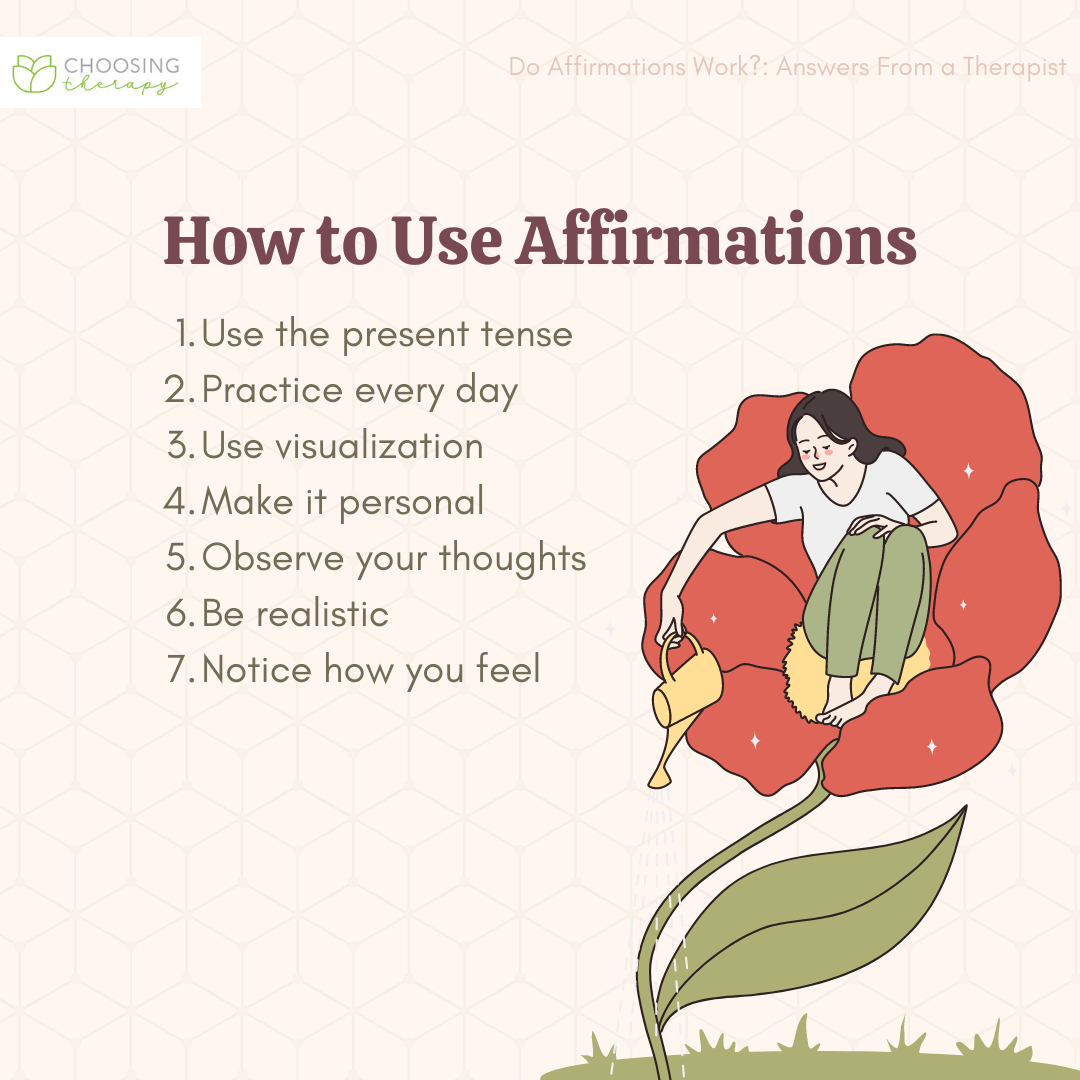
A non-obvious insight: If you try to use affirmations that feel completely untrue, your mind may resist or argue. Choose statements that feel possible, even if they are not true yet. For example, “I am learning to feel confident” is easier to accept than “I am always confident.”
Credit: www.choosingtherapy.com
Using Technology To Support Your Practice
Apps and smart devices can make affirmations easier. Many apps let you schedule reminders, play recorded affirmations, or track your progress. You can even set your phone wallpaper or alarm with your favorite phrase.
- Reminders: Schedule notifications for morning and evening.
- Voice recordings: Listen to your own voice repeating affirmations.
- Home devices: Set smart speakers to play affirmations at certain times.
However, don’t let technology become a distraction. The goal is to stay present and focused.
Group Affirmation Practice
Affirmations are often seen as a private practice, but sharing them with others can boost results. Some workplaces and sports teams use group affirmations to build unity and motivation.
- Family: Try saying affirmations with your children before school.
- Friends: Share a positive phrase before a group event.
- Team: Use affirmations before games or meetings.
Hearing others repeat positive words can make them feel more real and shared.
Credit: www.northwestpharmacy.com
Affirmations For Special Situations
There are moments in life when affirmations are especially helpful. Here are some examples:
- Before interviews or exams: Calms nerves and boosts confidence.
- During illness: Supports healing and positive thinking.
- After failure: Shifts mindset from defeat to learning.
In these moments, timing is even more important. Practice affirmations right before or during the event for the best effect.
Tracking Your Results
How do you know if affirmations are working? Progress can be slow and subtle. Keeping a simple journal helps you see changes over time.
- Write down your main affirmations.
- Note your mood and confidence each week.
- Celebrate small changes, like feeling less anxious or more focused.
Another insight: Sometimes others notice your growth before you do. Ask a friend or loved one if they see changes in your attitude or behavior.
Cultural And Spiritual Timing
In some cultures, timing is linked to spiritual practices. For example, many traditions suggest starting the day with positive words or prayers. In yoga, the time just before sunrise (called Brahma Muhurta) is seen as the most powerful for spiritual work.
Even if you are not spiritual, borrowing these ideas can add depth to your practice. Early morning hours are often quiet and free from distractions, making them a great time for affirmations.
Using Affirmations With Other Habits
Affirmations work best when they are part of a larger self-care routine. Here are some ways to combine them:
- Exercise: Repeat affirmations while jogging or stretching.
- Healthy eating: Use affirmations before meals to support mindful eating.
- Breathing exercises: Combine deep breathing with your favorite phrases.
Pairing affirmations with positive habits can help you create lasting change.
When To Change Your Affirmations
As you grow, your goals and challenges will change. It’s important to update your affirmations regularly.
- Monthly: Review and adjust your statements.
- After reaching a goal: Celebrate, then choose a new focus.
- When they feel stale: If an affirmation stops inspiring you, try a new one.
Keeping your practice fresh helps maintain motivation and progress.
Affirmations And Children
Children are especially open to affirmations. Their minds are still forming beliefs about themselves and the world. Practicing affirmations in the morning or before bed can build strong self-esteem.
- Morning: “I am smart and kind.”
- Bedtime: “I am loved and safe.”
Make it fun with songs or games. The most important part is making it a positive, regular experience.
Dealing With Doubt
It’s normal to feel doubt when starting affirmations. Your mind may resist or feel silly. This is a sign that you are challenging old beliefs. Keep going, and with time, your mind will adjust.
If doubt is strong, start with gentle statements like, “I am learning to believe in myself. ” As your confidence grows, use stronger affirmations.
Real-world Examples: How People Use Affirmations
Let’s see how different people fit affirmations into their routines:
- Sarah, a busy mom, does affirmations in the shower each morning.
- David, a college student, repeats his favorites before exams and presentations.
- Maria, who struggles with anxiety, uses affirmations during stressful moments at work.
- Liam, an athlete, combines affirmations with meditation before competitions.
There is no single right way—the best timing is the one you will stick with.
Combining Affirmations With Visualization
Adding visualization to your affirmation practice can speed up results. When you say your affirmation, close your eyes and imagine yourself living the words. This creates a stronger connection in your brain.
For example, if your affirmation is “I am successful at work,” picture yourself finishing a project and receiving praise. The more senses you involve, the deeper the impact.
When To Avoid Affirmations
Affirmations are not always the answer. Here are times to pause or adjust your practice:
- During crisis: If you are in deep distress, focus on calming activities first.
- If they cause anxiety: Some statements may trigger negative feelings. Choose gentler affirmations.
- When used to avoid problems: Affirmations are a tool, not a way to ignore real issues.
If you find yourself struggling, consider talking to a counselor or using other self-care methods.
Affirmations And Physical Health
Affirmations can support physical health goals, like healing or fitness, by building a positive mindset. For example, many cancer patients use affirmations to reduce stress and improve their outlook.
However, affirmations are not a replacement for medical care. Use them as a support, not a cure.
Cultural Differences In Affirmation Timing
In some cultures, positive self-talk is seen as normal. In others, it may feel strange or uncomfortable. Adjust your practice to fit your culture and values. You can use group prayers, written notes, or silent reflection.
The key is making affirmations feel natural and supportive.
Frequently Asked Questions
When Is The Best Time To Do Affirmations?
The most effective times are early morning, before sleep, and during meditation. These moments match the brain’s most receptive states, making affirmations more likely to work. However, anytime you can focus and connect emotionally is a good time.
Can I Do Affirmations While Working Or Driving?
Yes, you can repeat affirmations quietly while doing other tasks, like driving or walking. Just make sure you can focus safely. For deep change, set aside a few minutes of quiet time each day.
How Long Does It Take To See Results From Affirmations?
Results vary from person to person. Some people notice changes in a few days, while others need several weeks. Consistency, emotional connection, and timing all affect how quickly affirmations work.
What If I Don’t Believe My Affirmation?
If an affirmation feels false, your mind may resist. Try using softer statements, like “I am learning to…” or “I am becoming…” Over time, as you practice, your belief will grow.
Do I Need To Use Special Words For Affirmations To Work?
No, the best affirmations use simple, positive language that feels right for you. Speak from the heart and use words you understand. The most important part is your emotional connection.
If you want to learn more about the science behind affirmations, check out this authoritative overview.
Affirmations are a simple, powerful tool for changing your mindset, building confidence, and creating a more positive life. By choosing the right timing and practicing with emotion and focus, you can unlock their full potential. Start today, experiment with different moments, and watch how your thoughts and life begin to change.
