

What Does Affirmation Mean? Unlocking Its True Power
What Does Affirmation Mean
Imagine standing in front of a mirror and telling yourself, “I am capable.” It feels simple, but for many people, words like these can quietly change how they see themselves and even shape their actions. This is the heart of affirmation—more than just positive talk, it’s a tool that helps rewire beliefs and create real change in our lives. But what does affirmation really mean? Why does it matter? And how can you use it to build confidence, improve your mood, and reach your goals?
This article explores every angle of affirmation. Whether you’ve heard about it from friends, seen it on social media, or are just curious, you’ll get clear answers. We’ll look at the meaning, the science, practical ways to use affirmations, common mistakes, and even some surprising facts most people miss.
By the end, you’ll know exactly what affirmation means, why it’s powerful, and how to use it in daily life.
Defining Affirmation: More Than Just Positive Words
The word affirmation comes from the Latin “affirmare,” which means “to make steady” or “to strengthen.” In simple terms, an affirmation is a short, positive statement that you say to yourself, often about something you want to believe or become. The goal is to repeat it regularly so your mind starts to accept it as true.
For example, if you want to feel more confident at work, you might use the affirmation, “I am a confident and skilled worker. ” By repeating this phrase—out loud, in writing, or in your mind—you encourage your brain to focus on your strengths instead of your fears.
Affirmations can be about almost anything:
- Self-esteem: “I deserve to be happy.”
- Health: “My body is strong and healthy.”
- Relationships: “I attract positive and caring people.”
- Success: “I can achieve my goals.”
But affirmations are not just wishful thinking. They work best when they are believable, specific, and repeated often. They help replace negative beliefs with positive ones and can change how you think, feel, and act.
How Affirmations Work: The Science And Psychology
Many people wonder, “Do affirmations really work?” Science says yes—if used correctly. Here’s how:
Self-affirmation Theory
Researchers have found that self-affirmation helps people handle stress and challenges. When you repeat positive statements about your values or strengths, your brain starts to see you as more capable. This can lower stress, boost motivation, and help you perform better.
The Brain’s Role: Neuroplasticity
The brain is like a muscle—it changes with practice. This is called neuroplasticity. When you repeat an affirmation, your brain forms new pathways. Over time, these pathways become stronger, making positive thoughts come more easily.
Impact On Stress And Performance
Studies show that people who use affirmations feel less stress before big events like tests or job interviews. They also recover faster from setbacks because their minds are trained to focus on solutions, not just problems.
Not Magic, But Practice
One important insight: affirmations are not magical quick fixes. If you choose statements that you don’t believe at all, your brain may reject them or even feel worse. That’s why it’s important to start with affirmations that feel possible and true for you.
The Different Types Of Affirmations
Affirmations are not one-size-fits-all. There are several types, and each serves a different purpose.
1. Self-affirmations
These are about your own qualities or strengths. They help you build self-confidence and handle criticism better.
Example: “i Am Worthy Of Respect.”
2. Goal-oriented Affirmations
These focus on what you want to achieve. They keep you motivated and remind you of your direction.
Example: “i Am Working Towards My Dream Career.”
3. Present-tense Affirmations
Using the present tense (“I am” instead of “I will be”) makes your brain believe the statement is true now, not just in the future.
Example: “i Am Healthy And Full Of Energy.”
4. Value-based Affirmations
These connect with your deeper values, like kindness, honesty, or courage.
Example: “i Act With Kindness Every Day.”
5. Gratitude Affirmations
These focus on what you already have, not just what you want. They build a positive mindset by shifting your attention to the good things in life.
Example: “i Am Grateful For My Supportive Friends.”
Examples Of Affirmations For Everyday Life
Affirmations can fit almost any situation. Here are some examples you can use or adapt:
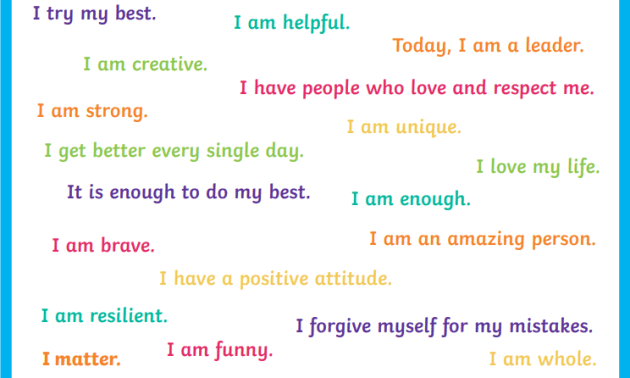
- “I am calm and focused under pressure.”
- “Every day, I am becoming more patient.”
- “I trust myself to make good choices.”
- “I am open to new opportunities.”
- “My efforts are creating positive results.”
Try saying these in the morning, before a big meeting, or whenever you need a mental boost.
Affirmations Vs. Other Positive Practices
It’s easy to mix up affirmations with other self-help tools. Here’s a simple comparison:
| Practice | What It Is | How It Works |
|---|---|---|
| Affirmations | Short, positive statements | Repetition builds belief and changes mindset |
| Visualization | Imagining success in detail | Creates a mental picture of goals achieved |
| Gratitude Journaling | Writing what you’re thankful for | Shifts focus to positive aspects of life |
| Mantras | Spiritual or calming words/phrases | Often used in meditation for focus and peace |
While all these practices can help your mindset, affirmations are special because they focus on changing beliefs directly through language.
Why People Use Affirmations
People use affirmations for many reasons, and each person’s motivation is unique. Here are some of the most common:
- Boosting Self-Esteem: Many people struggle with self-doubt. Affirmations can help build a stronger sense of self-worth.
- Handling Stress: When life feels overwhelming, positive statements can calm your mind and lower anxiety.
- Achieving Goals: Athletes, students, and professionals use affirmations to stay focused and motivated.
- Changing Habits: If you want to break a bad habit or start a new one, affirmations can keep your mind on track.
- Healing: People recovering from illness or emotional pain often use affirmations to support their healing process.
A non-obvious reason: some people use affirmations to remind themselves of their values, not just their goals. For example, “I am honest in all my actions” can guide daily choices, not just boost confidence.
How To Create Effective Affirmations
Not all affirmations work equally well. Here’s how to make them powerful:
1. Make Them Positive
Focus on what you want, not what you don’t want. Instead of “I am not afraid,” say, “I am brave. ”
2. Keep Them Simple And Short
The best affirmations are easy to remember and repeat. If it’s too long, you won’t use it.
3. Use Present Tense
Say “I am” or “I have,” not “I will be. ” This helps your mind believe the statement is true now.
4. Be Specific
Vague affirmations are less effective. Instead of “I am successful,” try “I am successful in my job interviews. ”
5. Make Them Believable
Choose statements you can accept. If “I am a millionaire” feels fake, try “I am improving my financial skills. ”
6. Personalize Them
Use words that matter to you. Your affirmation should feel personal and meaningful.
Example Of Transforming An Affirmation
Weak: “i Am Happy.”
Strong: “i Find Joy In Small Moments Every Day.”
How To Use Affirmations In Daily Life
Knowing what affirmation means is only the start. The real power comes from using them daily. Here are practical ways to add affirmations to your routine:
Morning Routine
Start your day by saying your affirmations out loud in front of a mirror. This sets a positive tone for the day.
Writing
Write your affirmations in a journal each morning or night. Writing makes them feel more real and helps you focus.
Sticky Notes
Put affirmations on your computer, bathroom mirror, or fridge. This gives you reminders throughout the day.
Phone Reminders
Set your phone to show an affirmation at certain times. Technology can help you stay consistent.
Meditation
Combine affirmations with deep breathing or meditation. This helps calm your mind and makes the message stronger.
Visualization
Say your affirmation, then close your eyes and imagine it as true. This links your words to mental images, making them more powerful.
Group Use
Share affirmations with friends or family. Saying positive things together can create a supportive environment.
A useful tip: Don’t just repeat affirmations mindlessly. Take a moment to feel what the words mean. Emotion gives them more power.

Credit: artpchs.weebly.com
Common Mistakes When Using Affirmations
Many beginners struggle with affirmations because they make a few common errors. Avoid these to get better results:
- Choosing Unrealistic Affirmations: If the statement feels impossible, your mind may reject it. Start with small, believable steps.
- Inconsistent Practice: Affirmations work best with daily repetition. Skipping days makes them less effective.
- Negative Focus: Avoid affirmations with “not” or “never.” Your brain often ignores negative words and focuses on the main idea.
- Lack of Emotion: Just saying words isn’t enough. Feel the meaning behind them.
- Expecting Instant Results: Changing beliefs takes time. Be patient and stay consistent.
One subtle mistake: comparing your progress to others. Affirmations are personal—what works for someone else may not work for you. Trust your process.
How Affirmations Can Change Your Life
Affirmations do more than just improve your mood. Used regularly, they can shape the way you see yourself and the world.
Building Self-confidence
People who use affirmations often feel more confident. They become less afraid of failure and more willing to try new things.
Reducing Stress And Anxiety
By focusing on positive statements, you can calm your mind during stressful moments. This is especially helpful before exams, interviews, or big decisions.
Improving Relationships
When you feel better about yourself, you relate better to others. Affirmations like “I am a caring friend” can help you act with kindness.
Reaching Goals
Affirmations keep your goals in mind and remind you of your strengths. This can lead to more action and better results.
Supporting Physical Health
Some studies suggest that positive self-talk can improve healing and recovery. Belief and optimism are linked to better health outcomes.
A non-obvious benefit: Affirmations can help you see setbacks as temporary. Instead of giving up, you’re more likely to try again.
Scientific Studies On Affirmations
Research supports the value of affirmations. Here are some key findings:
- In one study, students who practiced affirmations before tests had lower stress and performed better.
- Brain scans show that self-affirmation activates reward centers in the brain, similar to winning a prize.
- People with chronic illness who use affirmations report better mood and more hope.
It’s important to note that while affirmations help, they work best as part of a larger self-care plan, not alone.
For more on the science, see the Wikipedia page on self-affirmation.
Who Should Use Affirmations?
Almost anyone can benefit from affirmations. Here are some groups who often use them:
- Students: For focus and confidence before exams.
- Athletes: To stay motivated and handle competition pressure.
- Professionals: For leadership, public speaking, or job interviews.
- People in Recovery: To support healing from illness or emotional pain.
- Parents and Children: To build self-esteem and positive habits early in life.
If you feel stuck, anxious, or want to change your thinking, affirmations can be a simple, effective tool.
When Affirmations Might Not Work
Affirmations are powerful, but not perfect. Here are situations where they may not help:
- Severe Mental Health Issues: If you have depression or trauma, affirmations alone are not enough. Professional help is important.
- Unrealistic Expectations: If you expect overnight change, you may feel disappointed.
- Deeply Held Negative Beliefs: It can take time to change old patterns. Start small and be patient.
It’s okay to combine affirmations with other tools like therapy, coaching, or support groups.
Cultural And Spiritual Roots Of Affirmation
Affirmations are used in many cultures and spiritual traditions. For example:
- In some religions, repeating sacred phrases (like mantras) brings calm and focus.
- Many ancient cultures used positive language in prayers or blessings.
- Modern self-help movements use affirmations to build a growth mindset.
While the language and style may change, the idea is the same: words have power to shape our reality.
Real-life Stories: How Affirmations Changed Lives
Hearing how others use affirmations can be inspiring. Here are a few examples:
- Maria, a student, struggled with self-doubt. She started each day with “I am prepared and capable.” Over time, her grades improved and she felt more confident speaking in class.
- James, an athlete, used “I give my best effort every time.” This helped him stay motivated, even after losing a match.
- Rina, recovering from illness, repeated “My body is healing more every day.” This gave her hope and helped her stick to healthy habits.
These stories show that affirmations can be simple, but the results are real.
Data: How People Use Affirmations
Let’s look at some numbers to see how common affirmations have become:
| Setting | % of People Using Affirmations | Most Common Purpose |
|---|---|---|
| Schools | 30% | Building confidence before exams |
| Workplaces | 25% | Stress management and focus |
| Sports Teams | 40% | Motivation and performance |
| Therapy/Coaching | 50% | Changing self-talk and behavior |
Many people don’t talk openly about using affirmations, but research shows they are popular in both personal and professional life.
Credit: click2pro.com
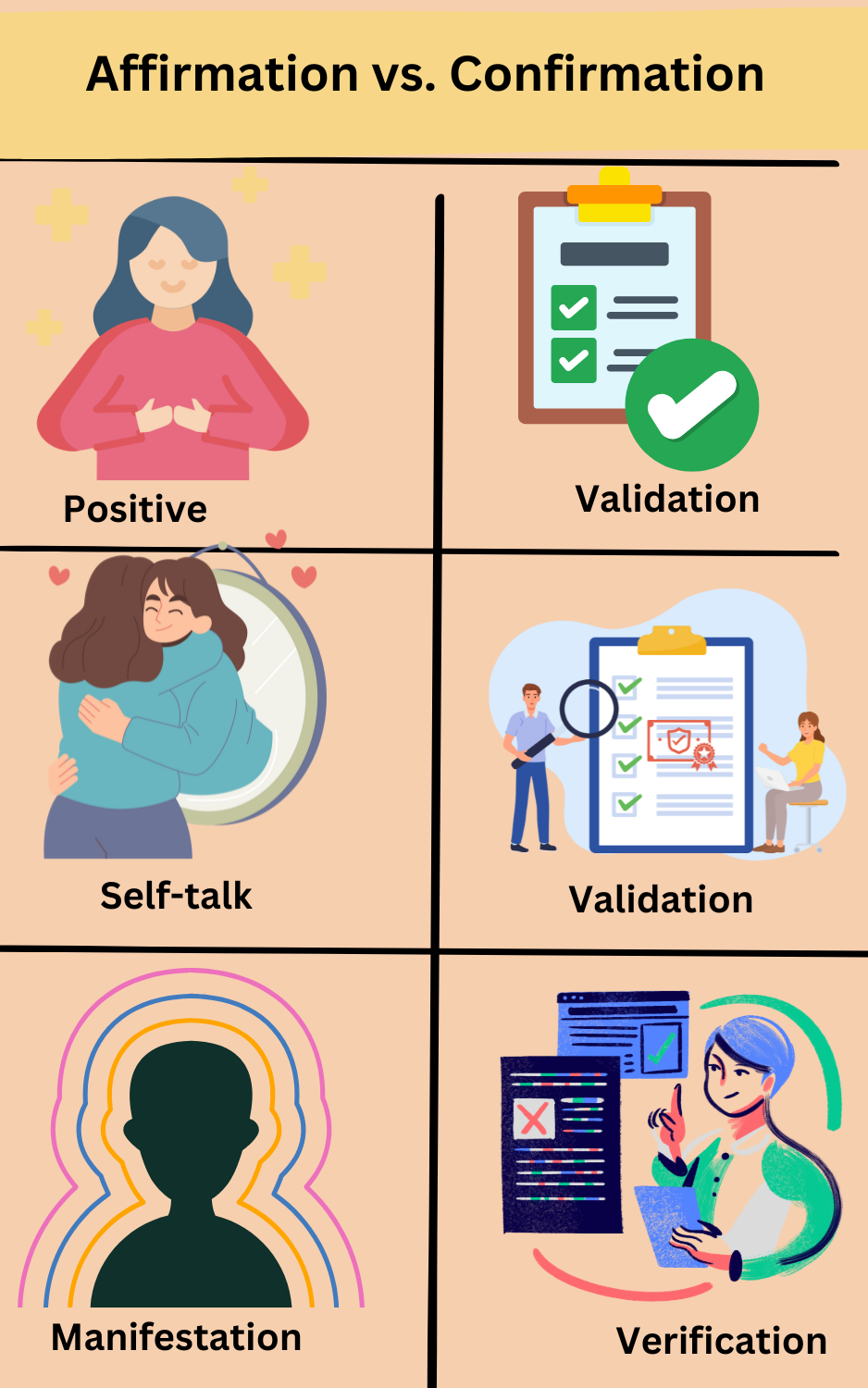
Differences Between Affirmation And Positive Thinking
Some people confuse affirmation with positive thinking, but they are not the same. Here’s a quick comparison:
| Aspect | Affirmation | Positive Thinking |
|---|---|---|
| Method | Specific statements | General attitude |
| Purpose | Change beliefs and habits | Stay hopeful and optimistic |
| How | Repeated regularly | Ongoing mindset |
| Example | “I am calm under stress.” | “Things will work out.” |
Affirmation is a more active practice, while positive thinking is a general approach to life.
Myths And Misunderstandings About Affirmations
Because affirmations are so popular, many myths have grown around them. Here are a few to watch out for:
- “Affirmations are just wishful thinking.” In reality, they work best when paired with action and belief.
- “You can change anything just by repeating words.” Affirmations help, but you also need effort and sometimes outside support.
- “You have to believe the affirmation right away.” It’s normal to feel doubt at first. Belief grows with practice.
- “Affirmations are only for people with problems.” Many successful people use affirmations to stay focused and motivated.
Understanding what affirmation really means helps you use them wisely.
Credit: www.twinkl.es
How To Measure Progress With Affirmations
How do you know if affirmations are working? Here are some ways to check your progress:
- Mood Tracking: Write down how you feel each day before and after using affirmations.
- Behavior Changes: Notice if you act more confidently or handle stress better.
- Feedback From Others: Sometimes friends or family see changes before you do.
- Goal Achievement: Are you moving closer to your goals since using affirmations?
It’s normal for progress to be slow at first. Celebrate small wins—like feeling a bit more confident or less anxious—as signs that affirmations are helping.
Combining Affirmations With Other Tools
Affirmations are most powerful when combined with other self-improvement tools:
- Journaling: Write about your progress, doubts, and successes.
- Visualization: See your affirmation as true in your mind’s eye.
- Action Steps: Take small actions that match your affirmation.
- Support Groups: Share and practice affirmations with others.
A useful tip: Change your affirmations as your goals and beliefs grow. What works today may need updating tomorrow.
Frequently Asked Questions
What Is The Main Difference Between An Affirmation And A Mantra?
An affirmation is a positive statement meant to change beliefs and habits. A mantra is often a spiritual or calming word or phrase, repeated to focus the mind, especially during meditation. While both involve repetition, affirmations are usually about changing your self-talk, while mantras are about calming or centering the mind.
How Long Does It Take For Affirmations To Work?
The time it takes for affirmations to work can vary. Some people notice a change in their mood or thoughts within a few days, while deeper beliefs may take weeks or months to shift. Consistency matters most—try repeating your affirmations daily for at least a month to see results.
Can Affirmations Help With Anxiety Or Stress?
Yes, affirmations can help reduce anxiety and stress. By focusing on positive statements, you train your mind to respond calmly to challenges. However, if your anxiety is severe, affirmations should be part of a bigger plan, including professional help if needed.
Do I Have To Say Affirmations Out Loud?
You can say affirmations out loud, write them down, or repeat them silently in your mind. Speaking them out loud can make them feel more real, but the most important thing is to repeat them regularly and with belief.
What If I Don’t Believe My Affirmation?
It’s common to feel doubt at first. Start with statements that feel at least somewhat true or possible. As you repeat them, your belief can grow. If an affirmation feels too far from your reality, adjust it to something more believable.
Affirmations are a simple tool, but their power comes from your commitment. When used with intention and patience, they can help you create lasting change in how you think, feel, and act.
