

Does Saying Positive Affirmation Work: Truth Behind the Practice
Does Saying Positive Affirmation Work
Feeling stuck in negative thoughts or low self-esteem is something most people experience at some point. The idea of positive affirmations—simple statements like “I am enough” or “I can do this”—has become popular as a way to improve mindset and boost confidence. But do these affirmations really make a difference, or are they just wishful thinking? Let’s explore how positive affirmations work, what science says, and how you can use them effectively in daily life.
Understanding Positive Affirmations
A positive affirmation is a short, powerful statement that you repeat to yourself. The goal is to shift your thinking and beliefs in a positive direction. For example, someone who feels nervous about public speaking might say, “I am confident and prepared.” These statements are designed to replace negative thoughts with more supportive ones.
Affirmations are not magic spells. They do not change reality instantly, but they can help you change your attitude and focus. Over time, this shift in mindset can create real changes in how you feel and act.
The Science Behind Affirmations
Many people wonder if there is real evidence that affirmations work. Several psychological theories support the idea. One key theory is self-affirmation theory, which suggests that reminding yourself of your values and strengths helps you handle stress and threats.
Research using brain scans has found that saying affirmations activates the reward centers in the brain. This is the same area that lights up when you experience something enjoyable. For example, one study found that people using self-affirmations had more activity in the ventromedial prefrontal cortex, a part of the brain linked to self-worth and positive feelings.
Another interesting insight is that affirmations seem to help most when they match your goals and values. For example, an athlete who says, “I am strong and focused,” before a competition may perform better because the statement fits their identity and desire.
However, research also shows that affirmations are not equally effective for everyone. People with very low self-esteem sometimes feel worse after repeating positive affirmations. This happens because the statements feel too far from their current beliefs, causing an emotional conflict.
How Affirmations Affect The Mind
Repeating positive affirmations can create small but important changes in the brain. Here’s how it works:
- Interrupting Negative Patterns: When you catch a negative thought and replace it with a positive one, you teach your brain a new response. Over time, your mind starts to choose the positive thought more naturally.
- Building Self-Confidence: Hearing yourself say positive things again and again can slowly improve your self-image. This is why affirmations are often used in confidence-building exercises.
- Reducing Stress: Affirmations can calm anxiety by giving your mind something positive to focus on. For example, saying “I am calm and in control” during a stressful moment can help reduce panic.
- Encouraging Action: People who use affirmations often feel more motivated to take action toward their goals. The positive statements remind them of their abilities and strengths.
When Affirmations Are Most Effective
Positive affirmations work best under certain conditions. Here are some factors that make them more powerful:
- Personal Relevance: The affirmation should match your real values, goals, or identity. Generic statements like “I am amazing” may not help if they do not feel true to you.
- Regular Practice: Like any skill, affirmations need repetition. Saying them once is not enough. Practicing every day makes the new thinking patterns stronger.
- Emotional Connection: The best affirmations make you feel something—excitement, hope, or determination. If a statement feels empty, try changing the words until it feels right.
- Believability: Affirmations should stretch you, but not break reality. For example, “I am getting better at managing my time” is easier to believe (and more helpful) than “I am the best at everything.”
- Supportive Environment: Using affirmations in a safe, supportive space—like during meditation, journaling, or therapy—can deepen their effect.
Common Myths About Positive Affirmations
There are several misunderstandings about affirmations. Let’s clear up a few:
- Affirmations instantly change reality: In truth, affirmations change your mindset and behavior, not the outside world directly.
- You must always feel positive: Affirmations are not about ignoring problems or pretending everything is perfect. They are tools to help you face challenges with a better attitude.
- Any affirmation will work: Not all statements have the same effect. The best affirmations are specific, meaningful, and believable for you.
- Affirmations are only for “positive people”: Anyone can use affirmations. Even people who struggle with negative thoughts can benefit when they choose the right statements.
How To Create Powerful Affirmations
If you want to use affirmations, creating the right statements is important. Here is a simple process:
- Identify an Area to Improve: Maybe you want more confidence at work or less anxiety in social situations.
- Notice Negative Thoughts: Pay attention to what you tell yourself in these moments. For example, “I always mess up presentations.”
- Flip the Script: Change the negative thought into a positive, realistic statement. For example, “I am learning to present with clarity and calm.”
- Keep It Short and Simple: The best affirmations are easy to remember and repeat.
- Use Present Tense: Say “I am strong” instead of “I will be strong” to make the statement more powerful.
- Add Feeling: Include words that spark emotion, like “I am excited to learn new things.”
Here are some sample affirmations for different situations:
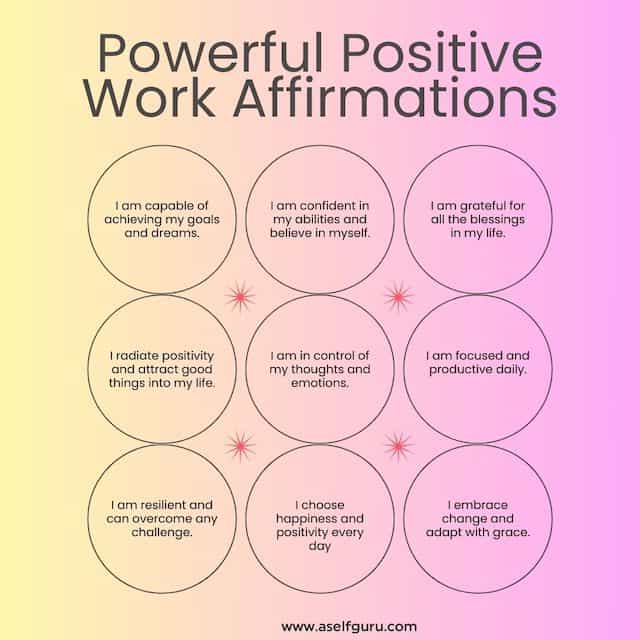
- For confidence: “I trust myself to handle new challenges.”
- For stress: “I am calm and centered, even in busy times.”
- For motivation: “I am moving closer to my goals every day.”
Practical Examples Of Affirmations In Real Life
Let’s look at how people use affirmations in daily routines:
Before A Big Event
An athlete about to compete might repeat, “I am ready and focused. ” This helps calm nerves and sharpen attention.
During Stressful Moments
A student facing exams could say, “I am prepared and capable. ” This can lower anxiety and increase focus.
At Work
A manager preparing for a meeting might use, “I communicate clearly and lead with confidence. ” This supports a positive self-image.
For Building New Habits
Someone trying to exercise regularly could say, “I enjoy moving my body and getting stronger. ” This links the new habit with a positive feeling.
Overcoming Setbacks
After a mistake, instead of thinking, “I failed,” one could say, “I am learning and growing from every experience. ”
Common Mistakes When Using Affirmations
Many beginners struggle with affirmations because of some common mistakes:
- Choosing Unrealistic Statements: If the affirmation is too far from your belief, it may cause inner resistance instead of motivation.
- Lack of Consistency: Saying affirmations once or twice rarely brings results. Consistent practice matters.
- Ignoring Emotions: Repeating words without feeling does little. Connect emotionally with the affirmation.
- Skipping Reflection: It helps to reflect on your affirmations. Ask yourself, “How does this make me feel?” Adjust as needed.
- Not Linking to Action: Affirmations are more effective when paired with real actions. For example, saying “I am healthy” works better if you also choose healthy foods.
Comparing Affirmations To Other Self-help Methods
Some people ask how affirmations compare to other mindset tools. Let’s look at a few:
| Method | Main Focus | Best For | Key Limitation |
|---|---|---|---|
| Affirmations | Positive Self-Talk | Boosting Confidence, Reducing Negative Thoughts | May feel unhelpful if not believable |
| Visualization | Imagining Success | Motivation, Goal Setting | Needs strong imagination skills |
| Journaling | Reflective Writing | Processing Emotions | Can take more time and effort |
| Meditation | Mindfulness | Reducing Stress, Improving Focus | Requires quiet space, regular practice |
Affirmations are simple and quick. They work best alongside other methods, not as a replacement. For example, you can say affirmations during meditation or write them in your journal.
Real-world Results: What Studies And Stories Show
Many studies have tested if positive affirmations truly help. Here are some highlights:
- In a study with students, those who used affirmations did better on stressful tests. They felt less anxious and performed better.
- People managing health conditions, like chronic pain or illness, often use affirmations to stay hopeful and stick to treatment plans.
- In the workplace, employees who use affirmations report higher motivation and job satisfaction.
- Athletes who visualize and say affirmations before games often recover faster from setbacks and feel more focused.
But research also points out that affirmations work best when they are personal and believable. If you force yourself to say things you do not believe, the effect can be weak or even negative.
Non-obvious Insights:
- Timing matters: Affirmations are more powerful when used during moments of emotional stress or before key events, not just randomly during the day.
- Pairing with action boosts results: Saying “I am a good communicator” works better if you also practice speaking or take a small step toward improvement.
Credit: psychcentral.com
Who Should Use Affirmations (and Who Should Not)
Affirmations are safe for most people, but they are not a one-size-fits-all tool. Here’s who benefits most:
- People wanting to boost confidence: Especially before new or stressful situations.
- Those looking to change habits: Affirmations can help keep your mind focused on your goal.
- Anyone feeling stuck in negative self-talk: Affirmations can interrupt harmful thinking patterns.
However, affirmations may not work well for:
- People with very low self-esteem: If the statement feels false, it can increase discomfort.
- Those facing serious mental health issues: Affirmations are not a substitute for therapy or professional help.
If you feel worse after using affirmations, it’s a sign to adjust your approach or talk to a counselor.
How To Make Affirmations Part Of Your Routine
To get the most from positive affirmations, use these strategies:
- Choose a Quiet Moment: Morning or evening routines are popular times for affirmations.
- Repeat Aloud or Write Down: Speaking or writing helps your brain remember and believe the statement.
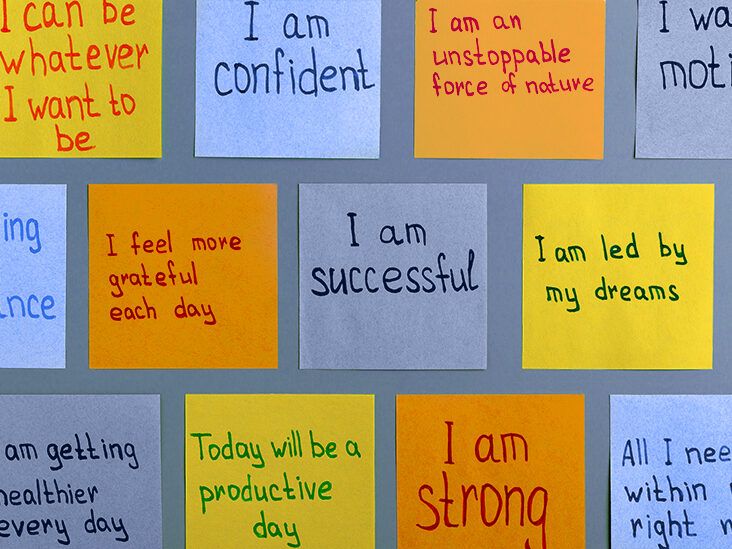
- Use Visual Reminders: Sticky notes on your mirror or desk keep your affirmations in sight.
- Combine with Deep Breathing: Take a slow breath with each affirmation to calm your mind.
- Reflect Regularly: Notice what works and what doesn’t. Adjust your statements as you grow.
Here’s an example of a simple routine:
- In the morning, look in the mirror and say your affirmation three times with feeling.
- Write the affirmation in your journal.
- During the day, when you feel stressed, repeat the statement quietly to yourself.
Measuring The Impact Of Affirmations
Wondering if affirmations are working for you? Here are ways to measure progress:
- Mood Tracking: Notice if you feel more positive or less anxious after using affirmations for a few weeks.
- Behavior Changes: Are you taking more action toward your goals? Are you speaking up more or trying new things?
- Feedback from Others: Sometimes, friends or coworkers notice your confidence before you do.
- Self-Reflection: Write about your experiences. Do you notice less negative self-talk or more hopefulness?
If you see no change after a month, try changing your affirmation or combining it with other tools.
Case Studies: Affirmations In Action
Let’s look at a few examples where affirmations made a real difference:
Maria, The Student
Maria felt nervous before exams. She started saying, “I am prepared and capable” every morning. After a few weeks, she noticed less anxiety and better focus. Her grades improved, but more importantly, she felt calmer and more in control.
James, The New Manager
James worried he was not good enough for his new job. He used the affirmation, “I lead with confidence and care. ” He also asked for feedback and practiced speaking up in meetings. Over time, he received praise from his team and felt more at ease in his role.
Priya, Coping With Health Challenges
Priya was dealing with a long-term illness. She used the affirmation, “I am strong and healing every day. ” This helped her stay hopeful and stick to her treatment plan, even on hard days.
These stories show that affirmations can help, especially when paired with action and personal meaning.

Credit: www.cultureally.com
Tips To Make Affirmations Work For You
To get the best results from positive affirmations, keep these tips in mind:
- Be Patient: Changes take time. Don’t expect instant results.
- Tailor to Your Needs: Use words and statements that fit your life.
- Stay Flexible: If an affirmation stops working, change it. Growth means your needs may shift.
- Link to Real Steps: Affirmations are most effective when you also take action.
- Share with a Friend: Saying affirmations with a friend or support group can boost motivation.
- Use Technology: Apps and reminders can help you stay consistent.
- Track Success: Celebrate small wins to keep momentum.
- Don’t Force It: If an affirmation feels wrong, try a gentler or more believable statement.
How Affirmations Fit In Modern Wellness
Affirmations are now part of many wellness routines. You might hear them in yoga classes, therapy sessions, or even corporate training. This is because they are simple, low-cost, and can be customized for any goal.
Some therapists use affirmations alongside other tools, like cognitive behavioral therapy. This mix helps people change both thoughts and behaviors. Companies also use affirmations to boost employee morale and create a positive work culture.
But remember, affirmations are not magic. They work best as one part of a bigger wellness plan, not as the only tool.
Comparing Affirmations Across Cultures
Different cultures use affirmations in unique ways. In some places, daily mantras or prayers serve a similar purpose. For example, in mindfulness and meditation traditions, repeating a positive phrase helps calm the mind and build focus.
Here’s a quick look at how affirmations compare to other positive thinking practices:
| Culture/Tradition | Affirmation Practice | Main Benefit |
|---|---|---|
| Western Self-Help | Personal Affirmations | Boost Confidence, Set Goals |
| Buddhist Meditation | Mantras | Calm Mind, Focus |
| Yoga Practice | Intention Setting | Mind-Body Connection |
| Religious Prayer | Faith-Based Affirmations | Hope, Spiritual Strength |
The core idea is the same: using words to shape your mindset and build inner strength.
The Limits Of Positive Affirmations
While affirmations can be powerful, they have limits. It’s important to know what they can and cannot do.
What affirmations can do:
- Help you build a positive mindset
- Reduce stress and anxiety
- Motivate you to take action
- Interrupt negative thinking patterns
What affirmations cannot do:
- Solve serious mental health problems alone
- Replace real-world action
- Work instantly or without effort
If you are dealing with deep emotional pain or mental health struggles, affirmations are not a cure. They can support you, but professional help is sometimes necessary.
Credit: aselfguru.com
Useful Resources For Learning More
If you want to explore more about the science and practice of affirmations, you can read research on self-affirmation at Wikipedia. This source offers a good overview of the theory and related studies.
Frequently Asked Questions
What Are Positive Affirmations?
Positive affirmations are short, powerful statements you repeat to yourself to encourage a positive mindset. For example, saying “I am confident” helps build self-belief and reduce negative thoughts.
How Often Should I Say Affirmations?
For best results, repeat your affirmations daily. Many people say them in the morning, before sleep, or during stressful times. Consistency is more important than the number of repetitions.
What If I Don’t Believe My Affirmation?
If an affirmation feels untrue, try making it more realistic or gentle. For example, “I am learning to be confident” can be easier to accept than “I am always confident. ”
Can Affirmations Help With Anxiety Or Stress?
Yes, affirmations can reduce anxiety and stress by shifting your focus to positive thoughts. They work best when used with other healthy habits, like deep breathing or talking to a friend.
Are Affirmations A Replacement For Therapy?
No, affirmations are a helpful tool but not a replacement for therapy or medical care. If you have serious mental health concerns, it is important to seek professional help.
---
Saying positive affirmations is a simple, flexible way to build a better mindset and face challenges with more confidence. While they are not a magic solution, when chosen carefully and practiced regularly, affirmations can help you grow, reduce stress, and take positive steps in life. Adjust your statements as you change, combine them with real action, and remember: the words you say to yourself matter.
