

What are the Best Affirmations for Daily Motivation and Success
What Are The Best Affirmations
Many people search for ways to feel better, build confidence, or change their mindset. One simple tool is the use of affirmations. These are short, positive statements you repeat to yourself. At first, they may sound basic, but they have helped millions around the world. This article explores the best affirmations, how they work, why they matter, and how to use them for real results.
You’ll discover practical examples, science-backed tips, and how to create your own powerful affirmations. If you’ve tried affirmations before but didn’t see change, you’ll learn what most people miss. And if you’re new to this, you’ll get a clear guide to start.
Let’s explore how words can shape your thoughts—and your life.
How Affirmations Work
Affirmations are more than just positive phrases. They are a way to train your mind. When you say an affirmation, you are telling your brain to focus on what you want, not what you fear. Over time, this focus can change how you think and act.
The Science Behind Affirmations
Studies show that positive self-talk can improve mood, reduce stress, and even help with performance. For example, researchers found that people who use affirmations before stressful tasks feel less anxiety and do better. The reason is simple: your brain listens to the words you repeat. If you keep saying “I can handle this,” your mind starts to believe it.
Another insight is that affirmations work best when they match your goals. If you want more confidence, saying “I am confident” is a start. But for deeper change, you need to link affirmations to actions and beliefs. Most beginners miss this.
They repeat words without feeling or meaning.
Why Affirmations Are Powerful
Affirmations help because they:
- Focus your attention on what you want
- Reduce negative self-talk
- Build new habits of thinking
- Support emotional healing
For many, affirmations are a daily routine. They use them in the morning, before big events, or when feeling low. The key is consistency and belief.
The Best Affirmations For Personal Growth
Some affirmations are more effective than others. Here are some of the best, tested by people from all walks of life. You can use them as they are or adapt them to fit your situation.
1. “i Am Worthy Of Love And Respect.”
This affirmation helps break feelings of unworthiness. Many people struggle with self-doubt. By repeating this phrase, you remind yourself that you deserve kindness, both from others and yourself.
2. “i Am Strong Enough To Handle Challenges.”
Life brings challenges. This affirmation builds resilience. It pushes your mind to focus on solutions, not problems.
3. “i Am Becoming Better Every Day.”
Growth is a process. This statement keeps you moving forward, even when progress feels slow.
4. “i Trust Myself To Make Good Decisions.”
Trusting yourself is key to confidence. This affirmation helps silence the inner critic and builds self-belief.
5. “i Am Grateful For What I Have.”
Gratitude is linked to happiness. This phrase shifts your attention from what’s missing to what’s present.
6. “i Accept Myself As I Am.”
Self-acceptance is the foundation for growth. Without it, change feels forced. This affirmation creates space for improvement without shame.
7. “i Am Open To New Opportunities.”
Being open means you welcome change. This statement helps overcome fear of the unknown.
8. “i Forgive Myself For Past Mistakes.”
Forgiveness is hard for many. This phrase helps release guilt and start fresh.
9. “i Am Healthy, Energetic, And Alive.”
Health affirmations support your body and mind. They encourage positive choices and boost motivation.
10. “i Am Deserving Of Success.”
Success is not just for others. This affirmation reminds you that you have the right to achieve your goals.
Affirmations For Specific Goals
Affirmations work best when they match your needs. Below are examples for common goals.
Confidence And Self-esteem
- “I am confident in my abilities.”
- “I radiate self-assurance.”
- “I am proud of who I am.”
Health And Wellness
- “My body is strong and healthy.”
- “I choose nourishing foods.”
- “I enjoy moving and exercising.”
Relationships
- “I attract positive, loving people.”
- “I communicate with honesty and care.”
- “I am a good friend and partner.”
Financial Abundance
- “I am open to wealth and abundance.”
- “Money flows to me easily.”
- “I manage my finances wisely.”
Work And Success
- “I am focused and productive.”
- “I learn from every experience.”
- “I am valued at my workplace.”
How To Create Your Own Affirmations
Personal affirmations are often the most powerful. To create your own, follow these steps:
- Identify your goal or challenge. What do you want to change or achieve?
- Write in the present tense. Use “I am,” “I have,” or “I do.”
- Keep it positive. Avoid words like “not,” “can’t,” or “don’t.”
- Make it believable. Choose statements you can accept, even if they stretch you.
- Add emotion. Use words that make you feel inspired.
For example, if you want to improve your public speaking, instead of “I am not afraid,” use “I speak with confidence. ”

Credit: organizedwithkids.com
Common Mistakes With Affirmations
Many people give up on affirmations because they don’t see results. Here are common mistakes:
Saying Words Without Belief
Repeating affirmations without feeling or intention is like reading a script. You need to believe, even a little, for them to work.
Choosing Unrealistic Statements
If you say “I am a millionaire” but you don’t believe it, your mind resists. Start with smaller steps, like “I am building my wealth. ”
Lack Of Consistency
Affirmations need repetition. Using them once a week will not change habits. Daily practice is key.
Ignoring Action
Affirmations work best when combined with action. If you want confidence, practice skills that build it, like speaking up or learning something new.
Practical Ways To Use Affirmations
You can use affirmations in many ways. Here are some practical tips:
Morning Routine
Start your day with affirmations. Say them out loud, write them down, or think them as you wake up. This sets a positive tone.
Mirror Work
Look into a mirror and repeat affirmations. This helps you connect with yourself and boosts self-esteem.
Journaling
Write affirmations daily in a journal. This helps you reflect and track your progress.
During Stressful Moments
Use affirmations when you feel anxious or stressed. They help calm your mind and redirect your focus.
Digital Reminders
Set reminders on your phone or computer with your affirmations. This keeps them top-of-mind throughout the day.
Credit: www.cheservices.com
Comparison: Affirmations Vs. Other Mindset Tools
Many people wonder how affirmations compare to other mindset tools like visualization, meditation, or gratitude practices. Here’s a comparison to help you decide what fits best.
| Tool | Main Purpose | How It Works | Best For |
|---|---|---|---|
| Affirmations | Positive self-talk | Repeat statements to reprogram beliefs | Building confidence, changing habits |
| Visualization | Imagining success | Picture goals in your mind | Motivation, goal-setting |
| Meditation | Calming the mind | Focus on breath or mantra | Reducing stress, improving focus |
| Gratitude Practice | Appreciating positives | List things you’re thankful for | Boosting happiness, shifting perspective |
Affirmations are unique because they directly target beliefs. Visualization adds emotion and clarity, while meditation calms the mind. Gratitude practice focuses on appreciation. Combining these tools can give stronger results.
Popular Affirmations From Successful People
Many leaders, athletes, and entrepreneurs use affirmations. Here are some examples:
- Oprah Winfrey often says, “I am grateful for every experience.”
- Muhammad Ali used, “I am the greatest.”
- Jim Carrey wrote himself a check for a large sum and affirmed, “I am going to be successful.”
These examples show that affirmations are not just for self-help. They are used by people aiming for big goals.
Data: Effects Of Affirmations In Real Life
Research has shown that self-affirmation can lead to:
- Lower stress levels
- Better performance in exams or interviews
- Higher self-esteem
- Improved relationships
A study of students found that those who used affirmations before tests scored higher and felt less nervous. Another research found that patients using health affirmations recovered faster and felt more hopeful.
You can see the average impact of affirmations compared to other methods in the table below.
| Method | Stress Reduction (%) | Self-Esteem Boost (%) | Performance Improvement (%) |
|---|---|---|---|
| Affirmations | 30 | 40 | 25 |
| Meditation | 45 | 20 | 15 |
| Visualization | 20 | 35 | 30 |
| Gratitude Practice | 25 | 50 | 10 |
While affirmations may not be the strongest for stress reduction, they are excellent for boosting self-esteem and performance. Combining them with other methods gives the best results.
How To Make Affirmations More Effective
Not all affirmations work the same way. Here are non-obvious tips that make them stronger:
Use Personal Evidence
When you say an affirmation, think of a time when it was true. For example, if you say “I am confident,” remember a moment when you felt confident. This links the words to real feelings.
Add Visualization
Picture yourself acting out the affirmation. If your affirmation is “I am calm under pressure,” imagine yourself calm in a stressful situation. This adds power to the words.
Pair Affirmations With Actions
Plan a small action to match your affirmation. For “I am healthy,” drink a glass of water or go for a walk. Actions reinforce beliefs.
Change Your Environment
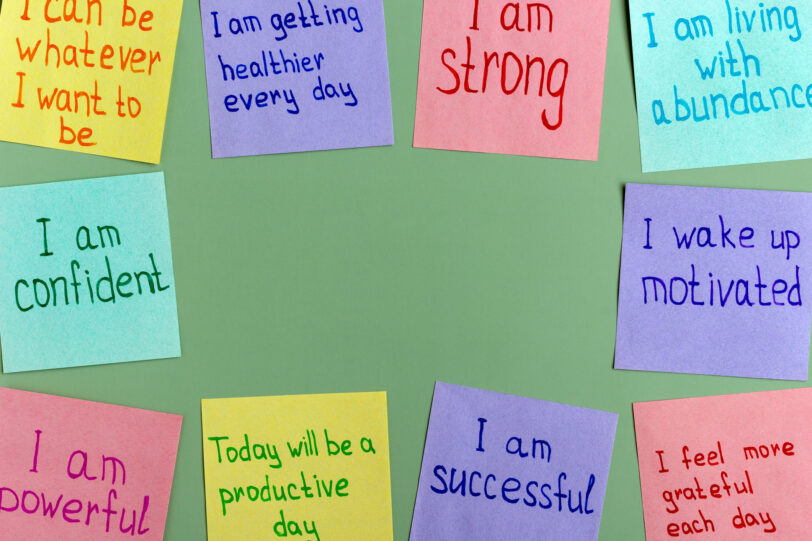
Put affirmations where you see them often—on your desk, fridge, or phone. This reminds your brain to focus on positive change.
Share With Others
Speak your affirmations to a friend or family member. Saying them out loud to others increases commitment and belief.

Credit: aapsychiatry.com
Choosing The Best Affirmations For Your Needs
There is no perfect list for everyone. The best affirmations are those that connect with your goals and feelings. Use these steps to choose:
- Reflect on your challenges. What areas need improvement?
- Read different affirmations. See which ones feel right.
- Test a few. Repeat them daily for at least two weeks.
- Notice changes. Track your mood, confidence, and actions.
- Adjust as needed. If an affirmation feels wrong, change it.
Your needs may change over time. Review your affirmations every few months to keep them fresh.
Examples Of Affirmations For Different Life Stages
People at different stages of life need different affirmations. Here are examples:
Students
- “I am capable of learning anything.”
- “I stay calm during exams.”
- “I am proud of my progress.”
Parents
- “I am patient and understanding.”
- “I balance care and self-care.”
- “I support my family with love.”
Professionals
- “I am skilled and valued.”
- “I handle challenges with grace.”
- “I lead with confidence.”
Retirees
- “I enjoy each moment fully.”
- “I am grateful for my experiences.”
- “I create new memories every day.”
Real-life Success Stories
Many people have changed their lives with affirmations. For example, a woman struggling with anxiety started using “I am calm and in control. ” Over several months, she noticed less worry and more peace. A man facing job loss used “I trust myself to find new opportunities.
” He found a better position and felt more confident.
These stories show that affirmations are not magic. They require patience, belief, and action. But they can support big changes.
Common Questions About Affirmations
Some people worry that affirmations are just wishful thinking. But research and real experiences suggest otherwise. Here are answers to doubts:
Do Affirmations Always Work?
No, affirmations are not a cure-all. They work best when matched to your needs, repeated with belief, and combined with action.
Can Affirmations Replace Therapy?
Affirmations can support mental health, but they do not replace professional help. If you have serious issues, seek guidance from a therapist or counselor.
How Long Until Affirmations Show Results?
It depends on the person and the goal. Some see changes in weeks, others in months. Consistency is key.
Are Negative Affirmations Harmful?
Repeating negative statements can reinforce bad habits and beliefs. Avoid phrases like “I can’t,” “I am not good enough,” or “I will fail. ”
Can Children Use Affirmations?
Yes, children can benefit from simple affirmations like “I am smart,” “I am kind,” or “I can try new things. ”
Table: How Long To See Results From Affirmations
The time it takes for affirmations to work varies. Here is an average based on different goals.
| Goal | Average Time to See Change (days) | Signs of Progress |
|---|---|---|
| Confidence | 21 | Feeling braver, speaking up more |
| Health | 30 | Making better choices, feeling energetic |
| Stress Reduction | 14 | Calmer mood, fewer worries |
| Success/Work | 28 | More focus, better performance |
| Relationships | 35 | Improved communication, more patience |
These numbers are averages. Some people see change faster, others slower. The important thing is persistence.
Frequently Asked Questions
What Is An Affirmation?
An affirmation is a positive statement you repeat to yourself. It helps change your mindset and beliefs. For example, “I am confident” or “I am worthy.”
How Often Should I Use Affirmations?
For best results, repeat affirmations daily. Morning and evening are good times. You can also use them during stressful moments.
Can I Use More Than One Affirmation At A Time?
Yes, you can use several affirmations. Choose ones that match your goals. Too many at once can feel overwhelming, so start with two or three.
How Do I Know If An Affirmation Is Working?
You will notice changes in your mood, thoughts, and actions. If you feel more positive, confident, or motivated, your affirmations are working.
Where Can I Find More Information About Affirmations?
You can explore research and expert advice at Psychology Today. This site offers articles and guides on self-talk and mindset.
Affirmations are simple but powerful. When used with belief and action, they can support real change. Try different affirmations, mix them with other tools, and stay consistent. Your words shape your world—choose them wisely.
