

What are Some Good Positive Affirmations to Transform Your Life
What Are Some Good Positive Affirmations
Feeling good about yourself can be challenging, especially when life gets tough. Many people struggle with negative thoughts, stress, or self-doubt. One effective way to build confidence and happiness is through positive affirmations. These are short, powerful sentences you say to yourself to encourage positive thinking. They help you believe in your abilities, improve your mood, and change how you see challenges.
Positive affirmations are not just about repeating nice words. They are tools that can transform your mind and behavior. Research shows that using affirmations can reduce stress, boost self-esteem, and even improve health. When practiced daily, affirmations can become a habit that shapes your attitude and actions.
This article will explore what makes a good positive affirmation, share examples for different situations, and explain how to use them effectively. You’ll also find practical advice, real-life examples, and answers to common questions. Whether you are new to affirmations or want to improve your practice, you will discover ways to make positive changes in your life.
Understanding Positive Affirmations
A positive affirmation is a statement that helps you focus on strengths, possibilities, and hope. It is usually short and easy to remember. You say it out loud or silently, often daily. The goal is to train your mind to see good things, even when things are difficult.
Why Do Affirmations Work?
The human brain is powerful. It listens to what you say, even if those words are just in your mind. When you repeat positive statements, you start to believe them. This is called self-affirmation theory. Studies show that affirmations can:
- Reduce stress and anxiety
- Increase confidence
- Help you face challenges
- Improve performance at work or school
For example, athletes use affirmations to focus before competitions. Students use them to feel calm before exams. People recovering from illness use them to stay hopeful. Affirmations are not magic, but they help you create a positive mindset.
What Makes An Affirmation Effective?
Not every positive sentence works as an affirmation. Good affirmations have a few key traits:
- Present tense: Use words like “I am” or “I have” (not “I will” or “I want”).
- Personal: The affirmation is about you.
- Positive language: Avoid negative words like “not” or “don’t.”
- Believable: You must feel it is possible.
- Simple: Short and clear is better.
A Weak Affirmation: “i Don’t Want To Be Sad.”
A Strong Affirmation: “i Am Filled With Happiness.”
Examples Of Good Positive Affirmations
Positive affirmations can be used for many purposes. Here are examples for different situations. You can choose what fits you best or create your own.
Affirmations For Self-confidence
Confidence affects everything you do. If you believe in yourself, you try new things and face challenges. Here are some affirmations to boost self-confidence:
- “I am confident in my abilities.”
- “I trust myself to make good decisions.”
- “I am proud of who I am.”
- “I handle challenges with courage.”
- “I deserve respect and kindness.”
These statements remind you of your strengths. Say them daily, especially before important events or meetings.
Affirmations For Stress And Anxiety
Stress is common in modern life. Affirmations can help calm your mind and reduce worry.
- “I am calm and relaxed.”
- “I breathe deeply and feel peace.”
- “I can handle whatever comes my way.”
- “I choose to let go of stress.”
- “I am safe and secure.”
Use these affirmations when you feel anxious or overwhelmed. Some people write them on sticky notes and place them where they can see them often.
Affirmations For Success And Motivation
Motivation is important for reaching goals. Positive affirmations help you stay focused and energized.
- “I am capable of achieving my goals.”
- “I am motivated and ready to work hard.”
- “I learn from every experience.”
- “I am moving forward every day.”
- “I am open to new opportunities.”
Say these affirmations when you feel stuck or need a boost. They can help you stay positive and persistent.
Affirmations For Relationships
Healthy relationships start with positive thoughts about yourself and others.
- “I am worthy of love and respect.”
- “I give and receive kindness.”
- “I communicate clearly and honestly.”
- “I attract positive and caring people.”
- “I forgive myself and others.”
These affirmations can improve your relationships with friends, family, and partners. Use them to build trust and understanding.
Affirmations For Health And Wellness
Your health is affected by your thoughts. Positive affirmations help you feel strong and hopeful.
- “I am healthy and energetic.”
- “I take care of my body and mind.”
- “I am grateful for my health.”
- “I make choices that support my well-being.”
- “I recover quickly and completely.”
Say these affirmations if you are sick, tired, or want to improve your health habits.
Affirmations For Self-love
Self-love is the foundation for happiness. It is about accepting yourself fully.
- “I love and accept myself.”
- “I am unique and valuable.”
- “I am enough just as I am.”
- “I honor my feelings and needs.”
- “I celebrate my achievements.”
Practicing self-love affirmations every morning can improve your mood and confidence.
How To Use Positive Affirmations
Knowing good affirmations is only the first step. To get results, you must use them correctly. Here are practical tips to make affirmations part of your life.
Daily Practice
Consistency is key. The more you repeat affirmations, the stronger their effect.
- Choose 3–5 affirmations that match your goals.
- Say them out loud every morning and night.
- Write them in a journal.
- Place them where you see them (mirror, desk, phone screen).
Visualization
Imagine the words are true. For example, if you say “I am confident,” picture yourself speaking confidently. This makes the affirmation stronger.
Emotion
Feel the affirmation. If you just repeat words, they may not work. Try to feel the emotion behind the statement.
Personalization
Change affirmations to fit your life. For example, “I am successful at my job,” or “I am a loving parent. ” Personal affirmations are more powerful.
Tracking Progress
Keep track of how you feel after using affirmations for a few weeks. Notice changes in your mood, behavior, or confidence. Adjust your affirmations as needed.
Comparison Of Affirmation Types
Positive affirmations can be focused on many areas of life. The table below compares common types and their effects.
| Affirmation Type | Main Focus | Typical Benefits | Example |
|---|---|---|---|
| Self-Confidence | Belief in abilities | Higher self-esteem, courage | I am confident in my skills |
| Stress Relief | Calmness, peace | Lower anxiety, better mood | I am calm and relaxed |
| Motivation | Goal achievement | More energy, persistence | I am motivated and focused |
| Relationships | Love, communication | Stronger bonds, trust | I am worthy of love |
| Health | Physical and mental wellness | Better habits, hope | I am healthy and energetic |
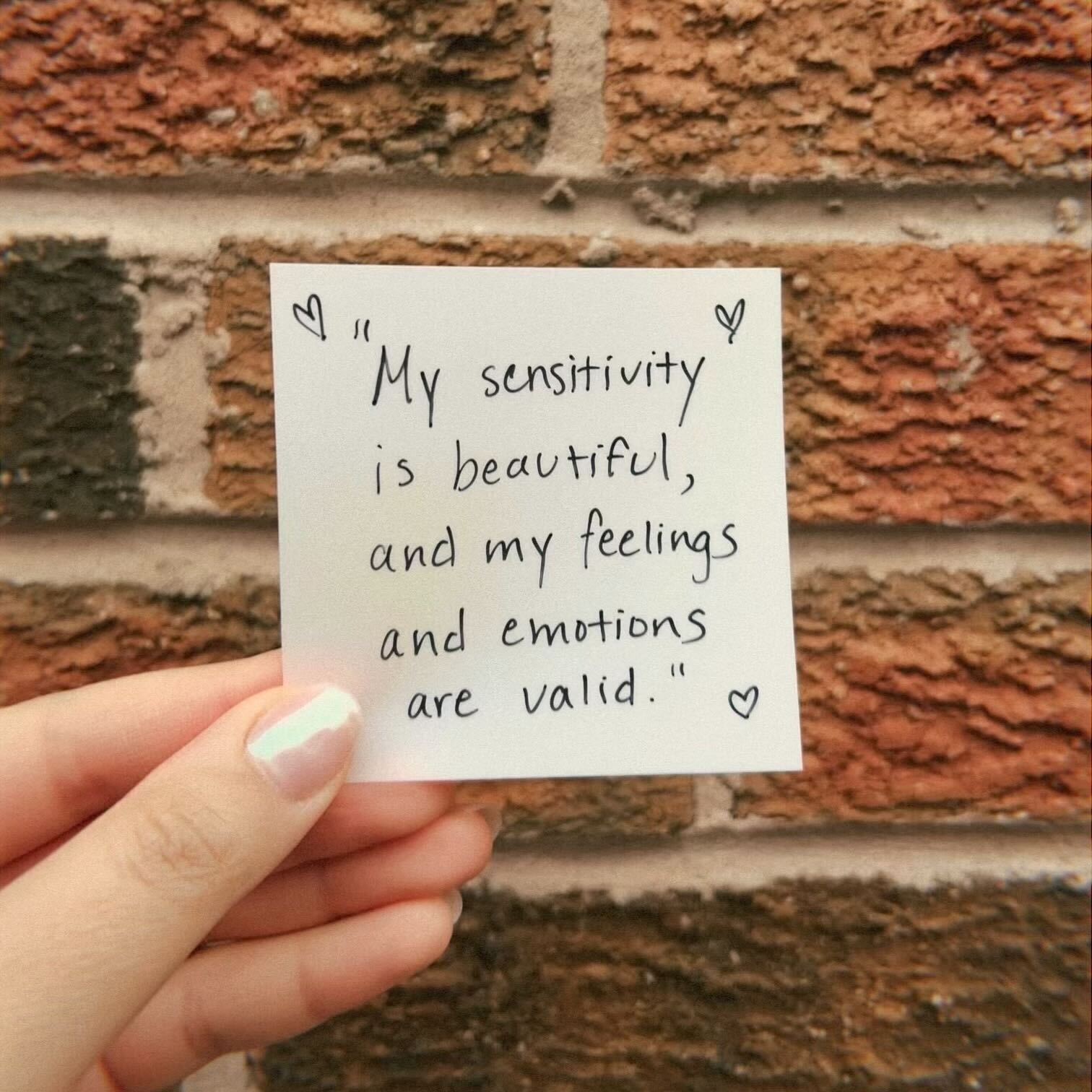
Credit: www.thegoodtrade.com
Scientific Evidence On Affirmations
Many people wonder if affirmations really work. Research shows that they have real effects. For example, studies from top universities found that self-affirmation can reduce stress and improve performance. People who use affirmations before stressful events have lower heart rates and feel less anxious.
Another study showed that students who practiced affirmations before exams did better than those who did not. Affirmations also help people recover from illness faster and feel more hopeful.
According to a report in the journal “Social Cognitive and Affective Neuroscience,” affirmations activate reward centers in the brain. This means your brain feels good when you say positive things about yourself.
However, affirmations are not a cure for serious problems like depression. They are a helpful tool, but sometimes professional help is needed. If you have deep emotional pain, talk to a counselor or doctor.
Tips To Make Affirmations Work Better
Some beginners miss a few important points when starting with affirmations. Here are insights and tips that can help:
1. Start Small
If your affirmation feels too big or hard to believe, break it into smaller steps. Instead of “I am rich,” try “I am building my financial strength. ” This makes the statement more believable.
2. Avoid Negative Words
Even if you want to stop a bad habit, focus on what you want, not what you don’t want. For example, instead of “I don’t eat junk food,” use “I choose healthy foods. ”
3. Combine Affirmations With Action
Affirmations are powerful, but action is essential. If you say “I am fit and healthy,” also make healthy choices every day.
4. Use Affirmations During Challenges
Affirmations are most useful when you face difficulties. Use them before exams, presentations, or stressful meetings. They help calm your mind and improve performance.
5. Share Affirmations With Others
Discuss affirmations with friends or family. Sometimes, hearing positive words from others makes them stronger. You can also use affirmations in groups, like support groups or classes.
Common Mistakes To Avoid
Beginners sometimes make mistakes with affirmations. Here are things to watch out for:
- Repeating without belief: If you do not believe the words, the affirmation may not help.
- Choosing too many affirmations: Focus on a few important ones. Too many can be confusing.
- Using negative language: Always use positive words.
- Expecting instant results: Affirmations take time. Be patient.
Examples From Real Life
Many famous people use affirmations to achieve success. For example, Oprah Winfrey often shares her favorite affirmations for self-love and confidence. Athletes like Serena Williams use affirmations to stay focused during competitions.
In business, leaders use positive statements to inspire teams. For instance, “We are strong and capable,” or “We will overcome every challenge. ” These affirmations help groups stay positive and united.
You do not need to be famous to use affirmations. Many everyday people use them to overcome fear, build new habits, or improve their health. One person shared that saying “I am brave” every morning helped them speak up at work.
Another said that repeating “I am calm” reduced panic attacks.
Creating Your Own Affirmations
You can make affirmations that fit your life. Here is a simple process:
- Think about what you want to change or improve.
- Write a short, positive statement in the present tense.
- Make it personal and believable.
- Use positive words only.
Example: If you want to feel more confident, write “I am confident and strong.”
Personal affirmations are more effective because they match your goals and needs.
Table: Affirmation Practice Methods
Different ways to use affirmations can fit different lifestyles. Here’s a comparison of popular methods:
| Method | How It Works | Best For | Success Tips |
|---|---|---|---|
| Spoken | Say affirmations aloud daily | Building confidence, motivation | Look in the mirror, speak with emotion |
| Written | Write affirmations in a journal | Reflection, tracking progress | Use a special notebook, review often |
| Visual | Place affirmations where you see them | Reminders, environment change | Sticky notes, phone backgrounds |
| Group | Share affirmations with others | Social support, teamwork | Join groups or classes |
When Affirmations May Not Work
Positive affirmations are helpful, but there are times when they do not work as expected. Here’s what to keep in mind:
- If you have serious emotional issues, affirmations alone may not be enough.
- If you use unrealistic affirmations (“I am a billionaire”) without action, they lose their power.
- If you repeat them without emotion or belief, the effect is weak.
In these cases, it is important to combine affirmations with real actions and, if needed, seek professional help.
The Role Of Affirmations In Mental Health
Affirmations can play a role in mental health care. For example, therapists often use affirmations with clients who have anxiety or low self-esteem. They help clients see their strengths and possibilities.
A study from the American Psychological Association found that affirmations can improve mood and self-worth. They are not a replacement for therapy, but they are a useful tool for self-care.
Some mental health apps now include daily affirmation reminders. Users report feeling better after a few weeks of regular practice.
If you want to learn more about the science behind affirmations, you can read research at Wikipedia.
Using Affirmations For Children
Children can also benefit from positive affirmations. Teaching kids to use positive words helps build confidence and resilience. Here are simple affirmations for children:
- “I am smart and capable.”
- “I am a good friend.”
- “I can solve problems.”
- “I am loved and valued.”
- “I am brave.”
Parents can use affirmations with children during bedtime or before school. This helps children develop a positive self-image.
Table: Benefits Of Affirmations For Different Age Groups
Positive affirmations are helpful for all ages, but the benefits may be different. Here’s a comparison:
| Age Group | Main Benefits | Example Affirmation | Extra Tips |
|---|---|---|---|
| Children | Builds confidence, reduces fear | I am smart and brave | Use simple words, repeat daily |
| Teens | Improves self-esteem, helps with stress | I am strong and capable | Let teens choose their own affirmations |
| Adults | Boosts motivation, reduces anxiety | I am confident and calm | Combine with action for best results |
| Seniors | Increases hope, supports mental health | I am grateful for my life | Use affirmations for gratitude and joy |

Credit: www.amazon.com
How To Stay Motivated With Affirmations
Sometimes, people stop using affirmations because they forget or lose motivation. Here are ways to stay consistent:
- Set reminders on your phone.
- Join online groups or forums about affirmations.
- Reward yourself for regular practice.
- Change your affirmations as your goals change.
Consistency is more important than perfection. Even a few minutes a day can make a difference.
Frequently Asked Questions
What Is A Positive Affirmation?
A positive affirmation is a short, encouraging statement you say to yourself. It helps you focus on good things and build confidence. For example, “I am strong and capable. ”
How Often Should I Use Affirmations?
Most experts suggest using affirmations daily. Morning and night are good times. The key is consistency, not quantity.
Can Affirmations Help With Stress Or Anxiety?
Yes, affirmations can reduce stress and anxiety. They help calm your mind and remind you of your strengths. Use them before stressful events or whenever you feel worried.
Do I Need To Believe My Affirmation For It To Work?
Belief is important. If you do not believe your affirmation, start with a smaller, more believable statement. Feeling the emotion behind the words makes the affirmation stronger.
Are Affirmations Effective For Children?
Affirmations work well for children. They build confidence and help kids handle challenges. Use simple words and repeat them often.
Positive affirmations are a simple yet powerful way to change your mindset. When used daily and with belief, they can help you build confidence, reduce stress, and achieve your goals. Remember to choose affirmations that match your needs, say them with emotion, and combine them with action.
Over time, you will notice positive changes in how you think, feel, and act. Affirmations are not magic, but they are a valuable tool for anyone who wants to create a happier, more positive life.

Credit: janejacksoncoach.com
