

What are the Benefits of Writing Affirmations for Self-Growth
What Are The Benefits Of Writing Affirmations
Many people talk about affirmations. You might see them on social media, in self-help books, or even from friends who write positive statements each morning. But what is the real power behind writing affirmations? Why do so many people feel better, more focused, and more confident after using them? Let’s explore the science, the practice, and the real-life benefits of writing affirmations—so you can decide if they might help you too.
What Are Affirmations?
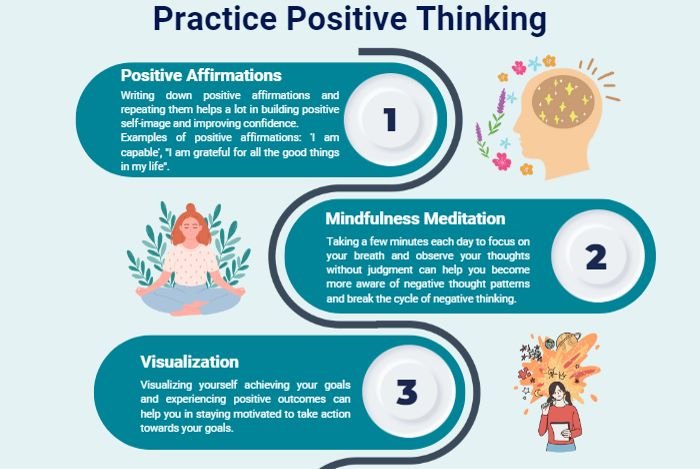
Affirmations are short, positive statements that people repeat or write down to influence their thoughts and behavior. For example, someone might write, “I am confident and capable” or “I handle challenges with a calm mind.” The goal is to replace negative thinking with positive beliefs. Writing affirmations means you are not just saying them but also putting them on paper, which can make the message feel stronger.
Many people use affirmations for different reasons. Some want to build confidence. Others hope to reduce stress, improve health, or reach personal goals. The act of writing affirmations is simple, but the effects can be powerful. Let’s look at the specific benefits you can expect when you make writing affirmations a part of your daily life.
The Science Behind Affirmations
Research shows that affirmations can change how you think and feel. Scientists have found that repeating positive statements can help people manage stress, improve motivation, and even perform better at work or school. There is a part of the brain called the reticular activating system (RAS). It helps you focus on information that matches your beliefs. When you write affirmations, you train your brain to notice positive things and ignore negative ones.
One study published in the journal Social Cognitive and Affective Neuroscience found that self-affirmation activates brain regions linked to self-processing and reward. This means affirmations can make positive thoughts feel more real. Another report from the University of Pennsylvania’s Positive Psychology Center explains that affirmations can lower stress and help people handle difficult situations.
But not all affirmations work the same way. Writing them by hand is more effective than just thinking them. When you write, you use more senses—seeing, touching, and even hearing if you say the words out loud. This multi-sensory experience helps the brain remember and believe the message.
Benefits For Mental Health
Boosting Self-esteem And Confidence
One of the most common reasons people use affirmations is to build self-esteem. If you often feel unsure or doubt yourself, writing positive statements can help. For example, writing “I am worthy of success” every day can change how you see yourself over time.
People who write affirmations report feeling more confident before interviews, presentations, or big events. This is not just wishful thinking—affirmations help you focus on your strengths and achievements. Over time, these thoughts can become habits. You start to believe in your own abilities, which leads to better results.
Reducing Anxiety And Stress
Life is full of stress. Whether it’s work, school, or family, everyone faces challenges. Writing affirmations can help you manage stress in two ways. First, the act of writing slows you down and makes you more mindful. Second, positive statements can help stop negative thoughts before they grow into bigger worries.
For example, writing “I handle stress with calm and clarity” can remind you to stay peaceful during a busy day. Some studies suggest that people who use affirmations regularly have lower levels of the stress hormone cortisol. This means you might actually feel calmer, not just think you are.
Improving Mood And Emotional Balance
Mood swings can happen to anyone. On bad days, it’s easy to think negative thoughts. Writing affirmations can help you break this cycle. By focusing on positive ideas, you shift your mind toward hope and gratitude.
People who write affirmations often notice that their mood improves, even on tough days. This is because you are training your brain to look for good things. Over time, this can lead to a more balanced emotional state.
Benefits For Physical Health
Enhancing Immune Function
You might be surprised, but affirmations can affect your physical health. When you are less stressed, your immune system works better. Stress weakens the body’s defenses, making you more likely to get sick. Positive affirmations can reduce stress, which in turn helps your body stay healthy.
A study from the Carnegie Mellon University found that people with lower stress levels had stronger immune responses. While writing affirmations is not a cure, it can be a helpful tool for staying well.
Supporting Healthy Habits
Many people use affirmations to build healthy habits. For example, if you want to exercise more or eat better, writing “I enjoy taking care of my body” can motivate you. The more you repeat positive statements, the more likely you are to follow through.
Some athletes use affirmations to improve performance. They write statements like “I am focused and strong” before training. This can increase motivation and help you stick with your goals, especially when you feel tired or discouraged.
Helping Recovery And Healing
If you are recovering from illness or injury, your mindset matters. Writing affirmations like “My body is healing every day” can give you hope and patience during tough times. This positive focus does not replace medical care but can make the recovery process feel less stressful.
Benefits For Goal Achievement
Increasing Motivation
Writing affirmations helps keep your mind on your goals. When you write statements about your dreams or plans, you remind yourself what is important. This can boost your motivation and make it easier to stay on track.
For example, if you want to start a business, writing “I am building a successful company” each morning can keep you focused. Over time, this daily reminder helps you take action, even on days when you feel lazy or afraid.
Strengthening Focus
Many people struggle with distractions. Writing affirmations can help you stay focused. By repeating your goals, you train your mind to notice opportunities and avoid time-wasters.
For students, affirmations like “I am a focused and successful learner” can improve study habits. For professionals, “I am organized and productive” can lead to better work performance.
Overcoming Limiting Beliefs
Everyone has beliefs that hold them back. Maybe you think, “I’m not smart enough” or “I always fail. ” Writing affirmations helps you challenge these thoughts. By repeating positive statements, you create new beliefs that support your growth.
For example, changing “I’m not good at public speaking” to “I speak with confidence” can open new doors. Over time, your actions start to match your new beliefs.
Benefits For Relationships
Improving Communication
Writing affirmations can help you become a better communicator. Positive statements like “I listen with empathy” or “I express my needs clearly” can make you more aware of your actions.
When you focus on good communication, your relationships improve. Friends and family feel more heard and understood. This leads to fewer arguments and deeper connections.
Building Empathy And Patience
Affirmations can also help you develop empathy and patience. For example, writing “I respond with kindness” can remind you to stay calm during conflicts. This is especially useful in stressful situations.
Many people find that their relationships get stronger when they use affirmations. They are more patient, understanding, and less likely to overreact.
Healing From Past Hurt
If you have been hurt in the past, it can be hard to trust again. Writing affirmations like “I am open to healing” or “I forgive myself and others” can help. These statements do not erase the past, but they help you move forward.
People who use affirmations for healing often feel less angry or sad about old wounds. They are more willing to give new relationships a chance.
Benefits For Personal Growth
Encouraging Self-reflection
Writing affirmations is not just about repeating words. It’s also a chance to reflect on what matters to you. As you write, you think about your values, dreams, and areas you want to improve.
This self-reflection helps you understand yourself better. You become more aware of your strengths and weaknesses, which is the first step to real growth.
Creating A Growth Mindset
A growth mindset means you believe you can improve with effort and practice. Affirmations like “I learn from every experience” or “I am always growing” support this attitude.
People with a growth mindset are more likely to try new things, learn from mistakes, and succeed in the long run. Writing affirmations can help you adopt this way of thinking.
Building Resilience
Life is full of ups and downs. Resilience is the ability to bounce back from setbacks. Writing affirmations like “I am strong in tough times” can remind you of your inner power.
People who use affirmations regularly say they recover faster from disappointments. They are less likely to give up when things get hard.
Practical Examples Of Affirmations
It’s helpful to see some real examples. Here are common affirmations used for different goals:
- For confidence: “I am confident in my abilities.”
- For stress: “I choose calm over worry.”
- For health: “I take care of my body every day.”
- For relationships: “I am a loving and supportive friend.”
- For success: “I achieve my goals step by step.”
When you write your own affirmations, make them short, positive, and personal. Use present tense, as if the statement is already true. This tells your brain to believe it now, not just in the future.
Credit: nupurjalan.com
Common Mistakes People Make With Affirmations
While writing affirmations is simple, there are some common mistakes to avoid.
- Using negative words. Instead of “I am not afraid,” write “I am brave.”
- Being too general. “I am happy” is nice, but “I find joy in small things every day” is more powerful.
- Not believing the statement. If your affirmation feels fake, try something more believable, like “I am learning to be more confident.”
- Skipping days. Affirmations work best when you write them every day, even if you only have a few minutes.
- Not connecting to real actions. Affirmations are most effective when you also take small steps toward your goal.
Writing Vs. Speaking Affirmations: Which Is Better?
Some people wonder if it’s better to write or speak affirmations. Both can work, but writing has unique advantages. When you write, you slow down and focus more deeply. You also use your hands, eyes, and sometimes voice, which makes the message stronger.
Here is a comparison to help you decide:
| Method | Benefits | Drawbacks |
|---|---|---|
| Writing Affirmations | Deeper focus, better memory, more emotional impact | Takes more time, needs pen and paper |
| Speaking Affirmations | Quick, easy, helps with public speaking skills | Less lasting impact, can be less personal |
For most people, writing affirmations creates a stronger change in thinking. But combining both—writing and speaking—can be even more powerful.
How To Start Writing Affirmations
If you want to try writing affirmations, here are some simple steps:
- Pick an area of your life to improve. Is it confidence, health, work, or relationships?
- Write a short, positive statement. Use the present tense, and avoid negative words.
- Repeat your affirmation daily. The best time is in the morning or before bed.
- Keep a journal. Write your affirmation by hand. Try to feel the words as you write them.
- Review and adjust. If your affirmation stops working, change it to fit your new goals.
Some people prefer to write the same affirmation many times in a row, while others write a new one each day. There is no perfect way—do what feels right for you.
How Affirmations Support Other Self-help Practices
Affirmations are often used with other self-improvement tools. For example:
- Journaling. Many people write affirmations at the end of a journal entry to finish on a positive note.
- Meditation. Some repeat affirmations during meditation for deeper focus.
- Vision boards. Affirmations can be added to vision boards to keep your goals clear and visible.
Using affirmations with other practices can increase their impact. For example, if you write “I am organized,” and then make a to-do list, your brain links the positive message with real action.

Credit: www.thepathway2success.com
Who Can Benefit Most From Writing Affirmations?
Affirmations are not just for one type of person. They can help:
- Students who want to improve grades and self-belief.
- Professionals aiming for better job performance or more confidence.
- Athletes looking to boost motivation and focus.
- People recovering from setbacks or seeking better mental health.
- Anyone who wants to change negative thoughts into positive ones.
It’s important to remember that affirmations are not magic. They work best as a daily habit, combined with action and self-care.
Data On Affirmations: What Do Studies Show?
Research on affirmations has grown over the years. Here are some key findings:
| Benefit | Study Result | Notes |
|---|---|---|
| Stress Reduction | Lower cortisol levels after 2 weeks of daily affirmations | Measured in saliva samples |
| Improved Academic Performance | Students who wrote affirmations performed better on tests | Especially in challenging subjects |
| Better Health Choices | People using affirmations exercised more often | Compared to those who did not use affirmations |
One non-obvious insight: Affirmations are more effective when they match your core values. If you care about family, writing “I am a supportive family member” will work better than a generic statement about success.
Another key insight: Affirmations can help even if you do not fully believe them at first. Over time, your brain gets used to the positive message and starts to accept it.
Real-life Stories: How Affirmations Change Lives
Many people have found success with affirmations. For example, a young student who struggled with math started writing, “I am improving in math every day. ” After a few weeks, she felt less anxious and more willing to ask questions in class.
Her grades improved, not because of magic words, but because her new belief led to new actions.
A business owner used the affirmation, “I am a confident leader,” each morning. At first, it felt strange, but over time, she noticed she spoke up more in meetings and took bigger risks. Her business grew as a result.
These stories show that affirmations are not just positive thinking. They create real change by shifting your mindset, which leads to new behaviors.
How To Make Affirmations A Daily Habit
Building a new habit can be hard. Here are ways to make writing affirmations part of your routine:
- Set a reminder. Use your phone or a sticky note to remember each day.
- Pair with another habit. Write affirmations after brushing your teeth or before checking email.
- Keep materials handy. Leave a notebook and pen where you will see them.
- Track your progress. Mark a calendar or use a habit app to stay motivated.
- Share with a friend. Doing affirmations together can help you stick with it.
The key is consistency. Even a few minutes each day can make a big difference over time.
When Affirmations Don’t Work: What To Do
Sometimes, affirmations do not seem to help. Here are common reasons why, and what to do about it:
- Affirmations feel fake. Try writing statements that are true now, or use phrases like “I am learning to…” or “I am becoming more…”
- No action follows. Pair affirmations with small steps. If you write “I am healthy,” also choose a healthy snack or take a walk.
- Not personal enough. Make your affirmations specific to your life and values.
- Trying to change too much at once. Focus on one or two areas at a time.
Remember, affirmations are a tool—not a magic solution. They work best when combined with effort and patience.
Exploring Different Types Of Affirmations
There are many ways to use affirmations. Here are some types you might try:
- Self-affirmations: Focus on your strengths and qualities. Example: “I am creative and resourceful.”
- Goal-oriented affirmations: Centered on what you want to achieve. Example: “I am reaching my sales target.”
- Healing affirmations: For emotional or physical recovery. Example: “I allow myself to heal.”
- Relationship affirmations: To build better connections. Example: “I attract positive and caring people.”
- Gratitude affirmations: To focus on what you have. Example: “I am thankful for today’s opportunities.”
Mix and match types to fit your needs. Changing your affirmations from time to time can also keep the practice fresh and effective.
How Writing Affirmations Impacts The Subconscious Mind
When you write affirmations, you are not just changing your conscious thoughts. You are also affecting your subconscious mind—the part that controls habits and automatic reactions. By repeating positive statements, you send a new message to this deeper level.
Over time, your subconscious starts to accept the new belief. This is why you might notice changes in your feelings and actions, even without trying. Affirmations help “rewire” old thought patterns, making positive behavior more natural.
Here is a simple comparison:
| Without Affirmations | With Affirmations |
|---|---|
| Negative self-talk, old habits | Positive self-talk, new habits |
| Quick to give up on goals | More resilient and motivated |
| Lower confidence | Higher confidence and belief in self |
This “rewiring” does not happen overnight. It takes regular practice, but the results are lasting.
Why Writing Is More Powerful Than Just Thinking
You may wonder why writing affirmations is better than just thinking them. The answer lies in how the brain processes information. Writing is an active process. It involves movement, vision, and sometimes speech. This makes the message stronger.
When you write, you also slow down your thoughts. You are less likely to skip over words or rush. This helps your brain focus on the meaning, not just the sound of the words.
Another non-obvious benefit: Writing creates a physical record. You can look back at your affirmations later. This helps you see your progress and remember your journey.
Combining Affirmations With Visualization
For even greater effect, combine affirmations with visualization. After you write your affirmation, close your eyes and picture it happening. For example, if your statement is “I am a successful public speaker,” imagine yourself speaking confidently in front of an audience.
Visualization makes the affirmation feel real. Your brain starts to believe it is possible. Many top athletes and performers use this method to prepare for big events.
Making Affirmations Part Of Your Life
Affirmations are simple, but their benefits can touch every part of your life—from health and happiness to work and relationships. By writing them daily, you give your mind a steady diet of positive ideas. Over time, these ideas grow into real changes.
If you are new to affirmations, start small. Pick one area to improve. Write a short, positive statement, and repeat it every day. Notice how your thoughts and actions begin to shift.
Remember, affirmations are not about ignoring problems or pretending everything is perfect. They are about building a stronger, kinder belief in yourself—one word at a time.
For more on the science behind affirmations, you can read research from the Positive Psychology Program.

Credit: www.teacherspayteachers.com
Frequently Asked Questions
What Makes Writing Affirmations More Effective Than Just Saying Them?
Writing affirmations involves more senses—touch, sight, and sometimes speech. This creates a stronger connection in the brain, making the positive message more memorable and believable. Writing also slows down your thoughts, helping you focus and reflect.
How Long Does It Take To See Results From Writing Affirmations?
Most people notice small changes within a few weeks if they write affirmations daily. Bigger shifts in thinking and behavior can take a few months. Consistency is key; the more you practice, the stronger the results.
Can Affirmations Help With Mental Health Issues Like Anxiety Or Depression?
Affirmations can support mental health by reducing negative thinking and building hope. However, they are not a replacement for professional help if you have serious anxiety or depression. Use affirmations as one tool, along with therapy or other support.
Do I Have To Believe My Affirmations For Them To Work?
It is normal not to fully believe your affirmation at first. With regular practice, your brain starts to accept the new message. If a statement feels too fake, try adjusting it to something more believable, like “I am learning to be more confident.
”
How Can I Create The Best Affirmation For Myself?
Focus on what you want to improve. Use positive, present tense language, and keep it short and clear. Make sure your affirmation matches your values and feels meaningful to you. Review and change your affirmation as your goals evolve.
Writing affirmations is a small habit with big rewards. With daily practice, you can change not just your thoughts, but your actions, relationships, and even your health. Give it a try—and see what positive changes you can create in your own life.
