

Are Will Writing Kits Legal? What You Need to Know
Are Will Writing Kits Legal
Writing a will is one of the most important steps you can take to protect your assets and your loved ones. But for many people, the idea of visiting a lawyer and paying high fees feels daunting. This is where will writing kits come in. These kits promise a simple, low-cost way to create a valid will at home. But are will writing kits legal? And, more importantly, are they really a good idea for everyone?
Let’s look at what makes a will legal, how these kits work, and whether they truly offer a safe solution. Along the way, you’ll discover common pitfalls, practical tips, and the real differences between DIY wills and lawyer-drafted documents. By the end, you’ll have the confidence to decide if a will writing kit is right for your situation.
What Is A Will Writing Kit?
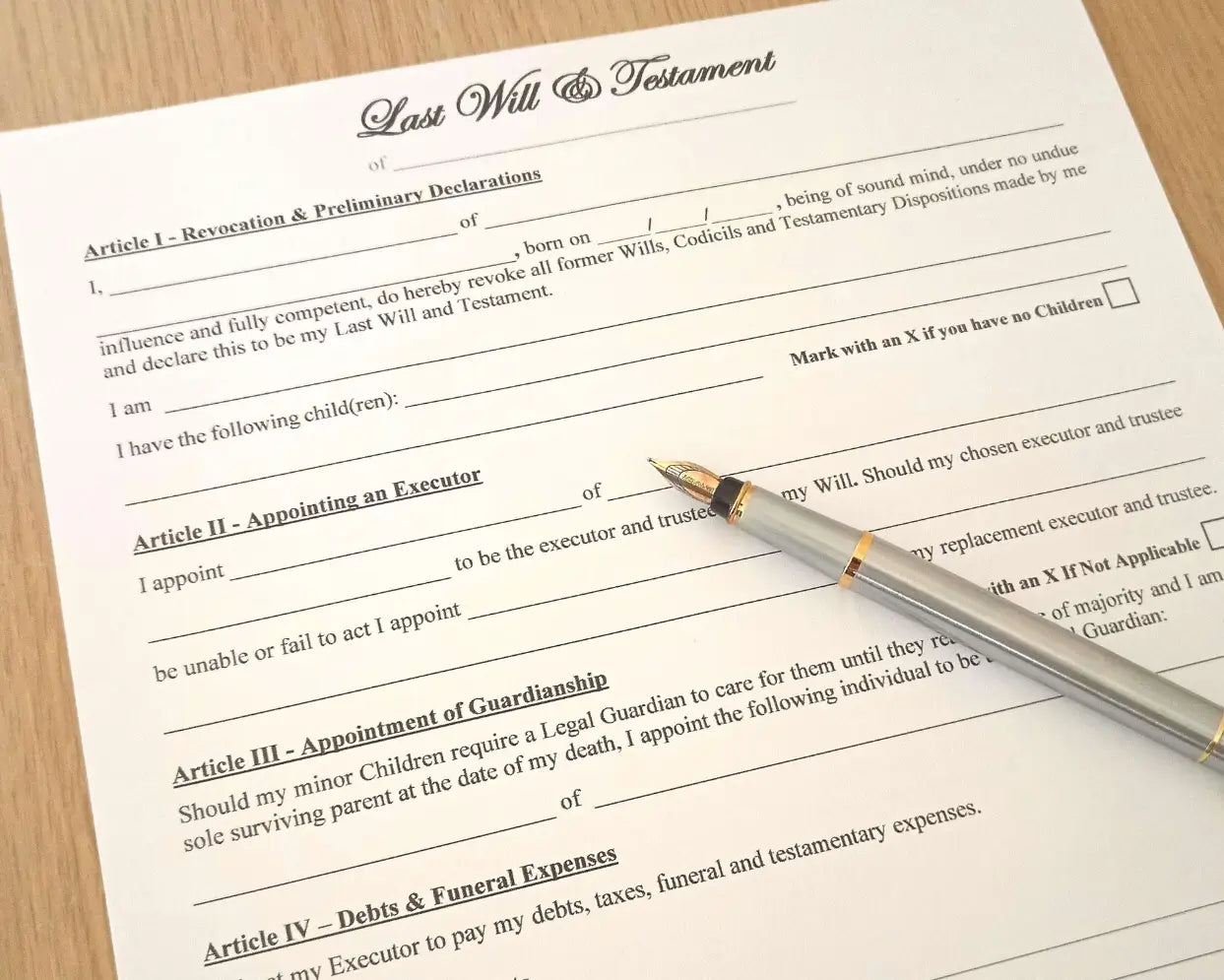
A will writing kit is a set of documents and instructions designed to help you make your own will without a lawyer. These kits are sold online, in stationery stores, or even in some supermarkets. They usually include:
- Blank will forms
- Step-by-step instructions
- Lists of common assets and wishes
- Guidance on signing and witnessing
Some kits are purely paper-based, while others offer digital forms you can fill out and print. Many also include sample wording for common wishes, such as leaving your house to your children or naming guardians for minors.
Types Of Will Kits
There are several types of will writing kits to consider:
- Paper Kits: Pre-printed forms with instructions.
- Downloadable Templates: Digital files for printing and completing by hand.
- Online Will Makers: Interactive platforms that guide you through questions and produce a typed document.
The main selling point is affordability. Most kits cost between $10 and $100, while a lawyer-drafted will can cost several hundred dollars or more.
The Legal Basics Of Wills
Before understanding the legality of will kits, it helps to know what makes any will valid. In the United States, the basic requirements for a will are similar across most states, but always check your local laws for details.
Essential Legal Elements
For a will to be considered legal, it must:
- Be made by an adult (usually 18 or older)
- Be written voluntarily and without pressure from others
- Show clear intent to distribute your property after death
- Be signed by you (the testator)
- Be witnessed by at least two adults who are not beneficiaries (in most states)
Some states also allow holographic wills (entirely handwritten and signed), and a few accept oral wills in very limited situations. However, typed and witnessed wills are the gold standard.
Can A Diy Will Be Legal?
The law does not require a lawyer to draft a will. As long as the will meets the requirements above, it is generally considered valid. This means a will writing kit can be used to create a legal will. But there are important caveats to consider.
How Will Writing Kits Work
Using a will kit is usually straightforward. You fill out the forms, list your assets, choose executors and beneficiaries, and sign the document in front of witnesses. Many kits provide examples and checklists to ensure you don’t miss anything important.
Steps To Using A Will Kit
- Read the Instructions Carefully: Each kit has its own rules and sample language.
- List Your Assets: Homes, bank accounts, personal property, investments.
- Name Beneficiaries: Who will get your property.
- Appoint an Executor: The person who will manage your estate.
- Sign in Front of Witnesses: Follow the rules for your state.
- Store Safely: Keep the original in a secure but accessible location.
Common Features And Tools
Some kits include extra documents, such as:
- Power of attorney forms
- Living wills or advance directives
- Organ donation wishes
Online will makers often let you update or download your will as needed. Some even offer basic support or legal reviews for an extra fee.
Are Will Writing Kits Really Legal?
This is the heart of the question. The answer is: Yes, will writing kits can produce legal wills—if you follow the rules for your state. But there are some important limitations and risks to understand.
What Makes A Will From A Kit Legal?
A will from a kit is legal if:
- It is signed by you, the testator
- Signed in front of the required number of witnesses
- Shows clear intent to distribute your assets
- Is not the result of fraud or undue influence
It’s not the kit itself that makes the will legal, but whether the final document meets all legal requirements. Courts do not care if you used a fancy template or a simple form; they care about valid signatures, proper witnessing, and clear instructions.
Where Kits Fall Short
Many people run into trouble because:
- They do not sign or witness the will correctly
- They forget to update the will after major life events
- The will is lost or destroyed
- Instructions are vague, causing family disputes
A will is only as good as its wording and execution. Even a small mistake can cause big problems later.
Pros And Cons Of Will Writing Kits
Will writing kits offer both advantages and disadvantages. Understanding these helps you make a wise choice.
Advantages
- Low Cost: Kits are much cheaper than hiring a lawyer.
- Convenience: Complete your will at your own pace, at home.
- Privacy: No need to share personal details with a stranger.
- Speed: You can finish a simple will in one evening.
Disadvantages
- No Personalized Advice: Kits can’t spot unique family or financial issues.
- Risk of Mistakes: Missing a signature or unclear instructions can invalidate the will.
- Limited for Complex Estates: Business interests, foreign property, or blended families often need expert help.
- Poor Updates: People forget to update their will as life changes.
Real-life Example
Consider Sarah, who used a kit to write her will. She left her home to her son, her car to her daughter, and everything else to charity. She forgot to include a “residuary clause” (for assets not specifically named). After her death, her bank accounts were not mentioned in the will. A court had to decide who received them, causing stress and delay.
Comparing Will Writing Kits, Online Will Makers, And Lawyers
It’s helpful to see how will writing kits compare to other common options.
| Feature | Will Writing Kit | Online Will Maker | Lawyer-Drafted Will |
|---|---|---|---|
| Cost | Low ($10–$100) | Low–Moderate ($50–$200) | High ($300+) |
| Personalized Advice | No | Limited (sometimes extra fee) | Yes |
| Complex Situations | No | Sometimes | Yes |
| Ease of Use | Easy | Very Easy | Moderate |
| Legal Updates | Rare | Sometimes | Yes |
| Risk of Mistakes | High | Medium | Low |
Common Mistakes With Will Writing Kits
Even a simple will can go wrong if certain details are overlooked. Here are mistakes people often make:
- Improper Witnessing: Each state has rules about who can be a witness. If your witness is also a beneficiary, their gift may be lost.
- Vague Language: “I leave everything to my children” can cause fights if you have stepchildren or children from different marriages.
- Not Naming an Executor: If you skip this, the court will choose someone for you.
- Failing to Revoke Old Wills: If you made a will years ago and don’t officially revoke it, confusion may follow.
- Ignoring State-Specific Rules: Some states require notarization; others accept handwritten wills.
How To Avoid These Errors
- Read the instructions slowly, and check your state laws.
- Be specific when naming people and assets.
- Always sign and date your will with witnesses present.
- Store your will where it can be found, and tell your executor.
When Is A Will Kit A Good Choice?
Will kits work best for people with simple needs. Ask yourself:
- Do you have a small estate (one home, car, bank accounts)?
- Are you leaving everything to your spouse or children?
- Is your family situation straightforward (no blended families, no disputes)?
- Do you understand your state’s will requirements?
If you answered “yes” to most of these, a kit may be enough.
Who Should Avoid Will Kits
Some situations are too complex for a kit:
- You own property in more than one state or country
- You have a large or complicated estate
- You have a child with special needs
- You want to create trusts or tax strategies
- You expect family disputes
In these cases, a lawyer is usually worth the money.
State Differences In Will Laws
One reason will kits can be risky is that state laws differ. What works in Texas may not work in California. For example, some states allow handwritten wills, while others do not.
Examples Of State Differences
| State | Number of Witnesses Required | Handwritten Will Accepted? | Notarization Required? |
|---|---|---|---|
| California | 2 | Yes | No |
| Texas | 2 | Yes | No |
| Florida | 2 | No | No |
| New York | 2 | No | No |
| Louisiana | 2 | Yes | No |
If your kit is generic and doesn’t explain these differences, you could make a will that’s not valid in your state.
What To Look For In A Quality Will Writing Kit
Not all kits are created equal. Here’s how to spot a good one:
- State-Specific Instructions: Make sure it explains your state’s rules.
- Clear Language: Avoid kits with confusing or technical terms.
- Sample Clauses: Look for examples for naming guardians, executors, and distributing assets.
- Instructions for Witnesses: The kit should tell witnesses what to do and who can qualify.
- Ability to Revoke Old Wills: It should include language to revoke previous wills.
- Guidance on Storing Your Will: Proper storage is key to making sure your will is used.
Extra Features
Some kits go beyond the basics:
- Space for personal messages
- Forms for funeral wishes
- Checklists for updating after life changes
- Digital storage or backup options

Credit: warpweftandway.com
The Probate Process And Diy Wills
After a person dies, their will must go through probate—the court process for confirming the will and distributing assets. A well-drafted will, even from a kit, can make probate easier. But mistakes in a DIY will can make probate slow, expensive, or contested.
Common Probate Problems With Diy Wills
- Ambiguities: If the will is not clear, the court must interpret your wishes.
- Missing Assets: If you forget to list certain assets, they may not go to the people you want.
- Disputes: Family members may fight if instructions are unclear or if they suspect undue influence.
How To Reduce Probate Problems
- Use clear, simple language
- Name all important assets and beneficiaries
- Include a residuary clause (“I leave all the rest of my property to…”)
- Tell your executor where to find the will
Storing And Updating Your Will
Even the best will is useless if it’s lost or out of date.
Where To Store Your Will
- A fireproof safe at home
- Safe deposit box (make sure your executor can access it)
- With your attorney, if you have one
- Registered with your state, if allowed
Tell your executor and a trusted person where the will is stored.
When To Update Your Will
You should update your will if:
- You marry, divorce, or have children
- Your assets change significantly
- Someone named in your will dies
- You move to another state
Most people forget to update their will as life changes. A kit may not remind you to do this, so set a yearly reminder to review your wishes.
Will Kits Vs. Holographic And Oral Wills
Some people wonder if a handwritten (holographic) or spoken (oral) will is better than a kit. The truth is, both have their risks.
- Holographic wills are valid in some states but easier to challenge.
- Oral wills are rarely accepted and only in special situations.
A will kit, properly completed and witnessed, is usually safer than relying on handwritten or oral instructions.
The Role Of Witnesses
The role of witnesses is critical. They help confirm that you made the will willingly and were of sound mind.
Who Can Be A Witness?
- Must be a legal adult (usually 18+)
- Should not be a beneficiary
- Should not be related to you by blood or marriage
Witnesses should be present together when you sign. They must watch you sign, and you must watch them sign. Some states allow remote witnessing, but most require everyone in the same room.
How Witness Problems Cause Invalid Wills
If your witness is also a beneficiary, their gift may be voided. If your witnesses do not sign correctly, the will may be rejected by the court.

Credit: legalease.ca
How To Make Your Diy Will Stronger
If you choose a kit, take extra steps to reduce risk:
- Have your will notarized if your state allows, even if not required.
- Write clearly—avoid legal jargon and be specific.
- Name alternates—for executors, guardians, and beneficiaries.
- Use a self-proving affidavit if your state offers it (a document signed by you and your witnesses before a notary).
- Consult a lawyer for a review if you have doubts.
Will Kits And Digital Wills
With technology, more people are using online will makers or storing wills digitally. But not all states accept digital wills (wills that exist only in electronic form).
Digital Will Acceptance
- Some states allow digital signing and storage.
- Most still require a printed, signed copy.
If using a digital kit, always print and sign the final version according to your state’s rules. Digital-only wills are usually not accepted.
Cloud Storage And Security
If you store your will online, choose a secure service. Share access details with your executor. Remember, a will that cannot be found is as bad as having none.
What Happens If Your Diy Will Is Challenged?
A will can be challenged in court for several reasons:
- Claims of undue influence (someone pressured you)
- Lack of capacity (you were not of sound mind)
- Improper witnessing
- Fraud or forgery
DIY wills are more often challenged because courts look for technical errors. If you have a complex family or assets, a lawyer’s help can reduce this risk.
When To Get Legal Advice
Even if you start with a kit, it’s wise to seek legal advice if:
- You have a large estate or business interests
- You want to create trusts
- You have a blended family or complicated relationships
- You are worried about taxes or disputes
Some people use a kit to prepare a draft, then pay a lawyer for a quick review. This can save money while ensuring peace of mind.
Non-obvious Insights For Beginners
- Residuary Clause Importance: Many kits miss a “catch-all” clause. Without it, assets you forget to list may go to the wrong person or end up in probate.
- Executor Access: Your executor needs to know where the will is stored and have authority to access it. If your will is in a bank box only you can open, it could be locked away when needed.
- Beneficiary Designations Override Wills: Life insurance, retirement accounts, and some bank accounts let you name beneficiaries directly. These designations override what you write in your will, so update them to match your wishes.
- Witnesses Must Be Present: Some people mistakenly think witnesses can sign later. In most states, everyone must be present at the same time.
- Regular Reviews: Laws and family situations change. Reviewing your will every few years prevents old mistakes from causing big problems.
Trusted Resources For Will Writing
If you want more information, visit the official US government site on wills and estate planning: USA.gov Wills and Estate Planning. You’ll find state-by-state guides and tips on choosing the right approach for your situation.
Credit: yourwillandtestament.co.uk
Frequently Asked Questions
Is A Will Writing Kit Valid In All States?
Most will kits are valid if you follow your state’s rules for signing and witnessing. But each state has unique requirements. Always check your local laws before completing your will.
Do I Need A Lawyer To Make My Will Legal?
No, you don’t need a lawyer for a will to be legal. But a lawyer can offer valuable advice, especially for complex estates or family situations.
What Happens If My Will Is Not Witnessed Correctly?
If your will is not witnessed according to state law, it may be declared invalid. This means your estate could be distributed according to state intestacy laws, not your wishes.
Can I Change My Will After I Make It With A Kit?
Yes, you can update your will at any time. Use a new kit or create a “codicil” (an amendment). Make sure to sign and witness the change according to your state’s rules.
Are Online Will Makers Better Than Paper Kits?
Online will makers are often easier to use and may offer more guidance. But both can be valid if you follow all legal requirements. Choose the option that matches your comfort level and needs.
Creating a will is a crucial step in safeguarding your legacy. Will writing kits can be a legal, affordable solution for many people, but only if you use them carefully. Take your time, follow the rules, and don’t hesitate to seek help for complex situations.
Your loved ones will thank you for making your wishes clear and your estate easier to manage.
