

Positive Affirmation for Health: Transform Your Wellbeing Today
Positive Affirmation For Health
Most people want to feel healthier, both in body and mind. But sometimes, it is hard to stay positive—especially if you are dealing with illness, stress, or worry about the future. That is where positive affirmation for health comes in. Positive affirmations are short, powerful statements you say to yourself on purpose. These statements can help you change how you think, feel, and act about your health. Over time, using positive affirmations can help you focus on healing, create good habits, and build a stronger mind-body connection.
Many studies show that what you believe can affect your health. People who think positively usually recover faster from sickness, feel less pain, and handle stress better. But positive thinking is not magic. It works best when you use it with healthy actions, like eating well, exercising, and following your doctor’s advice.
Positive affirmations are a tool to help you keep your mind strong and your motivation high.
In this article, you will learn how positive affirmations work, why they help your health, and how to use them in daily life. You will also find examples of affirmations for different health goals, practical tips for success, and common mistakes to avoid.
Whether you want to recover from illness, manage stress, or just feel better every day, this guide can help you use your thoughts to support your health.
What Are Positive Affirmations?
Positive affirmations are short, clear statements that you repeat to yourself to encourage a better mindset or behavior. They are written as if the goal or quality is already true, using present tense. The idea is that by saying these statements regularly, you can change negative beliefs, reduce stress, and support healthy changes in your life.
For example, if you are trying to feel more energetic, you might say, “I am full of energy and ready for the day. ” If you want to support healing, you might use, “My body knows how to heal itself.
” These phrases help you focus on what you want, not what you fear.
How Affirmations Work in the Brain
Affirmations use a process called self-affirmation theory. This means that when you repeat positive beliefs about yourself, your brain starts to accept them as true. Over time, these new beliefs can change your habits, your reactions to stress, and even your physical health.
Research shows that positive self-talk can actually change brain activity. For example, when people use affirmations, the brain’s reward centers become more active. This makes it easier to handle challenges and stay motivated. Some scientists believe that positive thinking may lower stress hormones, boost the immune system, and help the body recover from illness.
Not a Quick Fix
It is important to know that affirmations are not magic. They do not cure disease, and they cannot replace medical treatment. But they can make you feel stronger and more hopeful, which is important for healing and well-being. Think of affirmations as one tool in your health toolbox.
Why Positive Affirmations Matter For Health
Positive affirmation for health is more than just a trend. There is real science behind it. Many studies show a link between positive thinking and better health outcomes. Here are some reasons why affirmations help:
- Reduce Stress: When you use positive affirmations, you can lower the amount of stress in your body. Less stress means lower blood pressure, better sleep, and a stronger immune system.
- Motivate Healthy Actions: If you believe you can change, you are more likely to make good choices, like eating well or exercising.
- Support Healing: People who stay positive during illness often recover faster. Positive thoughts do not replace medicine, but they help you stay hopeful and strong.
- Break Negative Patterns: Many people have negative self-talk, like “I’ll never feel better.” Affirmations help you replace these thoughts with healthier ones.
Real-World Example
A hospital study found that patients who used affirmations during recovery felt less pain and anxiety. They also followed their treatment plans more closely. This shows that your mindset can affect your body as well as your mood.
Non-Obvious Insight: Many beginners think affirmations only work if you already feel positive. In fact, the best time to use them is when you feel worried, tired, or doubtful. Affirmations help you change your mood, not just express it.
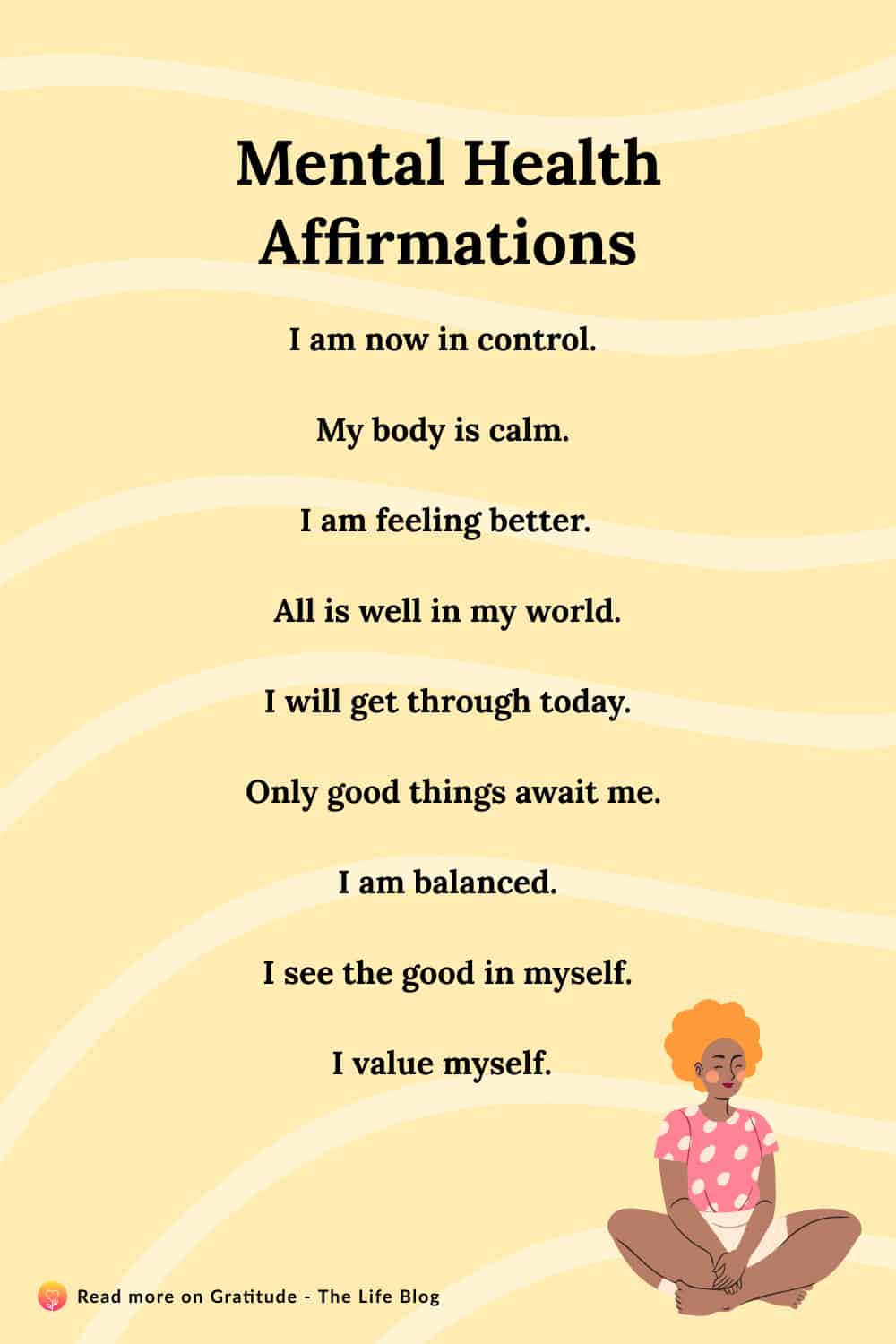
Credit: blog.gratefulness.me
The Science Behind Positive Affirmations
Many people wonder if positive affirmations really work, or if they are just wishful thinking. Research shows that repeating affirmations can create real changes in the brain and body. Here are some key findings:
Brain Changes
Studies using brain scans show that affirmations can activate the ventromedial prefrontal cortex—the part of the brain linked to self-worth and motivation. This activity can help people handle stress better and stay focused on their goals.
Immune System Effects
Some research suggests that positive thinking, including affirmations, can improve immune function. People who use affirmations may recover more quickly from colds or infections. This does not mean affirmations replace medicine, but they can support the body’s natural defenses.
Behavior And Habits
Affirmations help people stick with healthy habits, like quitting smoking or exercising. When you repeat, “I enjoy moving my body every day,” you are more likely to choose healthy activities. Over time, these choices add up to better health.
Data Table: Affirmation Benefits
Here is a quick look at some benefits of using positive affirmations for health:
| Health Area | Effect of Affirmations | Supporting Evidence |
|---|---|---|
| Stress | Lower stress hormones, better coping | Brain imaging studies |
| Pain | Reduced perception of pain | Patient reports, hospital studies |
| Habits | Greater motivation for healthy choices | Behavioral research |
| Immune System | Possible stronger immune response | Preliminary studies |
Non-Obvious Insight: Many people do not realize that negative self-talk can trigger stress responses in the body—even if you do not notice it right away. Affirmations help break this cycle and create a safer, calmer space for healing.
How To Create Effective Health Affirmations
Not all affirmations are created equal. For the best results, your statements should be simple, specific, and believable. Here is how to craft affirmations that work:
- Use Present Tense: Say your affirmation as if it is already true. Example: “I am healthy and strong.”
- Be Positive: Focus on what you want, not what you don’t want. Example: Say “I feel calm and relaxed,” instead of “I am not stressed.”
- Keep It Short: Simple statements are easier to remember and repeat.
- Make It Personal: Use “I” or “my.” Example: “My body is healing every day.”
- Add Emotion: If possible, include how you want to feel. Example: “I am grateful for my healthy body.”
Examples Of Good Vs. Weak Affirmations
| Good Affirmation | Why It Works | Weak Affirmation | What’s Wrong |
|---|---|---|---|
| I am becoming stronger each day. | Specific, positive, believable | I will try to be strong. | Uncertain, lacks power |
| My mind and body are at peace. | Present tense, emotional | I don’t want to be anxious. | Negative focus |
| I love and care for my body. | Personal, positive | I wish I was healthy. | Passive, not actionable |
Practical Tip: If an affirmation feels fake at first, add the word “learning.” For example, “I am learning to care for my health.” This can make it easier to believe and repeat.
Top 20 Positive Affirmations For Health
Here are twenty powerful affirmations you can use to support your health goals. Try repeating one or two each morning, or whenever you need encouragement.
- I am grateful for my healthy body.
- My body knows how to heal itself.
- Every cell in my body is full of energy.
- I choose foods that nourish and support me.
- I am calm, relaxed, and at peace.
- My mind and body work together for my well-being.
- I am getting stronger every day.
- I trust the process of healing.
- I listen to what my body needs.
- I am surrounded by love and support.
- I let go of stress and welcome calm.
- I am worthy of good health.
- My breath fills me with energy and peace.
- I am open to new ways of healing.
- I forgive myself and let go of past mistakes.
- Each day, I make choices for my health.
- I celebrate my progress, no matter how small.
- I am patient with my body’s healing.
- My thoughts create my healthy future.
- I am safe, secure, and supported.
How to Use These Affirmations:
- Pick one or two that stand out to you.
- Repeat them aloud each morning or before bed.
- Write them in a journal or on sticky notes around your home.
- Use them during meditation or deep breathing.
- Change the words to match your personal needs.
When And How To Practice Health Affirmations
The power of positive affirmation for health comes from regular practice. Here are some easy ways to add affirmations to your day:
Morning Routine
Start your day with a few positive statements. You might say your affirmations while brushing your teeth, making breakfast, or looking in the mirror. This sets a healthy tone for the day.
During Stressful Moments
When you feel anxious or unwell, pause and take a few deep breaths. Repeat your favorite affirmation quietly to yourself. This can help calm your mind and relax your body.
Before Sleep
Ending your day with affirmations can help you sleep better. Try repeating calming statements, like “I am safe and at ease,” as you get ready for bed.
With Health Activities
Say affirmations while you exercise, take medicine, or eat a healthy meal. This creates a positive link between your actions and your mindset.
Example Routine
- Morning: “I am full of energy and ready for today.”
- Midday: “My body is strong and resilient.”
- Evening: “I am grateful for my body’s healing.”
Non-Obvious Insight: Consistency matters more than length. Even two minutes a day can create change if you practice every day.
Common Mistakes When Using Affirmations
While affirmations are simple, some people make mistakes that reduce their power. Here are common errors to avoid:
- Being Too General: Vague statements like “I am healthy” may not feel believable. Be specific about what you want.
- Ignoring Feelings: If you say an affirmation but feel upset or doubtful, do not force it. Try a softer approach, like “I am learning to trust my body.”
- Skipping Practice: Affirmations only work with regular use. Set a reminder if you forget.
- Expecting Instant Results: Change takes time. Trust the process and notice small improvements.
- Using Negative Words: Even words like “not” or “never” can create stress. Focus on the positive.
Practical Tip: If you struggle with a certain affirmation, write down your doubts. Then, create a new statement that feels more honest and helpful.
Combining Affirmations With Other Health Practices
Affirmations are most effective when used with other healthy habits. Here is how to combine them:
With Mindfulness And Meditation
Use affirmations during deep breathing or meditation. For example, repeat “I am calm and safe” as you inhale and exhale slowly. This helps your body relax and focus.
With Exercise
Pair affirmations with movement. While walking or stretching, repeat statements like “My body is strong and flexible. ” This can boost your energy and motivation.
With Healthy Eating
Before meals, say “I choose foods that support my health. ” This helps you make better food choices and enjoy eating mindfully.
With Medical Care
Affirmations do not replace medical advice, but they can help you stay positive during treatment. For example, say “I am open to healing” before taking medicine or seeing a doctor.
Data Table: Combining Affirmations With Habits
| Healthy Habit | Example Affirmation | Benefit |
|---|---|---|
| Meditation | I am at peace in this moment. | Deeper relaxation, less stress |
| Exercise | My body grows stronger every day. | More motivation to move |
| Eating | I nourish my body with every bite. | Better food choices, mindful eating |
| Medical Care | I trust my body’s ability to heal. | Less anxiety about treatment |
Non-Obvious Insight: Many people use affirmations only when they feel bad. In fact, they work best as a daily habit, not just for emergencies.
Adapting Affirmations For Different Health Needs
Everyone’s health journey is unique. You can adjust affirmations for your own goals, challenges, or needs. Here are some examples:
For Chronic Illness
- “I am patient with my healing process.”
- “My body and I are working together for better health.”
For Anxiety Or Stress
- “I am safe, calm, and in control.”
- “Each breath brings me peace.”
For Recovery After Injury Or Surgery
- “My body is repairing itself every day.”
- “I celebrate each step of my progress.”
For Weight Loss Or Healthy Eating
- “I honor my body with healthy choices.”
- “I am proud of my progress.”
For Better Sleep
- “I relax and let go as I prepare for rest.”
- “My body knows how to restore itself during sleep.”
Tip: If you have a specific medical condition, try talking to a counselor or healthcare provider about how to use affirmations as part of your care plan.
How To Know If Affirmations Are Working
It can take time to see the effects of positive affirmation for health. Here are signs that your practice is working:
- You notice less negative self-talk.
- You feel calmer or more hopeful during stress.
- You make healthier choices more easily.
- You recover from setbacks faster.
- Friends or family notice changes in your attitude.
Practical Approach: Keep a journal of your affirmations and any changes you notice. Even small shifts can show progress.
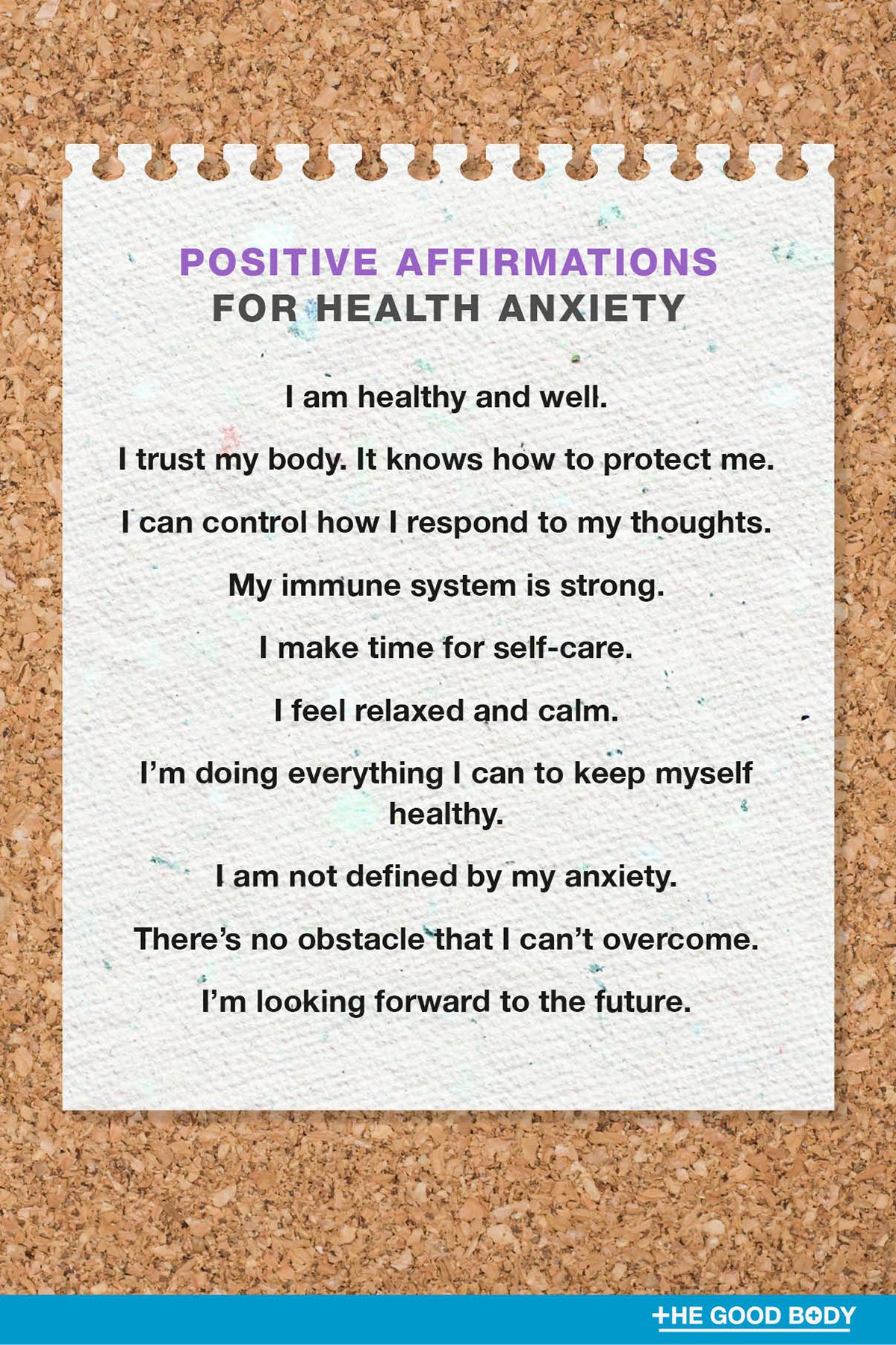
Credit: www.thegoodbody.com
Frequently Asked Questions
What Is The Best Time To Use Health Affirmations?
The best time is whenever you can focus and repeat your statements with attention. Many people prefer morning or bedtime, but you can use affirmations anytime—during breaks, while exercising, or in stressful moments. Consistency is more important than the exact time.
Can Affirmations Replace Medical Treatment?
No, affirmations do not replace medical care. They are a tool to support your mindset and motivation. Always follow your doctor’s advice and use affirmations to help you feel stronger and more positive during your health journey.
How Long Does It Take To See Results From Affirmations?
Results vary. Some people feel better in a few days, while others need weeks or months of practice. Look for small changes, like less negative thinking or more motivation. Affirmations work best with patience and regular use.
What If I Don’t Believe My Affirmation At First?
It is normal to feel some doubt. Try using phrases like “I am learning to…” or “I am open to…” to make your affirmation more believable. As you practice, your belief will grow.
Where Can I Find More Information On The Science Of Affirmations?
You can read scientific articles on the psychology of positive thinking and health at trusted sources like Psychology Today.
Staying positive about your health is not always easy, but it is possible. Using positive affirmation for health is a simple, practical way to support your body and mind. With regular practice, honest effort, and a willingness to grow, you can turn your thoughts into a powerful tool for healing and well-being.
Remember, your mindset matters—and even small changes can make a big difference over time.

Credit: daysinspired.com
