

Morning Affirmation Ideas to Boost Positivity Every Day
Feeling positive in the morning can change your whole day. The first thoughts you have after waking up can shape your mood, confidence, and energy. Morning affirmations are simple, spoken phrases that help you start your day with optimism and strength. Many people use them to feel happier, more focused, and ready to face challenges. But not everyone knows how to create or use these affirmations well.
In this article, you will discover practical morning affirmation ideas, learn how to make your own, and see how they can fit into different lifestyles. You’ll also find tips for overcoming common problems, examples for specific goals, and ways to measure their impact.
If you want to build a stronger mindset, or just enjoy your mornings more, these ideas can help you. Let’s explore what makes morning affirmations powerful, and how you can use them to make every day better.
What Are Morning Affirmations?
Morning affirmations are short, positive statements you say to yourself after waking up. Their main purpose is to help you feel confident, motivated, and calm. You can speak them aloud, write them down, or repeat them in your mind. These phrases focus on your strengths, goals, or feelings.
For example, saying “I am ready for new challenges today” or “I am strong and calm” can help your mind focus on positive thoughts. Many people use affirmations to reduce stress, build self-esteem, and create a routine for mental health.
Why Morning Affirmations Matter
Starting your day with affirmations is more than just a habit. It’s a way to set your intentions for the day. Research shows that positive self-talk can improve mood, reduce anxiety, and boost performance. When you repeat affirmations regularly, your brain starts to believe them.
This can help you become more resilient and motivated.
How Affirmations Work
Affirmations are based on the idea of self-affirmation theory. This theory suggests that repeating positive statements can change how you feel and act. When you start your day with a good mindset, you are more likely to face problems with confidence. Affirmations also help you focus on what you want, instead of what you fear.
The Science Behind Morning Affirmations
Many people wonder if affirmations really work. Studies show that positive self-talk has real effects on the brain and behavior.
Effects On The Brain
When you repeat affirmations, your brain’s reward center becomes active. This can help you feel happier and more motivated. MRI scans show that positive self-talk increases activity in parts of the brain related to self-processing and emotional control.
Impact On Stress And Performance
According to research, people who use daily affirmations are more likely to feel less stressed and perform better at work or school. One study found that students who practiced affirmations before tests had lower anxiety and higher scores.
Real-life Results
Many athletes, business leaders, and artists use affirmations to stay focused and confident. They believe that starting the day with positive statements can boost creativity and problem-solving skills.
How To Create Effective Morning Affirmations
Making your own affirmations is simple, but there are some rules to follow. A good affirmation should be:
- Positive: Focus on what you want, not what you fear.
- Personal: Use “I” statements.
- Present tense: Speak as if it’s happening now.
- Short and clear: Keep it simple.
Steps To Make Your Own Affirmations
- Think about your goals or feelings for the day.
- Choose a positive outcome you want.
- Write a short sentence in the present tense.
- Repeat it aloud or silently every morning.
Example
If you want to feel confident at work, your affirmation could be:
“i Am Confident And Prepared For Today’s Challenges.”
Common Morning Affirmation Ideas
If you’re not sure where to start, here are some popular morning affirmations. You can use these, or change them to fit your needs.
- “I am grateful for this new day.”
- “I am strong, healthy, and ready.”
- “I choose happiness and peace.”
- “I believe in myself and my abilities.”
- “I am focused and productive.”
- “I welcome new opportunities.”
- “I handle stress with calm.”
- “I am deserving of success.”
- “I am in control of my thoughts.”
- “I start the day with energy and hope.”
These ideas cover many feelings and goals. You can mix them, or create your own versions.

Credit: www.thepathway2success.com
Customizing Affirmations For Your Goals
Your goals may change, so your affirmations should too. Here are ways to customize them:
For Confidence
- “I am confident in my skills.”
- “I trust myself to make good decisions.”
For Health
- “I care for my body and mind.”
- “I make healthy choices every day.”
For Relationships
- “I am kind and open to others.”
- “I build strong, loving connections.”
For Work Or Study
- “I am focused and ready to learn.”
- “I achieve my goals with dedication.”
For Overcoming Fear
- “I face challenges with courage.”
- “I am safe and strong.”
How To Use Affirmations In Your Morning Routine
Affirmations work best when they are part of a routine. Here are ways to add them to your morning:
- Speak aloud: Say your affirmations after waking up.
- Write them down: Keep a journal and write your phrases each morning.
- Meditate: Combine affirmations with breathing exercises.
- Visualize: Picture yourself achieving your goals as you say your affirmations.
- Listen: Record your affirmations and play them while getting ready.
Example Routine
- Wake up and sit quietly for a minute.
- Say three affirmations aloud.
- Write them in a notebook.
- Visualize your day going well.
Measuring The Impact Of Morning Affirmations
You might wonder how to know if affirmations are helping. Here are ways to measure their impact:
Tracking Mood Changes
Keep a daily journal. Write how you feel before and after using affirmations. After a week, look for changes in mood or attitude.
Setting Clear Goals
Pick one goal, such as “feeling calm at work. ” Use affirmations for this goal every morning. Notice if your stress levels drop or your performance improves.
Using Data
You can rate your mood on a scale (1 to 10) each morning. After a month, compare your scores.
| Day | Mood Before Affirmation | Mood After Affirmation |
|---|---|---|
| Monday | 5 | 7 |
| Tuesday | 6 | 8 |
| Wednesday | 4 | 6 |
| Thursday | 5 | 7 |
| Friday | 6 | 9 |
This simple table shows how mood can improve after affirmations.
Common Mistakes To Avoid
Many beginners struggle with affirmations. Here are mistakes to avoid:
Using Negative Words
Affirmations should focus on positive outcomes. For example, instead of “I will not be afraid,” say “I am brave. ”
Being Too General
Try to make your affirmation specific. “I am successful” is less powerful than “I am focused and achieve my goals. ”
Not Believing The Affirmation
If your affirmation feels false, adjust it. Start with “I am learning to feel confident,” then move to “I am confident. ”
Forgetting Consistency
Affirmations work best when used daily. Set a reminder, or include them in your morning routine.

Credit: thechiclife.com
Advanced Tips For Morning Affirmations
Once you are comfortable with basic affirmations, you can try advanced methods.
Combining Affirmations With Visualization
Picture yourself achieving your goals as you say your affirmations. This can make them more powerful.
Adding Emotion
Speak your affirmations with feeling. Smile or use energetic body language.
Using Music
Play calm or inspiring music while repeating your affirmations. This can lift your mood.
Group Affirmations
Share affirmations with friends or family. Saying positive phrases together can build support and connection.
Morning Affirmations For Different Lifestyles
Everyone’s morning is different. Here are ways to use affirmations based on your lifestyle.
Busy Professionals
If you have little time, try short, powerful affirmations.
- “I am ready for a productive day.”
- “I handle challenges with confidence.”
You can repeat these while commuting or preparing breakfast.
Students
Students can use affirmations before classes.
- “I am focused and ready to learn.”
- “I remember information easily.”
Parents
Parents can include children in affirmations.
- “Our family is strong and loving.”
- “I am patient and caring.”
Retirees
Retirees may focus on gratitude and health.
- “I am grateful for this day.”
- “I enjoy peace and wellness.”
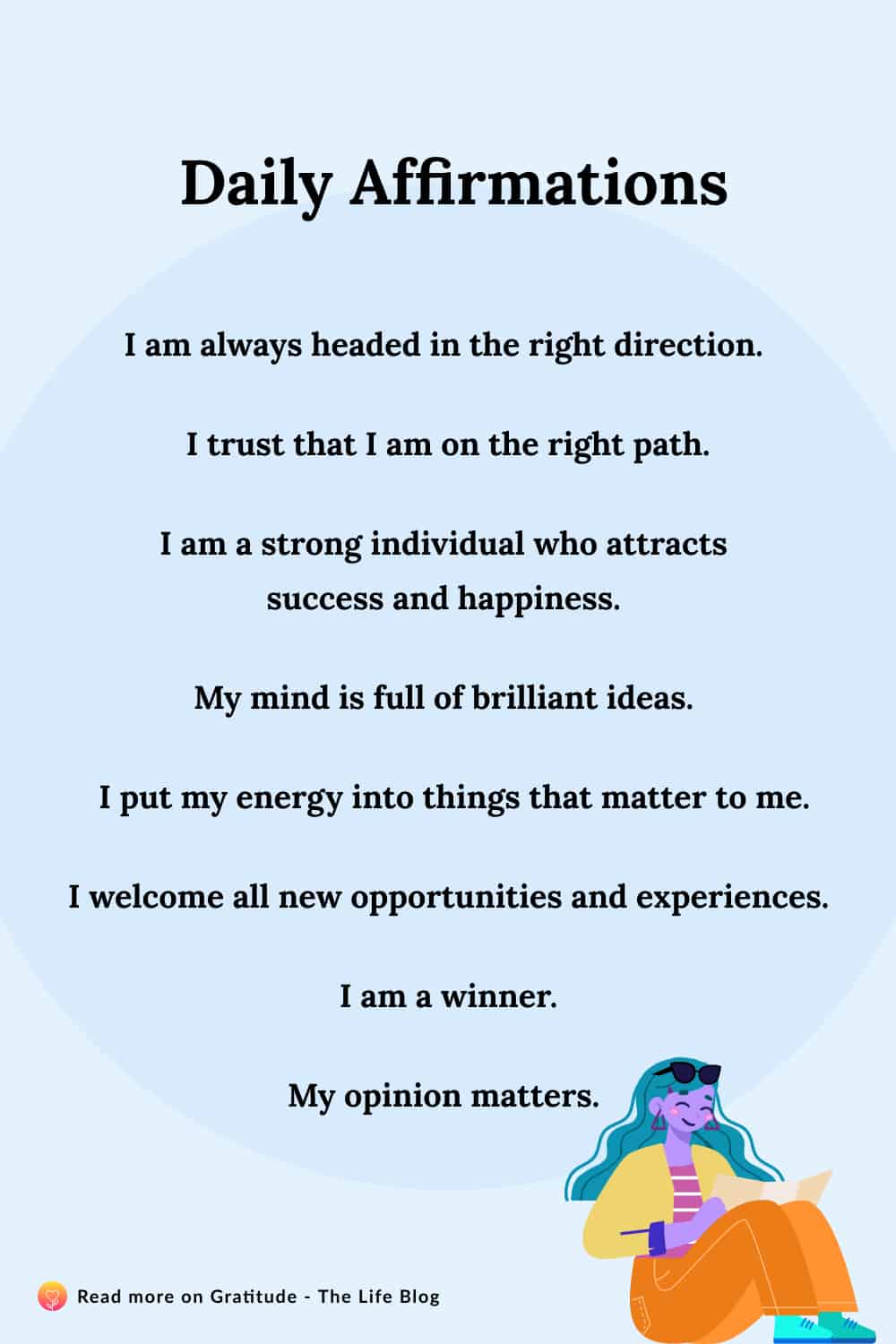
Credit: retailer.ru
Comparing Morning Affirmations To Other Mindset Techniques
Morning affirmations are just one way to build a positive mindset. How do they compare to other methods?
| Technique | Purpose | Time Needed | Main Benefit |
|---|---|---|---|
| Morning Affirmations | Boost positivity | 2–5 minutes | Improves mood |
| Meditation | Reduce stress | 10–20 minutes | Calms mind |
| Gratitude Journaling | Increase thankfulness | 5–10 minutes | Builds optimism |
| Visualization | Imagine success | 5–10 minutes | Boosts motivation |
Affirmations are quick and easy, but you can combine them with other techniques for best results.
Examples Of Morning Affirmations For Specific Challenges
Some days are harder than others. Here are examples for common challenges:
For Stressful Days
- “I am calm and in control.”
- “I handle stress with ease.”
For Low Motivation
- “I am excited to start my day.”
- “I create energy and inspiration.”
For Self-doubt
- “I believe in myself.”
- “I am worthy of success.”
For Difficult Relationships
- “I communicate with kindness.”
- “I build positive connections.”
Morning Affirmations For Children
Children can benefit from affirmations too. Simple, positive phrases can help them feel confident and happy.
How To Teach Children Affirmations
- Use easy words.
- Make it fun, like a game.
- Repeat together every morning.
Example Affirmations For Kids
- “I am brave and strong.”
- “I am a good friend.”
- “I learn new things every day.”
- “I am proud of myself.”
- “I can handle anything.”
These affirmations help children build self-esteem and resilience.
Using Technology For Morning Affirmations
Technology can make affirmations easier. Here are ways to use it:
Apps
Many apps offer daily affirmation reminders and ideas. You can set alerts to help you remember.
Audio Recordings
Record your own affirmations and play them in the morning. Hearing your own voice can make them more powerful.
Smart Devices
Use smart speakers to repeat affirmations or play motivational music.
Online Communities
Join groups where people share affirmations and support each other. This can help you stay motivated.
Morning Affirmations For Mindfulness And Well-being
Affirmations can support mindfulness and well-being. They help you focus on the present and appreciate small moments.
Mindful Affirmations
- “I am present and aware.”
- “I enjoy each moment of today.”
Adding mindful affirmations to your routine can reduce stress and increase happiness.
Incorporating Affirmations Into Workplace Culture
Businesses are beginning to use affirmations to boost employee morale. Leaders share positive phrases at meetings or encourage staff to use them.
Benefits For Companies
- Higher motivation
- Better teamwork
- Less stress
Example Workplace Affirmations
- “We work together with respect.”
- “Our team is strong and capable.”
How To Overcome Doubt About Affirmations
Some people are skeptical about affirmations. They may feel silly or think it won’t work. Here’s how to overcome doubt:
Start Small
Begin with one simple affirmation. Try it for a week and notice any changes.
Focus On Evidence
Pay attention to improvements in mood, energy, or performance. Write them down.
Adjust As Needed
Change your affirmations if they don’t feel right. Make them more believable or personal.
Morning Affirmation Ideas For Special Groups
Affirmations can be adapted for different needs.
For People With Anxiety
- “I am safe and calm.”
- “I trust myself to handle today.”
For Athletes
- “I am strong and ready.”
- “I give my best in every moment.”
For Artists And Creatives
- “I am creative and inspired.”
- “I express myself freely.”
Morning Affirmations In Different Cultures
Affirmations are used around the world. Some cultures combine them with prayer, meditation, or rituals.
Examples
- In some traditions, people repeat positive phrases with beads.
- Others write them in journals or on mirrors.
Affirmations can fit into any belief system or daily routine.
How To Make Affirmations Stick
It’s easy to forget affirmations after a few days. Here are tips to make them stick:
- Set reminders: Use phone alarms or sticky notes.
- Pair with habits: Add affirmations to brushing teeth or making coffee.
- Join a group: Share affirmations with others for support.
- Celebrate progress: Notice small changes and reward yourself.
Data On Morning Affirmation Success
Studies show that regular use of affirmations can improve mental health and performance.
| Study Group | Frequency | Reported Benefit |
|---|---|---|
| Students | Daily | Lower stress, better grades |
| Employees | Weekly | Higher motivation, less burnout |
| Patients | Daily | Improved mood, faster recovery |
These data show that affirmations work best when practiced often.
Non-obvious Insights For Beginners
Many beginners miss a few key points:
- Affirmations are not magic: They help, but you need to act on your goals too.
- Start with believable statements: If “I am confident” feels false, try “I am learning to feel confident.”
- Consistency is more important than perfection: Daily practice matters more than saying the “perfect” phrase.
Resources For Morning Affirmations
If you want more ideas or support, there are many resources online. For example, the Psychology Today website offers articles and tips on positive psychology, including affirmations.
Frequently Asked Questions
What Are Morning Affirmations?
Morning affirmations are short, positive statements you say to yourself after waking up. They help you start the day with confidence and optimism, focusing your mind on positive goals.
How Many Affirmations Should I Use Each Morning?
Most people use 3–5 affirmations. You can use more or fewer, depending on your needs. The key is to repeat them regularly and believe in what you’re saying.
Can Affirmations Help With Stress Or Anxiety?
Yes, affirmations can help reduce stress and anxiety. By focusing on positive thoughts, you can calm your mind and feel more in control.
Should I Say Affirmations Aloud Or Silently?
Both ways work. Saying them aloud can make them feel stronger, but silent repetition is also effective. Writing them down can add extra power.
What If I Don’t Believe My Affirmation?
If an affirmation feels false, adjust it. Start with a more believable phrase, such as “I am learning to feel confident. ” Over time, as you repeat it, your belief will grow.
Starting your day with morning affirmations can be a simple but powerful tool for improving your mindset. These ideas can help you face challenges, feel happier, and grow stronger. Whether you use ready-made phrases or create your own, the key is to practice daily and focus on what matters most to you.
Affirmations can fit any lifestyle, goal, or culture. With a little effort and consistency, you may find your mornings—and your whole life—become brighter and more positive.
