

How to Use Positive Affirmations
Positive affirmations can change the way you think, act, and feel. Many people use them to boost their confidence, improve their mood, and reach their goals. But what makes affirmations work? How do you use them in daily life? If you are looking for a practical, clear guide, you are in the right place.
This article will help you understand positive affirmations, show you how to use them, and reveal tips that many beginners miss.
What Are Positive Affirmations?
Positive affirmations are simple statements that you repeat to yourself. These statements focus on your strengths, goals, or qualities you want to develop. For example, “I am confident” or “I handle challenges with calm.” The main idea is to train your mind to believe these statements. When you believe them, your actions and feelings can change.
Affirmations are not magic. They work through repetition and belief. By saying positive things about yourself often, you build new mental habits. These habits can affect how you react to daily situations and even change your behavior over time.
The Science Behind Affirmations
Research shows that affirmations can help reduce stress, improve performance, and boost self-esteem. A study found that people who used self-affirmation before a stressful task had lower levels of stress hormones. Another experiment showed that students who practiced affirmations before tests performed better.
Affirmations help your brain focus on positive thoughts. This is known as neuroplasticity—your brain can form new connections based on what you repeat and believe. By practicing affirmations, you can shift your mindset from negative to positive.
Here is a comparison of how affirmations affect different areas of life:
| Area | With Affirmations | Without Affirmations |
|---|---|---|
| Self-Esteem | Improves gradually | Often stays the same or declines |
| Performance | Higher confidence, better results | More doubt, lower performance |
| Stress | Lower stress levels | High stress, anxiety |

Credit: www.kelphr.com
Why Use Positive Affirmations?
You might wonder if affirmations are right for you. Here are some key reasons to use them:
- Boost Confidence: Affirmations can help you feel more sure about yourself.
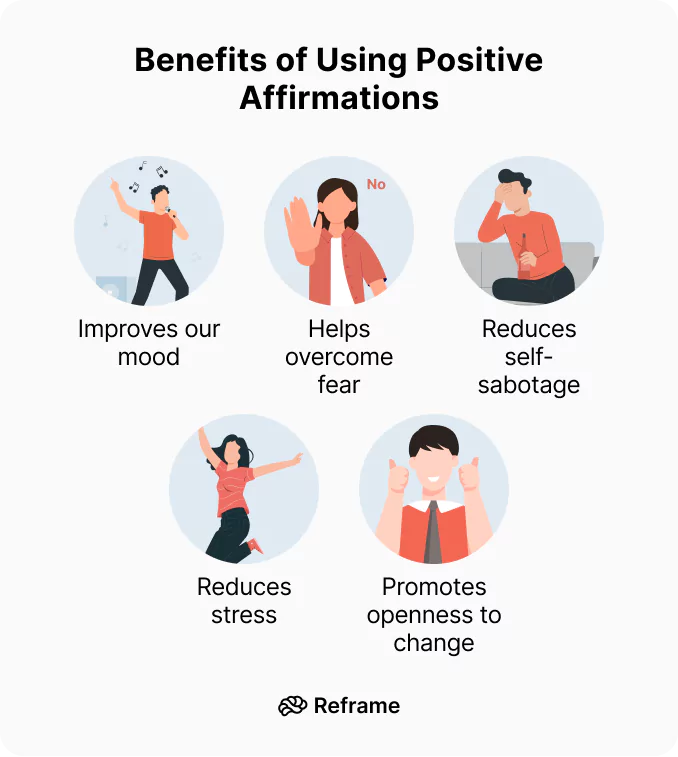
- Improve Mood: They can make you feel happier and more positive.
- Reduce Negative Self-Talk: Affirmations replace negative thoughts with positive ones.
- Support Goals: They keep your mind focused on what you want to achieve.
- Handle Stress: Positive statements can calm your mind during tough times.
Many people use affirmations for different reasons. Some want to overcome fear. Others want to develop new habits. The main benefit is you start to believe you can change and grow.
How To Create Effective Affirmations
Not every affirmation works the same way. The best affirmations are personal, specific, and positive. Here is how you can create your own:
1. Use Present Tense
Write your affirmation as if it is true now. For example, “I am healthy” instead of “I will be healthy. ”
2. Be Positive
Avoid negative words. Say, “I am confident,” not “I am not afraid. ”
3. Make It Personal
Use “I” or “my” in your statement. This makes it about you.
4. Keep It Simple
Short sentences are easier to remember and repeat.
5. Focus On What You Want
Think about your goal or quality you want to develop.
Here are examples of good affirmations:
- “I am calm and focused.”
- “I handle challenges with strength.”
- “I trust myself to make good choices.”
- “I am worthy of love and respect.”
- “I am improving every day.”
Some people make the mistake of using vague statements. For example, “Life is good. ” While positive, it is not specific or personal. The best affirmations speak directly to your needs or goals.

Credit: sproutingzen.com
Step-by-step: How To Use Affirmations Daily
Practicing affirmations is simple, but consistency is key. Here is a step-by-step guide to help you start:
Step 1: Choose Your Affirmations
Pick 3–5 affirmations that match your goals or feelings. Write them down on paper or your phone.
Step 2: Find A Quiet Time
Choose a time when you can focus. Many people use the morning, before bed, or during breaks.
Step 3: Repeat Out Loud
Speak your affirmations clearly. Saying them out loud helps your mind believe them more.
Step 4: Visualize
As you say your affirmations, imagine them being true. Picture yourself confident, calm, or successful.
Step 5: Feel The Words
Try to feel the meaning of your affirmation. Don’t just say it—believe it.
Step 6: Practice Daily
Repeat your affirmations every day. Consistency helps your mind build new habits.
Step 7: Adjust As Needed
If you feel an affirmation is not working, change it. Make it more personal or specific.
Common Mistakes Beginners Make
Many people start using affirmations but don’t see results. Here are common mistakes to avoid:
- Not Believing the Words: If you don’t believe your affirmation, it won’t work. Start with statements you can accept.
- Using Negative Words: Avoid words like “not,” “never,” or “can’t.”
- Being Too Vague: Specific affirmations work better.
- Skipping Days: Consistency is important. Practice every day.
- Ignoring Feelings: Say your affirmations with emotion.
A non-obvious insight: It’s better to start with smaller, believable statements before moving to bigger goals. For example, if you feel shy, start with “I am learning to speak up,” instead of “I am always confident.” This builds belief step by step.
How Affirmations Fit Into Your Routine
Affirmations can become part of your daily routine. Here are ways to include them:
- Morning Routine: Say your affirmations after waking up.
- Before Important Events: Use them before meetings, tests, or interviews.
- During Breaks: Repeat them during short breaks at work or school.
- Before Bed: Affirmations can help you end the day on a positive note.
Some people write their affirmations in a journal. Others stick them on their mirror or phone. Choose what works best for you.
Real-life Examples Of Affirmations In Action
Many people use affirmations to change their lives. Here are a few examples:
- Student: A student says, “I am prepared and confident for my exam,” every morning. Over time, they feel less nervous and perform better.
- Athlete: An athlete repeats, “I am strong and focused,” before games. This helps them stay calm and play well.
- Worker: A worker uses, “I handle stress calmly,” during busy days. They feel more relaxed and productive.
A less-known tip: Some people combine affirmations with deep breathing. This helps calm the mind and makes the affirmation more powerful.
Comparing Affirmations To Other Self-help Methods
Affirmations are just one tool for self-improvement. Here is a comparison with other common methods:
| Method | Main Focus | How It Works | Best For |
|---|---|---|---|
| Affirmations | Positive self-talk | Repeat positive statements | Building confidence, changing mindset |
| Meditation | Calm, focus | Focus on breathing or thoughts | Reducing stress, improving focus |
| Visualization | Imagining success | Picture yourself reaching goals | Motivation, goal-setting |
| Journaling | Reflecting | Write thoughts and feelings | Self-awareness, problem-solving |
Affirmations work best when combined with other methods. For example, you can use affirmations during meditation, or write them in your journal.
Data: How Long Does It Take To See Results?
Many people ask how long it takes for affirmations to work. This depends on your consistency and belief. Studies suggest it takes at least 21 days to form a new habit. Some people notice changes in a week, while others need more time.
Here is an overview of typical time frames:
| Practice Time | Possible Results |
|---|---|
| 1 week | Small changes in mood |
| 3 weeks | New habits forming |
| 2 months | Stronger belief, improved self-esteem |
A hidden insight: Results can come faster if you combine affirmations with action. For example, if you say, “I am confident,” and also practice speaking up, your confidence grows more quickly.
Credit: www.joinreframeapp.com
Tips For Making Affirmations More Powerful
If you want to make your affirmations work better, try these tips:
- Write Them Down: Writing helps your mind focus.
- Say Them Out Loud: Hearing your voice builds belief.
- Use Visuals: Add pictures or symbols to your affirmations.
- Combine With Action: Take steps that match your affirmation.
- Share With Others: Tell a friend or family member about your affirmation.
- Create a Ritual: Make affirmations part of a daily habit, like brushing your teeth.
Another insight: Changing your environment can help. If you see your affirmations often (like on your mirror), you remember to practice them.
Using Affirmations For Specific Goals
Affirmations can be used for many goals. Here are some examples:
Confidence
- “I am confident in my abilities.”
- “I speak clearly and calmly.”
Health
- “I make healthy choices every day.”
- “I am full of energy and strength.”
Relationships
- “I am loved and appreciated.”
- “I communicate with kindness.”
Success
- “I reach my goals with effort and focus.”
- “I am open to new opportunities.”
Stress
- “I stay calm under pressure.”
- “I handle challenges with grace.”
When you choose affirmations for your goal, make sure they match your needs. If you want to improve your health, focus on health-related statements.
How To Deal With Doubts And Negative Thoughts
Sometimes, you may have doubts or negative thoughts while practicing affirmations. This is normal. Here are ways to handle them:
- Accept the Feeling: It’s okay to feel doubt. Don’t fight it.
- Change the Statement: Make your affirmation easier to believe.
- Practice Self-Compassion: Be kind to yourself.
- Use Supporting Evidence: Remind yourself of past successes.
- Ask for Support: Talk to someone you trust.
A helpful example: If you feel “I am confident” is too hard, try “I am learning to be confident.” As your belief grows, you can change the statement.
Integrating Affirmations Into Group Settings
Affirmations can also be used in groups. For example, teachers use them in classrooms, coaches with teams, or managers with staff. Group affirmations help create a positive environment.
How to use affirmations in a group:
- Set a Theme: Choose a group affirmation, like “We work together with respect.”
- Repeat Together: Say the affirmation as a group.
- Discuss Meaning: Talk about what the affirmation means.
- Celebrate Progress: Notice positive changes in the group.
Group affirmations build unity and motivation. They can also help people who feel shy or unsure.
The Role Of Affirmations In Mental Health
Affirmations can support mental health, but they are not a replacement for professional help. People with anxiety, depression, or low self-esteem can benefit from affirmations as part of their routine.
Some therapists use affirmations in counseling. For example, they help clients create positive statements about themselves. Research shows affirmations can reduce stress and improve mood, but results vary by person.
If you struggle with mental health, use affirmations as one tool among many. Talk to a professional for support if needed.
Advanced Techniques: Making Affirmations Work Faster
If you want to take your affirmations to the next level, try these advanced methods:
- Affirmations With Meditation: Start your meditation with affirmations. This helps your mind focus.
- Affirmations With Visualization: Picture yourself living your affirmation. This makes it feel real.
- Affirmation Apps: Use apps to remind you to practice.
- Affirmations With Music: Play calming music while repeating your affirmations.
- Affirmations With Movement: Say your affirmations while walking or exercising.
Another advanced tip: Record yourself saying your affirmations. Listen to the recording daily. Hearing your own voice can build belief faster.
Tracking Progress With Affirmations
To see if your affirmations are working, track your progress. Here are ways to do it:
- Journaling: Write about changes in your mood, confidence, or actions.
- Checklists: Mark off days you practice your affirmations.
- Feedback: Ask friends or family if they notice changes.
- Self-Assessment: Rate your mood or confidence before and after practicing.
By tracking progress, you can adjust your affirmations as needed. If you don’t see change, try a new statement or method.
Real Data And Studies On Affirmations
There is real data showing affirmations can help. For example, a study found that people who used affirmations before stressful events had lower blood pressure and better mood. Another report showed students improved their grades after using affirmations regularly.
One study found that people who practiced affirmations for three weeks felt more confident and less stressed. Researchers say the key is consistent practice and belief in the statement.
If you want to read more about the science behind affirmations, check Wikipedia.
Frequently Asked Questions
What Are Positive Affirmations?
Positive affirmations are short, positive statements you repeat to yourself. They help build confidence, change your mindset, and support your goals. For example, “I am strong and capable.”
How Often Should I Use Affirmations?
You should use affirmations daily for best results. Many people practice them in the morning and before bed. Consistency helps your mind build new habits.
Do Affirmations Work For Everyone?
Affirmations can help most people, but results vary. They work best if you believe the statement and practice consistently. If you struggle, try making your affirmation easier to believe.
Can I Use Affirmations For Specific Goals?
Yes, you can use affirmations for confidence, health, relationships, success, or stress. Choose statements that match your goal. For example, “I make healthy choices every day.”
What If I Don’t Believe My Affirmation?
If you don’t believe your affirmation, make it smaller. For example, change “I am always confident” to “I am learning to be confident. ” As your belief grows, update your affirmation.
Final Thoughts
Positive affirmations are simple but powerful tools for changing your mindset and reaching your goals. By creating personal, specific statements and practicing them daily, you can build confidence, improve your mood, and handle stress better. Remember, belief and consistency are key.
Avoid common mistakes, start with small steps, and track your progress. With time and effort, affirmations can help you create lasting positive change in your life.
