

How to Use Affirmation in a Sentence: Simple Tips & Examples
How To Use Affirmation In A Sentence
What does the word “affirmation” really mean, and how can you use it naturally in your own sentences? Many English learners see this word often, but hesitate to use it correctly. Understanding “affirmation” is important because it appears in daily conversations, academic writing, self-development books, and even business emails.
If you know how to use it, your English will sound clearer and more confident.
In this article, you’ll learn what “affirmation” means, how to use it in different sentence types, and how to avoid common mistakes. You’ll also see real examples, practical tips, and advanced insights that help you use “affirmation” like a native speaker.
By the end, you’ll feel comfortable using this word in your own writing and speech.
Understanding The Meaning Of Affirmation
The word affirmation comes from the verb “affirm,” which means to state something is true, or to show support for an idea. As a noun, “affirmation” refers to a positive statement or confirmation.
There are two main meanings:
- A statement that something is true or correct
- A positive phrase used to encourage or motivate yourself or others
For example, “Her affirmation of my skills gave me confidence. ” Here, affirmation means a statement of support.
Another example: “I repeat daily affirmations to feel motivated.” Here, affirmation means a positive phrase.
Knowing these meanings is important because they affect how you use the word in sentences. In academic or business settings, “affirmation” usually means confirmation or agreement. In self-development, it means positive phrases you tell yourself.
How To Use Affirmation In Everyday Sentences
Using affirmation in a sentence depends on the context. Let’s look at some common ways:
Using Affirmation For Confirmation
You can use “affirmation” when talking about confirming facts, ideas, or actions.
Example:
- “The team received affirmation from the manager to start the project.”
In this sentence, “affirmation” means approval or confirmation.
Using Affirmation For Positive Statements
“Affirmation” is often used for positive statements to build confidence.
Example:
- “He gives himself daily affirmations to stay positive.”
Here, “affirmations” are encouraging phrases.
Using Affirmation To Express Support
Sometimes “affirmation” shows support for someone or something.
Example:
- “Her affirmation of his decision helped him feel secure.”
This means she supported his choice with a positive statement.
Using Affirmation In Written English
In essays, business letters, and academic papers, “affirmation” is used to show agreement or confirmation.
Example:
- “The study provides affirmation of the theory’s accuracy.”
This means the study confirms the theory.
Real Examples Of Affirmation In Sentences
Seeing real examples helps you understand how to use “affirmation” naturally. Here are some sentences in different situations:
- “The teacher’s affirmation encouraged the students to work harder.”
- “Self-affirmation can help reduce stress during difficult times.”
- “His affirmation of the facts was necessary for the report.”
- “She wrote an affirmation to remind herself of her goals.”
- “The committee’s affirmation led to the policy change.”
- “Daily affirmation improves self-esteem and motivation.”
- “The affirmation from her friends made her feel valued.”
- “He needed affirmation before making a big decision.”
- “The company seeks affirmation from customers through surveys.”
- “Affirmation is a key part of building confidence.”
Notice how “affirmation” fits in different contexts—school, business, personal growth, and everyday life.
Sentence Structure With Affirmation
To use “affirmation” correctly, pay attention to sentence structure. Here are some common patterns:
- Noun as subject: “Affirmation is important for success.”
- Noun as object: “He gave affirmation to the new policy.”
- With adjectives: “Strong affirmation is necessary.”
- With verbs: “Receive affirmation,” “Provide affirmation,” “Seek affirmation”
Using different verbs and adjectives can change the meaning slightly. For example, “strong affirmation” means powerful support, while “casual affirmation” means simple agreement.
Comparison Of Sentence Patterns
Here’s a comparison table showing different sentence structures:
| Pattern | Example Sentence | Context |
|---|---|---|
| Noun as subject | Affirmation helps people feel confident. | General statement |
| Noun as object | She received affirmation from her peers. | Personal support |
| With adjective | Positive affirmation can change your mood. | Self-development |
| With verb | The manager provided affirmation to the team. | Workplace |
Knowing these patterns makes your sentences clearer and more natural.
Common Mistakes When Using Affirmation
Many English learners make mistakes with “affirmation.” Here are some to watch for:
1. Using “affirmation” Instead Of “confirmation”
Example: “we Need Affirmation Of The Booking.”
Correction: “we Need Confirmation Of The Booking.”
2. Using “affirmation” As A Verb
“affirmation” Is A Noun. The Verb Form Is “affirm.”
Example: “can You Affirmation This?”
Correction: “can You Affirm This?”
3. Mixing Singular And Plural Forms
“affirmation” (singular) Vs. “affirmations” (plural)
Example: “i Repeat Affirmation Every Morning.”
Correction: “i Repeat Affirmations Every Morning.”
4. Unclear Context
Sometimes “affirmation” is used where another word fits better.
Example: “affirmation Of The Weather Is Needed.”
Correction: “confirmation Of The Weather Is Needed.”
5. Missing Articles Or Prepositions
Example: “she Gave Affirmation.”
Correction: “she Gave An Affirmation.”
Avoid these mistakes to sound more professional and confident.
Using Affirmation In Different Types Of Sentences
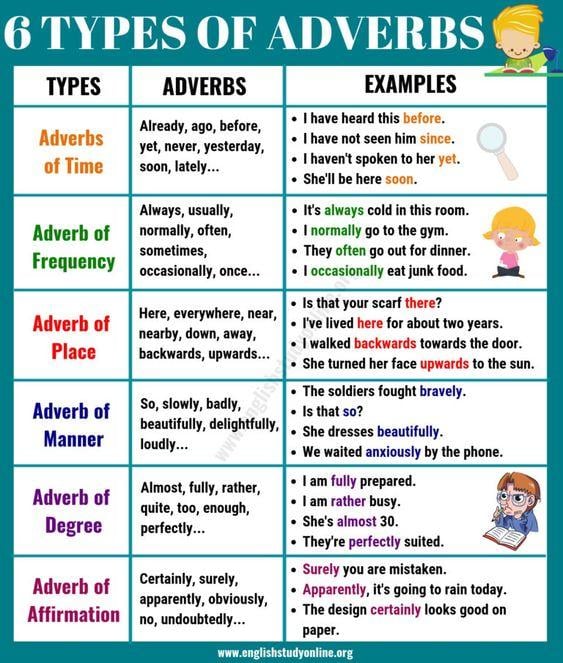
“Affirmation” can be used in various sentence types: statements, questions, exclamations, and commands.
Statement
- “Affirmation is essential for personal growth.”
Question
- “Do you need affirmation before making your decision?”
Exclamation
- “What a powerful affirmation!”
Command
- “Write an affirmation to boost your confidence.”
Each type adds a different feeling to your sentence. Using “affirmation” in questions and exclamations is less common, but it can show surprise, excitement, or concern.
Credit: www.teflcourse.net
Using Affirmation In Spoken English
“Affirmation” is used in spoken English, but not as often as in writing. In conversations, it usually appears when discussing support, encouragement, or positive statements.
Example dialogue:
- A: “I’m not sure about my skills.”
- B: “You need affirmation. Let me remind you of your strengths.”
Here, “affirmation” means positive support.
In group discussions or meetings, you might hear:
- “Let’s give affirmation to the new idea.”
- “I appreciate your affirmation.”
Using “affirmation” in speech can make you sound more polite and supportive.
How Affirmation Differs From Similar Words
Some words are similar to “affirmation” but have different meanings. Knowing the differences helps you choose the right word.
Comparison Table: Affirmation Vs. Similar Words
| Word | Meaning | Example Sentence |
|---|---|---|
| Affirmation | Positive statement or confirmation | She gave affirmation to his plan. |
| Confirmation | Proof that something is true or correct | We received confirmation of the booking. |
| Approval | Official agreement or permission | The manager gave approval for the project. |
| Validation | Recognition of value or correctness | He needed validation for his efforts. |
| Encouragement | Support to inspire confidence | She offered encouragement to the team. |
Notice that affirmation is about positive statements or support, while confirmation is about proving something is true.
Using Affirmation In Academic Writing
In academic writing, “affirmation” often shows support for a theory or result. It is used to confirm ideas or findings.
Example:
- “The experiment provided affirmation of the hypothesis.”
Using “affirmation” in academic papers makes your writing more formal and precise.
Tips for academic writing:
- Use “affirmation” to confirm results, not opinions.
- Combine “affirmation” with evidence: “Data shows affirmation of the model.”
- Avoid using “affirmation” for personal feelings.
Using Affirmation In Business Communication
In business, “affirmation” is used to show approval, confidence, or support for decisions and actions.
Example:
- “The board’s affirmation allowed the project to move forward.”
You can also use “affirmation” in emails:
- “Thank you for your affirmation of our plan.”
In business, affirmation is polite and professional. It shows agreement without sounding too casual.
Using Affirmation For Personal Growth
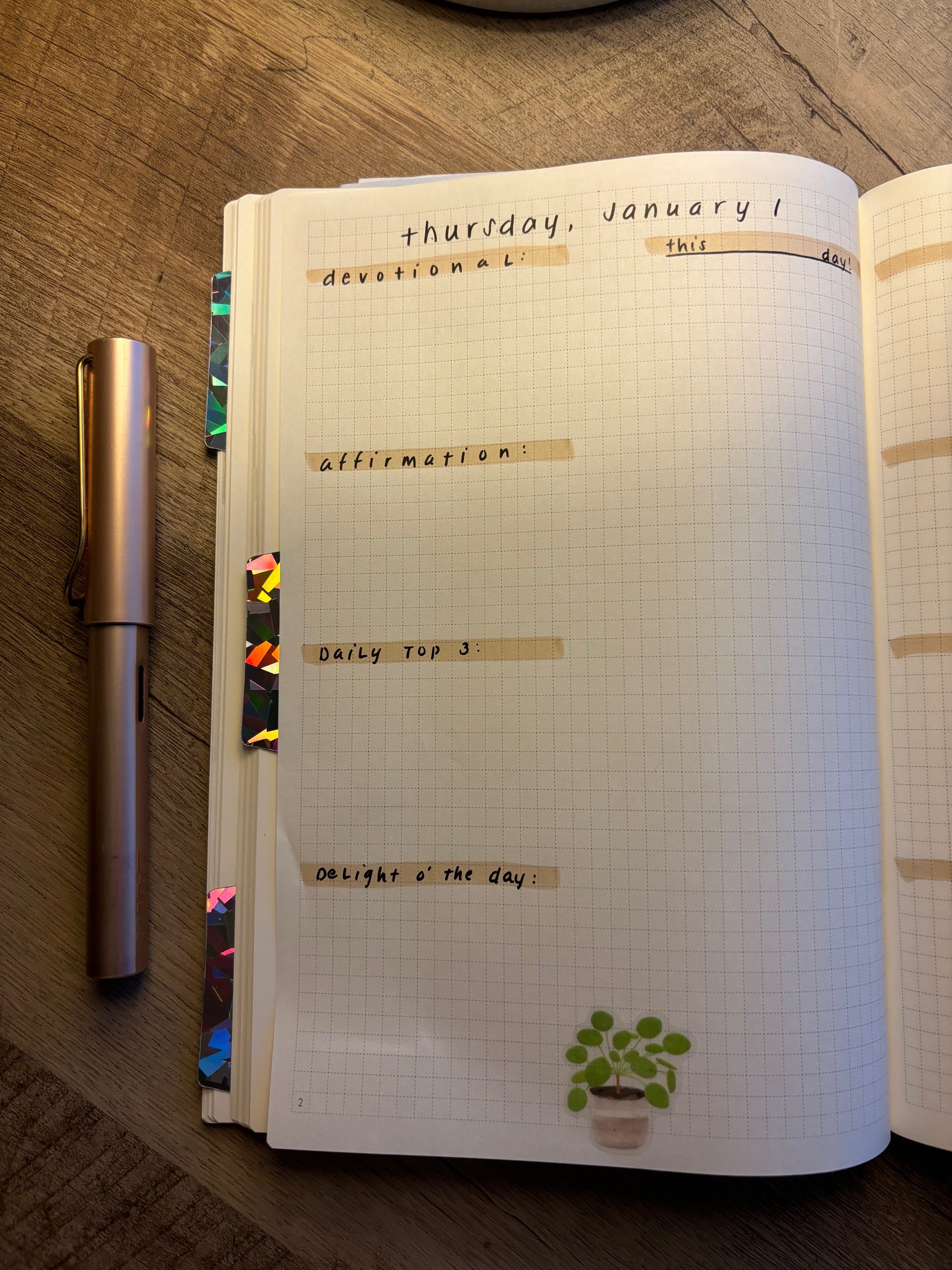
Many people use “affirmation” as a tool for self-improvement. Daily affirmations help build confidence, reduce stress, and focus on goals.
Popular affirmations:
- “I am strong and capable.”
- “I believe in myself.”
- “I am worthy of success.”
You can write your own affirmations and repeat them every morning. This practice is common in psychology and self-development.
Studies show that affirmation helps people feel happier and more motivated. According to the American Psychological Association, self-affirmation can reduce anxiety and improve performance.
Creating Your Own Affirmation Sentences
Writing your own affirmation sentences is easy. Follow these steps:
- Think about your goal or what you want to improve.
- Use positive words (“I am,” “I can,” “I will”).
- Keep the sentence short and clear.
- Repeat the affirmation daily.
Examples:
- “I can learn English quickly.”
- “I am confident in my abilities.”
- “I will achieve my dreams.”
Personal affirmations help you stay motivated and positive.
Advanced Insights: Using Affirmation In Complex Sentences
Once you are comfortable with simple sentences, you can use “affirmation” in more complex structures.
Example:
- “Despite the challenges, her affirmation of the team’s abilities inspired everyone to keep going.”
Here, “affirmation” is part of a longer sentence, showing cause and effect.
Another example:
- “The leader’s affirmation, combined with clear instructions, resulted in a successful project.”
Complex sentences connect affirmation with other actions or ideas. This makes your writing more advanced.
Non-obvious Insights Beginners Often Miss
Many learners forget that “affirmation” can be indirect. Sometimes, you do not use the word directly, but the meaning is there.
Example:
- “Her smile was an affirmation of gratitude.”
Here, the smile replaces a spoken affirmation.
Another insight: “Affirmation” is not always positive. It can confirm a negative idea, though this is less common.
Example:
- “His affirmation of the risks made everyone cautious.”
Beginners often think “affirmation” is only for good things, but it can confirm any fact or idea.
How To Practice Using Affirmation In Sentences
Practicing helps you become fluent with “affirmation.” Here are ways to practice:
- Write 5 sentences using “affirmation” each day.
- Record yourself saying sentences with “affirmation.”
- Read books or articles and note how “affirmation” is used.
- Ask a friend to check your sentences.
- Use “affirmation” in emails or messages.
The more you practice, the more natural it becomes.
How Affirmation Is Used In Different Cultures
In some cultures, affirmation is direct and spoken. In others, it is shown through actions, gestures, or written words.
For example:
- In Western cultures, people often use verbal affirmation (“You did great!”).
- In Asian cultures, affirmation may be shown through gifts or polite actions.
Understanding cultural differences helps you use affirmation appropriately.
Comparing Affirmation With Negation
“Affirmation” is the opposite of “negation. ” Negation means denying or rejecting, while affirmation means accepting or confirming.
Here’s a comparison table:
| Type | Meaning | Example |
|---|---|---|
| Affirmation | Positive statement or confirmation | I can do this. |
| Negation | Negative statement or rejection | I cannot do this. |
Using affirmation creates positive energy, while negation can create doubt or fear.
The Role Of Affirmation In Psychology
Psychologists use affirmation to help people overcome fears and build self-confidence. Self-affirmation is a technique where you repeat positive statements about yourself.
Research shows that self-affirmation reduces stress and improves performance. It is used in therapy, coaching, and education.
Example:
- “Repeating affirmations before a test can reduce anxiety.”
Not all affirmations work for everyone. It’s important to choose statements that feel true and meaningful.

Credit: www.etsy.com
The Impact Of Affirmation In Society
Affirmation is powerful in society. It shapes beliefs, motivates people, and creates positive environments.
For example:
- Leaders use affirmation to inspire teams.
- Parents use affirmation to encourage children.
- Teachers use affirmation to support students.
Affirmation builds trust, respect, and cooperation.
How Affirmation Influences Language Learning
Using affirmation helps you learn English faster. Positive statements boost your confidence and motivate you to try new things.
Example:
- “I can speak English fluently.”
Repeating affirmations makes you believe in your skills. This is especially helpful for beginners who feel nervous.
How To Teach Affirmation To Others
If you teach English or help someone learn, you can show them how to use affirmation:
- Explain the meaning and use of “affirmation.”
- Give examples in different situations.
- Encourage students to write their own affirmations.
- Correct mistakes gently.
- Practice together in speaking and writing.
Teaching affirmation builds confidence and helps learners grow.
Frequently Asked Questions
What Is The Best Way To Use Affirmation In A Sentence?
The best way is to use “affirmation” in contexts where you want to show positive support, confirmation, or encouragement. Make sure your sentence is clear and fits the situation. For example: “The manager’s affirmation motivated the team.”
Can Affirmation Be Used In Negative Situations?
Yes. While most affirmations are positive, you can use “affirmation” to confirm negative facts or concerns. For example: “His affirmation of the risks helped everyone prepare better.”
Is Affirmation Only Used For Self-motivation?
No. “Affirmation” is used for self-motivation, but also for confirming facts, supporting ideas, and giving approval in academic, business, and everyday contexts.
How Can I Write My Own Affirmation Sentences?
Think about what you want to achieve or feel. Use positive words, keep sentences short, and repeat them daily. For example: “I am capable and confident.”
What Is The Difference Between Affirmation And Confirmation?
“Affirmation” is a positive statement of support or truth. “Confirmation” is proof that something is correct or true. For example, “affirmation” is often used for encouragement, while “confirmation” is used for verifying facts.
---
Learning how to use affirmation in a sentence opens new possibilities for your English. Whether you want to motivate yourself, support someone, or write clearly in business or school, “affirmation” is a useful tool. Practice often, notice how native speakers use it, and try new sentence patterns. With time, you’ll use “affirmation” confidently, and your English will sound stronger and more natural.
Credit: readingandpurpose.substack.com
