

Affirmation Vs Declaration: Key Differences and Best Uses
Affirmation Vs Declaration: Key Differences, Power, And Practical Applications
Every day, we use words to shape our experience. Some people talk about affirmations while others mention declarations—but what do these really mean? Can the way you speak about yourself and your goals truly make a difference in your life? This article explores the deep contrasts and connections between affirmation and declaration. You'll learn not only what they are, but how to use them effectively, and how they can transform your mindset, habits, and results.
This topic goes far beyond repeating positive statements in the mirror. It’s about understanding the psychology behind self-talk, the science of belief, and the practical methods that high achievers use. Whether you’re new to personal growth or have tried affirmations before, you’ll discover insights that can help you avoid common mistakes and unlock the real power of words.
What Is An Affirmation?
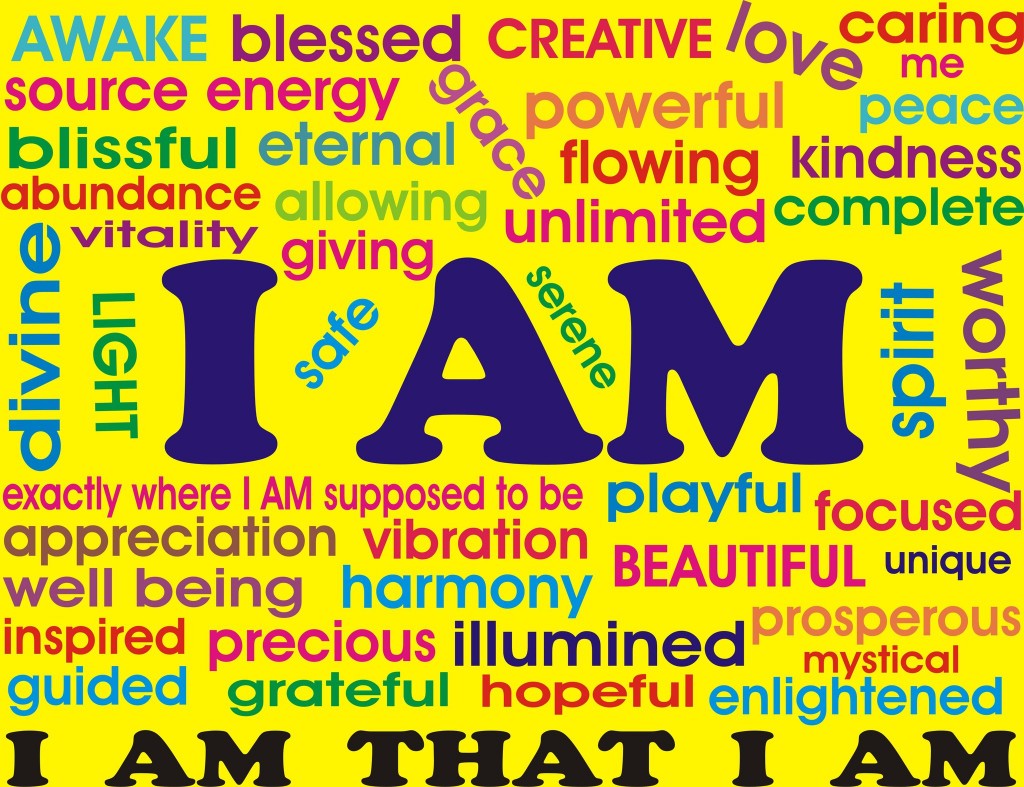
An affirmation is a positive statement you repeat to yourself, often to encourage a belief or feeling. People use affirmations to build confidence, reduce self-doubt, or focus on a goal. These statements are usually in the present tense, short, and personal. For example, you might say, “I am confident,” or “I attract success.”
Affirmations work by helping you change your thoughts, which can then change your actions. The basic idea is that your mind will start to accept these statements as true if you repeat them often enough. Many people use them in the morning, before important tasks, or when they feel anxious.
However, not all affirmations work for everyone. If your affirmation feels too far from your current reality, you might not believe it. For example, saying “I am wealthy” when you are struggling financially can sometimes cause more stress or doubt.
This is a common mistake beginners make—they pick affirmations that feel fake, and the mind resists.
Research shows that affirmations can help reduce stress and increase performance, especially when they match your values and are believable. They can also help you focus on your strengths and stay motivated during challenges.
What Is A Declaration?
A declaration is a strong, powerful statement of intention or decision. It is not just about believing something—it’s about claiming it and committing to action. Declarations use clear, direct language and often include a plan or promise. For example, “I will become a published author,” or “I choose to take control of my health.”
Declarations go beyond affirmations by including a sense of commitment. You are not just hoping or imagining—you are announcing your intent to yourself and sometimes to others. This creates a sense of responsibility and urgency. Declarations often feel more energetic and active.
People use declarations to set goals, break old patterns, or start something new. Declarations are common in coaching, leadership, and public speaking. When you declare something, you are making a public or private promise, and this can increase your motivation to follow through.
One powerful aspect of declarations is that they can help you overcome fear and procrastination. By declaring your intent, you create a new standard for yourself. It’s like drawing a line in the sand—you are saying, “From this moment, things will change.
”
Key Differences Between Affirmation And Declaration
It’s easy to confuse affirmations and declarations because both use positive language and aim to change your mindset. But they have important differences. The table below shows a side-by-side comparison:
| Aspect | Affirmation | Declaration |
|---|---|---|
| Focus | Belief and mindset | Commitment and action |
| Language | Present tense, positive | Present or future tense, decisive |
| Purpose | Encourage self-belief | Announce intent and decision |
| Emotion | Calm, supportive | Strong, energetic |
| Example | “I am confident” | “I will speak up in meetings” |
Non-obvious Insight: The Subtle Impact Of “will” And “am”
One thing beginners often miss is the power of small words. Affirmations often use “am” or “have,” which focus on being. Declarations use “will” or “choose,” which focus on doing. This small change can shift your mindset from just believing to taking action.
Non-obvious Insight: Timing And Context
Another subtle difference is when and why you use each. Affirmations are best for inner work—building belief and reducing negative self-talk. Declarations shine when you need to make a decision or take action, like starting a new habit or announcing a goal.
How Affirmations Work In The Brain
Affirmations are more than just words. They can actually change the way your brain works. This happens through a process called neuroplasticity. When you repeat positive statements, you create new connections in your brain. Over time, these connections can become stronger, making it easier to think positive thoughts.
Scientific studies have shown that affirmations can activate parts of the brain related to self-worth and reward. For example, a study published in the “Social Cognitive and Affective Neuroscience” journal found that people who practiced affirmations showed increased activity in the brain’s reward centers.
This means that affirmations can help you feel good, more motivated, and even more open to change.
But there’s a catch. If you choose affirmations that feel unrealistic, your brain might resist. For example, if you say, “I am always happy,” but you feel sad, your mind might argue with you. That’s why it’s important to pick affirmations that are positive but also believable.
How Declarations Influence Behavior
Declarations work differently. When you make a declaration, you are not just changing your thoughts—you are setting a new standard for your actions. This can trigger a strong emotional response, which helps you remember and follow through on your decision.
Declarations engage your prefrontal cortex, the part of the brain responsible for planning and decision-making. This is why making a declaration often leads to new habits. For example, if you declare, “I will exercise every morning,” you are telling your brain to prepare for action.
One interesting fact is that declarations can be even more powerful when shared with others. This is called social accountability. When you announce your intent, you feel more responsible to follow through, because others are watching.
Practical Examples Of Affirmations
Affirmations can be used in many areas of life. Here are some examples:
- Self-Confidence: “I am worthy of respect.”
- Stress Reduction: “I am calm and relaxed.”
- Success: “I attract opportunities.”
- Relationships: “I am a loving partner.”
- Health: “I treat my body with care.”
You can create your own affirmations by focusing on what you want to believe or feel. Make them short, positive, and in the present tense.
Tips For Making Affirmations Work
- Personalize them. Use words that feel natural to you.
- Repeat them often, especially in the morning or before challenges.
- Visualize the result as you say the words.
- Write your affirmations on notes or keep them in a journal.
Practical Examples Of Declarations
Declarations are used when you want to set a goal or make a commitment. Here are some examples:
- Career: “I will apply for three new jobs this week.”
- Personal Growth: “I choose to forgive myself for past mistakes.”
- Health: “I commit to eating healthy meals every day.”
- Learning: “I will study English for 30 minutes each day.”
- Courage: “I choose to speak my truth, even when it’s hard.”
To make a strong declaration, use words like “I will,” “I choose,” or “I commit. ” Be clear about what you want and how you will act.
Tips For Powerful Declarations
- State your intent clearly. Avoid vague language.
- Share your declaration with someone you trust.
- Write it down and put it somewhere visible.
- Review your declaration regularly to stay focused.
When To Use Affirmations And When To Use Declarations
Many people wonder which tool is better. The truth is, both have their place. The best choice depends on your goal and situation.
Use affirmations when you want to:
- Build self-belief or confidence
- Reduce anxiety or negative thoughts
- Support a new mindset
Use declarations when you want to:
- Set a clear goal or decision
- Commit to a new action or habit
- Announce your intent to yourself or others
Some people combine both. For example, you might use an affirmation to build confidence, then declare your next action. This creates a strong inner and outer change.
Common Mistakes And How To Avoid Them
Even though affirmations and declarations seem simple, there are common pitfalls.
Mistakes With Affirmations
- Choosing unrealistic statements. If your affirmation feels fake, your mind will reject it.
- Being too general. “I am successful” is less powerful than “I am good at solving problems.”
- Not repeating them enough. Change takes time and consistency.
Mistakes With Declarations
- Making vague promises. “I will be better” is unclear. “I will meditate for five minutes daily” is specific.
- Not taking action. Declarations require follow-through.
- Keeping them secret. Sharing your declaration increases accountability.
A practical tip is to review your affirmations and declarations regularly. Adjust them as you grow, and don’t be afraid to rewrite or replace them.
Table: Affirmation And Declaration In Different Life Areas
Below is a comparison of how affirmations and declarations can be applied in various parts of life.
| Life Area | Affirmation Example | Declaration Example |
|---|---|---|
| Health | “I am strong and healthy.” | “I will walk 10,000 steps daily.” |
| Career | “I am skilled and valued at work.” | “I will lead the next project.” |
| Relationships | “I am a caring friend.” | “I will call my family every week.” |
| Finance | “I attract abundance.” | “I will save 10% of my income.” |
| Personal Growth | “I am open to new ideas.” | “I choose to read a new book each month.” |

Credit: pinksaltriot.com
The Science Behind Self-talk
Both affirmations and declarations are forms of self-talk. Scientists have studied how self-talk influences performance, emotions, and even physical health.
A review from the “European Journal of Social Psychology” found that positive self-talk can improve problem-solving and reduce stress. Athletes often use self-talk to boost performance—sometimes as affirmations (“I am fast”) and sometimes as declarations (“I will finish strong”).
However, the effect depends on how you use these tools. Self-talk works best when it’s:
- Positive
- Clear and specific
- Repeated regularly
If you mix negative self-talk with positive statements, the results can be weaker. That’s why it’s important to be aware of your words throughout the day.
Real-life Success Stories
Many well-known people use affirmations and declarations. For example, Muhammad Ali often repeated, “I am the greatest,” before fights. This was both an affirmation (building belief) and a declaration (announcing his intent).
In business, leaders like Oprah Winfrey have shared their use of affirmations to overcome doubt and stay focused. She often says, “I trust in the process of life,” as a way to affirm her journey.
In personal coaching, declarations are used to help clients set clear goals. For example, a coach might guide someone to declare, “I will complete my project by the deadline,” turning intention into action.
These examples show that both tools can be powerful when used with purpose and consistency.
Credit: jasmineking.org
Affirmation Vs Declaration: Which Is Right For You?
Choosing between affirmation and declaration depends on your needs:
- If you struggle with self-doubt, try affirmations first.
- If you know what you want but need motivation, make a declaration.
- For big changes, start with an affirmation to build belief, then declare your next step.
It’s also okay to experiment. You might find that one works better in certain situations. The key is to use your words with intention and to pay attention to how they make you feel.
How To Create Your Own Affirmations And Declarations
Many people copy affirmations or declarations from books or the internet. While this can help, it’s more powerful to create your own. Here’s how:
Steps To Create Effective Affirmations
- Identify a limiting belief or desire. What do you want to change or believe?
- Write a positive statement in the present tense.
- Keep it short and specific.
- Check that it feels believable. Adjust if necessary.
Example: If you often think, “I am not good enough,” change it to, “I am capable and strong.”
Steps To Create Powerful Declarations
- Decide what you want to commit to.
- Use strong, clear language. “I will,” “I choose,” or “I commit.”
- Be specific about what and when.
- Write it down and share if possible.
Example: “I will finish my resume by Friday and send it to three companies.”

Credit: thecontentauthority.com
Combining Affirmations And Declarations For Maximum Impact
Some of the best results come from using affirmations and declarations together. Here’s a simple process:
- Start your day with a positive affirmation to set your mindset.
- Make a declaration about the action you will take.
- Review both at night to reinforce your progress.
For example: “I am a confident speaker.” Then, “I will give my presentation this afternoon with clarity and courage.”
This combination helps you align your thoughts and actions, making it more likely you’ll reach your goals.
Table: Mistakes To Avoid And How To Fix Them
Below is a summary of common mistakes and solutions for both affirmation and declaration.
| Mistake | With Affirmation | With Declaration | How to Fix |
|---|---|---|---|
| Unrealistic Statement | “I am a millionaire” (when struggling) | “I will run a marathon next week” (without training) | Choose believable, step-by-step statements |
| Vague Language | “I am better” | “I will improve” | Be specific: “I am improving my skills”; “I will practice guitar daily” |
| No Action | Repeating without change | Declaring but not acting | Attach small actions to your words |
| Inconsistency | Saying it only once | Making a one-time promise | Repeat and review regularly |
Cultural And Spiritual Aspects
Both affirmations and declarations have roots in different cultures and spiritual practices. For example, in yoga and meditation, mantras are repeated to focus the mind. In some faiths, declarations are used as promises or vows. This shows that the power of words is not new—it’s been part of human growth for centuries.
However, you do not need to follow any religion or tradition to use these tools. They work for anyone who wants to improve their mindset or achieve goals.
Frequently Asked Questions
What Is The Main Difference Between Affirmation And Declaration?
The main difference is focus and intention. Affirmations are positive statements to build belief and mindset. Declarations are strong commitments to take action or make a decision. Affirmations help you feel and believe; declarations help you act and achieve.
Can I Use Both Affirmation And Declaration Together?
Yes, you can use both for best results. Start with an affirmation to build confidence, then make a declaration about your next step. This helps align your thoughts with your actions.
Why Do Some Affirmations Not Work For Me?
Affirmations may not work if they feel unbelievable or too far from your current reality. It’s important to choose statements that are positive but also realistic. Adjust your affirmation until it feels true and possible for you.
How Often Should I Repeat Affirmations Or Declarations?
Repeat affirmations daily, especially in the morning or before challenges. Declarations should be stated clearly and reviewed often, especially when you are working toward a specific goal. Consistency is key for both.
Where Can I Learn More About The Science Of Self-talk?
You can read more about the psychology of self-talk and its effects in research journals or trusted sites like Wikipedia.
Words have the power to shape your life. By understanding and using both affirmation and declaration, you give yourself a powerful toolset for personal growth, confidence, and achievement. Whether you want to change your mindset or take bold action, the journey begins with what you say to yourself—so choose your words with care and intention.
