

How Many Affirmations Are There? Discover the Surprising Answer
How Many Affirmations Are There
Affirmations have become a popular way to shape positive thinking and personal growth. People use them to boost confidence, manage stress, and reach their goals. You may have seen people repeating simple sentences like, “I am confident” or “I attract success.” But a common question comes up: How many affirmations are there? Is there a fixed number, or are the possibilities endless? Let’s explore this topic deeply so you understand everything about the number, variety, and impact of affirmations.
What Are Affirmations?
Affirmations are short, positive statements that you say to yourself. The purpose is to change your mindset, replace negative thoughts, and help you believe in your abilities. They are most effective when spoken in the present tense and repeated regularly. For example, saying “I am strong” can help you feel more resilient during hard times.
Affirmations work by creating new patterns of thinking. Our brains respond to repeated messages, and over time, these messages can change how we feel and act. This process is called self-affirmation theory in psychology. It shows that what we say to ourselves can affect our confidence, habits, and even health.
Are Affirmations Limited In Number?
Many people wonder if there is a set number of affirmations. In reality, there is no fixed limit. You can create an affirmation for almost any situation or goal. The number is only limited by your imagination and the language you use. If you consider all possible topics, wordings, and intentions, the number of affirmations is practically infinite.
But why do people sometimes search for “how many affirmations are there?” It’s because affirmations are often grouped by topics or purposes. Some sources list hundreds or even thousands of sample affirmations. Others create custom statements based on personal needs.
Types Of Affirmations
Affirmations can be divided into different types depending on what you want to achieve. Here are some of the main categories:
1. Self-esteem Affirmations
These focus on building your sense of worth and self-love. Examples include:
- “I am worthy of love and respect.”
- “I trust myself to make good decisions.”
2. Success And Achievement Affirmations
These help you focus on your goals and career. Examples:
- “I am capable of achieving my dreams.”
- “Success comes to me easily and naturally.”
3. Health And Wellness Affirmations
These statements support your physical and mental health:
- “My body is healthy and strong.”
- “I choose nourishing foods every day.”
4. Relationships Affirmations
Used to improve relationships with others:
- “I attract positive and supportive people.”
- “I communicate with love and respect.”
5. Financial Abundance Affirmations
Help to develop a positive money mindset:
- “I attract wealth and prosperity.”
- “Money flows easily into my life.”
6. Confidence And Motivation Affirmations
Boost motivation and self-belief:
- “I am confident in my abilities.”
- “I stay motivated and focused.”
7. Stress And Anxiety Relief Affirmations
Reduce stress and create calmness:
- “I am calm and relaxed.”
- “I let go of worries that I cannot control.”
8. Spiritual Growth Affirmations
Connect with inner peace and higher purpose:
- “I am connected to the universe.”
- “I trust the journey of my life.”
9. Creativity And Learning Affirmations
Encourage growth and creative thinking:
- “I am creative and full of ideas.”
- “I learn new things easily.”
10. Gratitude Affirmations
Focus on thankfulness:
- “I am grateful for the blessings in my life.”
- “Every day, I see more things to be thankful for.”
As you can see, even just these categories show how wide the world of affirmations is. Within each type, you can create hundreds of variations.
How Do People Create Affirmations?
There is no single way to create an affirmation. However, most effective affirmations share some common features:
- They are positive: Use words that focus on what you want, not what you want to avoid.
- They are present tense: Say “I am healthy” instead of “I will be healthy.”
- They are personal: Use “I” or “my” to make the statement about yourself.
- They are specific: The more detailed, the better.
For example, instead of “I am successful,” you might say, “I am successful in my work and valued by my team. ”
Some people write their own affirmations every day, while others use lists found online or in books.
Sample Affirmations By Category
To understand the variety, let’s look at some sample affirmations in different categories. This will also show how flexible and creative you can be.
| Category | Sample Affirmation |
|---|---|
| Self-Esteem | I love and accept myself as I am. |
| Success | I am achieving my goals every day. |
| Health | My body is getting stronger and healthier. |
| Relationships | I am surrounded by people who care about me. |
| Finance | I manage my money wisely and attract abundance. |
| Confidence | I believe in myself and my abilities. |
| Stress Relief | I am letting go of tension and embracing peace. |
| Spirituality | I am in tune with my inner wisdom. |
| Creativity | New ideas flow to me effortlessly. |
| Gratitude | I appreciate all the good in my life. |
This table shows just a small sample. You can create endless new affirmations by changing the focus, wording, or details.
How Many Affirmations Are Commonly Used?
While the total number is infinite, some numbers are more common in practice. People often choose to repeat a small set each day, usually between 3 and 10 affirmations. This makes it easier to remember and really focus on each one.
Some books and websites share large lists, sometimes with hundreds or thousands of affirmations for different goals. For example:
- A self-help book may have 365 affirmations for each day of the year.
- Online collections may offer lists of 50, 100, or more for specific topics.
But most experts agree that quality is more important than quantity. It’s better to use a few affirmations that feel personal and meaningful, rather than a long list that you do not connect with.
The Infinite Nature Of Affirmations
If you are still wondering “how many affirmations are there,” the simple answer is: as many as you can imagine. This is because:
- You can create new affirmations for any goal or feeling.
- Words can be combined in countless ways.
- Every person’s needs are different, so what works for one may not work for another.
Let’s look at some practical examples. Imagine you want an affirmation about confidence. Here are just a few possible versions:
- “I am confident in my skills.”
- “I trust my decisions.”
- “I walk into every room with confidence.”
- “People respect my confidence.”
Each one uses different words, but the core idea is similar. This shows how the number of possible affirmations is limitless.
How To Choose Or Create The Right Affirmations
Choosing the best affirmation for you depends on your personal goals. Here are some tips to help you find or create the right ones:
- Identify your goal: What do you want to change or improve?
- Use positive language: Focus on what you want, not what you fear.
- Keep it short and simple: This makes it easier to remember and repeat.
- Make it believable: If you do not believe the statement, it may not be effective.
- Personalize it: Use words that matter to you.
Let’s say your goal is to have more patience. You could create:
- “I am patient with myself and others.”
- “I handle every situation calmly.”
- “Patience comes naturally to me.”
Try saying each one out loud. Which feels best? That is the one to use.

Credit: healthyacadia.org
The Science Behind Affirmations
Some people wonder if affirmations really work. Research shows that they can be helpful, especially when used correctly. Studies have found that repeating positive statements can:
- Improve self-esteem
- Reduce stress
- Increase resilience
- Support healthy habits
But it is important to note that affirmations are not magic. They work best when combined with action. For example, saying “I am healthy” is more powerful when you also eat well and exercise.
An interesting insight is that affirmations are more effective when you believe them. If you repeat something you do not believe, your mind may resist it. This is why starting with realistic statements is better for beginners.
For more on the psychology, see Self-Affirmation Theory on Wikipedia.
Affirmation Myths And Misconceptions
There are some common myths about affirmations:
- Myth 1: You need to repeat hundreds of affirmations every day.
- Reality: Focusing on a few meaningful statements is better.
- Myth 2: Affirmations must be perfectly worded.
- Reality: Your own words often work best.
- Myth 3: Affirmations work instantly.
- Reality: They need time and regular practice.
Another thing beginners often miss is that affirmations must be practiced with emotion. Saying words without feeling is less effective. Imagine or visualize the meaning as you speak.

Credit: www.intelligentchange.com
How Do People Use Affirmations In Daily Life?
Affirmations can be used in many ways. Some people say them aloud every morning. Others write them in a journal, put sticky notes on the mirror, or set phone reminders. The key is consistency. Repeating an affirmation regularly helps your mind accept it as true.
Here are some creative ways people use affirmations:
- Morning routine: Start your day with 3-5 affirmations.
- Sticky notes: Place them where you see them often (mirror, fridge, desk).
- Phone reminders: Set alarms with your favorite statement.
- Journaling: Write an affirmation at the top of your daily page.
- Meditation: Repeat affirmations silently during meditation.
You can also record your voice saying the affirmations and play them back. This helps reinforce the message in a new way.
Why Do Some People Struggle With Affirmations?
Not everyone finds affirmations easy. Here are some common challenges:
- They feel fake or forced: If the statement is too far from what you believe, it may feel uncomfortable.
- They forget to practice: Without reminders, it’s easy to stop using them.
- They expect fast results: Real change takes time and patience.
To overcome these problems:
- Start with small, believable statements.
- Use reminders or write them down.
- Be patient and give it time.
One non-obvious tip: Combine affirmations with action steps. For example, if you say, “I am organized,” also spend a few minutes organizing your space. This creates a strong connection between words and actions.
Affirmations In Different Cultures And Languages
Affirmations are not just an English-speaking trend. Many cultures have similar practices:
- In Buddhism, mantras are repeated for positive energy.
- In some African traditions, proverbs act as guiding statements.
- In Japanese culture, the idea of “kotodama” is the belief that words have spiritual power.
You can create affirmations in any language. In fact, using your native language may make them feel more powerful and personal. This is an important insight for non-native English speakers: affirmations work best in your own words and language.
Digital Affirmation Tools And Apps
With technology, affirmations are easier to practice than ever. Many apps and websites provide daily affirmations, reminders, and tracking tools. Some popular features include:
- Customizable affirmation lists
- Voice recordings
- Visual reminders
- Community sharing
These tools help keep you motivated and consistent. They also offer thousands of sample affirmations to inspire you.
Here is a comparison of some features you might find in affirmation apps:
| Feature | Benefit | Example Use |
|---|---|---|
| Daily reminders | Keeps you consistent | Phone notification every morning |
| Voice recording | Hear your own voice | Play back affirmations during commute |
| Custom lists | Personalize your practice | Add affirmations for new goals |
| Community sharing | Get support from others | Share favorite affirmations with friends |
Remember, while technology is helpful, the most important part is meaningful repetition.
How To Know If An Affirmation Is Working
People often ask how to tell if affirmations are making a difference. Here are some signs:
- You start to notice more positive thoughts.
- Negative self-talk becomes less frequent.
- You feel more confident or motivated.
- You take more positive actions.
Some people keep a progress journal to track changes. Write down how you feel before and after using affirmations for a few weeks. This can help you see your growth over time.
A subtle but important insight: Sometimes the effects are slow and gentle. It may take a month or longer to notice real change, so do not give up too soon.
Potential Pitfalls And How To Avoid Them
Affirmations can be powerful, but there are some pitfalls to watch out for:
- Unrealistic statements: If you choose affirmations you do not believe at all, your mind may reject them.
- Ignoring real problems: Affirmations are not a substitute for solving real-life issues or seeking help when needed.
- Focusing only on words: Remember to also take action toward your goals.
To avoid these problems:
- Start with believable affirmations and build up.
- Use affirmations as part of a larger plan for personal growth.
- Combine positive words with positive action.
Examples Of Advanced Affirmation Techniques
As you get more comfortable with affirmations, you can try some advanced techniques:
- Visualization: Picture yourself living the affirmation as you say it.
- Scripting: Write a story about your life as if the affirmation is already true.
- Affirmation stacking: Combine several affirmations into a longer statement.
For example, “I am confident, successful, and surrounded by supportive people. Every day, I grow stronger and achieve my goals. ”
These techniques deepen the impact and make the affirmations feel more real.
Why The Number Of Affirmations Doesn’t Really Matter
After exploring all aspects, it becomes clear that asking “how many affirmations are there?” is less important than how you use them. The real power comes from:
- Choosing statements that matter to you
- Repeating them with feeling and belief
- Taking action to support your words
There may be millions of possible affirmations, but the ones that change your life are the ones you practice consistently and believe deeply.
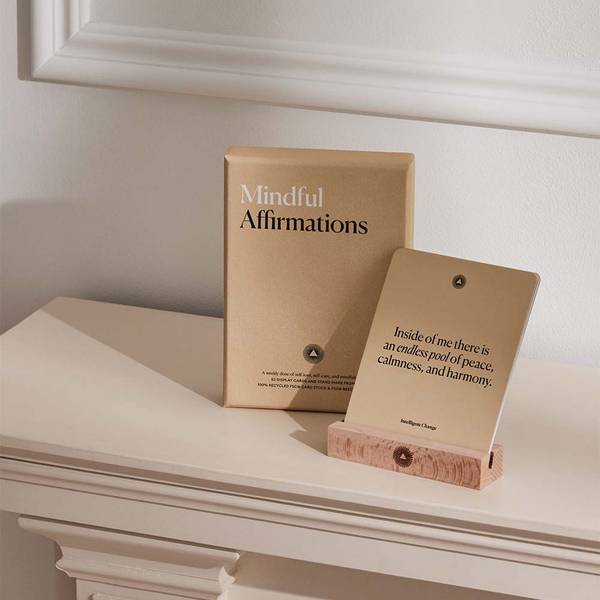
Credit: www.intelligentchange.com
Frequently Asked Questions
How Many Affirmations Should I Use Each Day?
Most people find that 3 to 10 affirmations per day is enough. This keeps your focus strong and makes it easier to remember each statement. Quality is more important than quantity.
Can I Write My Own Affirmations?
Yes, and in fact, personal affirmations are usually more powerful. Use your own words and focus on what you truly want or need. This makes the affirmation feel more real and believable.
Do Affirmations Work For Everyone?
Affirmations can help most people, but they are not a magic solution. They work best when combined with action and belief. If you feel stuck, try changing your statements or seek support from a coach or counselor.
Is It Better To Say Affirmations Out Loud Or Silently?
Both ways can be effective. Saying them out loud often has a stronger impact because you hear your own voice. But repeating them silently or writing them down also works, especially in public or quiet places.
What If I Do Not Believe My Affirmation?
Start with small, believable statements. For example, instead of “I am a millionaire,” you might say, “I am learning to manage my money well.” As your confidence grows, you can use stronger affirmations.
Affirmations are a flexible, powerful tool for changing your mindset. There is no fixed number — the possibilities are as big as your imagination. The most important thing is to choose words that matter to you and use them with belief and consistency.
Over time, you’ll see the positive changes they can bring.
