

How Many Affirmations Are There? Discover the Power of Positive Statements
How Many Affirmations Are There
Affirmations have become a powerful tool for personal growth and self-improvement. People use affirmations to change thoughts, build confidence, and set a positive direction in life. But when someone starts learning about this practice, a natural question comes up: How many affirmations are there? Is there a fixed number, or are there endless possibilities? Understanding the scope and variety of affirmations is the first step toward using them effectively.
This article explores the different types of affirmations, how they are categorized, and why the number of affirmations is both vast and meaningful. You'll learn about popular affirmation categories, discover examples, and get practical advice on choosing or creating affirmations that truly work for you.
This guide avoids vague ideas and instead gives clear, useful knowledge about the world of affirmations.
What Are Affirmations?
Affirmations are short, positive statements that people repeat to themselves. The goal is to encourage positive thinking, change beliefs, and support goals. For example, saying "I am strong and capable" can help someone feel more confident. Affirmations work by slowly changing negative patterns in the mind to positive ones.
Most affirmations start with "I am" or "I can," but there are many ways to shape them. The most important part is that the statement feels true and meaningful to the person saying it. Over time, repeating affirmations can help shift attitudes and actions.
The Infinite Nature Of Affirmations
When people ask "How many affirmations are there?", the honest answer is: there is no fixed number. Affirmations are not like the alphabet or the periodic table, where the set is complete and limited. Instead, affirmations can be created in countless ways, shaped by personal needs, goals, cultures, and languages.
Here are a few reasons why affirmations are infinite:
- Every person is unique: What one person needs is different from another. This means people invent new affirmations all the time.
- Language is flexible: You can say the same idea in many ways, leading to thousands of variations.
- New challenges and goals: As life changes, new affirmations appear to fit new situations.
Still, for practical reasons, affirmations are often grouped into categories. This makes it easier to choose or create the right one for your needs.
Popular Categories Of Affirmations
Most affirmations fall into a few main categories. Each category has a special focus, and people choose them based on what they want to improve or support in their life.
1. Self-love Affirmations
These affirmations help people feel better about themselves, accept who they are, and build inner strength.
- Examples:
- "I accept myself completely."
- "I am worthy of love and respect."
- "I choose to be kind to myself every day."
People struggling with self-esteem or negative self-talk often use these. They are powerful for anyone who wants to build a healthy relationship with themselves.
2. Confidence And Success Affirmations
Confidence affirmations push people to believe in their abilities and reach their goals.
- Examples:
- "I am confident in my skills."
- "I can achieve anything I set my mind to."
- "Every day, I become more successful."
These affirmations help in work, studies, sports, and social situations. They are popular because everyone faces moments of doubt.
3. Health And Wellness Affirmations
Health affirmations focus on the body and mind. They support healing, energy, and overall well-being.
- Examples:
- "My body is strong and healthy."
- "I choose foods that nourish me."
- "I am full of energy and life."
People use these to support healthy habits or during recovery from illness.
4. Abundance And Wealth Affirmations
These affirmations help people attract financial success and a mindset of plenty.
- Examples:
- "Money flows easily to me."
- "I attract abundance in all areas of my life."
- "I am open to new opportunities for wealth."
Many use these to change limiting beliefs about money.
5. Relationship Affirmations
Relationship affirmations improve connections with others, build trust, and encourage love.
- Examples:
- "I attract loving and supportive people."
- "My relationships are filled with respect and trust."
- "I communicate clearly and honestly."
They can be about friendships, family, romantic partners, or even work relationships.
6. Stress And Anxiety Affirmations
These are designed to calm the mind and reduce worry.
- Examples:
- "I am calm and at peace."
- "I release all worries and embrace the present moment."
- "I trust that everything will work out for my highest good."
They are helpful in tough times or during daily stress.
7. Spiritual Affirmations
Spiritual affirmations focus on inner growth, faith, or a connection to something greater.
- Examples:
- "I trust the journey of life."
- "I am connected to the universe."
- "I am guided and protected."
People of all beliefs use these to deepen their sense of meaning and purpose.
8. Motivation And Productivity Affirmations
These boost energy for taking action and getting things done.
- Examples:
- "I am motivated and ready to act."
- "I focus on what matters most."
- "I complete my tasks with ease."
They are popular with students, workers, and anyone needing a push to start or finish something.
9. Healing Affirmations
Healing affirmations go beyond physical health; they can help emotional wounds and past hurts.
- Examples:
- "I am healing more each day."
- "I forgive myself and let go of the past."
- "I am open to new beginnings."
People use these during recovery from trauma or when seeking emotional balance.
10. Gratitude Affirmations
Gratitude affirmations focus on what is good in life. They help people notice and appreciate the positives.
- Examples:
- "I am grateful for all that I have."
- "Every day brings new reasons to be thankful."
- "I choose to see the good in every moment."
Research shows that practicing gratitude can improve mood and satisfaction.
11. Creativity Affirmations
These support the creative process, spark new ideas, and encourage artistic expression.
- Examples:
- "I am a creative person."
- "New ideas flow to me easily."
- "I trust my imagination."
Artists, writers, and problem-solvers often use these.
12. Affirmations For Children
Affirmations designed for children are simple and easy to remember.
- Examples:
- "I am smart and capable."
- "I can try new things."
- "I am loved and cared for."
Parents and teachers use these to build confidence and kindness in young minds.
13. Affirmations For Students
These help with learning, focus, and overcoming challenges in school.
- Examples:
- "I enjoy learning new things."
- "I am focused and organized."
- "I believe in my ability to succeed."
Students of all ages can use these, especially during exams or projects.
14. Career And Work Affirmations
Career affirmations support growth, leadership, and satisfaction at work.
- Examples:
- "I am skilled and valuable in my job."
- "I welcome new challenges."
- "I create success every day."
These are useful during job searches, interviews, or career changes.
15. Morning Affirmations
Morning affirmations set a positive tone for the day ahead.
- Examples:
- "Today is a fresh start."
- "I face this day with energy and hope."
- "I am open to good things today."
Many people make these a daily habit to begin the day well.
16. Nighttime Affirmations
Nighttime affirmations help with relaxation, reflection, and restful sleep.
- Examples:
- "I let go of today and welcome rest."
- "I am grateful for this day."
- "I trust tomorrow will be bright."
Using affirmations before sleep can calm the mind and improve rest.
How Many Affirmations Are Commonly Used?
With so many categories, you might wonder how many affirmations people actually use. While there is no official count, here’s how usage often looks in practice:
- Personal practice: Most people choose 3–10 affirmations at a time.
- Books and guides: Many self-help books offer 50–200 affirmations, sorted by theme.
- Apps and websites: Some platforms offer thousands of affirmations, refreshed daily.
This means the total number in use is always growing. People invent new affirmations based on their needs, cultures, and languages.
Below is a comparison of how affirmation collections are presented:
| Source | Number of Affirmations | How They're Used |
|---|---|---|
| Self-help books | 50–200 | Sorted by topic; readers choose what fits |
| Mobile apps | 1,000+ | Random or daily suggestions |
| Personal practice | 3–10 | Repeated daily, often memorized |
This table shows that while the number is unlimited, people usually focus on a small set at any one time.

Credit: www.intelligentchange.com
How Are Affirmations Created?
Affirmations are not only borrowed from books or the internet. Many people create their own. Custom affirmations are often the most powerful because they fit a person’s real needs.
Here’s how affirmations are usually made:
- Identify a goal or need: What do you want to change or support? For example, more confidence, better health, or less stress.
- Make it positive: Avoid negative words. Instead of "I am not scared," say "I am brave."
- Keep it short and clear: The best affirmations are easy to remember and repeat.
- Use the present tense: Speak as if it’s true now. For example, "I am healthy" instead of "I will be healthy."
- Make it personal: Use words that feel real for you.
Example: Creating Your Own Affirmation
Suppose you want to improve your focus. You could create:
- "I am focused and clear-minded."
- "I give my full attention to each task."
- "I stay present and productive."
Experiment with words until it feels right for you.
Language And Cultural Differences
Affirmations exist in every language and culture. While the words change, the idea is universal: using positive statements to shape thoughts and behavior.
- In English: "I am enough."
- In Spanish: "Yo soy suficiente."
- In French: "Je suis assez."
Cultural values also shape affirmations. In some cultures, community or family is more important, so affirmations may focus on group harmony instead of just the self.
Some traditions use collective affirmations, like group prayers or chants, which work in a similar way. This flexibility adds to the number of possible affirmations in the world.

Credit: healthyacadia.org
Why Are There So Many Affirmations?
The variety of affirmations exists for a few reasons:
- Different people, different needs: Each person has unique challenges and dreams.
- Life is always changing: New problems and goals appear, so new affirmations are needed.
- Language grows: As new words or phrases become popular, new affirmations are created.
This means the number of affirmations will always increase. There is no "final list" of all possible affirmations.
The Most Popular Affirmations
Even with endless options, some affirmations are used by millions worldwide. These have become classics because they work for many situations.
Here’s a look at some of the most popular:
- "I am enough."
- "I am worthy of love."
- "I attract success."
- "I am grateful for all I have."
- "I am strong and resilient."
- "I choose happiness."
- "I trust myself."
- "I am healthy and full of energy."
- "I let go of fear."
- "I believe in myself."
These affirmations appear in books, apps, and workshops around the world. Their popularity comes from their simplicity and wide appeal.
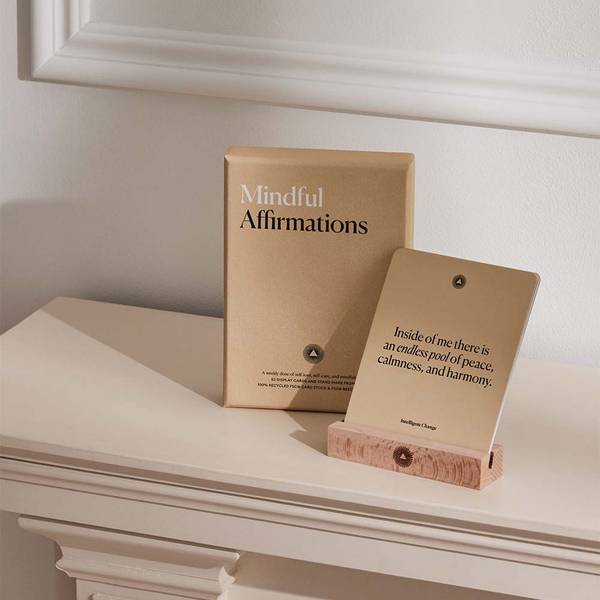
Credit: www.intelligentchange.com
How To Choose Affirmations That Work For You
Picking the right affirmations is more important than collecting many. Here’s how to make good choices:
- Focus on current needs: What is your biggest challenge or goal right now?
- Pick a small set: Start with 3–5 affirmations. Too many can make practice less effective.
- Test and adapt: Try different affirmations. Notice which ones make you feel better or stronger.
- Make them personal: Change the words until they feel natural.
Common Mistakes To Avoid
- Using too many at once: This can make it hard to remember or believe them.
- Choosing affirmations that feel false: If it feels like a lie, change the wording so it feels possible.
- Repeating without feeling: Affirmations work best when you really focus and believe in the words.
Scientific Insights On Affirmations
Research shows that affirmations can change how people think and act. Studies find that repeating positive statements can:
- Reduce stress: People who use affirmations show lower stress in tough situations.
- Boost academic performance: Students who use affirmations often do better in school.
- Support health: Affirmations help some people recover faster or stick to healthy habits.
However, not all affirmations work for everyone. The most effective affirmations are those that match a person’s values and beliefs.
Data On Affirmation Effectiveness
A survey by a major self-help organization found:
| Type of Affirmation | Reported Effectiveness (%) |
|---|---|
| Self-love | 78 |
| Confidence | 81 |
| Gratitude | 85 |
| Stress relief | 73 |
This data shows that while most affirmations are helpful, gratitude and confidence affirmations are especially powerful for many people.
The Role Of Technology In Expanding Affirmations
Technology has made it easier to access and create affirmations. Mobile apps, websites, and social media now share thousands of affirmations every day.
- Apps: Offer daily reminders and let users write their own affirmations.
- Websites: Provide large libraries, sometimes in many languages.
- Social media: People share affirmations with friends or followers, creating new trends.
Because of this, the number of affirmations available keeps growing fast. Anyone with a phone or computer can find or create the perfect affirmation for their needs.
How To Use Affirmations Effectively
Saying affirmations is simple, but using them well takes practice. Here’s what works:
- Repeat daily: Set aside a few minutes each day.
- Say them out loud: This makes the words feel more real.
- Write them down: Writing helps fix the words in your mind.
- Visualize: Imagine the affirmation is already true.
- Feel the meaning: Focus on the feeling behind the words.
Example Practice Routine
- Choose 3 affirmations.
- Repeat each one 5 times in the morning and evening.
- Write them in a journal.
- Reflect on any changes in thoughts or feelings.
Some people combine affirmations with meditation or deep breathing for even better results.
Non-obvious Insights About Affirmations
Most people miss a few important details when using affirmations:
- Affirmations must match your values. If you repeat an affirmation that doesn’t fit your beliefs, it can cause stress instead of comfort. Always adjust the wording to your true feelings.
- Changing affirmations is natural. As you grow or your goals change, your affirmations should change too. Outdated affirmations can lose their power and become boring.
Understanding these points can make your practice more effective and personal.
Are There Any Limits To Affirmations?
Technically, there are no limits to how many affirmations exist. However, some guidelines make affirmation practice more useful:
- Quality over quantity: A few meaningful affirmations work better than a long list.
- Personal connection: Only affirmations that matter to you will have real impact.
- Language and culture: Affirmations must feel natural in your language or cultural setting.
It’s possible to create new affirmations every day for a lifetime and never run out of options. This flexibility is what makes affirmation practice powerful and unique.
Comparing Affirmation Practices
People use affirmations in different ways. Here’s a simple comparison:
| Practice Style | How Affirmations Are Used | Number of Affirmations |
|---|---|---|
| Personal daily practice | Repeated in the morning or evening | 3–5 |
| Therapy or coaching | Guided by a therapist or coach, focused on goals | 5–10 |
| Group workshops | Shared and repeated together | 5–20 |
| App-based reminders | Random or set affirmations throughout the day | 10–50 |
This shows that the number of affirmations depends on how and where they are used.
The Bottom Line: How Many Affirmations Are There?
There is no final number. Affirmations are as endless as human imagination, language, and culture. While most people use a handful at a time, the potential for new affirmations is infinite. The key is not how many exist, but how well you use the ones you choose.
By understanding the main categories, learning how to create your own, and focusing on quality, you can get the most from affirmation practice. Remember, it’s not the total number that matters, but the positive change you feel in your life.
For more about the science and psychology behind affirmations, you can visit Wikipedia: Affirmations.
Frequently Asked Questions
How Many Affirmations Should I Use Each Day?
Most experts recommend starting with 3 to 5 affirmations. This makes it easier to remember and focus. Using too many at once can make the practice less effective.
Can I Create My Own Affirmations?
Yes, creating your own affirmations is often the most powerful way. Make sure they are positive, personal, and in the present tense. Adjust the wording until it feels right for you.
Are Affirmations Effective For Everyone?
Affirmations work best when they match your beliefs and goals. For some people, they bring quick results. Others may need more time or to adjust their statements. It’s important to stay patient and flexible.
Is There A “master List” Of All Affirmations?
No, there is no complete list. Affirmations are always changing as people invent new ones. Books, apps, and websites offer many examples, but you can always create your own.
How Do I Know If An Affirmation Is Working?
You may notice changes in how you think, feel, or act. Signs include feeling more positive, less stressed, or more confident. Sometimes the effect is slow, so keep practicing and notice small improvements over time.
